
The Zolotoy tomato is a popular variety that attracts attention not only with its unusual color but also with its excellent taste. It is disease-resistant and produces generous harvests. These qualities make it an ideal choice for both novice gardeners and experienced vegetable growers. It is important to provide the crop with proper care and adhere to proper agricultural practices.
Origin
The variety was registered in 2008 and has been grown on private farms since then. Its selection was carried out by a large team of agronomists, including I. N. Dubinina, S. V. Dubinin, and A. N. Lukyanenko.
Description of the plant
This tomato has a determinate growth habit and is suitable for both open-field and greenhouse cultivation under plastic. The bushes reach a height of 0.7-0.75 m. The shoots are covered with large, dark green leaves.
Fruits, their taste and purpose
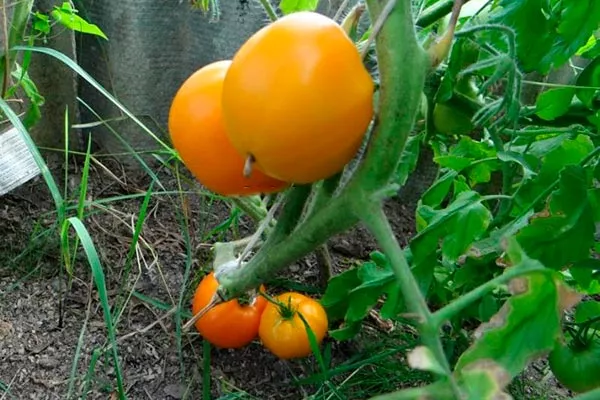
The tomatoes are formed from numerous ovaries and are initially light green, turning bright orange as they ripen. Other distinctive features of tomatoes include:
- Weight - varies from 100 to 150 g.
- Form - flat-round with characteristic ribbing.
- Pulp – tender, with a characteristic tomato aroma.
- Taste - sweet.
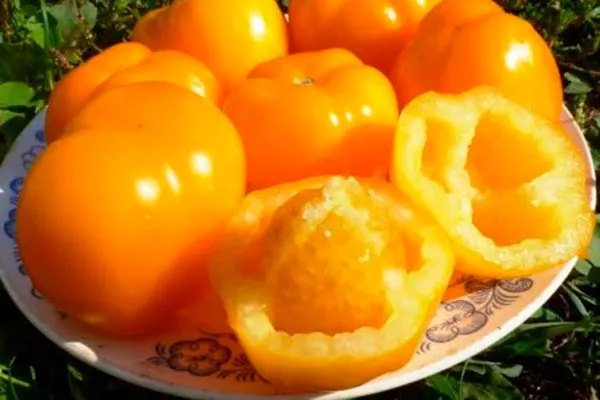
This variety is most often grown for salads and used to make juice and sauces.
Ripening and yield
Zolotoy is an early-ripening variety. It takes 92-100 days from the first shoots to ripening, but the exact timeframe depends on the region's climate and the growing method—greenhouse or open ground.
This variety is characterized by good productivity – up to 10 kg of tomatoes can be harvested per square meter. Seedlings emerge early and uniformly, virtually eliminating the risk of late blight.
Features of agricultural technology
Even cold-hardy tomato varieties in Russia are grown from seedlings, as the plants especially need optimal temperatures during the germination stage and before they become small seedlings. Overall, the cultivation techniques for this variety are simple and suitable even for beginners.
- ✓ Optimum soil temperature for seed germination: +18…+25°C.
- ✓ Required air humidity for seedlings: 60-70%.
The main requirements for growing healthy Golden tomato seedlings
During the day, the temperature in the seedling room should be maintained between +20 and +24°C, and at night – no lower than +15°C. Follow these recommendations:
- Increase daylight hours to 14 hours using phytolamps, which you place at a height of 30 cm above the plants.
- Water the seedlings regularly, using only warm, settled water, preferably through a mechanical sprayer, so as not to damage the seedlings.
- As they grow, when two true leaves appear, transplant the seedlings into individual pots, removing weak specimens. After transplanting, water once a week.
In early April, begin hardening off the seedlings: first, ventilate the room, then move them to the balcony. Hardened plants adapt more easily to open ground or greenhouse conditions.
Site preparation
Avoid areas where peppers, potatoes, or eggplants were previously grown. Don't plant tomatoes in the same spot twice in a row. This is because nightshade crops deplete nutrients and can leave pathogens in the soil, increasing the risk of infection in new crops.
Fertilize the area generously with humus and plow to kill pathogens and weeds over the winter. In the spring, thoroughly loosen the soil to create favorable conditions for the bushes to grow. You can use green manure or root crops, digging them in over the winter to enrich the soil.
What to do with the seeds?
Purchased seeds are already processed and require no additional preparation. If you selected the planting material yourself, first sort the seeds, removing any damaged or defective ones. Then calibrate them by submerging them in a 5% salt solution: good seeds will sink to the bottom, while empty ones will float.
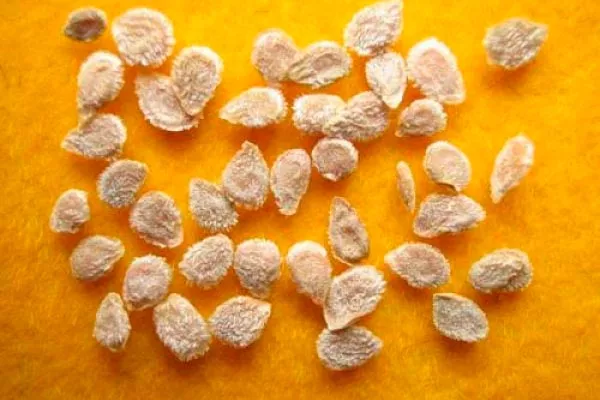
Treat self-pollinating seeds with a wood ash solution to enrich them with nutrients, or use growth stimulants, soaking the seeds in them for about 5-6 hours. Then, dry them without rinsing. Kornevin, lightly dusting the seeds with it, is effective.
To disinfect, soak the planting material in a 2% potassium permanganate solution or use specialized fungicides. The final stage of preparation is hardening, which involves gradually exposing the seeds to cold temperatures. This will produce stronger plants with tasty fruit.
Preparing soil for seedlings
Tomatoes don't grow well in regular garden soil, so prepare a special substrate. Mix equal parts leaf mold or sod soil, humus, sand, and peat.
Disinfect the prepared soil: treat it with a solution of potassium permanganate or a fungicide, or bake it in the oven at a low temperature.
Containers for seedlings
Use cut-down plastic bottles, disposable cups, and plastic or ceramic pots. The key is to make sure they have a drainage hole. Before use, thoroughly wash the containers and treat them with a potassium permanganate solution. Bake ceramic pots in the oven.
Planting seeds for seedlings and further care
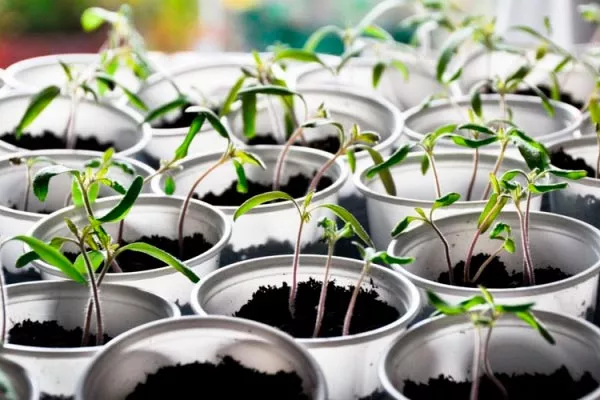
Sow seeds around mid-March so that the plants are ready for outdoor planting by the end of May. Helpful tips:
- Pre-moisten the soil with warm water and plant the seeds in shallow holes or furrows. After planting, cover the pots with glass or plastic.
- The optimal temperature for tomato germination is from +18°C to +25°C.
- When the first shoots appear, remove the film or glass.
- Maintain the correct temperature. When the seedlings develop one or two true leaves, transplant them into deeper containers or plant them deeper in the same containers.
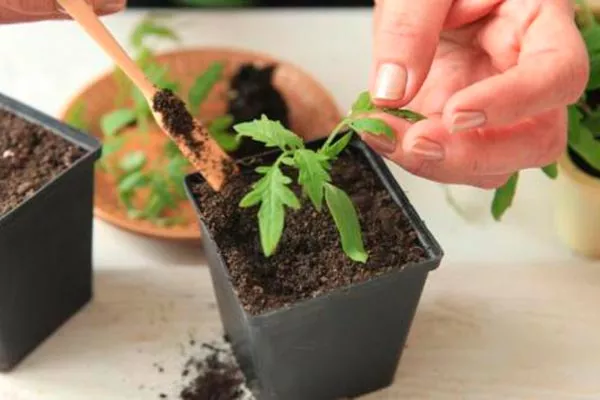
Two to three weeks after transplanting, feed the seedlings with a complete mineral fertilizer. Periodically water the plants with warm water and loosen the soil.
Planting seedlings in the ground
Plant the seedlings in early May, when they reach 30 cm in height and have 5-6 leaves. They grow successfully both in open ground and under plastic covers, but for a good harvest, it's best to use a hotbed or greenhouse. Tomatoes prefer well-lit areas with light soil.
Follow these recommendations:
- Before planting, make small holes in the prepared soil and transfer the seedlings along with the root ball.
- Plant 3-4 plants per 1 square meter.
- Cover the roots with sifted soil and moisten thoroughly.
Caring for bushes
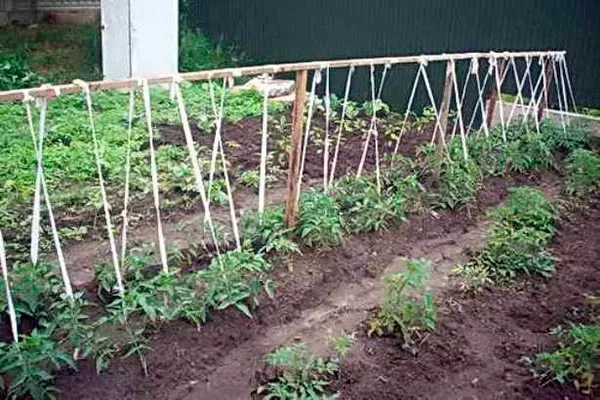
The Zolotoy variety requires staking, so drive wooden stakes or install twine at the same time as planting the seedlings. Staking with twine along the rows is one of the most convenient options.
Perform other care activities:
- Prune the bushes sparingly, leaving 2-3 strong stems. Remove the lower leaves before the first fruit appears. In hot regions, minimize this procedure or skip it altogether, as the leaves protect the fruit from sunburn.
- During the growing season, apply approximately three additional fertilizers. Before and during flowering, use solutions of complex mineral fertilizers, and during fruiting, use infusions of cow manure, bird droppings, or weed killer.
- Water the bushes twice a week, reducing the frequency during heavy rainfall. Loosen the soil and remove weeds at the same time.
Diseases, pests
The crop has a strong immune system, but in rare cases it can be affected by diseases and insects. It's important to prevent these problems early:
| Disease/Pest | Signs | Control measures | Prevention |
| Late blight | Yellowing and dying of leaves, brown spots on fruits and stems, rotting of roots. | Use of fungicides (Topaz, Ridomil Gold), removal of affected parts. | Maintaining crop rotation, removing plant debris, and ventilating the greenhouse. |
| Tomato root nematode | Formation of swellings on the roots – they become brittle, growth slows down. | Use of insecticides against nematodes, soil disinfection (e.g. with steam or hot water), root treatment before planting. | Do not plant tomatoes in areas with signs of infection; disinfect the soil. |
| Powdery mildew | White coating on all parts, yellowing and drying of leaves. | Use of fungicides (Topsin-M, Previkur), removal of damaged areas. | Spraying bushes against fungal infections, ventilating greenhouses, maintaining an optimal watering regime. |
| Aphid | The leaves curl, turn yellow, and sticky secretions appear. | Effective insecticides include Aktara and Fitoverm, as well as infusions of garlic or tobacco. | Setting up insect traps, growing nearby crops that repel aphids (garlic, calendula). |
| Colorado beetle | Gluttony, leaves become covered with holes, larvae and beetles on plants. | Manual collection of pests, treatment with insecticides Bi-58, Pyrethrum. | Planting beetle-repellent plants (such as marigolds) near tomatoes, and using chemicals. |
| Spider mite | The leaves become covered with small dots, and a web appears on their underside. | Treatment with acaricides Akarin, Fitoverm, increasing humidity in the greenhouse to reduce mite activity. | Regular spraying with water, maintaining optimal humidity. |
Positive and negative qualities
Before planting seedlings in your garden, carefully consider the variety's advantages and disadvantages. Zolotoy has many advantages:
Some vegetable growers consider the need for pinching and tying up the shoots to be a disadvantage.
Reviews
The Zolotoy tomato is an excellent choice for those looking to diversify their garden with unusual and delicious crops. Its low maintenance and excellent disease resistance make it a great addition to any garden plot. Growing the crop is straightforward, but proper agricultural practices determine the yield.