
Zolotoe Serdtse is an early, cold-hardy tomato variety, ideal for outdoor cultivation in central Russia. It boasts good productivity, excellent flavor, and a unique fruit shape. It is resistant to temperature fluctuations and has excellent shelf life, making it suitable for long-distance storage and transportation.
History of creation, description of the bush and fruits
It was developed by Russian breeder Yu. I. Panchev in 1999. After two years of variety testing, the crop was included in the State Register of Agricultural Achievements of the Russian Federation in 2001.
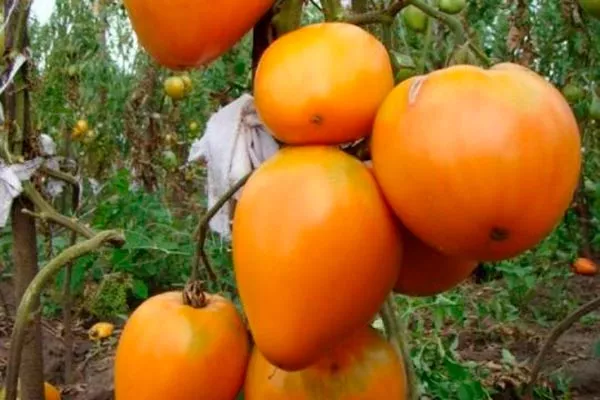
Golden Heart is a determinate variety with compact bushes 60-70 cm tall. Growth stops when a flower cluster forms at the top.
Features of the variety:
- Leaves - small, painted in a rich green color.
- Inflorescences – Intermediate type, articulated peduncle. Five to seven fruits are formed in a single cluster.
- Fruits – Large, weighing 90-107 g, they have subtle ribbing and a heart-shaped form. When ripe, unripe tomatoes are green with a dark spot near the stem, which gradually fades, giving way to a bright orange hue.
The variety got its name due to the sunny color and unusual shape of the tomatoes.
Characteristics
Among the many tomato varieties, gardeners especially value those that produce high yields with compact plant sizes. The Golden Heart tomato fully meets these requirements, boasting numerous characteristics and advantages.
Taste and uses of tomatoes
The flesh is dense and meaty, with a harmonious flavor. There are few seed chambers, and the skin is thin but quite strong.
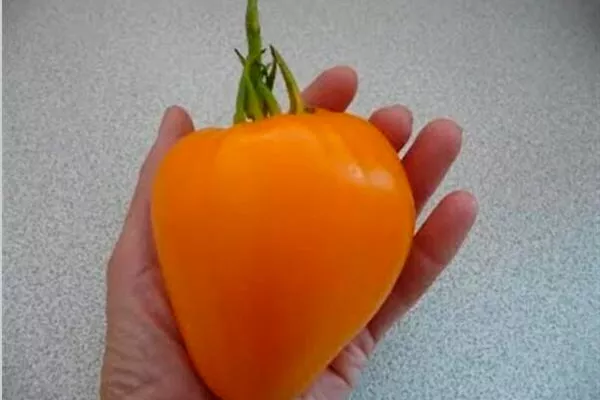
This variety is versatile. The early harvest is ideal for summer salads and fresh slices. Thanks to their fleshy texture, these tomatoes are perfect for thick pastes and sauces. When canned, they retain their shape and attractive appearance.
Maturation and productivity
This is an early-ripening variety. The harvest develops quickly: from the first shoots to ripening, it takes only 93-95 days.
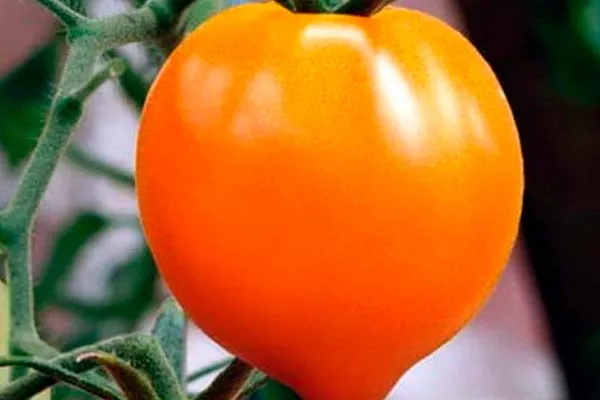
The variety has good productivity. With proper care, it's possible to harvest up to 7 kg of large fruits per square meter.
Growing regions and weather tolerance
The plant tolerates cold well, but does not handle heat well. If temperatures are too high, the plants may wilt and the flowers may fall off, making this variety less suitable for southern regions.
Tomatoes have proven themselves in the northern and central regions of Russia, as well as in the northwest. They are successfully cultivated in the Volga-Vyatka, North Caucasus, Middle Volga, Lower Volga, Ural, West Siberian, East Siberian, Far Eastern, and other regions.
Timing of planting seedlings and transplanting into the ground
Seeds for seedlings are sown in late March or early April. A mixture of turf and humus, or soil with added peat, is best for growing seedlings. Pricking out is done when the seedlings develop their second true leaf.
Tomatoes are planted in their permanent location in early June, when the plants reach 20-25 cm in height and have 5-7 leaves. Although the variety is cold-hardy, night temperatures below -8°C can negatively affect young plants. During unstable weather, it is recommended to cover the plants with spunbond.
Growing rules
Experienced vegetable growers recommend starting to grow Golden Heart tomatoes from seedlings to ensure a bountiful harvest. To achieve this, it's important to properly prepare the soil, containers, and seeds.
Container and soil
You can use a variety of containers for growing seedlings. Stores sell peat pots or special plastic seedling trays. You can also use containers made from scrap materials, such as plastic jars, buckets, or mayonnaise containers. The main thing is that the containers are clean and dry.
Peculiarities:
- Prepare your own seedling soil or buy ready-made soil from a store. The main ingredients in homemade soil are garden soil, peat, ash, sand, or sawdust. Peat retains moisture, while sand or sawdust loosens the soil. It's best to use river sand without clay, which will improve drainage.
- Store-bought soil already contains a balanced mix of nutrients and has a loose structure that allows air to reach the roots. This soil is processed and free of harmful microorganisms.
- If you prepare the soil mixture yourself, be sure to disinfect it with a hydrogen peroxide solution.
Preparing seeds for sowing
Before planting, treat the seedlings. First, place the seeds in a small bag and soak them in a glass with a potassium permanganate solution for 20 minutes, then rinse thoroughly with water. This procedure helps improve germination and protects the seeds from viruses and fungal infections.

After disinfection, soak the seeds in a solution of wood ash, which is an excellent natural fertilizer. Place the bag of seeds in the solution for 12 hours, then soak in clean water for 24 hours. This preparation increases the seed's resistance to adverse weather conditions and strengthens its immune system.
Sowing seeds
Fill the prepared container with soil and make small holes. Place a seed in each hole, cover it with soil, and moisten it thoroughly. To speed up germination, cover the seedlings with glass or plastic wrap. This will create a greenhouse effect and help them germinate faster.
Picking seedlings and hardening
When the plants become crowded in their pots, stretching and shading each other, begin transplanting them to a larger container. Begin pricking out the seedlings when the first pair of true leaves appears. If the stems are weak, pricking out the seedlings several times.
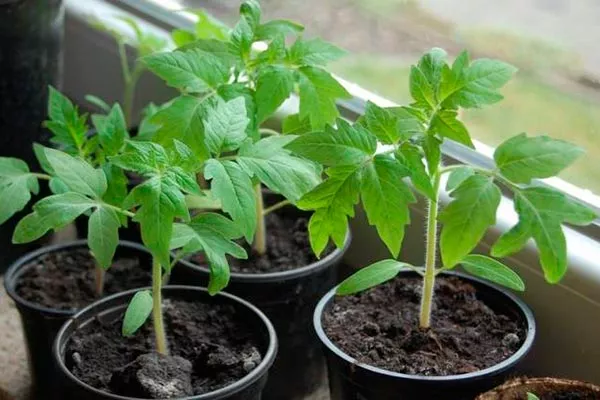
Before planting seedlings outdoors, harden them off. To do this, start by placing them on a balcony or loggia a few weeks before planting, or by opening a window on sunny days. Two weeks before moving them to the garden beds, remove the lower leaves to strengthen the plants.
Transplanting seedlings into a garden and greenhouse – features and differences
In central Russia, transplant tomatoes to their permanent location after May 20, once the threat of frost has passed. In southern regions, transplant in the first half of May.
The timing of planting seedlings in closed ground depends on the type of shelter:
- in the middle zone, plant seedlings in polycarbonate greenhouses in the first ten days of May;
- in the south – at the end of April;
- in cold regions – at the end of May.
Dig planting holes, pour warm water with phosphorus-potassium fertilizers (1 tbsp. superphosphate and potassium sulfate per 10 liters of water) or wood ash into them.
- ✓ The optimal soil temperature for planting seedlings should not be below +15°C, which is not indicated in the article.
- ✓ The distance between bushes in the greenhouse should be at least 60 cm to ensure sufficient ventilation and prevent diseases.
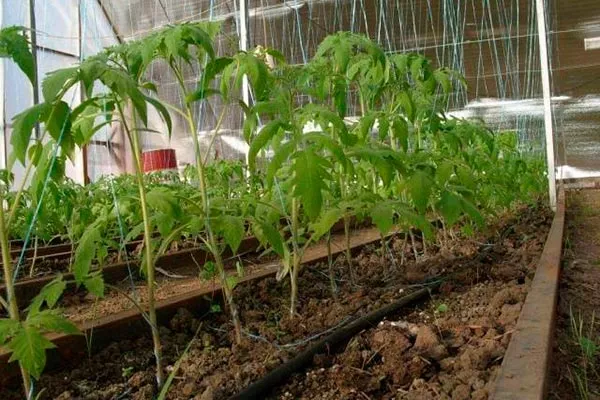
Place plants at a distance:
- outside – 50 cm;
- in a hothouse or greenhouse – 60 cm.
After planting, tie the seedlings to stakes immediately. If you don't have a polycarbonate greenhouse, for an earlier harvest, grow tomatoes under arches covered with plastic, but warm the soil to at least 15°C beforehand.
Aftercare of tomatoes
To achieve a high yield, it's important to adhere to all agricultural requirements. The Zolotoe Serdtse variety is prized by many vegetable growers for its ease of cultivation and minimal care requirements.
Forming a bush, tying and pinching out side shoots
Pinching out side shoots helps remove excess shoots that drain the plant's resources and hinder its growth. This allows for larger fruits. Side shoots appear in the leaf axils and should be removed when they reach 5 cm in length.
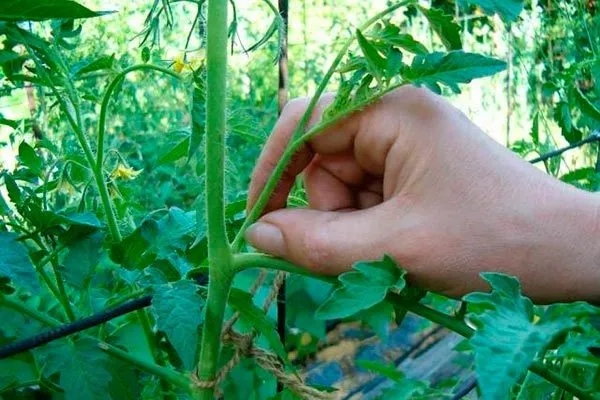
Carry out this procedure manually to avoid damaging the plant. Leave no more than 3 cm of leaf length to avoid stimulating new growth.
- ✓ The variety requires shaping the bush into two stems for maximum productivity, which is not mentioned in the article.
- ✓ The fruits have high transportability due to their strong skin, which makes the variety ideal for commercial cultivation.
For the Golden Heart variety, it's preferable to train the bush with two stems, leaving one strong shoot under the first flowering cluster. As the bushes grow, tie them to prevent the stems from breaking under the weight of the tomatoes. To do this, install a wooden or metal support and secure the plant at the top.
Watering
The plant requires moderate soil moisture but prefers dry air in a greenhouse. High humidity can promote fungal diseases, while overwatering can lead to root rot.
Water once or twice a week, depending on the plant's growth stage. After transplanting to a greenhouse or open ground, water more frequently, then every 10 days. The recommended watering rate per plant is 2-4 liters.
Perform this procedure in the morning or evening, avoiding watering the green parts when they are not exposed to direct sunlight. During flowering, water the bushes once a week, using up to 5 liters of water. Once fruit appears, increase the frequency to twice a week, using up to 3 liters of water per bush.
Top dressing
Golden Heart tomatoes require several fertilizer applications throughout the growing season. Follow these recommendations:
- 2 weeks after transplanting to a permanent location Use nitrogen fertilizers. Add 20 g of urea to 10 liters of water. Water the resulting solution at the roots, using 1 liter per plant.
- A week after the first feeding Add liquid chicken manure. Add 500 ml of manure to 10 liters of water. Apply 1 liter of mixture per plant.
- During flowering Make furrows in the garden bed, fill them with ash and cover with soil.
- When the third brush blooms Apply potassium humate as a fertilizer. Add 20 g of fertilizer per 10 liters of water.
During the fruit ripening period, spray the plantings with a solution of Superphosphate (20 g per 1 l).
Features of cultivation and possible difficulties
When cultivating crops, agronomists may encounter a number of problems. For example, if plant leaves begin to turn yellow and dry out, this may indicate a nitrogen deficiency. In this case, nitrogen-containing fertilizers such as sodium nitrate, ammonium sulfate, or urea can help.
Another common problem is deep cracks in the fruit. This is usually caused by excess moisture, especially if there is heavy rainfall during the tomato ripening period.
The nuances of care in open ground and greenhouses
Growing the Golden Heart variety in open beds can be complicated by adverse weather conditions. Low temperatures and high humidity create ideal conditions for the development of fungal diseases, especially late blight, a dangerous enemy of tomatoes.
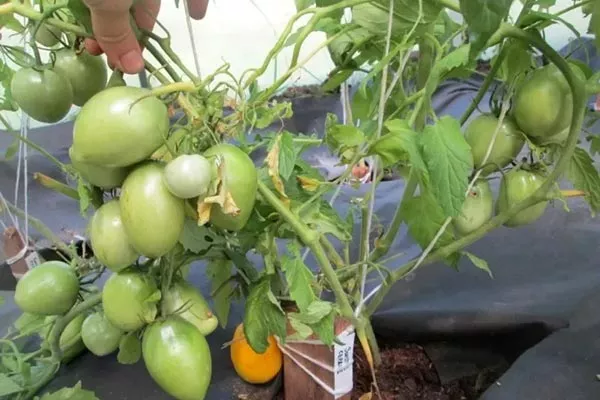
The disease manifests itself as spots on the leaves, which can spread to other parts of the plant. To prevent this, it's important to loosen the soil regularly and water the plants properly. To prevent this, treat the area with a garlic solution.
If you are growing plants in a greenhouse, consider the following recommendations:
- Ventilate the room periodically to avoid stagnant air.
- Make sure that the temperature and humidity are not too high at the same time, as this promotes the development of diseases.
- Inspect plants regularly for darkening or discoloration of leaves and fruits.
If signs of illness are detected, take immediate measures to prevent the spread of infection.
Protection from diseases and pests
The Golden Heart tomato, like other varieties, is susceptible to various diseases and therefore requires constant attention. Regularly inspecting the leaves, stems, and buds will help you spot signs of infection or pests early and take appropriate action.
Diseases that can affect tomatoes:
- Blossom end rot It appears as black spots on the tops of tomatoes, especially in dry weather. Regular watering helps prevent the problem.
- Microsporiosis - In damp weather, brown spots appear on shoots and fruits, which then become covered with a fungal coating.
- Bacterial cancer - Bird's eye spots appear on the stems and leaves.
- Septoria (white spot) - appears as spots on the leaves.
- Brown spot - causes brown spots to appear on the leaves.
Preventative treatment with fungicides can significantly reduce the risk of disease. It's important to monitor weather conditions: hot days with warm nights don't cause problems, but when nighttime temperatures begin to drop, dew appears, which facilitates the spread of infections.
Recommended drugs for prevention:
- Ridomil Gold – Use during flowering and budding to combat late blight and alternaria.
- Revus Top – Apply during the fruit growth stage. It helps control late blight, early blight, and microsporiosis.
- Quadris – effective when tomatoes are ripening to combat fungal diseases.
To prevent fungal resistance to drugs, alternate different fungicides depending on the phenological phase of plants.
Collection and storage
The vegetable ripening period lasts all summer, allowing you to harvest them as they ripen and enjoy their juicy flavor until fall. Use some of the harvest for fresh salads, and some for canning. Thanks to their small size, tomatoes are ideal for whole-fruit pickling.
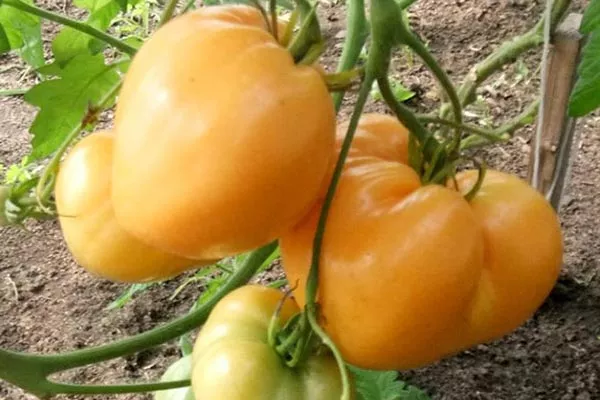
The variety is characterized by a high level of transportability and shelf life, which makes it suitable not only for personal consumption, but also for commercial cultivation and sale.
Collecting seeds for seedlings
For planting material, choose ripe, but not overripe, tomatoes. It's best to use fruits with the best characteristics (for example, firm, healthy, and undamaged).
Helpful tips:
- Cut the tomato in half and remove the seeds and pulp.
- Separate the seeds from the pulp. To do this, place them in a small container, add a little water, and mix thoroughly. The pulp and other small particles will float to the top, while the seeds will remain at the bottom.
- To preserve the seeds better, you can ferment them. Leave them in water in a warm place for 2-3 days. This will help eliminate any potential diseases and improve germination.
- After fermentation, rinse the grains thoroughly in clean water and spread them out on a paper towel or plastic wrap to dry. They must be completely dry before storing.
Place the dried planting material in a paper bag or envelope and store in a cool, dark place. Make sure the packaging is well protected from moisture to prevent the seeds from spoiling.
Pros and cons
The main advantage of the Zolotoe Serdtse variety is its cold tolerance, making it suitable for outdoor cultivation even in central Russia. In more northern regions, where extreme weather conditions occur, tomatoes are best grown in greenhouses and hotbeds.
The advantages of culture include the following qualities:
Among the shortcomings, some gardeners note the average disease resistance of nightshades. Therefore, regular preventative treatments are an important part of agricultural management.
Reviews
Golden Heart is an excellent choice for gardeners looking for a highly productive and easy-to-grow variety. It requires regular care, including staking and timely disease protection. However, with proper cultivation practices, it will reward you generously with a consistent harvest and excellent flavor.