
The Golden Fleece tomato is an early-ripening variety. It is characterized by its low maintenance and stable yield, adapts well to various climates, and requires little care. The tomatoes are juicy, golden, and have a firm skin. They are suitable for fresh consumption and winter preservation, and are resistant to damage during transportation.
Origin and growing regions
The Golden Fleece is the result of many years of work by specialists from Agrofirma Poisk LLC (V. Ognevoy, S. Maksimova, N. Klimenko, A. Kostenko). In 2008, it was added to the State Register and became widespread throughout the country. It is cultivated both in open ground and under various shelters.
The variety is successfully cultivated in the following areas:
- Central Black Earth;
- Northern;
- Northwestern;
- Central;
- Volga-Vyatka;
- North Caucasian;
- Ural;
- West Siberian;
- East Siberian and others.
The crop shows good results when grown in the Middle Volga and Lower Volga regions.
Description of the Golden Fleece bush and fruits
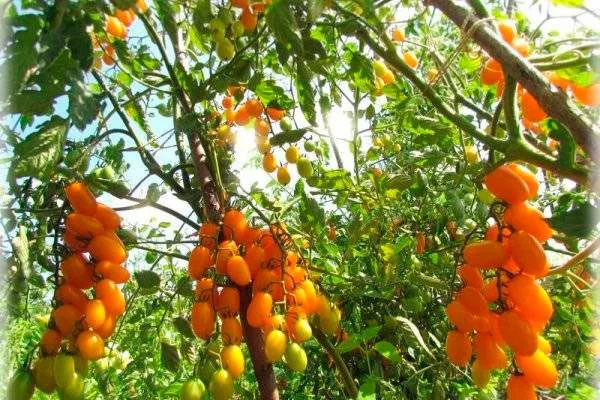
This variety is a determinate cultivar—it stops growing on its own, producing strong, compact plants 45-55 cm tall. The shoots may bend slightly under the weight of the fruit, but removing side shoots, tying, and shaping the plants is not mandatory.
Distinguishing characteristics:
- leaves - medium size, dark green in color, elongated in shape with pointed ends;
- inflorescences – the first ones appear after 7-12 leaves, then every 3 leaves;
- flowers – small, yellow, collected in clusters of 5-7 ovaries;
- tomatoes - ovoid, weighing 90-100 g, with a dense consistency and 2-3 seed chambers;
- taste - pleasant, sweetish, with a slight sourness.
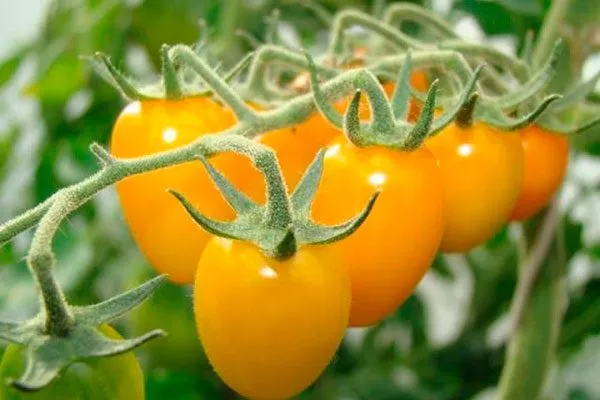
Tomatoes are rich in beta-carotene, a powerful antioxidant that helps strengthen the immune system and maintain healthy bones, skin, and vision. It also reduces the risk of cardiovascular disease and cancer.
Characteristics of tomato varieties
Gardeners who appreciate unusual varieties should consider the Golden Fleece. It differs from familiar varieties with its unique ovoid shape and rich yellow fruit.
Ripening period and tomato yield
This is an early-ripening variety—the first fruits ripen 85-98 days after sowing. Fruiting continues until late summer and is abundant.
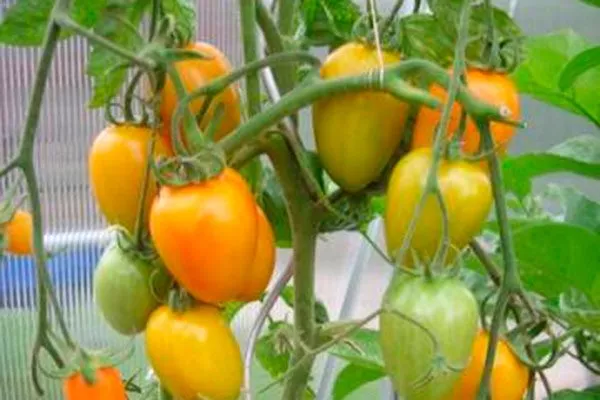
The Golden Fleece variety is characterized by good productivity – up to 6 kg per square meter. The main tomato harvest period occurs from July 15 to August 20.
Resistance to diseases and pests
The crop has high resistance to most common diseases. Plants are immune to the tobacco mosaic virus throughout the growing season and tolerate adverse weather conditions well.
Insufficient ventilation and high humidity in greenhouses pose a risk of late blight. However, the bushes are rarely attacked by pests.
Purpose and application
Tomatoes are versatile. Their firm flesh and elastic skin make them ideal for whole-fruit canning. Fresh, they're also great added to salads and other dishes, imparting a vibrant color and a slightly sweet, slightly tart flavor.
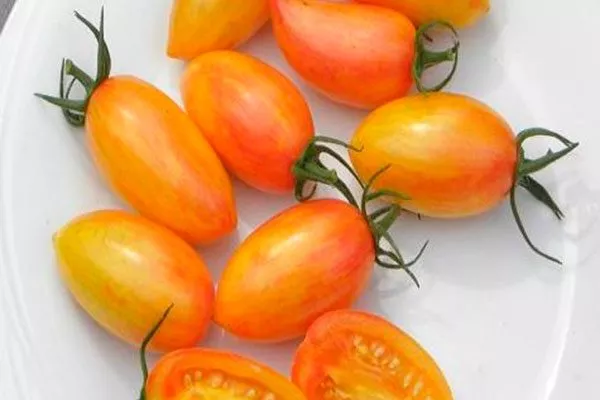
Tomatoes are used to make sauces, purees, and juices enriched with beta-carotene. They pair well with other vegetables in stews and casseroles. This variety is suitable for both home cultivation and commercial use.
How to grow?
Golden Fleece is not a hybrid, so you can harvest the seeds yourself. It is grown using seedlings, planted both in open ground and in a greenhouse.
- ✓ The optimal soil temperature for sowing seeds should not be below +12°C.
- ✓ To prevent late blight, it is necessary to ensure good ventilation in the greenhouse and avoid over-watering.
How to prepare seeds?
You can purchase planting material in specialized stores, but many gardeners prefer to prepare it themselves, selecting large and ripe fruits at the end of the season.

Follow these recommendations:
- Begin collecting seeds for the next use immediately after finishing the current one. Select the ripest seeds from the fruits and wash them to remove the pulp. Leave them for 2-3 days, then rinse them through a fine sieve in warm water.
Dry the seeds on the windowsill, then store them in a paper or cloth bag until winter. - A month before planting, calibrate the seed: remove damaged and diseased seeds or use a salt solution (20 g of salt per 1 liter of water) to separate out unsuitable seeds. After 5 minutes, the bad ones will float to the surface, while the good ones will remain at the bottom.
- Treat them with growth stimulants such as Immunocytophyte or Epin-Extra, or use a solution of 20 g of ash per 1 liter of water. Place the seeds in a cloth bag and soak them in the solution for 6 hours. Afterward, do not rinse, but dry thoroughly.
- Disinfect with fungicides, such as Acrobat or Quadris, to get rid of possible pathogens.
Harden off the seeds 3-5 days before planting: place the treated and dried seeds in the refrigerator on the bottom shelf, gradually increasing the time from 30 minutes to several hours. After removing them, place them in a warm room to acclimate.
Soil preparation
For sowing seeds, use regular garden soil, enriched with humus, sand, peat, and turf. Follow these rules:
- Add 100 g of wood ash per 10 kg.
- If you've collected soil from a plot, disinfect it by treating it with fungicides, watering it with a weak solution of potassium permanganate, or baking it in an oven at a temperature no higher than 100°C to preserve the nutrients.
Place the prepared soil into containers, after washing them with laundry soap and soaking them in a solution of potassium permanganate for about 30 minutes.
Sowing seeds and growing seedlings
For this event, boxes, peat cups, or cut-off plastic bottles are suitable – the latter are especially convenient to use.
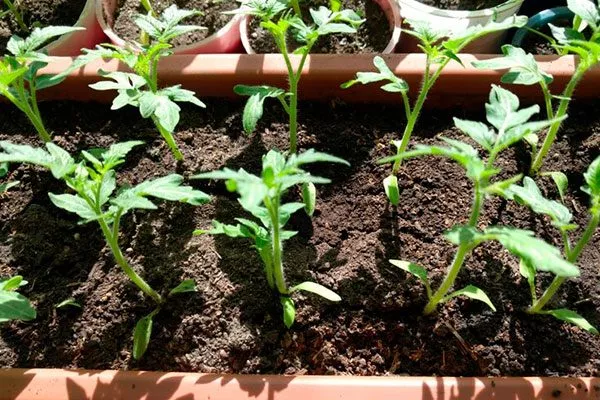
Step-by-step instructions:
- Fill the containers with prepared soil, leaving 2 cm to the edge.
- In the top layer, make grooves no more than 1 cm deep.
- Scatter the seeds at 3cm intervals, cover with soil and moisten gently with a sprayer or syringe.
To ensure the growth of strong seedlings, create suitable conditions:
- Maintain temperatures around 22-25°C until seedlings emerge. Once sprouts appear, reduce temperatures to 18-20°C to strengthen the plants.
- Provide seedlings with 12-14 hours of light per day. If natural light is insufficient, install grow lights.
- Water moderately, avoiding standing water. Use warm, settled liquid to prevent root rot.
- When the sprouts have 2-3 true leaves, transplant them into separate containers to allow the roots to develop freely.
Seven to 10 days before planting outdoors or in a greenhouse, begin hardening off the seedlings. Gradually expose them to the fresh air, starting with 30 minutes and increasing the time each day.
Transplantation into the ground
Transplant tomatoes into the garden when the soil temperature reaches 12°C and the danger of night frost has passed. The exact date varies by region.
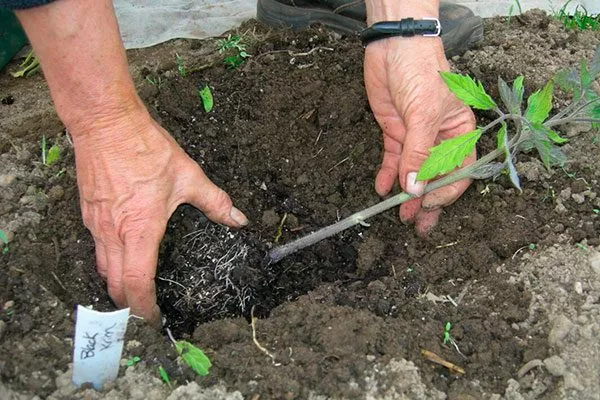
Follow these steps:
- In the fall, dig up the soil in the area with manure, and in the spring, when you repeat the process, add humus and superphosphate.
- Dig holes 20 cm deep, staggering them for easy maintenance. Leave 60-70 cm between rows and 50-60 cm between plants.
- Place one seedling in each hole. Carefully spread the roots and cover with soil.
- The final stage is watering with warm water.
Features of tomato care before harvesting
After transplanting seedlings to their permanent location, caring for the crop involves a number of important agricultural practices. The future productivity and health of the plants depend on these.
Watering and fertilizing
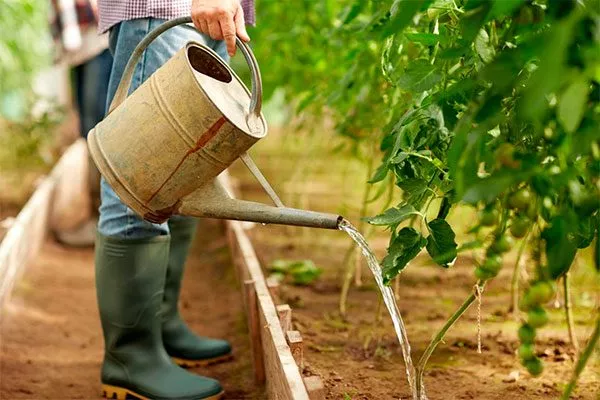
Maintain constant soil moisture by providing regular but moderate watering. Apply warm liquid only to the roots. Water in the evening, avoiding contact with leaves and stems.
For the Zolotoe Runo tomato variety, nutrition plays a key role in maintaining healthy growth and producing a good harvest. This variety requires regular feeding, especially during the period of active development and fruiting.
Fertilize the plantings according to the following scheme:
- 10-14 days after planting in open ground or greenhouse. Use organic matter, such as mullein or chicken manure infusion. You can add a little superphosphate to stimulate root formation.
- 3-4 weeks after the first feeding. Apply mineral fertilizers rich in phosphorus and potassium—complex solutions for tomatoes. These will help strengthen the plants and prepare them for flowering.
- During flowering and fruit formation. Add potassium fertilizers, such as potassium sulfate, to stimulate vegetable growth and improve their flavor. Wood ash can also be used.
- During active fruiting. Repeat feeding with the addition of complex substances rich in phosphorus and potassium.
Alternate organic and mineral fertilizers. Monitor fertilizer dosages—don't overfeed the plants. Apply fertilizer in the morning or evening to protect the plants from sunburn.
Other works
Regularly maintain your garden beds to make growing your crops much easier. Follow these important steps:
- Loosening. Helps improve soil structure, providing oxygen to the roots and preventing crust formation. Loosen the soil gently to avoid damaging the root system.
- Weeding. This is essential for removing weeds that compete with tomatoes for water and nutrients. This procedure protects against diseases and improves the appearance of the beds.
- Mulching. It helps retain soil moisture, preventing it from overheating and preventing weed growth. Use straw, grass clippings, or other organic materials to cover the soil—they decompose gradually and improve the soil structure.
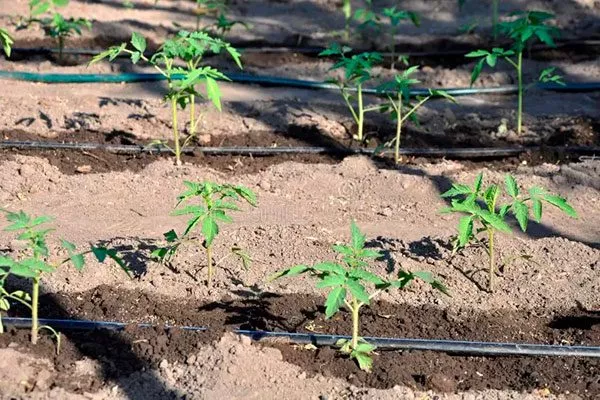
However, to ensure better plant development and increased yield, remove only weak or diseased shoots and monitor the bushes to avoid overcrowding. Stake them if they begin to droop under the weight of the fruit.
Pest and disease control, prevention
This variety is characterized by good disease and insect resistance, but in some cases it can suffer from problems. The most significant threats are:
- Colorado beetle;
- aphid;
- pliers.
| Disease | Resistance of the Golden Fleece variety | Recommended preventive measures |
|---|---|---|
| Late blight | Average | Provide ventilation, avoid over-humidification |
| Fusarium | High | Treatment of seeds with fungicides before sowing |
The most dangerous diseases for this crop are late blight and fusarium. When attacked by these pests, visible damage to foliage and shoots is present on the plants.
Late blight causes dark brown spots on the stems and grayish-brown spots on the fruit. The disease begins to spread from the leaves to the roots and tree tops. In hot weather, the bushes dry out, and in rainy weather, they rot.
Fusarium wilt causes tomato wilt, typically affecting the lower parts of the plant. Leaves:
- become pale;
- are deformed;
- curl up and fall off.
The roots are the last to die.
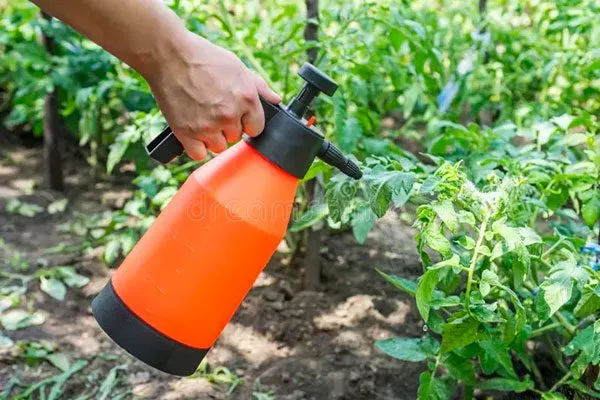
Although the risk of infection for the Zolotoe Runo variety is low, spray with antifungal agents at 10-day intervals for prevention. Fungicides are effective in stopping late blight or fusarium wilt at an early stage.
Harvesting, using and storing the Golden Fleece tomato variety
Tomatoes ripen in just 85 days after the first shoots appear. They start out green, but turn yellow as they ripen. Thanks to their thick skin, the fruits rarely crack, making them ideal for storage and transportation.
The breeders emphasize the variety's versatility. These tomatoes are ideal for eating fresh, adding to salads, and preparing main courses. They are also popular for pickling and canning whole.
Pros and cons
Golden Fleece is deservedly popular among gardeners due to its many advantages. Key benefits:
Among the disadvantages of the crop are the average yield per bush and the simple taste, characteristic of most varieties of tomatoes.
Reviews
Golden Fleece is a reliable and resilient variety, making it an excellent choice for gardeners seeking a bountiful harvest with minimal time and effort. Despite its average flavor, these tomatoes are ideal for canning and other homemade preserves. Their thick skin and early ripening make them popular and practical for any purpose.