
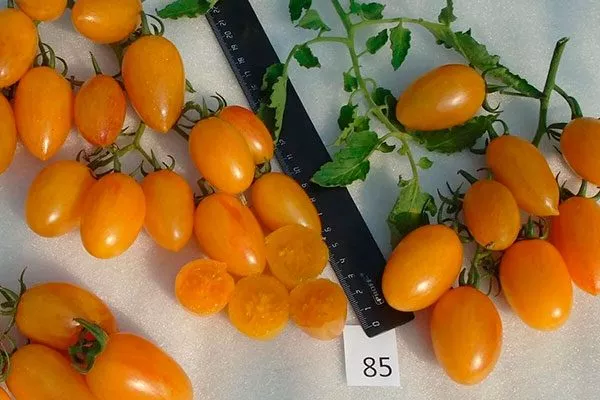
Amish Gold is one of the most attractive varieties with bright golden-yellow fruits. It is characterized by good yields, a rich, sweet flavor with a slight tartness, and versatility. The plants are indeterminate, tall, and require staking and pinching. The tomatoes are small and resistant to cracking.
Description of the bush and fruits
This variety was developed by Jeff Dawson by crossing the Amish Pasta and the Golden Sun. Key traits and characteristics:
- plant height – reaches 1.9-2.2 m;
- leaves - medium, colored in emerald shade;
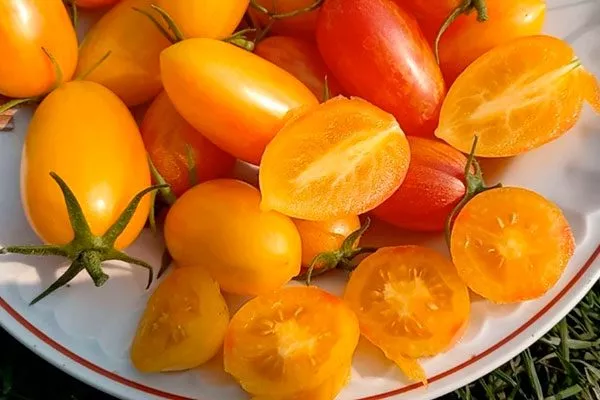
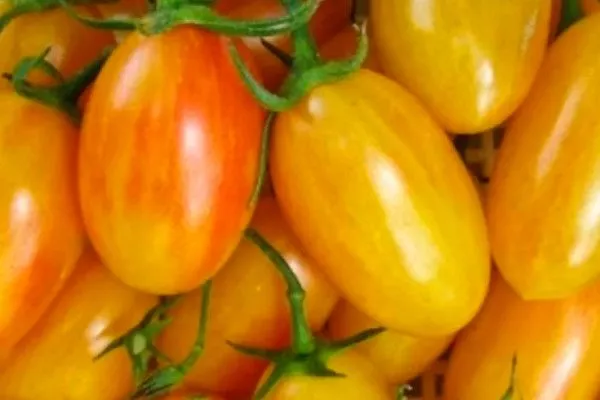
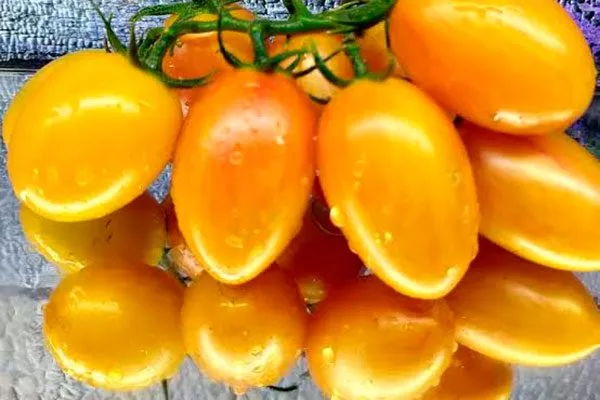
- tomatoes - a rich yellow color that stands out effectively against the green background;
- form - slightly flattened, plum-shaped;
- weight - varies from 35 to 45 g;
- taste - balanced, combines sweetness with a slight sourness, leaving a pleasant honey-fruity aftertaste.
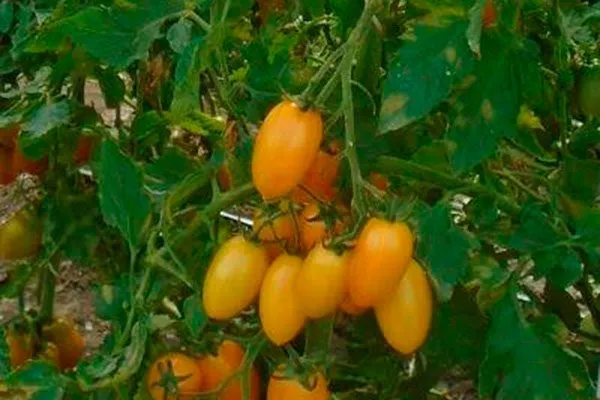
Thanks to their juicy pulp and rich aroma, tomatoes are suitable for fresh consumption and whole-fruit canning.
Main characteristics
In addition to its excellent taste, Amish Gold boasts excellent yields—over 15 kg per square meter can be harvested in greenhouse conditions. The vegetables are resilient to transportation and retain their freshness and attractive appearance.
To maximize the yield, the bush requires structuring and removing side shoots. Ideally, leaving 1-2 stems is recommended. The tomatoes ripen early, in 107-112 days. The crop is resistant to viral diseases, but preventative treatments are recommended to protect against potential infections.
Growing and care
Sow tomato seeds for seedlings 55-60 days before planting. The optimal temperature for germination is 23 to 25°C. After germination, reduce the temperature to 18 to 20°C to strengthen the seedlings.
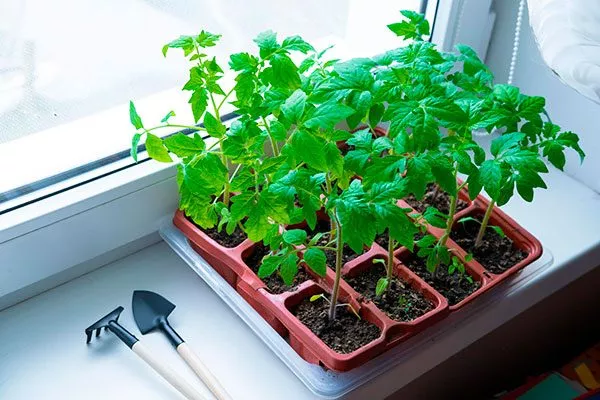
Next, follow these recommendations:
- Check the seeds for germination by immersing them in a salt solution. Remove any empty or damaged seeds. Treat the seeds with potassium permanganate, hydrogen peroxide, or biopreparations. Soak them in water or a growth stimulant, then place them in a damp cloth and leave in a warm place until sprouts appear.
- For sowing, use containers, peat pellets, and light, nutrient-rich soil. Plant the seeds 0.5-1 cm deep, leaving 2 cm between them. Place the container with the seedlings in a room with a temperature of 25 to 27°C, and cover with plastic or glass to create a greenhouse effect.
Provide lighting for 12-14 hours a day. - When the seedlings develop two true leaves, transplant them into separate containers. Moisten with warm, settled water. Harden off the plants by placing them outdoors 10-14 days before transplanting.
- Transplant seedlings into a greenhouse or open ground once the threat of frost has passed and the soil has warmed to 15°C. The optimal planting pattern is 50x60 cm.
- The bushes require tying to a support or trellis. Train them into 1-2 trunks, removing side shoots every 7-10 days.
Caring for the bushes involves performing simple agricultural measures:
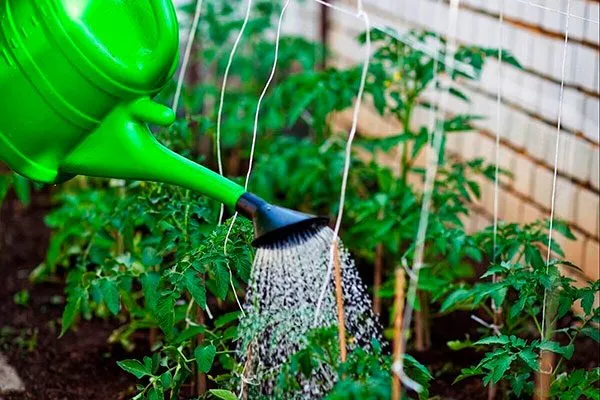
- Water 1-2 times a week, avoiding overwatering.

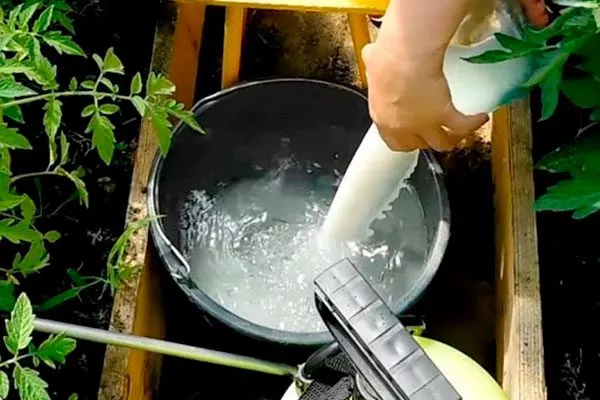
- Apply the first fertilizer 14 days after planting (nitrogen). During flowering and fruiting, use potassium-phosphorus solutions.
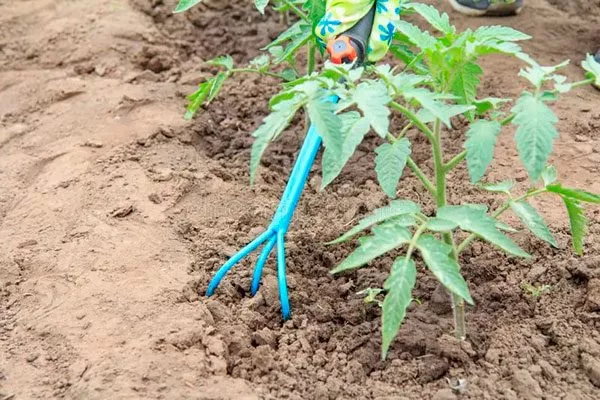
- Loosen the soil after each watering to allow oxygen to reach the roots. Cover the beds with mulch (straw, hay, peat) to retain moisture and prevent weed growth.
Despite the culture's strong immunity, it can be susceptible to various challenges. Address these issues promptly:
| Disease/Pest | Signs | Control measures |
| Late blight | Dark brown spots on leaves and fruits, white coating on the underside of the leaf blade. |
|
| Cladosporiosis | Light yellow spots on the leaves that gradually darken and become velvety. |
|
| Tobacco mosaic | The leaves become deformed and light green and yellow spots appear. |
|
| Whitefly | Small white insects on the underside of leaves, sticky coating. |
|
| Spider mite | Fine webbing, yellow spots and wilting leaves. |
|
| Aphid | Clusters of small green or black insects on young shoots, curling of leaves. |
|
Perform preventative measures:
- observe crop rotation (do not plant tomatoes after nightshades);
- ventilate the greenhouse regularly;
- provide moderate watering and loosen the soil;
- treat the bushes with Fitosporin every 2-3 weeks;
- Place calendula, garlic and basil nearby to repel insects.
Reviews
Amish Gold is a great choice for those who value productivity and low maintenance. This variety boasts consistent fruit production, rich flavor, and excellent shelf life. Its disease resistance and ability to be transported over long distances make it suitable for both home consumption and commercial use.