
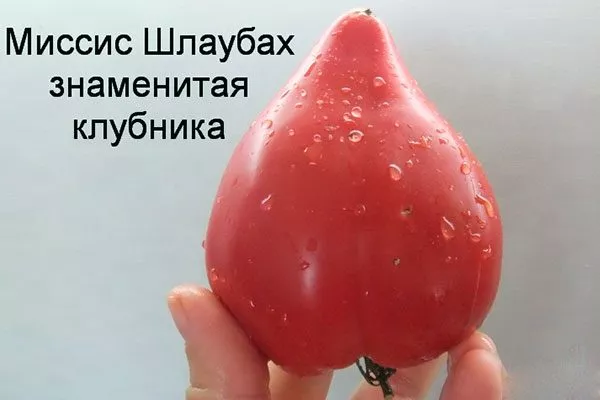
Mrs. Schlaubaugh's Famous Strawberry tomatoes are a mid-late-ripening American marvel. The tomato variety's signature feature is its unusually large, heart-shaped fruit, which delights the eater with a remarkably sweet flavor. It performs best when grown in greenhouses.
Description of the plant, fruits, their taste and purpose
The bushes of this cultivar are tall and slender. Their external characteristics are as follows:
- height - 2 m (in greenhouse conditions), 1.2 m (in an open bed);
- well developed roots;
- strong central stem;
- the branches are long, reminiscent of vines;
- Foliage: green, moderately dense, with a typical tomato shape;
- simple inflorescences;
- Fruit clusters form 3-6 tomatoes.
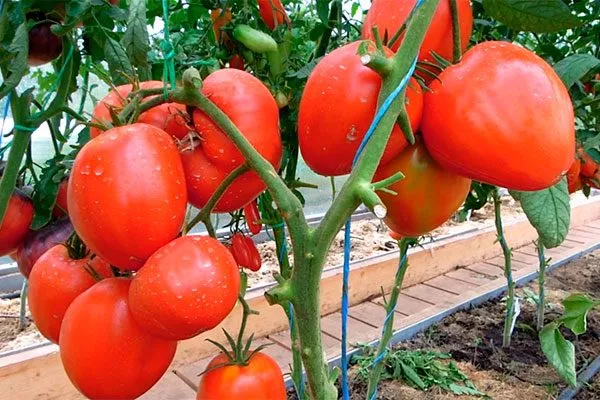
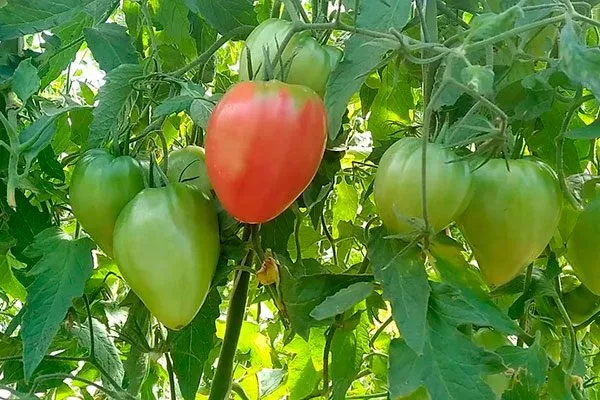
The fruits' appearance deserves special attention. They impress with their large size and beautiful shape, visually resembling a giant strawberry. Their description includes the following characteristics:
- weight - 300-500 g;
- pink with a raspberry tint color;
- slightly elongated heart shape (some fruits may be flattened);
- slight ribbing;
- skin: smooth with a shine, fairly dense, glossy, but not hard, not prone to cracking;
- pulp: fleshy, dense, slightly oily, “watermelon-like”, juicy and aromatic, with very few small seeds.
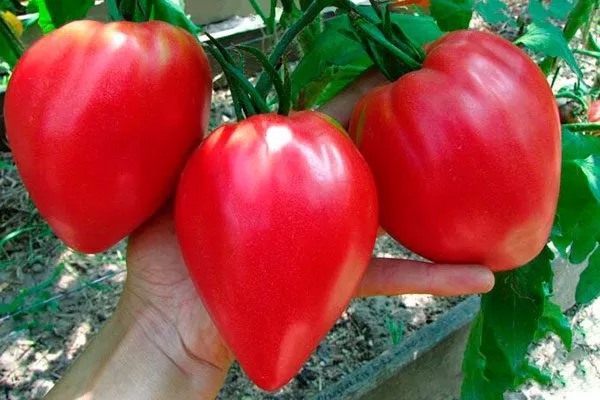
The tasting qualities of Mrs. Schlaubach's Famous Strawberry harvest are excellent. The fruit's flavor is balanced and rich. It is dominated by a nectar-like sweetness, delicately accented by a subtle, refreshing acidity. This is complemented by a vibrant aroma with a fruity note.
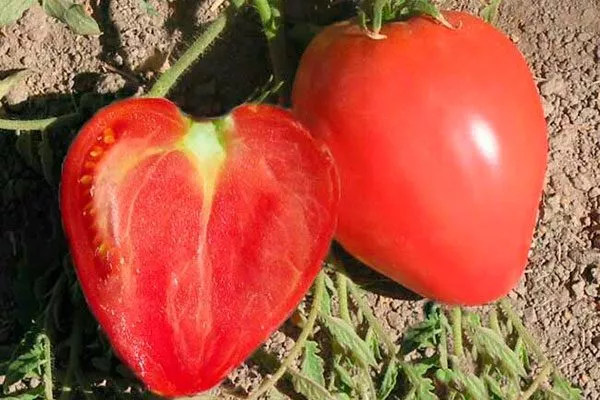
To achieve their super-sweet flavor, strawberry tomatoes need time to ripen thoroughly on the vine. If they're picked prematurely, the flesh will be less sugary than that of ripened tomatoes. The first fruits to ripen are less flavorful than those ripened in the third cluster and subsequent ones.
The purpose of the giant pink tomato variety is universal:
- they are eaten fresh;
- added to summer vegetable salads and various dishes;
- processed into puree, juice, paste;
- They are preserved for the winter (preparations like lecho and adjika are especially tasty).
Large, fleshy tomatoes of the Mrs. Schlaubaugh's Famous Strawberry variety are widely used by housewives in home cooking:
- they are stewed and grilled;
- combine fresh slices with other vegetables, soft cheese and herbs;
- they make thick and tasty tomato juice with pulp, puree, paste from them;
- They are used to make ketchup, sauces, tomato soup, and borscht dressing.
Pink fruits tend to hold their shape well when sliced. Their flesh is quite dense, preventing them from falling apart during cooking and maintaining their texture.
Eat strawberry tomatoes fresh. They're not just a summer dessert, but also a source of nutrients. They're rich in vitamins, minerals, antioxidants, and fiber. They also contain a lot of ascorbic acid, carotene, B vitamins, and lycopene. They strengthen the heart and lower cholesterol.
Ripening, yield, other characteristics
This giant, heart-shaped tomato variety was developed by American breeders over 10 years ago. It is suitable for cultivation in all regions of the Russian Federation due to its stress-resistant bushes and its ability to withstand sudden temperature fluctuations, heat, and drought. Its technical characteristics are as follows:
- Mid-late ripening periodThe harvest ripens in 110-120 days after germination. The first fruits can be tasted in the second half of July. They are harvested en masse in August.
- Good yieldStrawberry tomato bushes show maximum productivity when grown in greenhouses. Gardeners harvest up to 8-10 kg of fruit per square meter (with enhanced agricultural practices). In open ground, the yield is several times less.
- Average shelf life of the harvest, good transportabilityThis variety is suitable for commercial cultivation due to its strong skin and dense flesh, which help maintain its marketable appearance during long-distance transport.
- Strong immunityMrs. Schlaubach's Famous Strawberry plants are highly resistant to many nightshade infections. They are rarely affected by tobacco mosaic virus, fusarium wilt, and root rot. They require protection from pests. Insecticide treatments help gardeners protect tomato plants from insect attacks.
Growing seedlings
Gardeners grow this vegetable variety using seedlings, then transplant them into a greenhouse or open-air garden plot. Seeds are sown in the last two weeks of March. Fifty to sixty days after sprouting, the tomatoes are transplanted to their permanent location in May.
Conditions and preparation
To ensure that seedlings develop well and are healthy, they will need to be provided with good conditions in their home:
- abundant lighting (sunny windowsill, use of phytolamps to extend daylight hours to 18 hours for the first 20-30 days, and then to 12 hours);
- heat (temperature conditions for seed germination are +25°C, for growing seedlings - +20-22°C);
- air humidity - 65-85%;
- light, loose and nutritious soil with a pH of 6 to 6.5, the best option is a mixture of garden soil (30%) with sand (20%), peat (20%) and humus (30%).
If you're making your own potting soil from the ingredients listed above, disinfect it. Water it with a potassium permanganate solution or bake it in the oven. It's preferable to use a store-bought universal potting soil. It's clean, has the right structure, and is enriched with nutrients.
Prepare containers for growing strawberry tomato seedlings:
- boxes made of plastic or wood;
- glasses with a capacity of 400 ml or peat pots.
Before sowing, sort the seeds of the "Famous Mrs. Schlaubach" strawberry variety. Disinfect them by soaking them in a 1% potassium permanganate solution or another fungicide. It's also a good idea to treat them with a growth stimulant (Epin, Zircon).
Sowing seeds
Carry out sowing work by following the following sequence of actions:
- Fill the planting containers with fertile soil and level the surface.
- Place tomato seeds into the soil to a depth of 1-1.5 cm.
- Moisten the crops with a spray bottle.
- Cover them with plastic wrap or glass. Leave them in a warm place (25˚C) until sprouts appear.
After 6-8 days, seedlings will appear. Remove the film. Move the container to a cooler room. It's best to leave the seedlings on a sunny window, protecting them from drafts. Water them moderately from time to time (1-2 times a week for the first 20 days, then every other day).
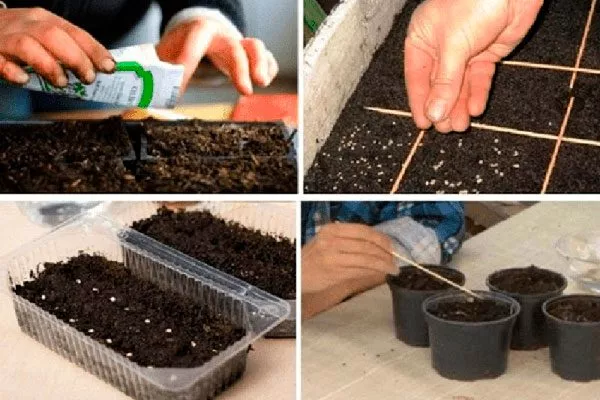
Once the seedlings have two true leaves, transplant them. If you can't transplant them into individual cups, thin them out. Leave 5 cm between them. Two weeks later, water the tomatoes with a complete fertilizer solution for nightshades. Repeat the feeding after 14 days.
Agricultural technology
This American variety is considered low-maintenance. Caring for it is simple. Standard agricultural practices are sufficient to maintain the plant's health and maximize its productivity. Pay particular attention to watering, fertilizing, and bush training.
Transplanting
Grow Mrs. Schlaubach's Famous Strawberry tomato in a bed with fertile, loose soil. Ensure good drainage to prevent waterlogging. The site will need to be prepared in advance:
- dig up the ground;
- clear it of weeds and their roots, and of plant debris;
- add organic matter (humus or compost).
Transfer strawberry tomato seedlings to the garden after the soil warms to 15°C. Transplant in May. By this time, the plants should be 50-60 days old. Harden them off before "transferring" them to the garden bed.
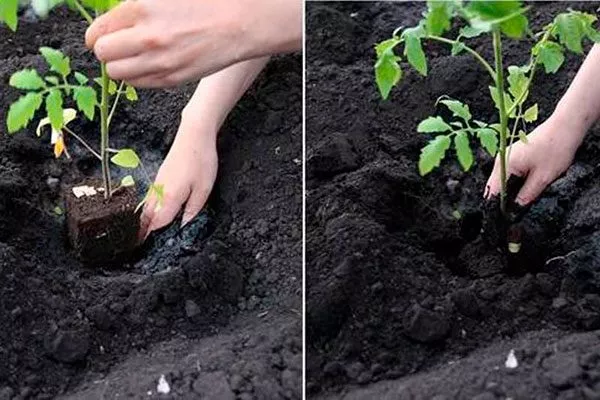
When planting tomatoes in a permanent location, adhere to the recommended norms:
- Place no more than 3 seedling bushes per 1 sq. m.;
- follow the 70x70 cm pattern.
- ✓ The optimal soil temperature for planting seedlings should be at least +15°C, which is critical for preventing stress in plants.
- ✓ The distance between plants should be at least 70 cm to ensure sufficient space for growth and ventilation.
When planting, add some fertilizer to the holes: humus, superphosphate, and wood ash. Mix them with the soil, then place the seedling in the hole. Fill the gaps with garden soil. Finally, water the tomatoes and mulch the bed with dry grass, leaves, and peat.
Watering and fertilizing
The key to successfully growing strawberry varieties is regular watering of the beds. The soil under the bushes should not be overly dry or waterlogged. Follow these watering guidelines:
- water the tomato bed once every 3-4 days;
- avoid getting moisture on the foliage;
- use warm, settled water;
- After watering, loosen the soil, simultaneously removing weeds from the bed.
To increase the yield of your Mrs. Schlaubach's Famous Strawberry tomato plant, fertilize regularly. Use organic and mineral fertilizers. They will ensure healthy growth and development of the plants.
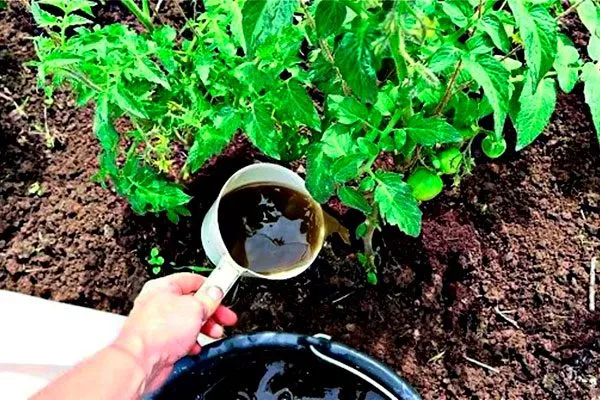
Fertilize tomatoes according to the schedule:
- at the initial stage of growth, provide the plants in the bed with nitrogen by adding liquid organic matter (a solution of mullein or bird droppings) or urea;
- During the period of ovary formation, add mineral compositions rich in phosphorus and potassium (at this stage of development, tomatoes also have an increased need for microelements such as zinc and boron);
- During the period of growth and ripening of fruits, feed the tomato planting with mixtures that contain a large amount of phosphorus and potassium (for example, superphosphate, potassium sulfate).
Pruning and supporting plants
Tall American tomato plants require training into 1-2 trunks and regular removal of side shoots. Proper training increases crop productivity and increases fruit size.
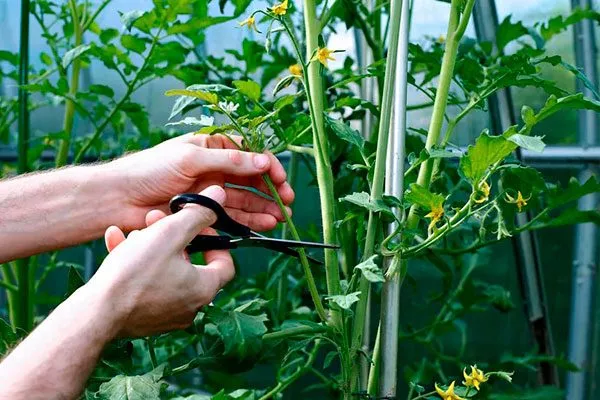
A mandatory measure when growing strawberry tomatoes is to provide them with reliable support:
- high stake
- mesh.
Tying the bush's shoots to a support prevents them from breaking under the weight of the ripening crop. Do this carefully, without tying the main trunk too tightly with synthetic thread or tape.
Resistance to diseases and pests, their control
The Famous Mrs. Schlaubach strawberry variety delights gardeners with its strong immunity. The plants are resistant to tobacco mosaic virus, fusarium wilt, and root rot. Preventative measures are required to protect the planting from late blight (treatment with Bordeaux mixture and Fitosporin-M).
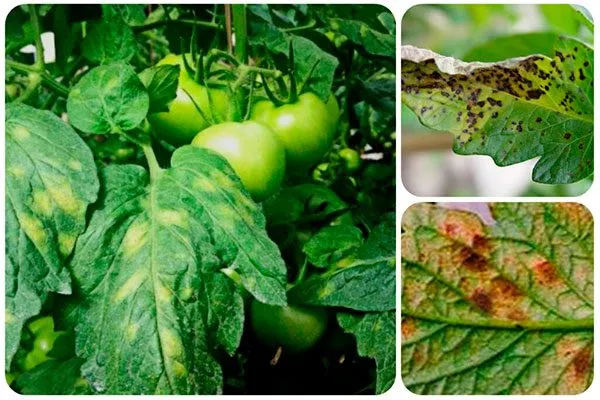
Of all insects, vegetable crops are most susceptible to spider mite attacks. This pest can be controlled using Malathion.
To prevent deterioration of the health of strawberry tomatoes, regularly carry out the following activities:
- Disinfect planting material, soil and planting containers.
- Do not over-water the soil under the bushes to avoid the development of fungal infections;
- do not plant the crop too densely;
- loosen the soil the next day after watering and rain, weed out the weeds;
- inspect tomato plants for the presence of parasites;
- do not neglect tying the bushes to supports;
- Feed tomatoes wisely;
- Use biofungicides and folk remedies to repel insect pests from tomatoes.
Pros and cons
The pink tomato variety Mrs. Schlaubach's Famous Strawberry has many advantages that distinguish it from other large-fruited varieties:
The strawberry variety of tomatoes has few disadvantages:
Reviews
The famous Mrs. Schlaubach strawberry is an American variety of sweet pink tomatoes, beloved by Russian gardeners for their attractive appearance and large fruit size, their sweet flavor, and rich vitamin content. These giant tomatoes are excellent for fresh consumption, cooking, and canning.