
Winter Cherry F1 is the name of a cherry tomato hybrid that has gained popularity among Russian gardeners due to its excellent yield, impeccable marketability, and remarkable flavor, as well as its strong immunity. It is most prized for the long shelf life of its clusters, which contain up to two dozen miniature and beautiful tomatoes.
Historical facts
The tomato variety owes its appearance in the early 2000s to employees of the Partner agricultural firm:
- Ignatova S. I.;
- Gorshkova N. S.;
- Tereshonkova T. A.
The hybrid they developed, after successfully passing variety testing, was added to the Russian Federation State Register. It was approved for use in 2003.
Description of the variety
The appearance of Winter Cherry trees and the fruit they produce deserves special attention. Both are highly decorative.
Appearance of bushes
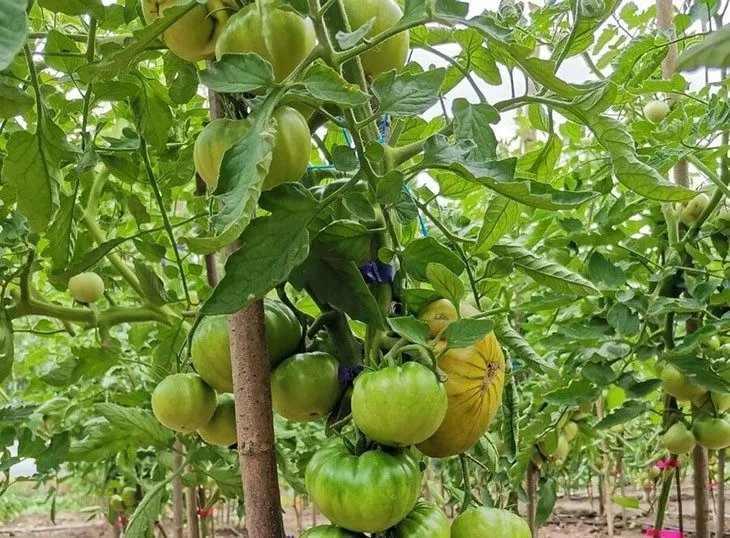
Plants of this hybrid variety are indeterminate. Their height does not exceed 2 meters. They do not require pinching, but they do require training to ensure maximum productivity. Their description includes:
- weak foliage;
- strong stems;
- leaves: medium-sized, green;
- inflorescences of the intermediate type (the first one is formed above the 9th leaf, all the following ones are formed every 3 leaves):
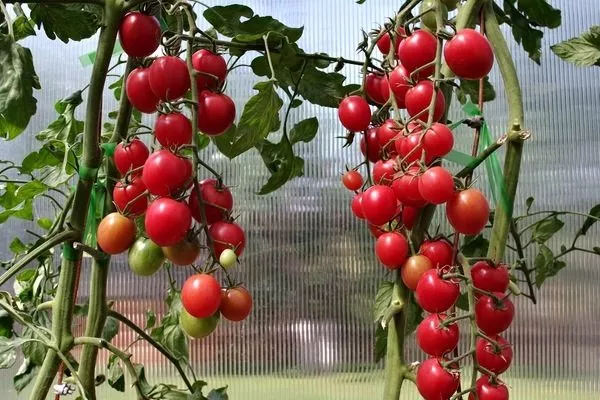
- dense fruit clusters in which 18-20 tomatoes ripen, symmetrically located on both sides of the bunch.
Winter cherry fruiting bushes are very beautiful. Numerous scarlet clusters of cherries cascading down their branches give them a decorative appearance. Many gardeners grow them not only in their vegetable gardens but also in their flowerbeds to create unusual flower and vegetable arrangements.
Fruit
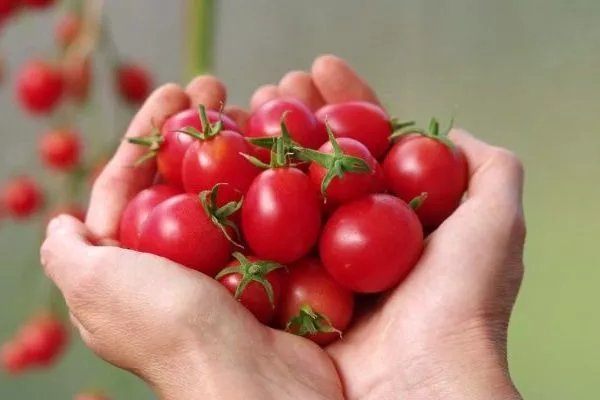
This hybrid variety produces miniature cherry tomatoes. They are distinguished by their appearance:
- round shape with slightly flattened top and base;
- weight - 30 g (with enhanced agricultural technology it can reach 90 g);
- bright red skin with a beautiful shine (there is no green spot in the area of the stalk of the fruit);
- pulp: red with a pink undertone, evenly colored, dense, fleshy, juicy, with 3-5 seed chambers and a small number of small seeds.
Characteristics of the variety
Winter cherry, like most tomato hybrids, has many excellent characteristics. It boasts high yields, hardiness, and resistance to diseases such as cladosporiosis, fusarium wilt, and tobacco mosaic virus.
Taste characteristics
Beautiful cherries delight the eater with their remarkable tasting qualities. Their flesh is sweet and aromatic, with a subtle, refreshing tartness.
Areas of use of tomatoes
The purpose of the hybrid tomato crop is universal:
- fresh consumption;
- preparation of various dishes, in particular salads, soups, side dishes, sauces;
- processing into juice, puree, tomato paste;
- pickling;
- whole fruit canning;
- drying;
- drying;
- freezing.
Miniature tomatoes are especially good for winter preserves. Jars containing them look elegant. They hold a lot of fruit. They don't bruise, crack, or soften during the canning process.
Professional chefs use cherry tomatoes to decorate restaurant dishes, top bruschetta, and decorate pizzas. They're also used to create such delicacies as tomatoes stuffed with ricotta paste, garlic, anchovies, and nuts, or olives and cheese.
Ripening and fruiting
Winter cherry is a mid-early variety and hybrid of the vegetable crop. Its harvest matures 95-110 days after germination. The fruits ripen uniformly and abundantly. Gardeners begin harvesting them in mid-July.
Productivity
This hybrid tomato variety is considered high-yielding. Its characteristics are as follows:
- 3 kg from 1 bush is the minimum amount of fruit that 1 Winter cherry plant produces (with enhanced agricultural technology and cultivation in greenhouse conditions, productivity increases by 2 times, amounting to 6 kg from 1 bush);
- 9.7 kg from 1 sq. m of tomato bed is the average yield when maintaining a planting density of 2-3 plants per 1 sq. m;
- 65,000 kg per 1 ha is the yield that farmers obtain from industrial cultivation of the hybrid.
Regions for cultivation
The Russian State Register approves this vegetable crop for cultivation in greenhouses and hotbeds in the following regions of the country:
- Northern;
- North-West;
- Central;
- Volga-Vyatka;
- Central Black Earth Region;
- North Caucasian;
- Middle Volga.
Sowing for seedlings
Gardeners grow cherry tomato hybrids using seedlings. To obtain strong and healthy seedlings, it's important to follow the manufacturer's recommended sowing times and plant them according to the instructions.
Timing of planting seedlings and transplanting into the ground
Begin sowing in the first ten days of April. You can transfer the seedlings to the garden in late May or early June. If you plan to plant them in an open bed (in southern regions, it is possible to grow hybrid tomatoes without cover), wait until the soil warms to 15°C.
Seed preparation
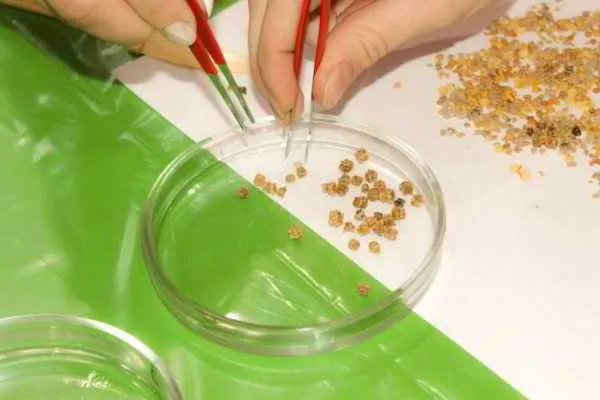
Properly preparing your seeds for planting will ensure uniform and early germination. Before planting, follow these steps:
- warming up;
- disinfection in a pale pink solution of potassium permanganate;
- soaking in a growth stimulator such as Epin or Zircon;
- bubbling (oxygen saturation);
- hardening (expose the seed material to temperature changes 5-6 times, alternately leaving the seeds, wrapped in gauze and plastic, in the refrigerator for 8 hours, and then bringing them into a warm place for 8 hours);
- germination (place the seeds on a saucer with moistened gauze and leave at a temperature of +25°C until sprouts appear).
The above steps will help you maximize seed germination by at least 30%. Before you begin, carefully sort your seedlings. Discard any empty, small, or damaged seeds.
What kind of soil should I choose for seedlings?
Winter cherry seedlings grow well in the right soil:
- loose;
- air- and water-permeable;
- nutritional;
- with a pH of 6.5.
When sowing hybrid seeds for seedlings, don't use soil from your garden. It may contain parasites, their larvae, and pathogenic microorganisms. Opt for a general-purpose substrate enriched with fertilizers and beneficial components, purchased from a flower shop.
Sowing seeds
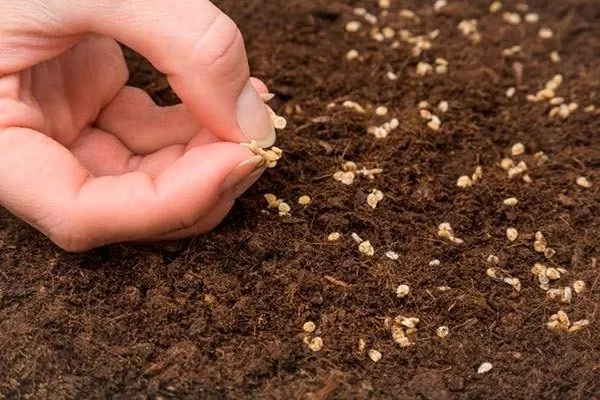
To grow cherry tomato seedlings, use shallow containers with drainage holes in the bottom. Fill them with a suitable potting mix. Sow the seeds as follows:
- Level the soil in the box. Make furrows in it. Their depth is 1.5-2 cm. The width between rows is 5 cm.
- Place the seeds in furrows, keeping a sowing distance of 3 cm.
- Cover the seed with fine-grained soil and compact it lightly. Place the seed at a depth of 1-1.5 cm.
- Water the planting using a spray bottle.
- Cover it with film to create greenhouse conditions.
- ✓ Optimum temperature for seed germination: +24°C.
- ✓ Required soil acidity for seedlings: pH 6.5.
Keep the seed trays in a warm place (24°C). Make sure they are not exposed to direct sunlight. Protect them from drafts. Maintain moderate moisture in the soil; do not allow it to dry out. Seedlings will appear in 7-9 days.
When the sprouts appear, remove the plastic wrap. Move your cherry tomato planting to a sunny windowsill. Reduce the room temperature to 20°C.
Take care of your seedlings by doing the following:
- moderate irrigation with warm, settled water (frequency - once every 7 days);
- careful loosening of the soil;
- picking (plant the seedlings into 500 ml cups or peat pots after the first 2 true leaves appear);
- fertilization (the first time, feed the seedlings with a solution of Agricola or Krepysh 14 days after picking, and another 2 weeks later, add Superphosphate).
- hardening (during the last week before “relocating” the seedlings to the garden, take them out into the fresh air for several hours every day).
Rules for planting seedlings
Plant the grown seedlings in an open garden bed in early summer. By the time of transplanting, they should have 5-6 true leaves. The site where you'll be planting the tomatoes should meet the following requirements:
- be sunny;
- windless;
- protected from drafts;
- with soil dug up and fertilized in the fall.
Transplant the Winter Cherry hybrid seedlings into pre-dug planting holes, adding some organic matter (humus), calcium nitrate, and wood ash. If you grew tomatoes in peat pots, transplant them along with the containers. Do not disturb the root ball.
Don't plant more than 3 seedlings per square meter of bed. The recommended planting density for the hybrid is 2.5 plants/sq. meter. Don't overcrowd the plants. If they're too crowded, they'll become diseased due to poor stem ventilation and excess moisture accumulation.
Growing and care
To ensure maximum yield from your bushes, provide them with quality care, which includes the following procedures:
- timely watering;
- regular weeding;
- loosening the soil;
- fertilizing the garden bed with organic matter;
- shaping bushes and tying them to a support.
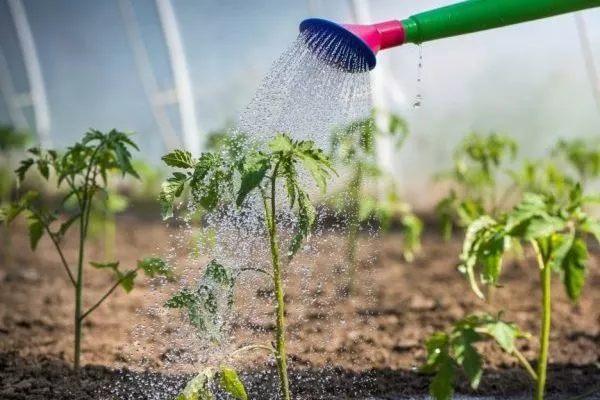
Water the tomato bed as the top layer of soil dries out. Use warm, settled water. Avoid standing water under the bushes to prevent cherry tomato rot. Maintain a proper watering schedule:
- irrigate the plants at least once every 7 days;
- use 3-5 liters of water per plant;
- during the flowering period, reduce the water consumption rate to 2 liters per bush;
- Perform the procedure in the morning or during the day in cloudy weather.
After watering and rain, loosen the soil under your tomato plants to make it more crumbly and prevent a hard crust from forming. This will improve oxygen and water access to the roots. Combine this with weeding. Prevent weeds from growing and robbing the tomatoes of their nutrients.
Make sure to fertilize your winter cherry trees. This is especially important before flowering and the first fruits ripen. Use organic matter (rotted manure, green tincture, wood ash) and mineral fertilizers (such as superphosphate).
Experienced gardeners, when cultivating indeterminate varieties, train the bushes into single or double stems. They also perform the following procedures:
- pinching the top of the main shoot to stop its growth;
- removing leaves that shade the fruit.
Due to its tall growth, Winter Cherry requires staking. Use soft rope to secure the shoots to stakes or trellises. The bushes will need staking three to four times during the season.
Possible diseases and pests
This hybrid variety is resistant to many tomato diseases. Its bushes exhibit good resistance to the following infections:
- fusarium;
- Cladosporiosis;
- tobacco mosaic virus;
- powdery mildew.
Even during years of fungal disease epidemics, Winter Cherry plants produce a full harvest. Thanks to the early ripening of their tomatoes, they have time to produce fruit before widespread infection attacks hit the garden beds.
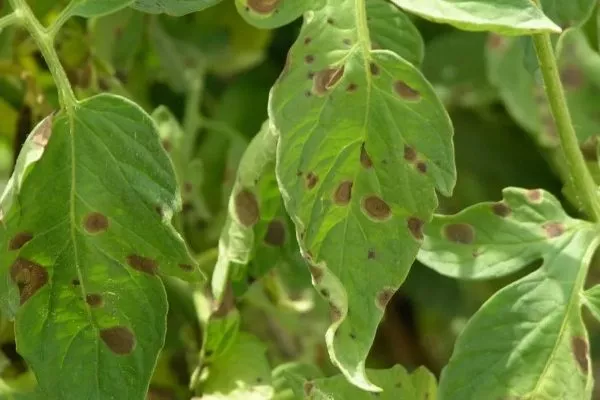
Hybrid bushes can become susceptible to disease due to poor care, which weakens their immune system, and under particularly unfavorable weather conditions. If signs of late blight appear, treat them with products containing a high copper content (Blue Bordeaux, Kuproskat, or copper sulfate).
To protect cherry tomatoes from disease, remove the affected parts of the bush when the first symptoms are detected and treat them with fungicides:
- Fitosporin-M;
- Fundazol;
- Ridomilom Gold.
Despite the hybrid's strong immunity, disease prevention shouldn't be neglected. Although it's resistant to many infections, it's impossible to completely eliminate them. To prevent this problem, spray your tomato bed with the following products:
- Bordeaux mixture;
- HOM;
- Profit;
- Maxim;
- Ordan.
The most common pest for hybrid plantings is aphids. Control them with folk remedies such as soapy water, wormwood infusion, or garlic. If an infestation occurs, treat the bed with a commercial insecticide (Engio, Ampligo, Provanto Maxi, etc.).
Pros and cons
The main disadvantages include the inability to independently collect seeds for further planting and the limited number of clusters on the plant.
Reviews
Winter Cherry is a product of domestic breeding, popular among gardeners and farmers. This cherry tomato hybrid is appreciated for its early ripening, high marketability and flavor, productive plants, and strong immunity. It is the best choice for those growing tomatoes specifically for whole-fruit canning.