
The Winter tomato is a sought-after variety, gaining popularity due to its large fruits, good productivity, and versatility. This variety is perfect for both fresh consumption and for preparing various dishes and preserves. With proper and timely care, it will reward you with generous, high-quality harvests.
Description of the bush
The Siberian Collection tomato is a determinate, general-purpose variety. The bushes grow up to 150 cm in height and have a robust structure.
Each cluster produces 3 to 4 fruits, and the main stem can develop up to 5 clusters. The plant's inflorescences are complex, beginning to form after the eighth leaf.
Main qualities of fruits
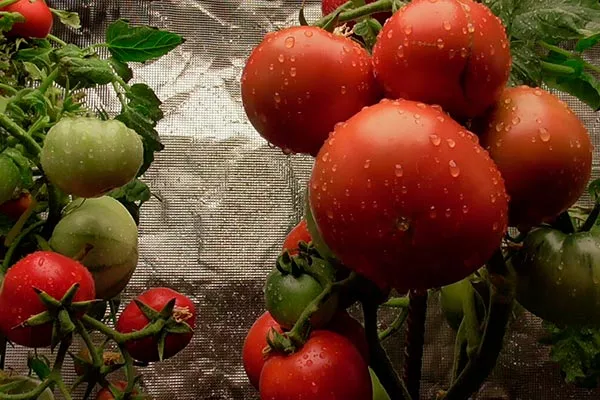
Tomatoes have a number of attractive characteristics. Each tomato weighs between 150 and 300 grams, and in some cases can reach three to four times that amount. They are bright red, with no green spot near the stem, and have a flattened, round shape.
Taste and purpose
These tomatoes have an excellent flavor thanks to their dense, meaty, sugary pulp with few seeds and low moisture content. This variety is versatile: suitable for making sauces, canning, and eating fresh.
Characteristics
Winter is a mid-season variety with a ripening period of 115-120 days. It is characterized by long and uniform fruiting, allowing for harvesting right up until the first frost.
Growing and care
To cultivate this crop, it's important to create optimal conditions and ensure proper care. When planning your agricultural practices, consider its mid-season maturity and large fruit size.
- ✓ The optimal soil temperature for transplanting seedlings should not be below +15°C, which is critical for preventing stress in plants.
- ✓ The distance between bushes should be at least 50 cm to ensure sufficient space for growth and air circulation.
Soil preparation and planting:
- In the fall, fertilize the beds with humus or compost, and in the spring, add mineral fertilizers. The soil should be loose and fertile, with a neutral pH.
- Sow seeds for seedlings 55-60 days before transplanting. Pre-soak them in a growth stimulator or potassium permanganate solution to disinfect.
- After 2-3 true leaves appear, transplant (replant) the plants into separate containers.
- Transplant when the soil warms to 15°C and the risk of frost has passed. Plant seedlings 50x50 cm apart.

With regular care, you'll be able to get a high-quality harvest. Follow standard agricultural practices:
- Water the bushes regularly, at the roots, using warm, settled water. Avoid overwatering to prevent the development of fungal diseases.
- Apply the first fertilizer two weeks after transplanting (nitrogen fertilizer or mullein infusion). During flowering and fruit set, use potassium-phosphorus fertilizers. Regularly alternate organic and mineral fertilizers.
- Train plants with 1-2 stems, removing side shoots (side shoots). For better air circulation and stability, tie the bushes to supports.
- A layer of mulch (straw, humus) helps retain moisture and prevents weed growth.
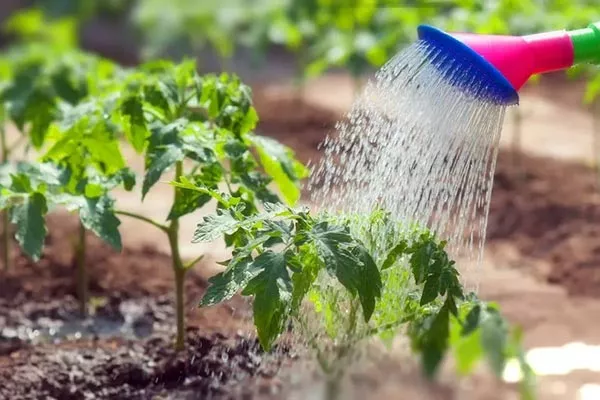
If all recommendations are followed, the Winter variety will delight you with good productivity and high-quality fruits.
Treatment and prevention of diseases and pests
The crop is characterized by high commercial value. However, to maintain plant health and obtain a good harvest, it is important to implement preventative measures and promptly combat diseases and pests.
| Method | Efficiency | Frequency of use |
|---|---|---|
| Treatment with Fitosporin | High | Every 10-14 days |
| Treatment with ash infusion | Average | Once a month |
| Treatment with copper sulfate | High | Before landing |
Common problems and how to deal with them:
| Disease/Pest | Symptoms | Prevention | Treatment |
| Late blight | Brown spots on leaves, stems and fruits. | Ventilate the greenhouse and avoid excess humidity. Apply fungicides (Fitosporin, HOM) every 10-14 days. Treat the soil before planting with a copper sulfate solution (1 tablespoon per 10 liters of water). | At the first signs, use Ridomil Gold or Quadris. |
| Gray mold | Weeping grey spots on leaves and stems. | Maintain humidity and avoid overwatering. Spray the plants with an ash infusion (200 g per 10 liters of water) or a weak solution of potassium permanganate. | Remove the affected parts of the plants and treat the plantings with Switch. |
| Powdery mildew | White powdery coating on leaves. | Maintain a moderate watering regime. Ventilate the greenhouse regularly. | Use Topaz or Skor preparations. |
| Aphid | A raid of small insects on leaves and shoots. | Plant marigolds, garlic, or calendula near your tomatoes to repel aphids. Spray the plants with a soap solution (50 g of laundry soap per 10 liters of water). | Use insecticides (Aktara, Fitoverm). |
| Spider mite | A thin web on the leaves, their yellowing and wilting. | Maintain optimal air humidity. Inspect the bushes regularly. | Treat the crop with Actellic or Kleschevit. |
| Whitefly | Small white insects on the underside of leaves, yellowing and curling of leaves. | Set sticky traps. Use biological products (Verticillin). | Use insecticides (Confidor, Iskra). |
Pros and cons
To avoid possible difficulties, it is important to study the characteristics of the variety, its advantages and disadvantages in advance.
Reviews
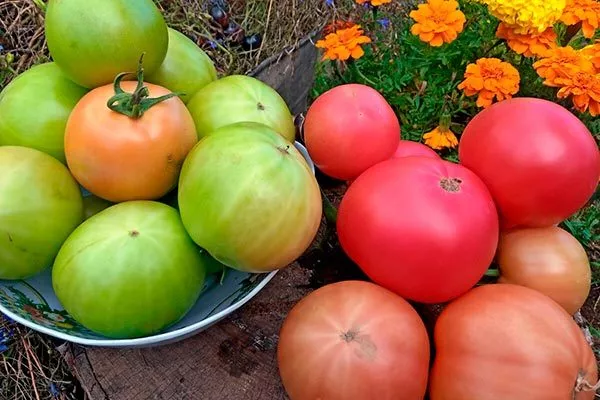
The Winter tomato variety is a unique choice for gardeners who value not only high productivity but also long-term storage. Thanks to their thick skin and resistance to mechanical damage, the tomatoes retain their freshness and flavor for many months. With proper care, they can strengthen the plant's immune system and yield bountiful harvests.