
The Gigalo tomato attracts gardeners with its unusual shape and excellent taste. The plants are compact, easy to care for, require no staking, and have a strong immune system. This variety is characterized by good productivity, excellent marketability, and resistance to adverse conditions. Proper care is the key to bountiful harvests.
History of creation and characteristics of the variety
Developed by V. I. Blochkin-Mechtalin and officially approved for use in 2021. Distinguishing characteristics:
- The determinate bush has a standard shape and a compact root system, which allows it to take up a small area in the garden bed.
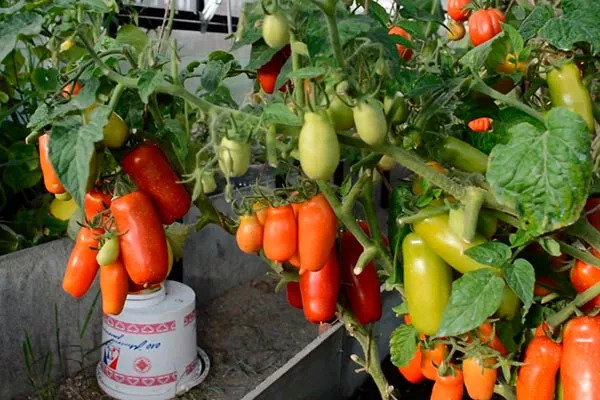
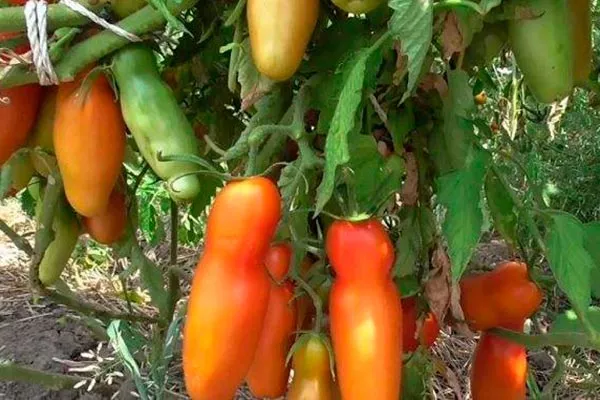
- The stem is prolific and robust, easily supporting clusters laden with tomatoes. The height of the bush reaches 50-60 cm, but under favorable conditions can reach 80 cm.
- The plant has a moderate number of dense leaves, a rich light green hue. Clusters form every 10 cm, with 5-6 flowers developing on each cluster. The first ovaries begin to form after the third leaf emerges, and subsequent clusters appear every two leaves.
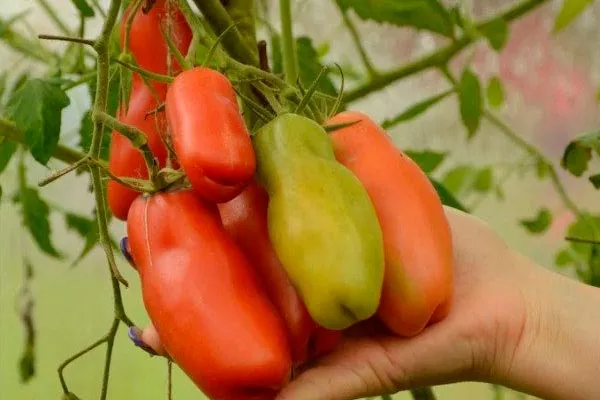
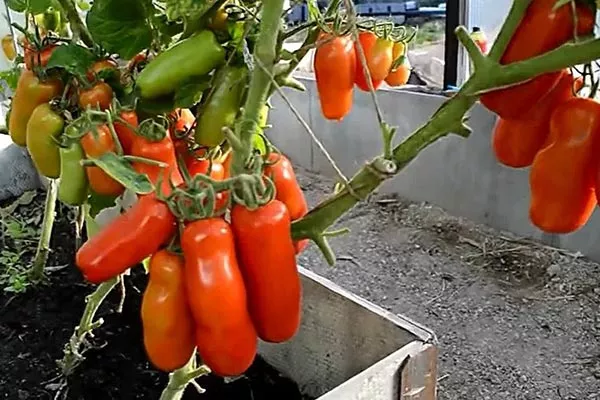
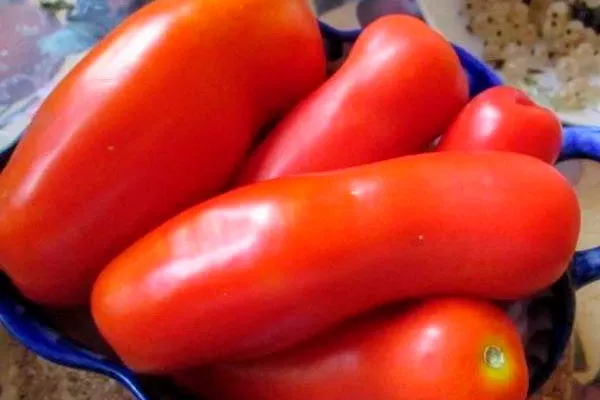
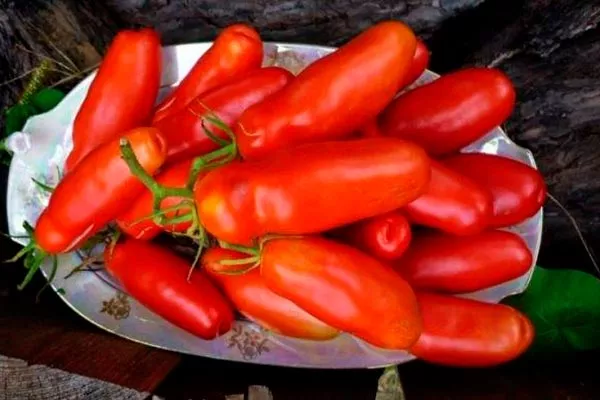
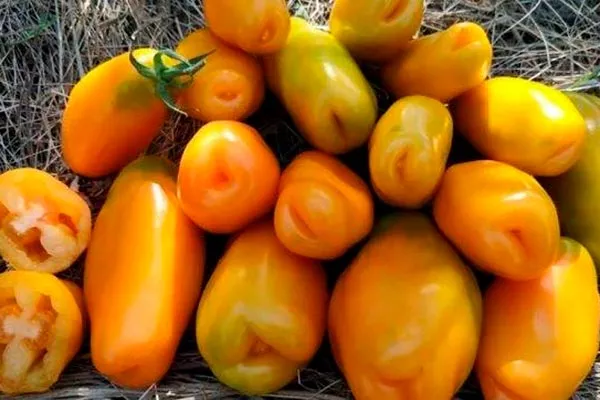
- Tomatoes are oblong, cylindrical in shape with small bulges. Their length ranges from 8-9 to 12-15 cm, their diameter is 3-4 cm, and they weigh 100-130 g. The skin is dense, red, and resistant to cracking.
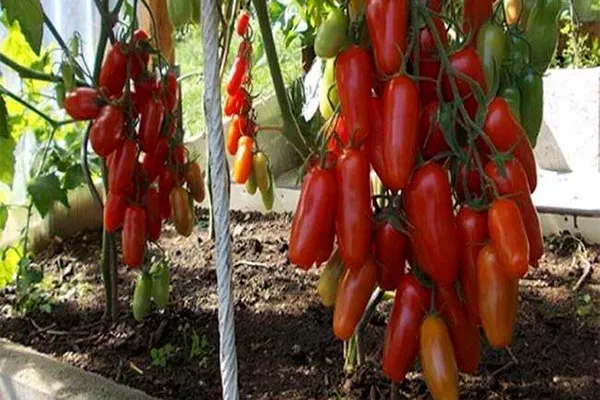
The tomato flesh is plump, with minimal seeds, not too juicy, and sometimes even slightly dry. The flavor is pleasant, with a slight sweetness and a hint of tartness.
- ✓ Resistance to short-term drought, which makes the variety suitable for regions with irregular watering.
- ✓ The ability of fruits to ripen after harvesting, which allows harvesting at technical maturity for long-term storage.
Characteristics and description of the variety
This tomato has an unusual, elongated shape, reminiscent of a bell pepper. It has an excellent flavor and is perfect for salads and winter preserves. Its low maintenance and high yield make it deservedly popular with both novice and experienced gardeners.
Taste and uses of tomatoes
These vegetables have a pleasant sweet flavor with a slight tartness. They are versatile in use: they can be eaten fresh, canned, or stuffed thanks to their elongated shape and minimal amount of pulp.
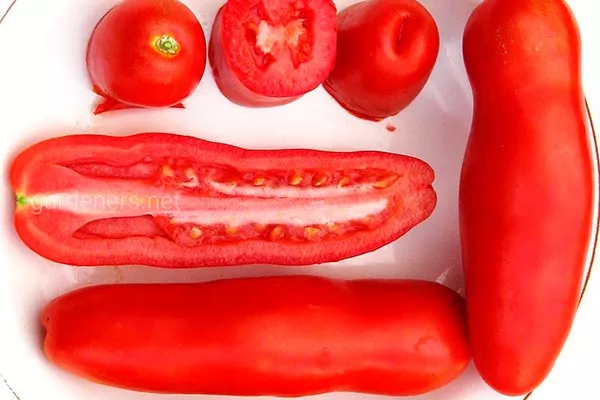
Their high dry matter content makes them ideal for making tomato paste, sauces, and juices. Sliced tomatoes are also suitable for drying and sun-drying.
Ripening, fruiting and productivity
Gigalo is a mid-season crop, with fruits ripening 95-106 days after germination. When grown in heated greenhouses, the harvest can be obtained earlier.
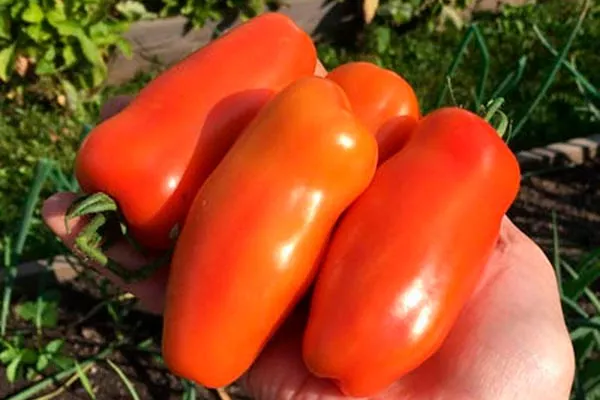
A single tomato plant yields 2-3 kg, and up to 5 kg in a greenhouse. The yield per square meter is 8-15 kg, making this variety highly productive.
Required climatic conditions and regions
The crop is successfully cultivated in various regions. In southern Russia, where summers are long and warm, the bushes grow well in open ground. In the central part of Russia, the Urals, and Siberia, greenhouse cultivation is preferable, as this protects the plants from sudden temperature fluctuations and prolongs the fruiting period.
Gigalo requires a moderately warm climate; the optimal temperature for growth and development is 22 to 26°C. During night frosts or prolonged cool weather, the bushes need to be covered.
How to grow seedlings?
It takes about two months from sowing seeds to transplanting tomatoes into the ground. For May planting, it's recommended to sow seeds in mid-March, when daylight hours increase, providing the plants with the necessary warmth and light.
Seed preparation
When choosing planting material, look for a stamp on the packaging indicating whether it has been pre-treated. If the seeds are untreated, prepare them yourself.
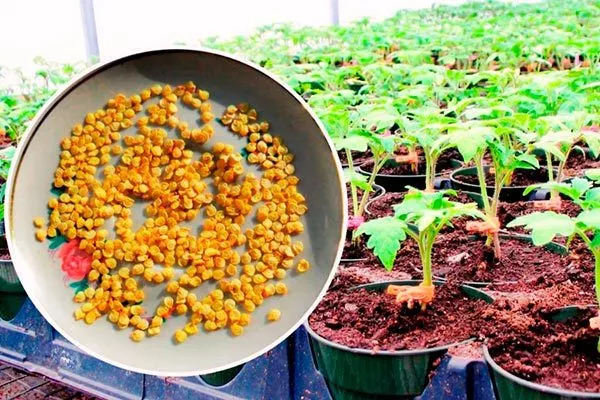
For processing, prepare a solution containing the following components:
- Fitosporin;
- aloe juice;
- potassium permanganate.
Soak the seeds in the solution for 5-8 minutes, then rinse thoroughly under running water. Dry thoroughly before planting, as planting them while wet is not recommended.
Container and soil
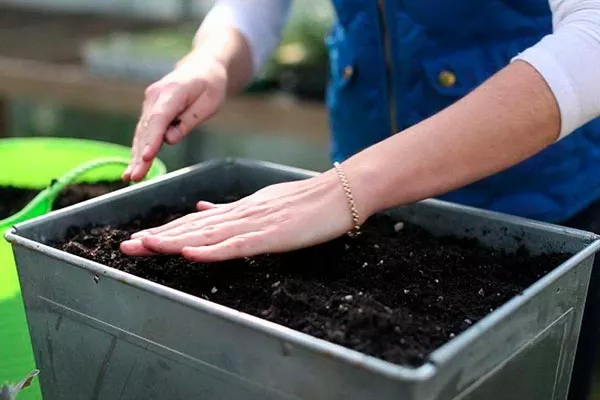
To grow tomato seedlings, you can use store-bought boxes that last a long time, or alternative containers you have at home: cut-off plastic bottles, disposable cups, clean juice or milk cartons.
Additional recommendations:
- Peat tablets are an excellent option: just moisten them, then place the seeds into the swollen substrate.
- There are special containers on the market with cells and a lid designed for seedlings.
Seedlings require loose, light soil. Use a ready-made mix with a suitable composition, or make your own: in a large container, mix two parts garden soil with one part peat and sand. Disinfect the soil by pouring boiling water over it the day before planting.
Sowing
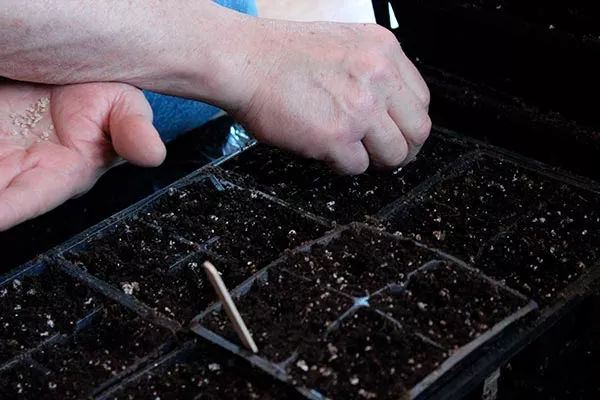
Moisten the soil and prepare holes 2 cm deep. Then follow these rules:
- Place seeds in each hole and cover them with soil or clean peat.
- Pour warm, settled water over the grains using a sieve or spray bottle to avoid washing them out.
- Cover the container with film and place it in a warm place with a temperature of at least +21°C.
Growing and caring for seedlings
When the first sprouts appear, move the containers with the seedlings to a well-lit windowsill. On cloudy days or when sunlight is insufficient, use artificial lighting, as plant development and future harvests are directly dependent on ultraviolet radiation levels.
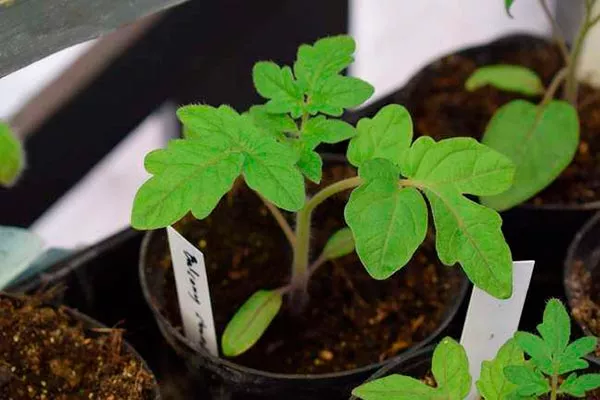
After 30-40 days, begin hardening off the seedlings. Initially, place the containers outside for 1-2 hours, gradually increasing the time spent outdoors.
Transfer
When the plants reach a height of 20 cm, move them outdoors. The planting time varies by region, but is usually no earlier than mid-May. Transplant the seedlings into the greenhouse at the beginning of the month.
Preparatory work
Seedlings tolerate spring temperature fluctuations well. However, for successful adaptation, follow a few key guidelines:
- Carry out planting work only after the soil has warmed up to the planting depth.
- The optimal temperature for seedling adaptation is about +18°C.
- Minimum planting temperatures are not lower than +15°C.
- ✓ The optimal soil temperature for planting seedlings should be no lower than +15°C, which is critical for preventing stress in plants.
- ✓ The distance between bushes when planting should be at least 40 cm to ensure sufficient ventilation and lighting.

For Gigalo, plan the beds for dense planting—up to 5 plants per square meter. In the greenhouse, stagger the holes to ensure good ventilation and light.
Transfer
The process of planting seedlings on a plot does not present any particular difficulties, but it does require compliance with certain rules.
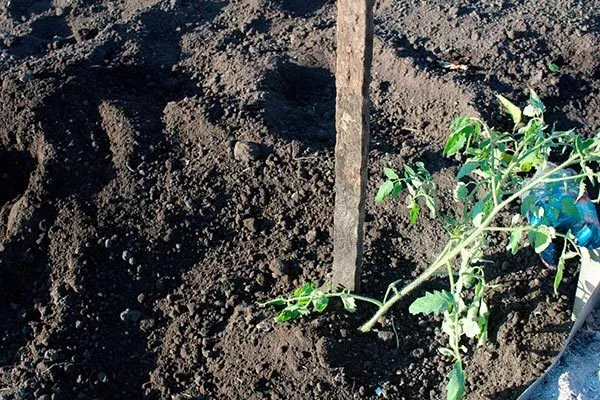
Follow the instructions:
- Fill the planting holes well with water.
- Carefully remove the seedlings from the cups and plant them in moist soil.
- Plant the plants slightly higher than they were growing in the container. Don't bury the stems too deeply—the first bunch shouldn't be on the ground.
- After planting, moisten the seedlings with warm water and mulch them. The root system develops better under a layer of sawdust or mown grass.
- During the first days, especially during high solar activity, shade the seedlings.
- The first watering and fertilizing should be carried out no earlier than 10 days after transplanting.
Following these simple rules ensures a nearly 100% survival rate. Although Gigalo seedlings are not particularly vigorous, they adapt quickly, begin to grow vigorously, and become strong bushes.
Further care
Caring for the crop is key to achieving a healthy and abundant harvest. Failure to maintain proper growing conditions and neglect can lead to stunted growth, reduced productivity, and poor fruit quality.
Watering, loosening
The plant prefers warm water. Moisten only the soil around the plant, avoiding the leaves and stems. Water established seedlings several times a week. Mature Gigalo plants require less frequent watering and can tolerate short-term drought. The optimal watering schedule is once a week.
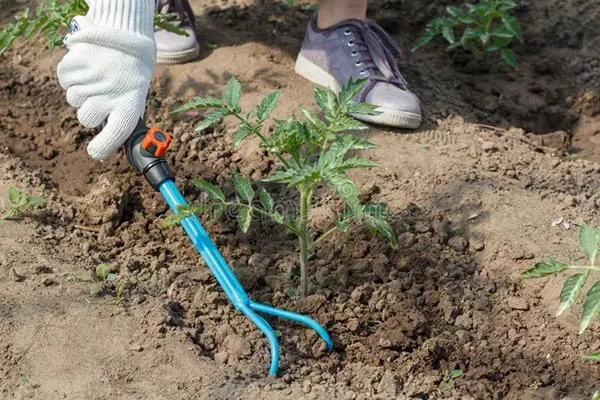
After each watering, loosen the soil to oxygenate it. Mulch the soil to make plant care easier – it retains moisture and prevents weeds from growing.
Pinching out side shoots and shaping bushes
The plants have moderate branching, and with proper structuring at the seedling stage, they won't produce extra shoots. In open ground, leave up to four stems, while in protected soil, two to three shoots are sufficient.
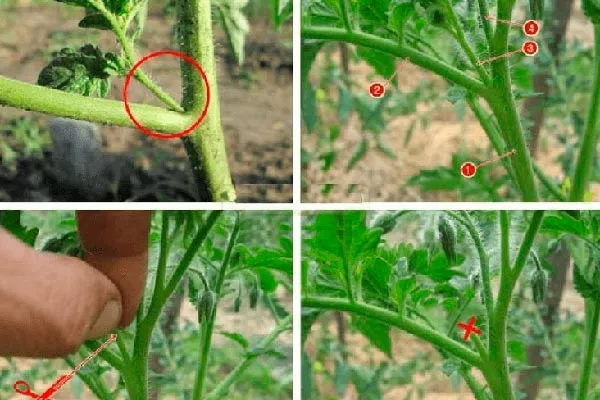
Follow these recommendations:
- This variety typically doesn't require special training, as it naturally forms a harmonious bush. However, due to the large clusters of tomatoes, which can cause the plants to lean, it's important to secure especially abundant trusses.
- Remove excess leaves from the top of the bush to improve light exposure to the fruit, which accelerates ripening and improves the quality of the harvest. Even without thinning, Gigalo remains highly productive.
In regions with high humidity or a high risk of late blight, trim the lower leaves to prevent fungal diseases. In a greenhouse, ensure good ventilation by tying the stem or heavy trusses to a support.
Top dressing
A well-prepared bed provides the bushes with nutrition during the initial stages of growth, but to obtain a high-quality harvest, additional feeding will be required throughout the season.
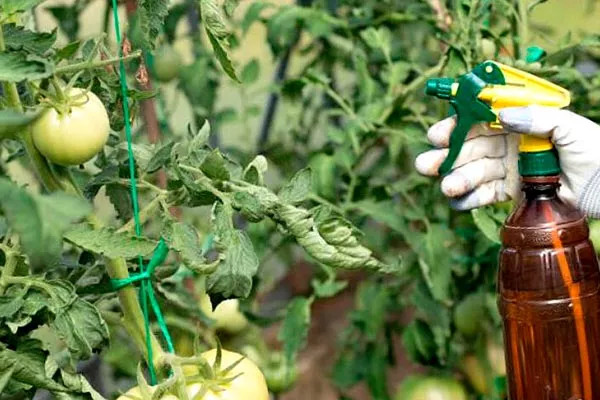
Fertilize the crop with the following substances:
- Nitrogen. This variety doesn't require enhanced nitrogen nutrition, and excess nitrogen can interfere with the absorption of other elements. Apply organic fertilizer, such as manure, in the fall, and use phosphorus-potassium fertilizers and micronutrient supplements throughout the season.
- Boric acid. During cluster formation, spray the plants with a boric acid solution (2 g per 5 liters of water). This will prevent bud drop and increase the number of ovaries.
- Potassium. To plump up your tomatoes, use potassium fertilizers. Potassium monophosphate or potassium humate are effective. Dilute them strictly according to the instructions.
- Complex fertilizers. Apply potassium-rich fertilizers during the fruiting period and mid-fruiting period. Products such as Kemira-Plus or Rastvorin offer a well-balanced formula.
- Wood ash. This is a versatile organic source of micronutrients. Use wood ash infusion to water shrubs or dust the soil around plants.
- Herbal infusions. Organic farming advocates recommend fermented herbal infusions. Alternate fertilizers, combining mineral and organic ones, to provide plants with all the necessary nutrients.
Do not use bird droppings or manure during the fruiting period, as excess nitrogen can lead to the accumulation of nitrates in the fruits.
Potential difficulties and nuances of cultivation in open ground and in a greenhouse
Growing the Zhigalo tomato variety is similar to other tomato varieties and is done using seedlings. Key points:
- The seeds are sown in special boxes in March or April, two months before the planned planting of seedlings in open ground or a greenhouse.
- Gigalo, being a low-growing plant with a sturdy stem, usually doesn't require staking. However, with a heavy harvest and strong gusts of wind, the bush may lean or fall. To prevent this, install plant supports while preparing the holes.
- In warm climates, supports are not necessary, and bushes can be laid on the ground, which helps retain soil moisture if mulched beforehand.
Fruit harvesting and storage
Harvest tomatoes from the vines as they ripen, starting with the lower trusses. Do this carefully to avoid damaging the vines.
Follow the rules:
- For long-term storage, select only healthy and fully ripe vegetables without mechanical damage or signs of disease.
- Harvest tomatoes in dry weather to avoid damage and rot.
- Store the harvest in a cool, dark place, placing the fruits in boxes or baskets in a single layer.
Check tomatoes periodically for signs of rot and remove damaged ones if necessary.
Treatment and prevention of diseases and pests
The Zhigalo tomato has moderate disease resistance. To prevent fungal infections, take the following measures:
- Spray with copper-containing preparations - HOM or Bordeaux mixture, at the beginning and middle of the season.
- After the first ovaries appear, treat the bushes with biological preparations - Fitoverm or Baktofit three times at intervals of 7-10 days.
- Solutions containing microelements (manganese, boric acid, wood ash) strengthen plant immunity and repel pests.
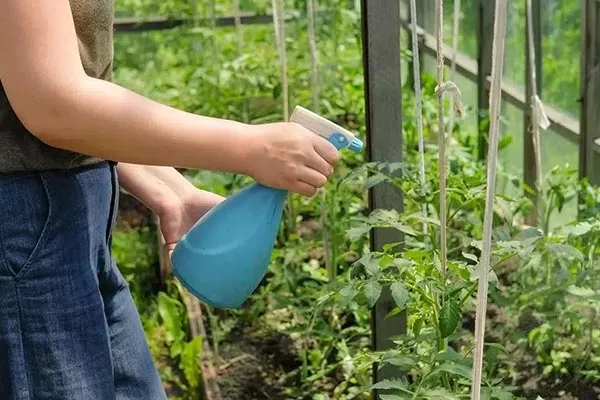
Spray ash on both leaves and under bushes for additional protection against soil pests, slugs and weevils.
Similar varieties
| Name | Bush type | Bush height (cm) | Fruit shape | Fruit weight (g) |
|---|---|---|---|---|
| Gigolo | Determinant | 50-80 | Cylindrical with bulges | 100-130 |
| Casanova | Indeterminate | up to 200 | Elongated | up to 200 |
| Auria | Indeterminate | 180-200 | Elongated with tubercles | 120-150 |
| Fun | Indeterminate | up to 200 | Bright red | 100-130 |
| Eros | Indeterminate | 180 | Orange, elongated | 150-180 |
Gigalo tomatoes are often confused with other similar varieties. Similar varieties include:
- Casanova. A mid-season variety with tall bushes up to 2 m. The tomatoes ripen 100 days after sowing. The tomatoes have an elongated shape, bright red skin, and weigh up to 200 g per fruit.
The bush is formed into two trunks; with proper care, the yield is 10-12 kg per 1 square meter. The variety is susceptible to late blight and fusarium wilt.

- Auria. An indeterminate plant, 1.8-2 m tall, matures in 105 days. The tomatoes are elongated, about 15 cm, with tubercles on the surface. They weigh between 120 and 150 g, and yield 15 kg per square meter. Proper soil pH is essential, otherwise there is a high risk of blossom-end rot.
- Fun. An indeterminate variety with a bush height of up to 2 m. Tomatoes ripen in 110 days. They weigh 100-130 g, are bright red, and produce a good yield of 13-15 kg per square meter. The plants are highly disease resistant, but can suffer from blossom-end rot due to calcium deficiency.
- Eros. The bushes reach a height of 1.8 m. This is a mid-season variety, with tomatoes ripening in 110-115 days. They are orange, elongated, and weigh 150-180 g. When trained into three-stemmed bushes, the yield is 10 kg per square meter. The crop is resistant to nightshade diseases.
By planting several varieties of tomatoes, you can significantly increase the productivity of your plot.
Pros and cons
The Zhigalo tomato is popular among both novice and experienced gardeners. This is due to its numerous advantages. Among its benefits are the following:
Among the disadvantages of this crop, vegetable growers note the lack of juiciness of tomatoes and average resistance to diseases and pests – with improper agricultural practices or unfavorable conditions, there is a risk of damage.
Reviews
Gigalo is an excellent choice for those who value low maintenance and resilience. This tomato variety is easy to grow, even in limited space. It has a pleasant flavor and is highly marketable. Proper care and preventative measures will help avoid problems with diseases and pests and ensure a stable harvest.