
The "Zharkie Ugli" variety combines many positive qualities: it's easy to maintain and has excellent flavor. The tomato plants are resistant to weather changes and diseases, producing good yields of high-quality red tomatoes suitable for whole-fruit canning and fresh eating. The crop produces fruit for a long time, providing delicious salads all summer long.
Origin and regionality
The exact originator of this unusual variety is unknown. It is presumably a Siberian selection, as the seeds are distributed by the Siberian Garden company. It is often called "Zhar-ugli."
The crop is successfully grown in various regions of Russia, especially where the climate allows for a good harvest. The variety has proven itself in the following areas:
- Central Russia;
- Siberia;
- Far East;
- Ural.
Description of the plant
This tomato grows well in various types of greenhouses and in open fields. This indeterminate variety is suitable for all purposes. Vigorous bushes can reach 150-180 cm in height, and under optimal conditions, they can reach up to 2 m.
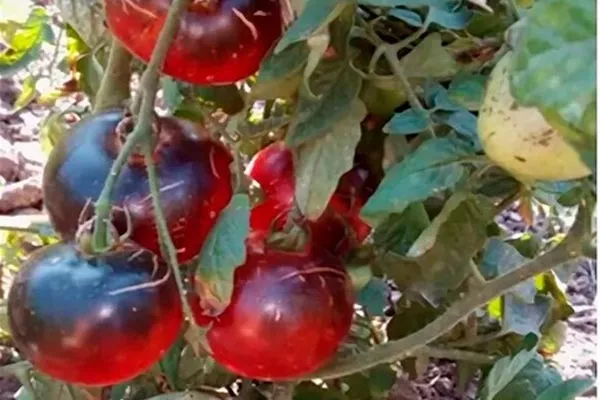
Plants require staking for support. This is especially important for greenhouse-grown plants. The leaves are green. The first flower cluster appears after the fifth leaf. Each cluster can contain 8 to 12 fruits.
Tomatoes, their taste characteristics and uses
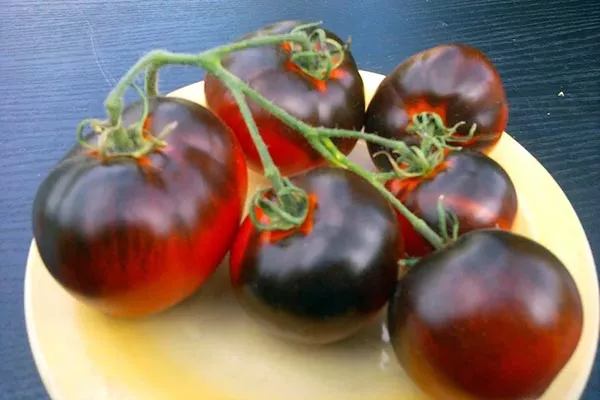
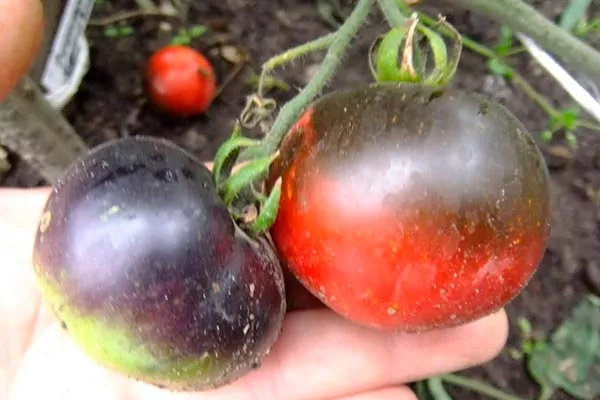
A distinctive feature of this variety is the unusual color of its fruits. Distinguishing characteristics of Hot Coals:
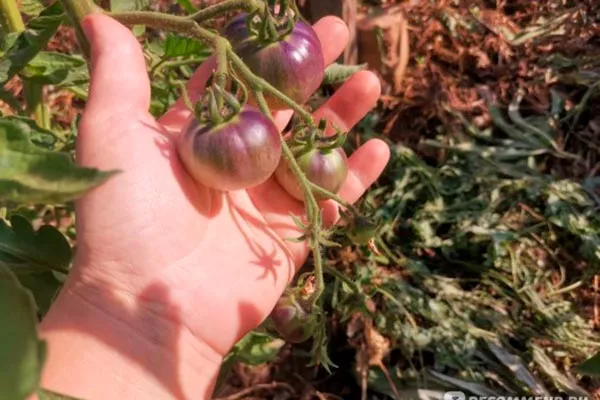
- Unripe tomatoes are light green with black shoulders. As they ripen, this color changes to red, while the tops remain dark.
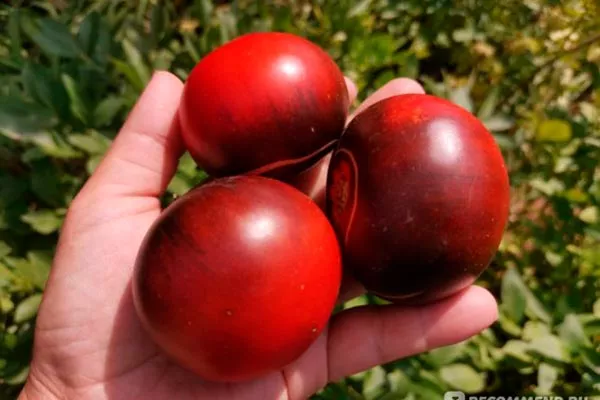
- When ripe, the fruits weigh from 60 to 100 g and have a round shape.
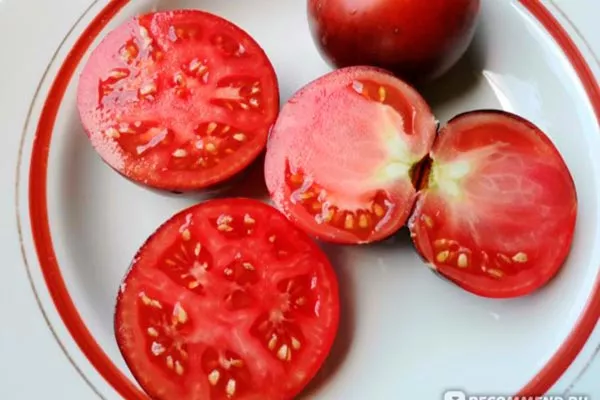
- The flesh is a rich, dark crimson color, very juicy and fleshy. The skin is smooth and even.
- The taste is harmonious and sweet with a pleasant fruity aftertaste.
Productivity, maturation
The bushes bear fruit for a long time, with ripening periods ranging from 110 to 115 days. "Zharkie Ugli" is a mid-early variety. The tomato harvest lasts from July to September.
Productivity is stable: a single plant can yield up to 3 kg, and in favorable conditions, up to 5 kg. The quantity and quality of vegetables are influenced not only by proper agricultural practices but also by climatic conditions.
Landing features
Sow seeds for seedlings 50-60 days before transplanting into the ground—in late February or early March. Before sowing, treat them with a weak solution of potassium permanganate to disinfect and soak them in a growth stimulant to improve germination.
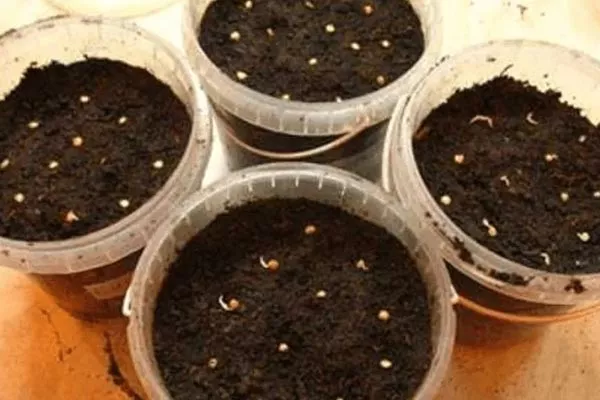
Follow the recommendations:
- Place the seeds 1-2 cm deep in containers with prepared, loose soil. For best germination, maintain an air temperature of around 25-27°C. Once the seedlings emerge, reduce the temperature to 20-22°C to prevent the seedlings from becoming elongated.
- For optimal growth, seedlings need sufficient light, so provide 12-14 hours of light per day. Use grow lights for supplemental lighting if necessary.
- Regular watering with warm water and moderate fertilizing (use complex mineral fertilizers) will help plants develop quickly and well.
- When 2-3 true leaves appear on the seedlings, transplant them into separate pots.
- Before planting in the ground, harden off the seedlings: gradually acclimate them to outdoor conditions. Take them outside for a few hours a day.
- Once the weather is consistently warm, begin planting the seedlings. Choose a sunny spot with well-drained soil. The recommended planting distance is 40-50 cm between plants and 60 cm between rows.
- ✓ Optimum soil temperature for planting seedlings: not lower than +15°C.
- ✓ Recommended soil pH level: 6.0-6.8.
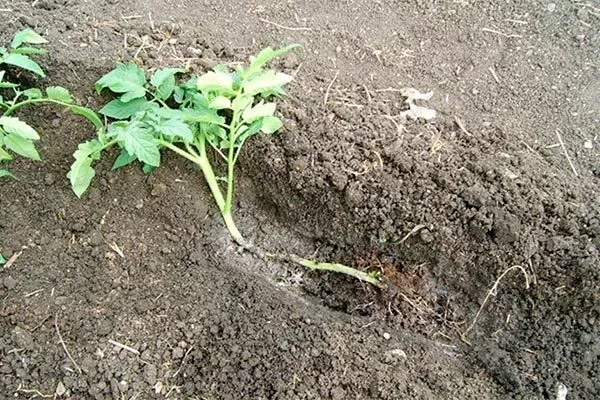
Place the seedlings in pre-prepared holes, adding organic fertilizer, such as compost. Finish by moistening with warm water. Protect the plants from direct sunlight during the first few days to reduce stress.
Subtleties of agricultural technology
Caring for Hot Coals tomato bushes involves several important aspects. Follow standard agricultural practices:
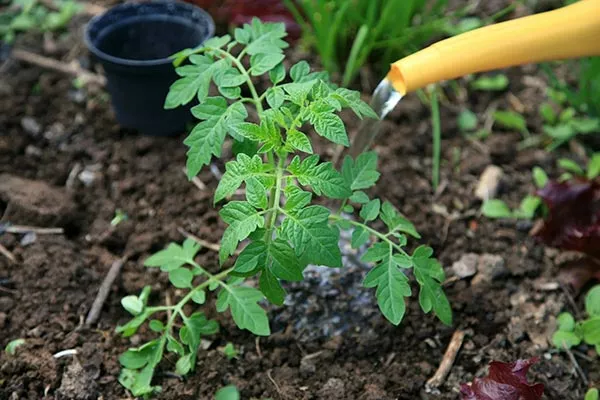
- Watering. Provide regular watering, but don't overdo it, as the plant dislikes stagnant water. Don't allow the soil to dry out either. Water the bushes at the roots to avoid water splashing on the leaves. Irrigate early in the morning or in the evening, after sunset. A drip system is ideal.

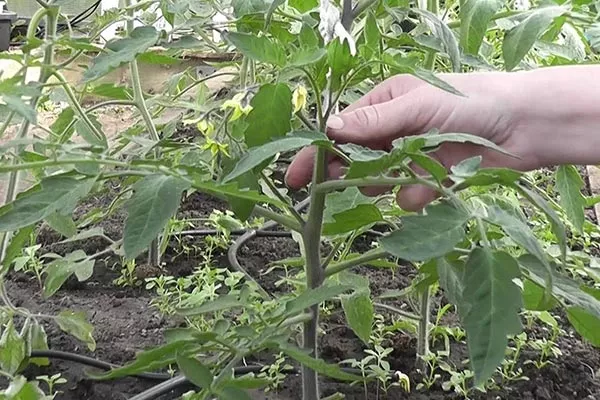
- Garter and shaping. Install tall stakes or trellises to secure the plants as they grow. Regularly remove side shoots (suckers) to allow the plants to focus on fruiting and improve air circulation, which helps prevent disease.
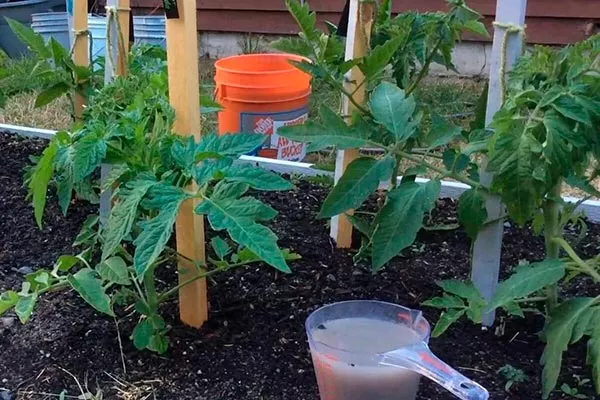
- Top dressing. During the growing season, use organic fertilizers (chicken manure infusion, ash) and mineral substances (superphosphate, potassium compounds).
Apply the first fertilizer two weeks after transplanting, then apply it as needed, 3-4 times per season. Fertilize the plants during active flowering and fruit formation.
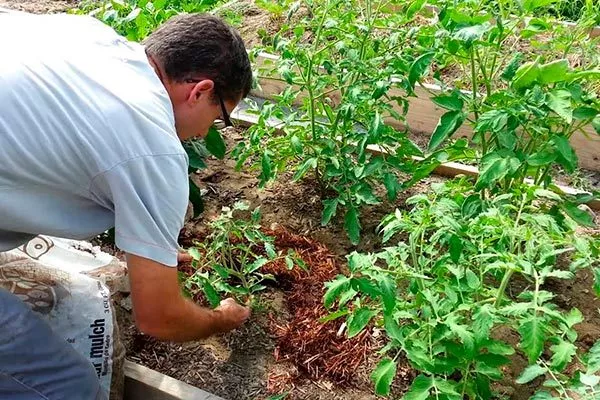
- Mulching. Helps maintain stable soil moisture, prevents weed growth, and improves soil structure. Mulch beds with straw, compost, or grass clippings.
Resistance to diseases and pests
The variety has a strong immune system and tolerates high humidity well. However, the bushes are susceptible to insect attacks:
- aphid;
- whitefly;
- tomato moth;
- codling moth, etc.
To prevent damage, spray regularly. A mild soap solution is effective.
The plant may be susceptible to fungal diseases and viral infections:
- Tobacco mosaic;
- early wilting;
- Verticillium wilt;
- leaf spot;
- fusarium, etc.
When affected by disease, bushes begin to wilt, turn yellow, and turn brown, and may eventually die. To prevent this, regularly inspect your plantings and remove weeds promptly.
Pros and cons
Before you begin planting, be sure to consider not only the crop's advantages but also its disadvantages. The "Zharkie Ugli" variety has many advantages:
Among the disadvantages, gardeners note the need for tying and shaping the bushes.
Reviews
The "Zharkie Ugli" tomato attracts even novice gardeners because it's easy to grow. It's prized for its robust bushes, resistance to external influences, and delicious tomatoes with vibrant colors and tender, juicy flesh. This variety produces a consistent harvest and excellent-quality fruit, ensuring fresh vegetables will be on your table for a long time.
A very interesting variety; I'll definitely plant it this season. Especially since you have a brief but very clear instructions on how to grow it. Thank you for that!