
The Zhara tomato is a unique hybrid variety created specifically for those who appreciate early and abundant harvests. Thanks to its excellent taste, good disease resistance, and versatility, it has become popular with both novice and experienced gardeners across the country. With proper care, it will yield generous harvests.
History of origin
This variety was created by Russian breeders in 1997 by crossing the Red Ball and Garnet varieties. It quickly gained popularity after its introduction. It was officially included in the State Register of Breeding Achievements of the Russian Federation under the name "Zhara."
Description of the plant
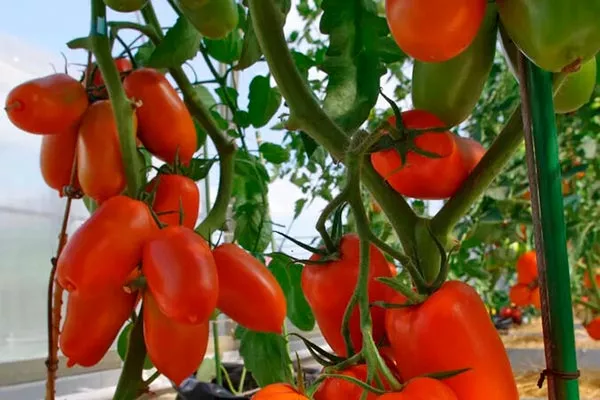
This indeterminate hybrid is suitable for both fresh consumption and whole-fruit canning. The plant has moderate foliage. The first inflorescence forms above the eighth leaf, with subsequent inflorescences appearing every two leaves.
Main qualities of fruits
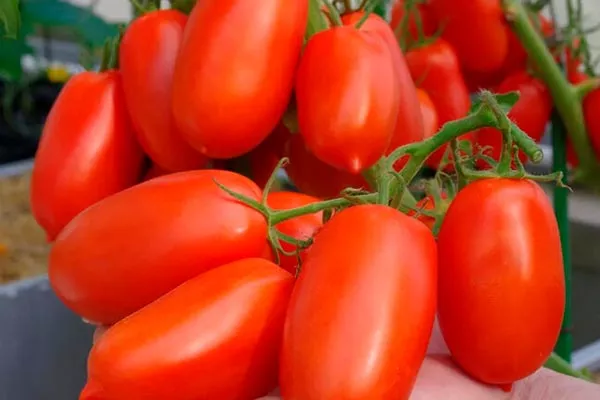
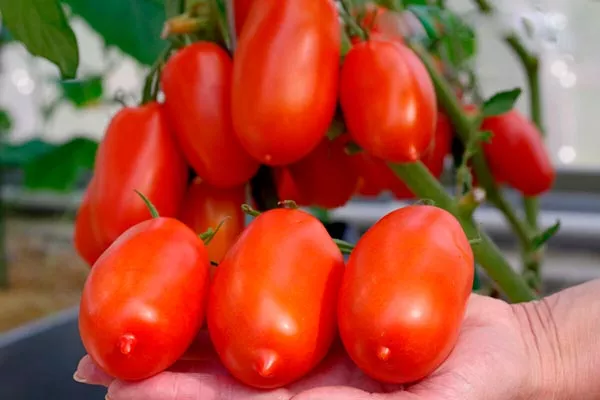
Ripe tomatoes acquire a rich, dark orange hue. They average approximately 100 g in weight. They have an elongated, cylindrical shape, with a distinctive beak at the tip. Each cluster produces 6 to 8 tomatoes.
Taste characteristics and purpose
This variety is appealing not only for its appearance but also for its excellent taste. The juicy, sweet flesh with a firm texture is free of any acidity, making it a versatile culinary variety. Its softness and juiciness make it ideal for fresh consumption.
Suitable for both home and commercial cultivation, they are used in salads, sauces, juices, and preserves. Even after cooking, they retain their unique flavor.
Ripening and fruiting
Zhara has a short maturation period—only 95-100 days from germination. This allows for the first harvest to be harvested early in the summer season.
Growing and care
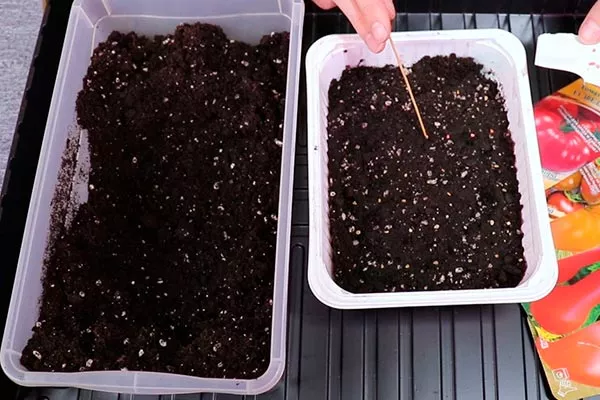
Like any variety, the Zhara hybrid is recommended for cultivation using seedlings. Before sowing, soak the seeds in a growth stimulant or a weak solution of potassium permanganate to disinfect them.
Follow the recommendations:
- Sow seeds for seedlings 55-60 days before transplanting into the ground. The optimal time for this procedure is from mid-February to early March.
- Use a light nutrient substrate consisting of garden soil, humus and peat in equal proportions.
- Plant the seeds to a depth of 1-1.5 cm, then moisten the soil and cover with film or glass to create a greenhouse effect.
- Place the seed trays in a warm location with a temperature of 22 to 25°C. Once the seedlings emerge, remove the cover and reduce the temperature to 18 to 20°C.
- At the stage of two true leaves, transplant the plants into separate containers, providing them with good lighting.
Transplanting into the ground:
- Plant the seedlings in their permanent location once the danger of frost has passed and the soil has warmed to 14–16°C. Plan for planting in late May or early June.
- Dig up the beds, add humus and wood ash.
- Choose locations with good sunlight.
- The optimal distance between bushes is 50-60 cm, between rows – 70 cm.

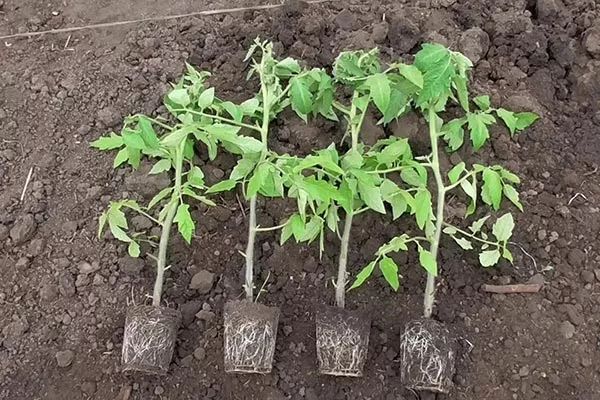
- ✓ Optimum soil temperature for transplanting seedlings: +14…+16°C.
- ✓ Distance between bushes: 50-60 cm, between rows: 70 cm.
Take care of your seedlings and provide them with proper care. Follow standard care procedures:
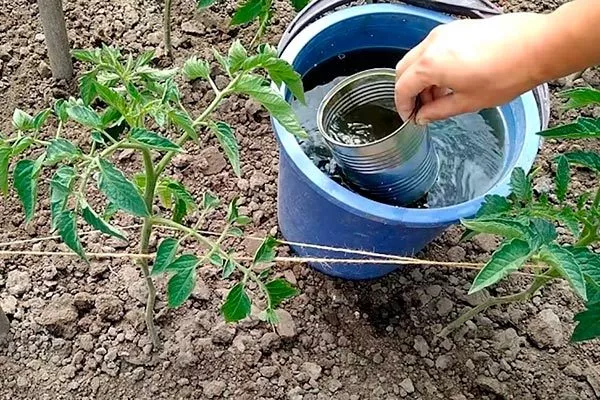
- Watering. The plant requires moderate irrigation with warm water at the roots. Water as the soil dries, avoiding overwatering.
- Top dressing. 10-14 days after replanting, apply a mullein infusion or a complex fertilizer. During flowering, use phosphorus-potassium fertilizers. During fruit formation, ash and potassium-rich fertilizers are effective.
- Formation of a bush. The hybrid requires training into 1-2 stems. Remove side shoots to ensure uniform plant development.
- Loosening and mulching. After watering, loosen the soil and remove weeds. To retain moisture and prevent overheating, mulch the soil with straw, sawdust, or peat.
Treatment and prevention of diseases and pests
The Zhara variety has a good immunity, but under unfavorable conditions or poor agricultural practices, plants can be susceptible not only to disease but also to insect attacks. It's important to begin treatment promptly:
| Disease/Pest | Symptoms | Prevention and treatment |
| Late blight | Dark spots appear on leaves, stems, and fruits. The disease spreads rapidly, especially in high humidity conditions. | Ventilate greenhouses, avoid overwatering. Spray with Fitosporin, Bordeaux mixture, and copper sulfate solution. |
| Gray mold | Vegetables, stems and leaves are affected by a grey coating, especially in damaged areas. | Regular removal of affected plant parts. Treatment with fungicides (Horus, Switch).
|
| Mosaic | Formation of light green or yellow spots on the leaves, which then become deformed. | Use healthy planting material. Remove infected plants. Spray with a weak solution of potassium permanganate. |
| Blossom-end rot of fruits | The top of the tomato darkens, the tissue becomes dry and dense. | Add calcium nitrate to the soil. Water regularly and avoid sudden fluctuations in humidity. |
| Whitefly | The presence of small white insects on the underside of the leaves, their yellowing and curling. | Using sticky traps. Treating bushes with Aktara and Fufanon. |
| Spider mite | Fine webbing on leaves, spotting, yellowing and drying out. | Spraying with a soap solution. Using acaricides (Actellic, Fitoverm). |
| Aphid | Clusters of small pests on leaves and shoots, deformation. | Spraying with garlic or tobacco infusion. Using Iskra and Biotlin. |
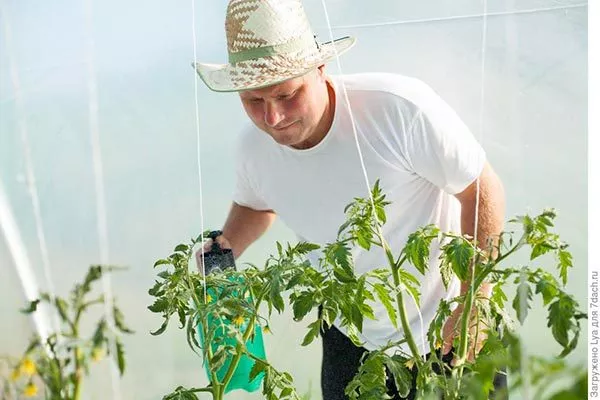
General preventive measures:
- Crop rotation: do not grow tomatoes in the same place for several years in a row.
- Regularly remove weeds that serve as breeding grounds for pests.
- Ventilate greenhouses and maintain optimal humidity.
- Treat the bushes with biological preparations (Fitosporin, Trichodermin).
- Mulch the soil to prevent moisture evaporation and limit the spread of pests.
These measures will help protect the bushes and ensure a high yield.
Reviews
The Zhara tomato variety lives up to its name – it consistently delights vegetable growers with bright, rich fruits and excellent flavor. The crop has good immunity, but to ensure bountiful harvests throughout the season, preventative treatments and agricultural practices are essential.