
The Firebird tomato is a hybrid that combines excellent flavor and attractive presentation. The tomatoes are juicy and sweet, maintaining their integrity during long-distance transportation. The crop is resilient to temperature fluctuations and drought, and has good disease resistance, making it an ideal choice for both open-field and greenhouse cultivation.
Peculiarities of origin, optimal climate
The Firebird is the result of many years of breeding work by a leading Russian agricultural holding. A. A. Mashtakov, A. Kh. Mashtakova, S. V. Dubinin, and N. A. Mashtakov participated in the hybrid's development. The variety was officially registered in 2004, after which it gained widespread recognition.
This easy-to-grow variety boasts high yields and grows successfully both in open ground and under plastic or polycarbonate covers. These characteristics make it suitable for cultivation in regions with unstable climates.
Description of the bush and fruits
A medium-sized determinate variety with a central stem up to 90 cm high. Distinguishing characteristics of the Firebird:
- Crown – voluminous, consists of strong shoots that require garters.
- Foliage - average.
- Leaf blades – elongated, with a pointed tip and a serrated edge, painted in a rich green color.
- Inflorescences – intermediate type, on a strong bush up to 5 clusters can be formed, each of which contains 5-7 fruits.
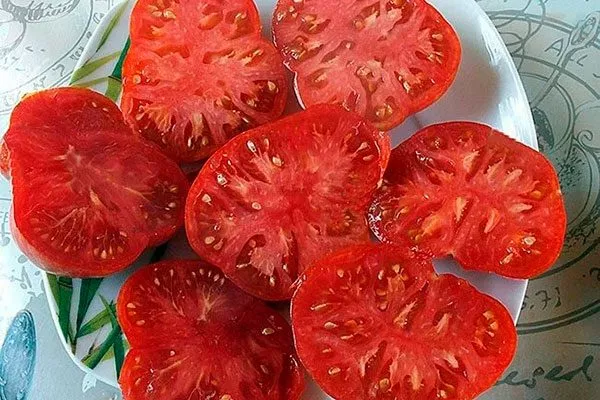
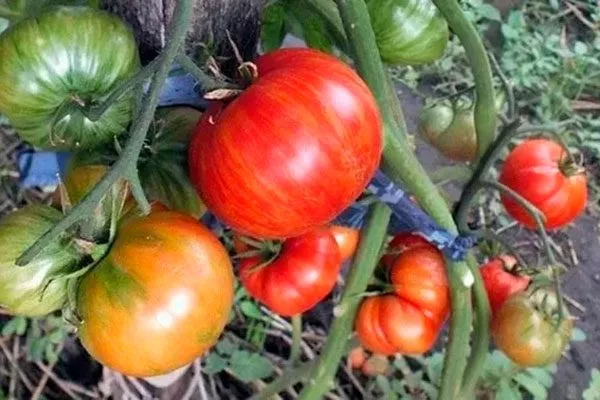
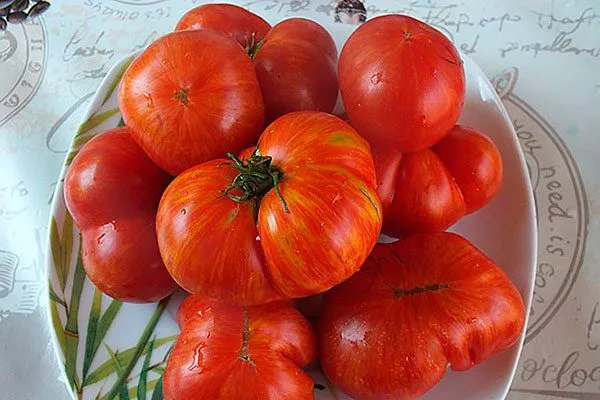
- Tomatoes - When ripe, they have a rounded, flattened shape and weigh from 130 to 150 g, and in greenhouse conditions, the weight can reach 250 g. At the stage of biological ripening, they are colored a soft green, and at technical maturity they acquire a rich orange hue.
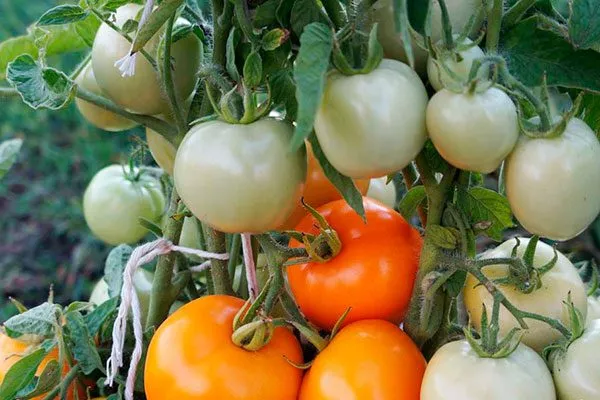
The tomatoes' skin is thick and smooth, providing reliable protection against cracking and allowing them to withstand transportation well. Inside, there are no more than two seed chambers.
Main characteristics
Hybrid varieties are becoming increasingly popular due to their numerous characteristics. The Firebird tomato is one such high-yielding and resilient variety.
Purpose and taste
This cultivar is attractive not only for its disease resistance and unique appearance, but also for its excellent taste. The juicy, sweet fruits with tender flesh are ideal for fresh consumption.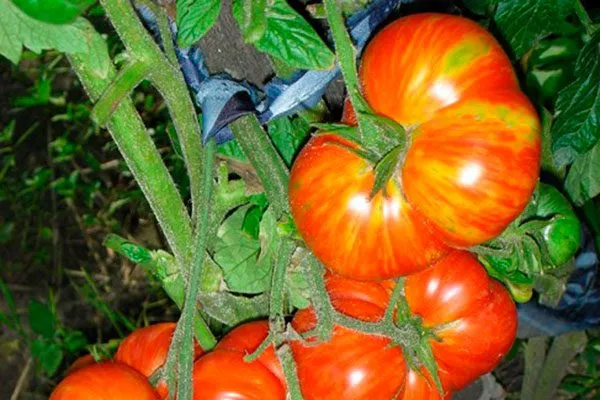
This variety is versatile in cooking – it pairs harmoniously with vegetables, herbs, and cheeses, and is used in salads, soups, sauces, and side dishes. With its rich flavor and vibrant color, these tomatoes are a unique addition to any dish and will appeal to both adults and children.
Decorative qualities of the variety
The Firebird stands out for its striking appearance. Interesting features:
- The dense green foliage combines beautifully with the vibrant fruits, which are shaped like a bird's wing, giving the variety its name.
- One of the hybrid's distinctive features is the gradual color change of its vegetables. At the initial stage of ripeness, they are bright green, then acquire an orange hue, and when fully ripe, they turn a rich red. This transition makes the bush particularly interesting and decorative.
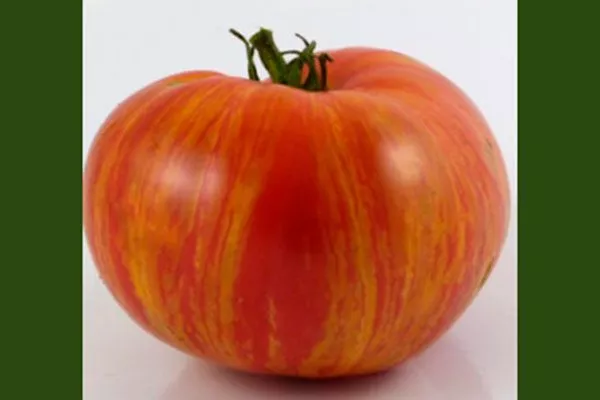
Thanks to its unusual shape and vibrant color, this plant is used to decorate gardens. The bushes appear bright and vibrant.
Productivity, ripening time, flowering
This early-ripening hybrid tomato is ready for harvest 95-105 days after germination. Despite the simultaneous formation of ovaries, the tomatoes ripen gradually, allowing for an extended harvest period.
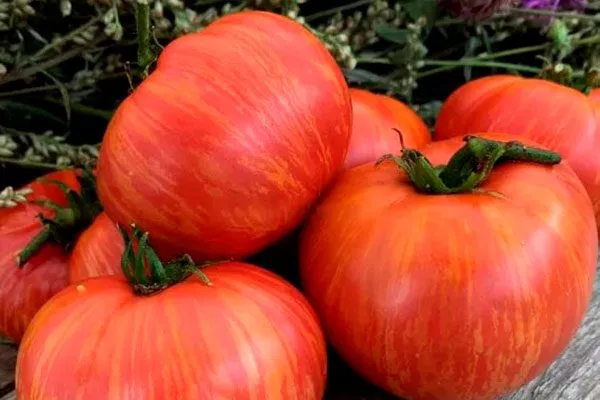
This variety is characterized by excellent productivity – up to 13.5 kg of juicy tomatoes can be harvested from one square meter. Flowering begins 45-50 days after germination and is profuse, promoting the formation of a large number of fruits.
Resistance to diseases and pests
The Firebird tomato is resistant to common diseases, including late blight, verticillium wilt, and early blight. Furthermore, it is rarely attacked by pests, making it an excellent choice even for novice vegetable growers.
- Before planting, treat the soil with a solution of potassium permanganate for disinfection.
- Two weeks after planting, carry out preventive spraying of plants with biological preparations.
- Repeat treatment every 3-4 weeks to maintain healthy plants.
Landing
Firebird is an easy-to-grow and productive hybrid that can be grown both outdoors and in greenhouses. To ensure strong and healthy plants, follow certain guidelines.
- ✓ Optimum soil temperature for planting: not lower than +15°C.
- ✓ The distance between plants should be at least 40 cm to ensure sufficient space for growth.
Selecting a location and preparing the soil
For planting seedlings, choose sunny areas protected from strong winds. The soil should be fertile, loose, and well-drained.
Please fulfill several requirements:
- In the fall, dig up the bed, add humus or compost and ash to reduce acidity.
- In the spring, before planting, loosen the soil again and fertilize it with mineral complexes rich in phosphorus and potassium.
Treat the soil against pests and diseases using preventative measures to provide plants with optimal growing conditions.
Sowing tomato seeds Firebird
Sow the seedlings in late February or early March, 50-60 days before planting. First, disinfect them in a weak solution of potassium permanganate, then soak them in a growth stimulant.
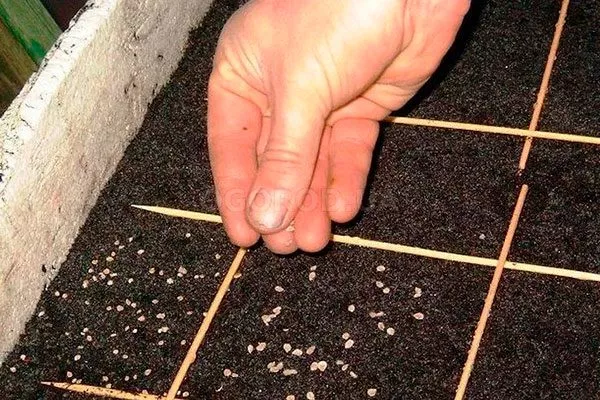
Use seed trays or individual containers for sowing: place the seeds in the soil to a depth of 1-1.5 cm, then moisten and cover with plastic wrap. The optimal temperature for germination is 22 to 25°C.
Growing seedlings
Once the seedlings have sprouted, remove the film and reduce the temperature to 18–20°C to prevent the seedlings from stretching. Water the plants moderately with warm water. When the seedlings have 2–3 true leaves, transplant them into individual 500 ml containers.
Transfer
To ensure seedlings take root quickly and produce a bountiful harvest, it's important to provide comfortable growing conditions. Follow these recommendations:
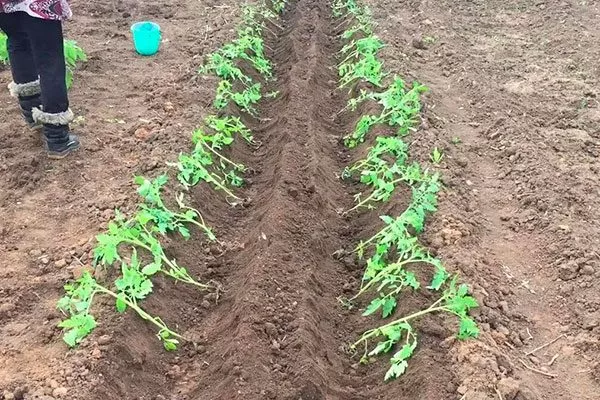
- Plant seedlings outdoors when the soil warms up to 15°C and nighttime temperatures don't drop below 10°C. This usually occurs in late May or early June. Transplant into a greenhouse 2-3 weeks earlier.
- Prepare the bed in advance: dig it over, clear away weeds, and add humus or compost. To disinfect, water the soil with a solution of potassium permanganate or Fitosporin. If the soil is acidic, add wood ash or dolomite flour.
- Firebird tomatoes require sufficient space to grow, so plant them in a 50x40 cm pattern (50 cm between rows, 40 cm between bushes).
- Carry out this procedure on a cloudy day or in the evening to avoid sunburn. Add a handful of wood ash and some compost to the holes, mixing thoroughly with the soil.
- Carefully remove the seedlings from the container along with the root ball and plant them in the prepared holes.
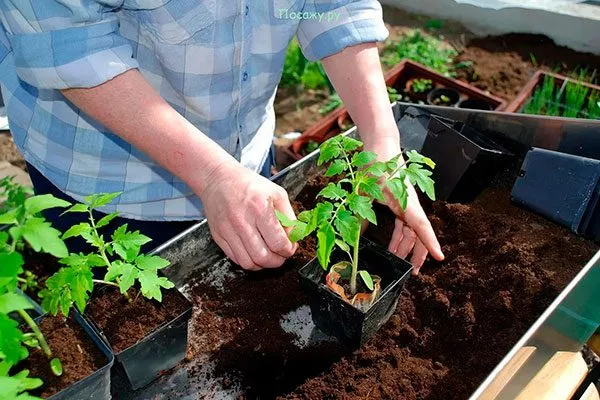
After planting, moisten the plants with warm water and mulch the soil with peat or humus.
Care
After transplanting seedlings into open ground or a greenhouse, tomatoes require regular care. This will help them adapt more quickly, gain strength, and ensure a bountiful harvest.
Perform simple agricultural practices:
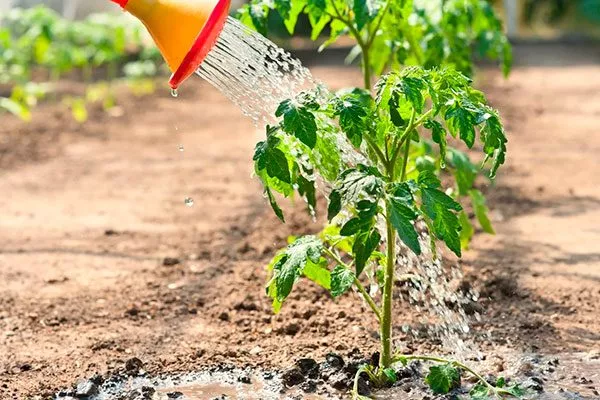
- Watering. For the first 5-7 days after transplanting, water the seedlings moderately using warm, settled water (22…25°C). Then, water them every 3-5 days, depending on the weather.
Water more frequently on hot days and less frequently during rainy periods. Apply water only at the roots, avoiding contact with the leaves to reduce the risk of fungal diseases. - Top dressing. Use folk remedies. One effective and proven way to accelerate growth is an infusion of ash (1 kg), iodine (25 ml), and boric acid (10 g), diluted in 10 liters of warm water. This remedy is excellent for stimulating plant development.
Fertilize seedlings according to the standard scheme:- at the seedling stage, when the first true leaves appear, to accelerate the growth of vegetative mass;
- when planting in the ground - add substances to the holes to improve root survival and development;
- during flowering and formation of ovaries – to enhance fruiting;
- after harvesting the first crop from the bush – to restore and maintain plant growth.
- Formation of a bush. Firebird has strong shoots, but they need to be secured. Tie them to stakes or trellises to prevent lodging and fruit rot.
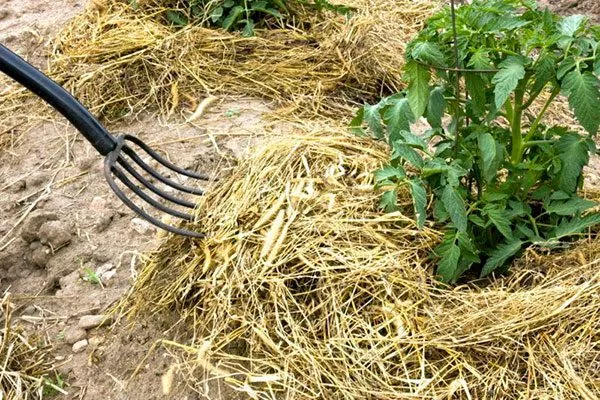
Train the bush into 2-3 stems, removing side shoots. This will direct the plant's energy toward fruiting. Trim off excess leaves at the bottom to improve ventilation. - Loosening and mulching. After each watering, loosen the soil. This will help prevent crusting and improve oxygen access to the roots. Mulch the beds with humus, straw, or grass clippings to retain moisture and prevent weed growth.
With proper care, the crop will produce a rich harvest of tasty and aromatic fruits.
Collection and storage
Harvest tomatoes as they ripen, just as they begin to turn yellow. If you're growing vegetables for sale, harvest them at the technical maturity stage, when they're not yet fully ripe. This will extend their shelf life and prevent damage during transportation.
To bear fruit To preserve their nutritional value, store them in a cool, but not cold, place (around 10-12°C). Avoid direct sunlight. Regularly sort the vegetables and remove any damaged ones.
Diseases and pests
Firebird, like other tomato varieties, is susceptible to various diseases and parasites. It's important to begin treatment promptly:
| Disease/Pest | Description | Treatment |
| Late blight | The appearance of dark spots on leaves, stems and fruits, rapid rotting of tomatoes, especially in conditions of high humidity. | Use fungicides such as Topaz or Hom, and treat with Bordeaux mixture. Regularly remove affected parts. |
| Verticillium wilt | Wilting and yellowing of the lower leaves, cessation of plant growth, brown spots on the stems. | Use biological products for prevention, such as Trichodermin. Maintain crop rotation and remove infected plants. |
| Alternaria | The appearance of light spots with a dark border on the leaves, which gradually become covered with black dots. | Spraying with copper sulfate or Bordeaux mixture, removing affected leaves and stems. |
| Aphid | The leaves curl, become deformed, and sticky marks from insect secretions appear. | Use insecticides such as Aktara or Fitoverm. Folk remedies, such as garlic tinctures, are also effective. |
| Spider mite | Yellow spots appear on the leaves, then they turn whitish, and a web forms on the bushes. | Spraying with acaricides such as Fitoverm or Actellic. Regular ventilation of greenhouses is a preventative measure. |
| Colorado beetle | Damage to leaves in the form of holes, the appearance of larvae that eat the plants. | Use insecticides, such as Confidor. Hand-collect the beetles. |
Pros and cons
Before starting cultivation with this tomato variety, carefully study its characteristics. Its key advantages include:
However, there are some agronomic considerations that should be taken into account: the need for pinching out side shoots and the mandatory securing of stems to a central support to maintain their stability.
Reviews
The Firebird tomato combines all the qualities valued by gardeners: excellent productivity, good flavor, and resistance to adverse conditions. This variety is ideal for a variety of climates, delivering a consistent, high-quality harvest. Planting this hybrid will guarantee successful vegetable growing, even for novice gardeners.