
The Zhar tomato is a variety that attracts attention with its good productivity, large fruits, and rich flavor. It is popular and sought after among both amateur and professional growers due to its versatility and disease resistance. It is important to carefully study the growing instructions and follow proper agricultural practices to ensure bountiful harvests.
History of origin
The crop's development is closely linked to Russian breeding efforts aimed at creating resilient, productive, and versatile varieties suitable for various regions. The primary goal was to develop a crop capable of withstanding the hot southern climate and the less favorable conditions of the central and northern regions.
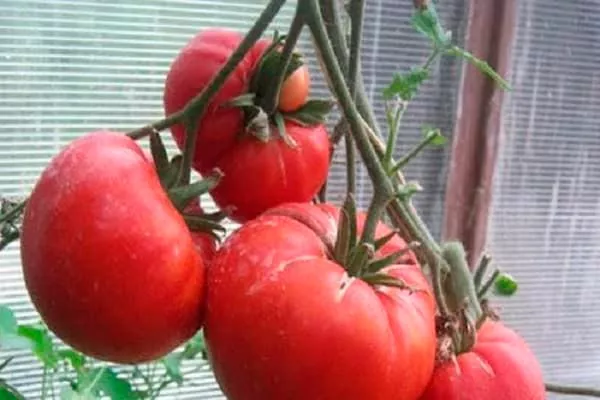
This variety is the result of painstaking crossbreeding of disease- and drought-resistant cultivars. The primary focus during development was excellent productivity, the ability to set fruit even in hot summers, and resistance to key tomato diseases, such as late blight.
Description of the plant and its characteristics
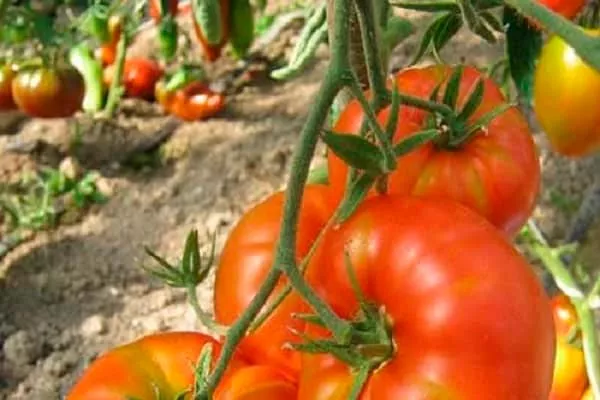
This plant is a tall, indeterminate species. The shrub can reach 2 meters in height, requiring support to support its stems. The foliage is large, smooth, and a rich, dark green.
Main characteristics of the variety:
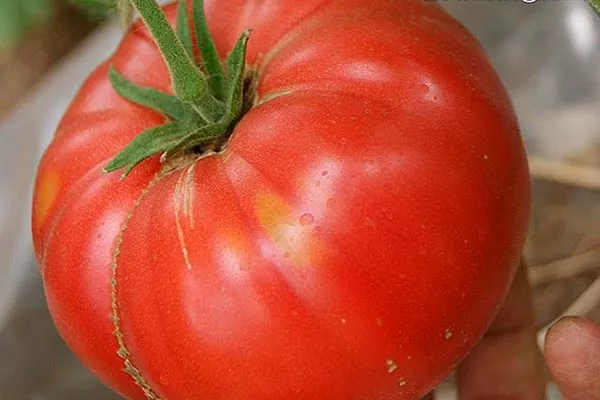
- Main qualities of fruits. These tomatoes are characterized by their large size and rich, bright red color when fully ripe. They can weigh up to 600 g. The fruit is flat-round in shape, with a slightly ribbed surface.
- Taste characteristics and purpose. This variety is known for its unique flavor: slightly sweet with a subtle tartness, making it versatile for culinary use. The fruits are juicy and richly flavored, and contain high levels of lycopene, a natural antioxidant with beneficial health benefits.
- Ripening and fruiting. Zhar is classified as a mid-early variety in terms of ripening time – from emergence to ripening it takes 115-125 days.
Landing
To get a bountiful harvest, it's important to approach the growing process correctly, from seed preparation to planting the seedlings. Let's examine each step in more detail.
- ✓ The optimal soil temperature for planting seedlings should be at least +15°C at a depth of 10 cm.
- ✓ To prevent fungal diseases, the distance between bushes should be at least 50 cm, and between rows - 70 cm.
Sowing seeds
Begin this process 55-60 days before the expected planting date. Follow these recommendations:
- Treat the seeds in a weak solution of potassium permanganate or Fitosporin to prevent diseases. Then soak them in a growth stimulant (such as Epine or Zircon) for 4-6 hours.
- Use a light and nutritious soil mixture consisting of equal parts garden soil, humus, and peat. To disinfect the soil, steam it or pour boiling water over it.
- Sow seeds in containers or boxes at a depth of 1-1.5 cm, spaced 2 cm apart. Lightly moisten the soil with a spray bottle and cover with plastic or glass to create a greenhouse effect.
Growing seedlings and conditions for this
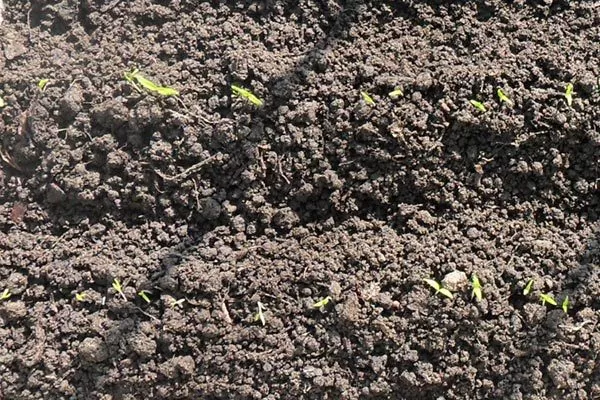
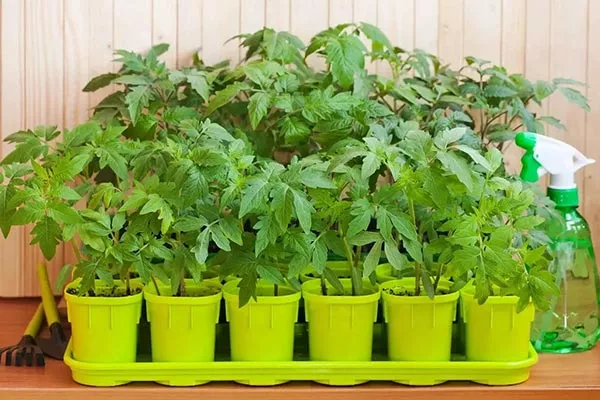
After the first shoots appear (in 5-7 days), remove the film and move the containers to a well-lit area. Create suitable conditions:
- Seedlings require at least 12-14 hours of light per day. Use phytolamps if necessary.
- Once the sprouts appear, reduce the temperature to 18°C during the day and 14-16°C at night to prevent the seedlings from stretching. After a week, increase the temperature to 20-22°C.
- Water the seedlings with moderately warm, settled water, watering the plants at the roots, avoiding over-watering.
- When the seedlings have 2-3 true leaves, transplant them into separate 0.5-1 liter pots to give the roots more space to grow.
10-14 days before planting in the ground, begin hardening off the seedlings by taking them out into the fresh air or into a greenhouse for several hours, gradually increasing the time.
Good and bad predecessors
For the Zhar tomato, it's important to follow crop rotation rules to avoid soil depletion and disease. Good precursors include:
- legumes (peas, beans);
- root vegetables (carrots, beets);
- green crops (lettuce, spinach);
- onion and garlic.
Poor pre-planting options include potatoes, peppers, eggplants, and tomatoes. These crops belong to the same family, the Solanaceae, so the soil left behind may contain pathogens that cause common diseases.
Transplanting
Choose a sunny, wind-protected location. Two weeks before planting, prepare the beds by digging them and adding humus, compost, or wood ash. Space the plants 50-60 cm apart, and 70-80 cm between rows. This arrangement allows the plants to receive sufficient light and air.
Proceed to planting in the ground:
- Plant seedlings on a cloudy day or in the evening to minimize stress. Make holes 20-25 cm deep, adding a handful of humus or compost to each. Transplant the plants with the root ball to avoid damaging the roots.
- Water the tomatoes generously with warm water.
- Mulch the soil around the plant with straw or humus to retain moisture and prevent weed growth.

Correctly completed steps will ensure strong bushes and a rich harvest of delicious, juicy tomatoes.
Caring for Tomatoes Heat
Care for your plants at all stages of their growth. This process involves a number of agricultural practices:
- Watering. The plant requires moderate but regular watering. Before flowering, water every 5-7 days. During flowering and fruit formation, increase the frequency to 2-3 times a week. Use 3-5 liters of water per plant, depending on the weather.
Water only with warm, settled water, directly under the roots, avoiding water getting on the leaves.

- Top dressing. 10-14 days after planting the seedlings in the soil, add nitrogen fertilizers (for example, an infusion of mullein or chicken manure) to stimulate the growth of green mass.
During the flowering period, complex mineral compounds containing phosphorus and potassium, such as superphosphate and potassium sulfate, are effective. This promotes fruit set. During the active development of tomatoes, fertilize with potassium-phosphorus fertilizers or wood ash to improve the taste and quality of the harvest.
2-3 weeks before the end of fruiting, apply organic fertilizers or potassium salts to extend the fruiting period. - Weeding and loosening. Remove weeds every 2-3 weeks. They draw moisture and nutrients from the soil, reducing yields. After each watering or rain, loosen the soil around the plants to a depth of 5-7 cm to prevent crusting and improve oxygen access to the roots.
- Mulching. Use straw, hay, peat, compost, or black film. Mulch retains moisture, reduces soil temperature in hot weather, prevents weed growth, and improves soil structure.
- Pinching out stepsons. Remove side shoots (suckers) that appear in the leaf axils. Begin this process 10-14 days after planting the seedlings and continue throughout the season. Leave a 1-2 cm "stump" to prevent regrowth.
- Tying up. Tall bushes require staking to prevent stem lodging, improve air circulation, and prevent disease. Use wooden or metal supports, tying the shoots with soft twine.
An alternative is trellises: stretched horizontal ropes or nets to which you tie the stems.


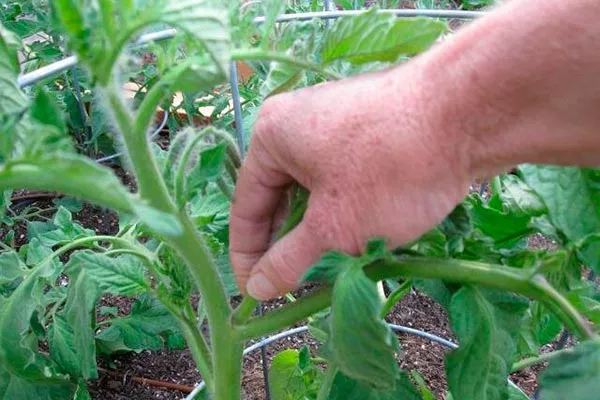
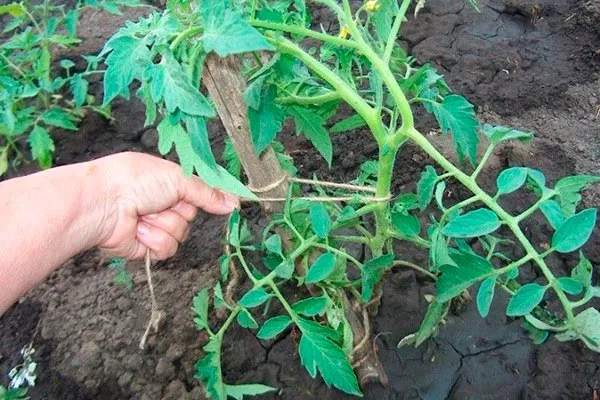
Comprehensive tomato care with Zhar not only maintains plant health but also significantly increases yield, ensuring large, juicy, and delicious tomatoes.
Treatment and prevention of diseases and pests
This crop is characterized by good disease resistance, but without proper prevention and timely treatment, even this variety can suffer from various infections and insects. Let's consider the main methods of protection and prevention:
- Late blight. Accompanied by dark spots on leaves, fruits, and stems. Use Fitosporin, Hom, or Ordan.
- Gray rot. It appears as a gray coating on foliage, stems, and tomatoes. Use Switch or spray with a baking soda solution (1 tablespoon per 10 liters of water).
- Powdery mildew. When infected, a white coating appears on all parts of the plant except for tomatoes. Topaz or garlic infusion (200 g per 10 liters of water) are effective.
- Aphid. A sticky coating forms and the leaves curl. Use a soap solution (40 g of laundry soap per 1 liter of water) or Aktara.
- Spider mite. It leaves a fine web on the leaves, causing them to turn yellow and dry out. Treat with an infusion of onion peels (200 g per 5 liters of water) or Fitoverm.
- Whitefly. White insects appear on the undersides of leaves, causing them to turn yellow. Place sticky traps and spray with Confidor.
| Method | Efficiency | Frequency of use |
|---|---|---|
| Fitosporin | High | Every 2 weeks |
| Garlic infusion | Average | Once a week |
| Laundry soap | Low | As needed |
Reviews
The Zhar tomato is an excellent choice for those who value excellent productivity and delicious flavor. This variety is suitable for both beginner and experienced gardeners. Following the planting, care, and preventative recommendations will ensure healthy growth and bountiful harvests.