
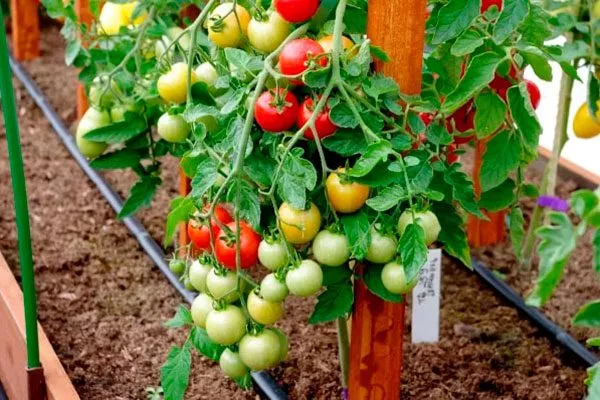
The Zemledelets (Farmer) is a cherry tomato variety. Breeders offer several variations of this cultivar: red, orange, and raspberry, which densely cover the branches. These small tomatoes are characterized by excellent flavor and incredible sweetness. They are ideal for fresh eating and winter preservation – they look especially impressive when whole.
Breeding history and recommended growing regions
The Zemledelets F1 tomato hybrid is the result of the work of Russian breeders led by V. I. Blokin-Mechtalin. O. D. Kiramov made a significant contribution to its development, introducing this unique variety to the international community in 2018.
This crop is recommended for cultivation in the central zone and regions with hot but short summers. It is suitable for the following areas:
- Northern;
- Northwestern;
- Central;
- North Caucasian;
- Middle Volga;
- Lower Volga;
- West Siberian;
- East Siberian;
- Far Eastern.
In these zones, cherry tomatoes demonstrate active growth and stable fruiting, which is a distinctive feature of determinate varieties.
The hybrid quickly gained popularity due to its excellent taste and versatility in cultivation – both in open areas and in greenhouse complexes.
Tomato Zemledelec F1: types of varieties
The hybrid is available in several varieties, each with its own distinctive characteristics. In addition to the classic red variety, there are also orange and raspberry Zemledelets varieties, distinguished by their vibrant fruit color. All varieties retain all varietal characteristics.
Cherry
This determinate variety is suitable for both open-air gardening and greenhouse cultivation under plastic cover. Distinguishing features:
- The height of mature bushes is 80-100 cm. The plants are vigorous, with an abundance of moderately long green leaves, which gives the plants an impressive appearance.
- When unripe, tomatoes are light green in color, but when fully ripe they turn deep red.
- The weight of each tomato is 20-30 g.
- The vegetables have a rounded shape with subtle ribs. They have excellent shelf life, which is especially prized by farmers.
- Tomatoes have a distinctly sweet flavor with a hint of tartness, making them very enjoyable to eat. The flesh is firm and juicy, and the thin skin melts gently when eaten fresh.
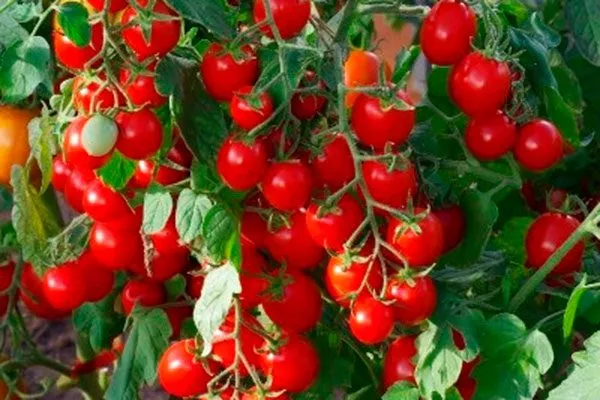
The "Zamdelets" variety is an early-ripening variety, with a ripening period of 90 to 95 days after the first shoots emerge. It is a high-yielding hybrid – 7.5-8.4 kg per square meter can be harvested outdoors, and up to 10-12 kg per square meter in protected conditions. High yields are possible if all agricultural requirements are met.
Orange
This determinate hybrid boasts good foliage and a compact height of up to 60 cm. Plants require staking and partial side-shooting. The optimal bush formation pattern is 3-5 stems, but it is possible to restrict growth to the first flower cluster, which will result in a slight delay in harvesting.
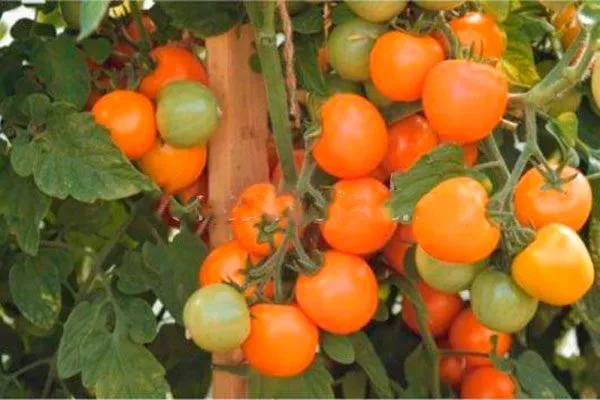
Distinguishing characteristics:
- The bushes have regular leaves, and simple inflorescences containing 7-10 ovaries. The first inflorescence appears above the 7th leaf, with subsequent inflorescences forming every two leaves.
- When ripe, tomatoes have a round shape, smooth surface and a rich orange color.
- The average weight of tomatoes is 35-45 g. They have thin skin, which can crack when overripe.
- Vegetables are ideal for canning and eating fresh.
- The fruit's flavor is balanced, with a slight sweetness and neutral notes, making them versatile in use.
The hybrid is resistant to temperature fluctuations, verticillium wilt, and fusarium. It is an early-ripening variety, with the period from germination to maturity being 85-90 days. Yields reach up to 15 kg per square meter with proper care, including regular watering and fertilizing.
Crimson
A determinate hybrid with bushes up to 70 cm tall. The plants have short, rich, dark green leaves. This cultivar has no particular botanical characteristics and is suitable for growing in a variety of climates.
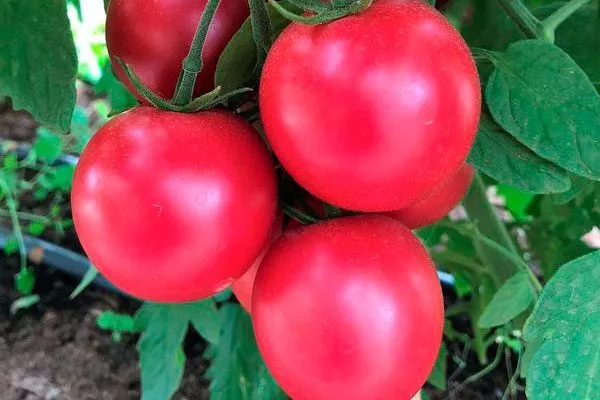
Main qualities of fruits:
- At the initial stage of growth, tomatoes are green with a characteristic dark green spot. As they ripen, they acquire a bright crimson color.
- The weight of tomatoes varies from 50 to 60 g.
- Fruits form on intermediate inflorescences, beginning with the 7th leaf and then every two leaves. Each cluster contains 6 to 8 fruits.
- The tomatoes have a rounded shape and noticeable, slight ribbing.
- These tomatoes have a distinctly sweet flavor with a hint of tartness. The flesh is dense and juicy, and the thin skin barely affects the overall flavor, making them especially enjoyable fresh.
This is an ultra-early hybrid: from germination to harvest, it takes 85-90 days. However, ripening time may vary depending on weather conditions and agricultural practices. This variety can yield up to 10 kg per square meter of planting.
Application, harvesting and storage
The harvested crop of the Raspberry Farmer F1 is distinguished by its versatility. The fruits are eaten fresh, used in salads, and summer appetizers. The tomatoes are excellent for canning whole bunches, maintaining their shape and not cracking during cooking.
Uses for small vegetables:
- Salads – Cherry tomatoes are used as a main ingredient or added to other vegetables.
- Snacks – Tomatoes are served whole or cut into halves, seasoned with olive oil, salt and herbs.
- Making sauces - Vegetables are fried or stewed to make delicious sauces for pasta or pizza.
- Side dishes - Baked tomatoes with garlic and herbs are an excellent side dish for meat or fish dishes.
Thanks to their bright color, small fruits are used to decorate various dishes.
The F1 Znamedelets cherry tomato crop typically ripens uniformly, in whole clusters, and is harvested in this condition. To extend the shelf life of harvested tomatoes, store them in the refrigerator or another cool place with a temperature no higher than 4°C.
Tomato Zemledelec: planting seedlings
The cultivar is grown using seedlings. Follow these important rules:
- Place purchased seeds in containers filled with nutrient-rich substrate. Do this two months before transplanting the seedlings to their permanent location.
- Carry out the event in mid-March, and transplant the seedlings into the greenhouse in mid-May, and into the open-air beds at the end of May.
- Caring for seedlings includes regular watering, applying nitrogen-containing fertilizers (twice) and hardening off the seedlings 1.5 weeks before transplanting.
Before transplanting seedlings, thoroughly prepare the beds by clearing them of plant debris. Add organic fertilizer to the soil and till it under. Plant no more than 5 plants per square meter of soil.
Further care of the tomato "Zemedelets"
Caring for your crop is crucial for a bountiful harvest. Regularly performing these agronomic practices promotes healthy growth and increases disease resistance.
Forming bushes, pinching out side shoots and tying up shoots
Train plants in garden beds into three stems, and in greenhouses, into two. To achieve this, leave one or two side shoots under the first cluster, from which lateral shoots develop. Regularly remove the remaining shoots, leaving no stumps.
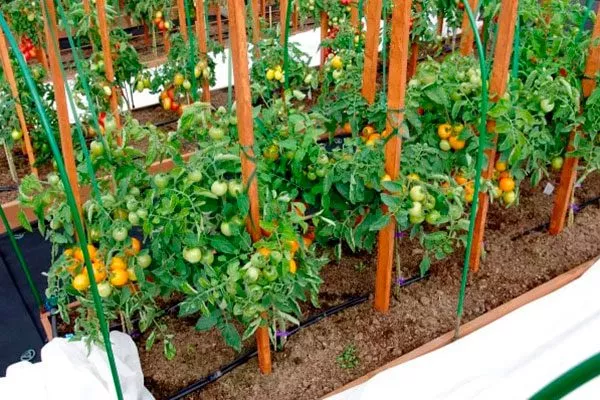
Despite their relatively short stature, the bushes require staking. Without support, the fruit clusters will touch the ground and become dirty. In greenhouses, use trellises to secure the stems, while in open beds, sturdy stakes are sufficient.
Watering and fertilizing
Water the bushes with warm, settled water in the morning, 1-2 times a week. Avoid standing water in the soil to prevent fungal diseases. When watering, avoid getting moisture on the leaves and shoots.
To ensure normal growth and fruiting, feed the crop several times per season:
- 12-14 days after transplantation Apply a urea solution to the seedlings to stimulate vegetative growth. After a week, apply an infusion of bird droppings.
- During the flowering period Apply potassium to the root zone to stimulate the development of ovaries, and repeat the potassium fertilization after the first fruits appear.
- In the active fruiting phase Superphosphate is effective.
By following this feeding schedule, the Zemledelets tomato will receive all the necessary nutrients for high-yielding growth and development.
Soil care
After watering and rain, loosen the soil around the tomato plants' roots to break up the dry crust that forms on the soil surface. At the same time, remove any weeds that may appear in the beds.
Diseases and pests
The Zemledelets hybrid is characterized by high disease resistance, especially to those affecting nightshades. The crop is virtually immune to the following common tomato diseases:
- late blight;
- bronze virus;
- Verticillium wilt;
- tobacco mosaic virus;
- Fusarium wilt.
However, to prevent the spread of infections and ensure healthy plant growth, it is important to take preventative measures:
- Practice crop rotation, disinfect the soil before planting, and remove plant debris after the season.
- Treat seeds before sowing.
- Water the bushes at the roots, loosen the soil, remove weeds and mulch the beds.
- Treat plants with biological preparations, infusions of onion peel or garlic.
- Apply fertilizers containing potassium and phosphorus, avoid excess nitrogen.
Pros and cons
Before deciding whether to grow the Zemledelets tomato, it's important to carefully study its varietal characteristics. Among its advantages are the following:
Reviews
The Zemledelec tomato combines reliability, convenience, and high productivity. Its stable yield, excellent taste, and low maintenance make it an ideal choice for both beginner and experienced gardeners. The abundance of varieties allows you to grow several varieties in your garden—orange, red, and raspberry.