
Zarya is a tomato variety with a unique coloring and large fruits. The tomatoes are round, attractive, and crack-resistant. Suitable for growing in a variety of climates, Zarya boasts long fruiting and versatility—they're great fresh and for processing.
Description of the bush and fruits
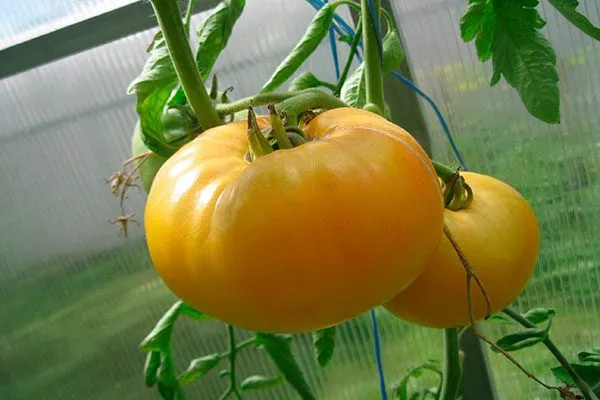
Tomato Zarya is a Ukrainian variety with an indeterminate growth pattern, meaning it can grow and bear fruit continuously throughout the season.
Distinctive features of the culture:
- plant - reaches 180-200 cm, and its green leaves protect tomatoes from the bright sun;
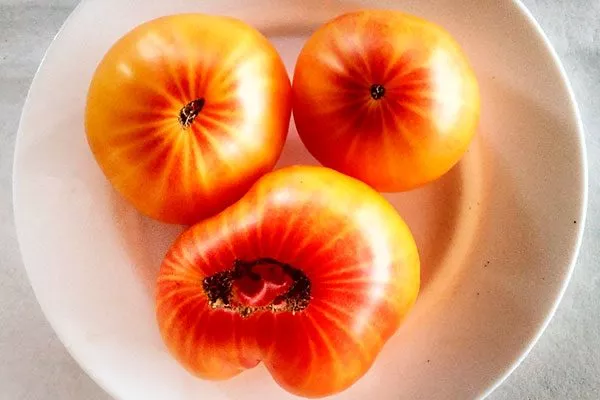
- vegetables - round, weighing from 200 to 400 g, rich yellow in color with reddish inclusions;
- taste - harmonious, without bland notes, with a fruity flavor;
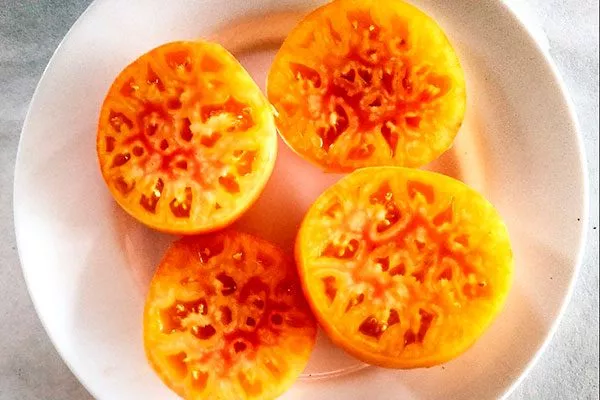
- pulp – dense and grainy, which gives it a special texture.
Main characteristics
This mid-season variety produces its first fruits 100-110 days after germination or 70-80 days after planting. It is successfully grown both in open ground and in greenhouses.
This variety adapts well to a variety of climates, but requires proper attention to maximize productivity. Regular inspection of the plants is essential to promptly identify diseases and pests.
Growing and care
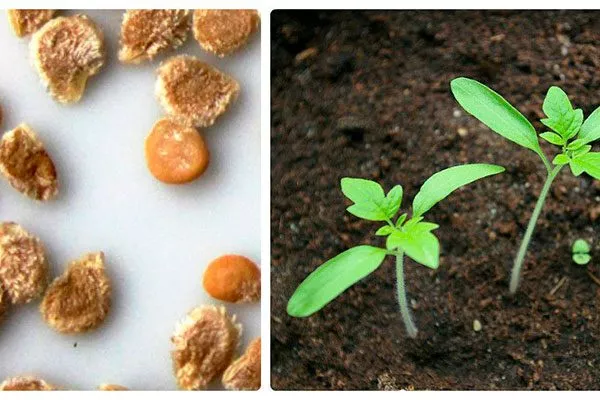
Sow seeds for seedlings 55-60 days before planting (usually from mid-March to early April). For better germination, soak the seeds in a growth stimulant (Epin, Zircon) or soak them in a potassium permanganate solution for 20 minutes to disinfect.
- ✓ Optimum soil temperature for planting seedlings: not lower than +15°C.
- ✓ The need to use phytolamps when there is insufficient natural light: at least 12-14 hours of light per day.
Helpful tips:
- For the event, use light and nutritious soil with neutral acidity (a mixture of turf soil, humus and sand in a ratio of 2:1:1).
- Plant the seeds 1-1.5 cm deep, lightly sprinkle with soil, moisten with warm water and cover with film or glass to create a greenhouse effect.
- Until seedlings appear, maintain the temperature within the range of +23…+25°C, then remove the cover and reduce the temperature to +18…+20°C.
- Seedlings require 12-14 hours of light per day; if there is insufficient light, install phytolamps.
- When 2 true leaves appear, transplant the seedlings into separate cups.
- 10-14 days before moving the plants to the site, begin taking them outside to harden them off – this will help them adapt to outdoor conditions faster.
Step-by-step instructions:
- Plant seedlings in open ground at the end of May - beginning of June, when the soil warms up to +15°C, in a greenhouse - 2 weeks earlier.
- Choose a sunny, wind-protected location. Good predecessors include cabbage, carrots, and legumes.
- In the fall, fertilize the bed with humus and ash. In the spring, dig it over and add superphosphate (30 g per 1 sq. m). Planting pattern: 50 x 40 cm. Place no more than 4-5 plants per 1 sq. m.
- Moisten the seedlings with warm, settled water at the roots, avoiding contact with the leaves. Mulch the soil with straw or peat to retain moisture.
- After planting, feed the plants with nitrogen fertilizers after 10-14 days for rapid rooting.
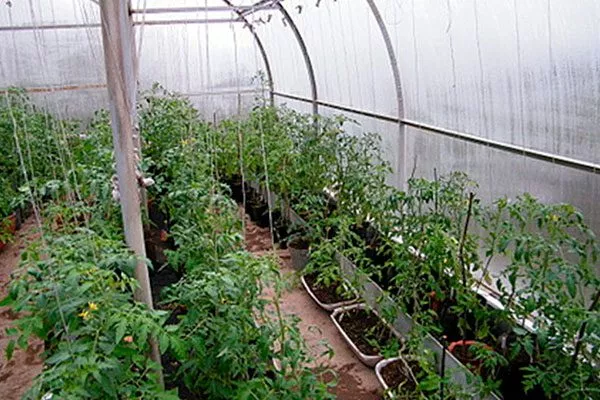
To get a good tomato harvest, ensure proper care at all stages of growth. Follow standard agricultural practices:
- Watering. Water tomatoes with warm, settled water (22…25°C). Water every 5-7 days before flowering, and every 3-4 days after flowering. Apply 2-3 liters of water at the roots for young plants and 5 liters for mature plants. Avoid getting water on the leaves to prevent disease.
- Loosening and mulching. Loosen the soil after each watering to improve oxygen access to the roots. Cover the beds with straw, peat moss, or compost to retain moisture and prevent weed growth.
- Top dressing. 10-14 days after planting, apply a mullein solution (1:10) or a complex fertilizer. At the beginning of flowering, add phosphorus and potassium fertilizers (e.g., superphosphate, ash). During fruit set, potassium mixtures are effective for improving the taste and quality of tomatoes.
- Structuring the bush. Remove side shoots (stepchildren) – the plant will focus its energy on forming tomatoes. Tie the stems to supports or trellises to keep the fruit off the ground.
- Protection from diseases and pests. To prevent late blight, treat bushes with Bordeaux mixture or an iodine mixture (10 drops per 10 liters of water). For insects (aphids, Colorado potato beetles), use garlic or onion infusions, soap solutions, or insecticides for large infestations. In the greenhouse, regularly ventilate the crop to avoid excess humidity.
| Type of feeding | Periodicity | Efficiency |
|---|---|---|
| Mullein (1:10) | 10-14 days after planting | High |
| Superphosphate | At the beginning of flowering | Average |
| Ash | During the period of fruit setting | High |
Pros and cons
Before growing tomatoes, it's important to carefully consider the crop's advantages and disadvantages. The Zarya variety has many advantages:
Among the negative qualities of this variety, some vegetable growers note its sensitivity to lack of moisture, its demand for soil fertility and fertilizers, and its tendency to be affected by late blight without preventative treatments.
Reviews
Zarya is a highly productive variety that combines excellent flavor and good shelf life. It's suitable for both greenhouse and open-field cultivation, but requires careful cultivation. Thanks to its dense structure, the tomatoes retain their shape during transportation. This makes it an ideal choice for both experienced gardeners and beginners.