
The "Riddle of Nature" tomato is an excellent choice for an early harvest. It boasts many unique characteristics that will appeal to both experienced gardeners and beginners. With proper care and simple gardening techniques, you'll enjoy juicy tomatoes all season long.
History of appearance
Bicolor "Zagadka Prirody" is the result of the work of Novosibirsk breeders specializing in developing varieties suitable for cultivation in various regions of Russia. The creators of this yellow-pink peach-type tomato are Olga Postnikova and Vladimir Dederko.
The crop was developed in the late 20th century and successfully tested in Siberian climate conditions. In 2008, it was included in the State Register.
Description of the tomato variety Riddle of Nature F1
It's a varietal variety. This means there's no need to purchase planting material every year—you can collect and use the seeds yourself.
Features of the bush and the main qualities of the fruits
Plants reach a height of up to 2 m, requiring support. Stems are erect, with moderate foliage. Leaves are regular in shape, medium in size, and rich green.
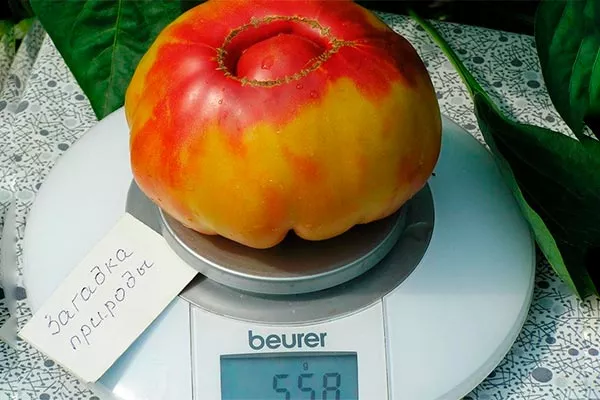
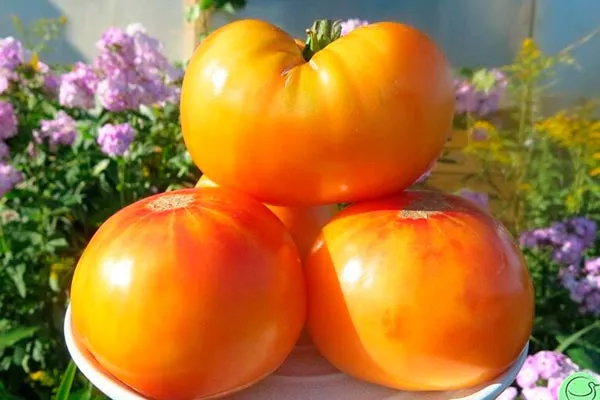
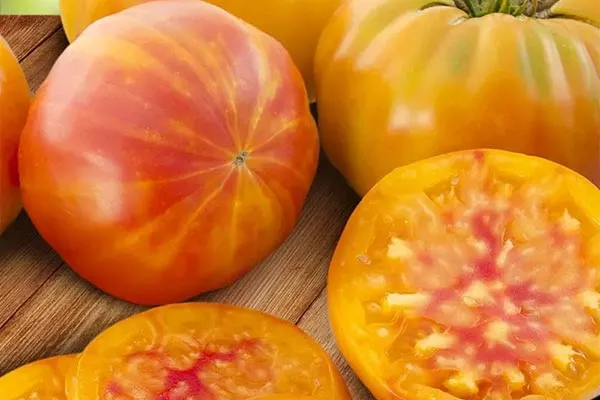
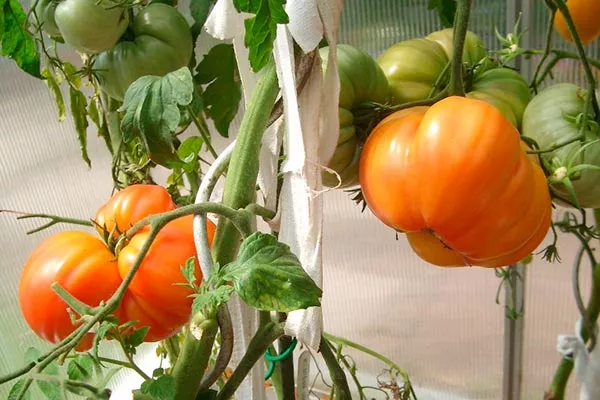
Unripe green tomatoes turn pinkish-yellow, with both colors harmoniously blending to create vibrant splashes on the fruit. The fruit is ribbed, round, and flattened, and the inflorescences are simple.
The harvest is characterized by a large size: the average weight is 259 g, but some specimens can reach 500 g and even 700 g. Such figures can only be achieved by observing all agricultural conditions.
Characteristics of tomatoes
Tomatoes of this variety are successfully grown both in greenhouses and open ground. These plants tolerate short-term drops in daily temperature well: shoot growth does not slow down, and the vegetables continue to fill out and ripen.
Peculiarities:
- Taste properties. This variety is characterized by an excellent sweet flavor and excellent culinary qualities. The flesh is very juicy, and when eaten fresh, it has a pleasant tartness. The skin is thin and practically invisible when eaten.
- Ripening and fruiting. It takes about 109 days from germination to harvesting the first ripe tomatoes. This variety is considered mid-season.
- Tomato yield is a mystery of nature. To increase productivity, experienced gardeners train the bushes into two stems. Adherence to all agricultural practices guarantees good yields—approximately 16 kg of tomatoes can be harvested per square meter.
Resistance to diseases and pests
The Zagadka Pridryda variety of bushes lacks robust immunity and is susceptible to diseases common to all members of the Solanaceae family. Common ailments include blossom-end rot, late blight, and tobacco mosaic.
How is it used?
Bicolor cucumbers with thin skin and large fruits are not suitable for canning or pickling. They are typically used in salads, vegetable platters, sauces, and lecho (a type of lecho made from their juice).
Due to the low content of purine acids, tomatoes of this variety are often included in the diet of people on a diet.
Features of agricultural technology
Store-bought seeds don't require disinfection. However, if you collected the seeds yourself, they should be disinfected before planting to kill pathogenic bacteria. Soaking the seeds in Fitosporin, potassium permanganate solution, or Bordeaux mixture will help boost the immunity of future seedlings.
Seed preparation
Before purchasing, it's important to check the expiration date of the seeds. To ensure the quality of the seeds, soak them in salted water. Any that float to the surface are unsuitable for planting, and rinse and use any that sink to the bottom.
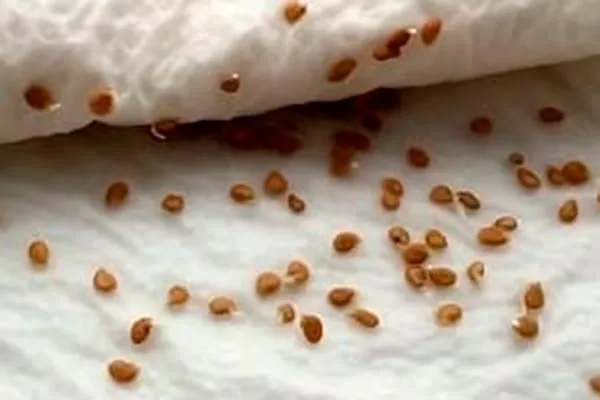
Due to the low immunity of the seeds in industrial settings, they are often processed—manufacturers indicate this on the packaging. Often, the color of the seed material—orange or light green—is a sign of preparation.
If you collected the seeds yourself, be sure to soak them in a potassium permanganate solution (30 minutes) or hydrogen peroxide (15 minutes), then rinse thoroughly. Additionally, to speed up germination and increase resistance to temperature fluctuations, soak the seeds in a growth stimulant:
- Epin;
- Sodium humate;
- honey water;
- soda solution.
To process, moisten gauze with the selected solution, wrap the seeds in it, place in a saucer, cover with film and leave in a warm place.
Selecting containers and soil
For traditional seed growing, use large containers. Follow these recommendations:
- Once the seedlings emerge, transplant them into individual containers. Peat pots are popular—they're very convenient for growing tomatoes, as you don't have to remove the plants from them when transplanting them to their permanent location.
- First, thoroughly treat the planting containers by soaking them for 30 minutes in a strong solution of potassium permanganate.
- For seedlings, use light, nutritious soil. Experienced gardeners recommend using soil from a greenhouse, which helps the seedlings adapt more quickly after transplanting.
Prepare the soil by mixing equal parts garden soil, compost, and peat moss. If the soil is highly acidic, add ash (200 g per bucket of mixture). To disinfect the soil, water it with a strong solution of potassium permanganate or bake it in the oven.
Planting seeds for seedlings
Fill the seed container with soil, leaving about 3 cm of space above the top. Moisten the soil generously with warm, settled water. Place the seeds in rows, leaving 2 cm between them and 3 cm between furrows.
Sprinkle the top of the planting material with a layer of soil about 1 cm thick. Cover the container with film and place it in a warm place with a temperature of at least +23°C.
- ✓ Optimum soil temperature for seed germination: +23°C to +25°C.
- ✓ Required air humidity for seedlings: 60-70%.
Caring for seedlings
To grow strong and healthy seedlings that can quickly adapt after transplanting, it's necessary to follow certain care guidelines. Provide the seedlings with suitable conditions:
- Lighting. Before seedlings emerge, the plants don't need light. Afterward, move the containers with the seedlings to a well-lit area. In the spring, if sunlight is insufficient, use fluorescent lamps for additional lighting.
Once the first seedlings appear, don't remove the film immediately; leave it on for a week. Then dismantle the temporary greenhouse. - Watering. Water the seedlings carefully, avoiding moisture from reaching the above-ground portions of the plants. Water only with warm, settled water.
- Top dressing. Fertilize seedlings three times: 14 days after transplanting, two weeks after the first feeding, and three days before transplanting. Use complex fertilizers, growth stimulants, and vermicompost.
Apply half the recommended dose per plant. For the final feeding, use a fertilizer containing phosphorus.
Picking and landing in open ground
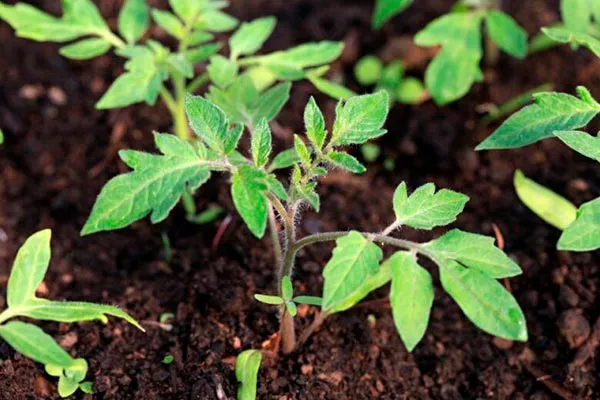
Pricking out tomato seedlings after the first two true leaves appear, transplanting the plants into individual containers. Move the plants along with the root ball to avoid damaging the root system. Moisten the transplanted seedlings with warm water and place them in a well-lit location.
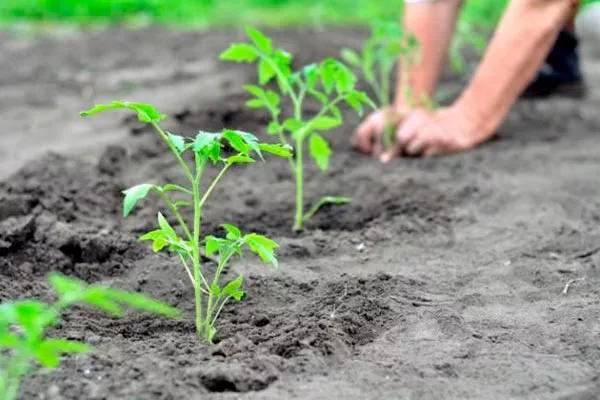
Transplant the seedlings to their permanent location when the temperature stabilizes at 15°C. If planting outdoors, plan for early June. Space the seedlings at a rate of 3 seedlings per square meter, planting them deep enough to the first leaves to establish a strong root system, and immediately install supports for staking.
Planting in a greenhouse
Plant "Riddle of Nature" tomato seedlings in a greenhouse in early May, when temperatures remain above 15°C. The planting pattern is the same as for open ground.
When growing tall varieties, plan ahead for securing shoots and fruit clusters to supports. Choose your securing methods individually, based on the materials available. For tying, use:
- vertical wooden supports;
- stakes;
- metal racks;
- horizontal crossbars with fixing material.
Watering, loosening
During the initial growth stage, water the seedlings 2-3 times a week. During budding and fruit set, increase watering to once every two days. Water in the morning or evening, using warm, settled water applied to the roots.
To prevent soil crusting, loosen the soil after each watering. At the same time, remove weeds, which deprive the tomatoes of nutrients. Hill the plants several times during the season.
Pinching out side shoots and shaping the bush
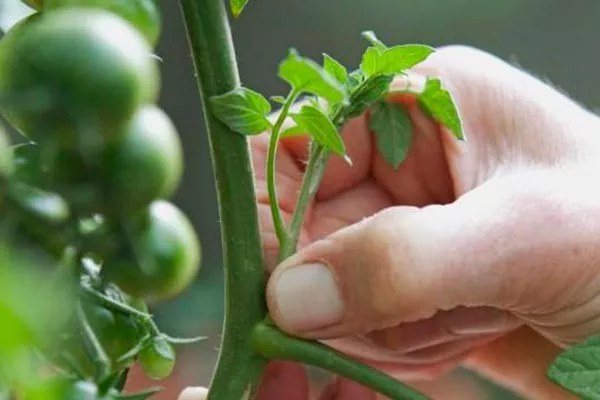
This procedure involves removing side shoots to direct their nutrition toward fruit formation. Pinch off side shoots regularly, leaving a 1-2 cm stump to prevent new shoots from appearing.
- ✓ Tendency to fruit cracking due to uneven watering.
- ✓ It is necessary to form a bush with two stems to achieve the maximum fruit size.
For the Zagadka variety, it's best to grow the bush with two stems. Otherwise, the fruits won't reach large sizes and will weigh no more than 100 g. Tie the plants to a support as they grow, and install stakes under the heavy clusters of ripening fruits.
Top dressing
Fertilize the seedlings 15-20 days after planting them outdoors, when they have time to take root and begin growing. Use a solution of 1 kg of manure (pig, horse, or cow), 0.5 kg of chicken manure, and 10 g of ammonium nitrate per 10 liters of water.
Fertilize the bushes after pre-watering, and increase the amount and frequency during heavy rainfall. During colder weather, foliar application of boric acid is effective: dilute 0.5 g of the product in 1 liter of water and spray the buds.
Pest and disease control
The Riddle of Nature variety is characterized by good immunity, but can sometimes be susceptible to various diseases and insects:
| Disease/Pest | Signs | Methods of control |
| Late blight | Brown spots on leaves, stems and fruits, the appearance of a white coating at high humidity. | Removal of affected parts of the plant, treatment with fungicides (Fitosporin, Hom), preventive ventilation. |
| Gray mold | Wet grey-brown spots on leaves and stems, softening of bush tissue. | Elimination of damaged areas, spraying with preparations (Trichodermin, Fundazol), reduction of watering. |
| Powdery mildew | White coating on leaves, reduced growth and formation of tomatoes. | Use a solution of sulfur or Topaz, remove damaged foliage, provide ventilation. |
| Whitefly | The appearance of small white insects, yellowing and curling of leaves. | Setting traps, using insecticides (Aktara, Confidor), using a soap solution. |
| Aphid | Curling and yellowing of leaves, sticky coating. | Treatment with infusion of garlic, tobacco, insecticides (Iskra, Fitoverm). |
| Colorado beetle | Gnawing of leaves and shoots, appearance of larvae on bushes. | Manual collection, spraying with agents (Actofit, Regent), mulching the soil. |
| Root rot | Plant wilting, darkening of the root collar. | Replacing contaminated soil, using fungicides (Prefikur, Fundazol), reducing watering. |
| Blossom end rot | Black spots on the ends of the fruit, softening and rotting. | A calcium nitrate solution, adherence to a watering regime, and preventative mulching are effective. |
Timely prevention is important:
- disinfect seeds before sowing;
- disinfect the greenhouse;
- Observe crop rotation.
Harvesting and storage
The variety begins bearing fruit in late June and continues until the end of August in warmer climates. In cooler climates, the first ripe tomatoes appear in mid-July, and ripening occurs unevenly, stretching the harvest out over several weeks.
Pros and cons
"Riddle of Nature" is a variety that has received many positive reviews due to its excellent varietal characteristics. However, the plant does have some drawbacks that are important to consider before planting.
Among the negative qualities, gardeners note a tendency for tomatoes to crack and the need for pinching and staking of shoots. Furthermore, strict adherence to a seedling treatment schedule is required to prevent fungal and infectious diseases.
Reviews
The "Zagadka Pridrydy" tomato has gained popularity thanks to its excellent characteristics and generous yield. This variety attracts attention not only for its pleasant taste and large fruits, but also for its early ripening period, allowing you to enjoy ripe tomatoes as early as late July. This variety requires attention and proper care to maximize productivity.