
The Zagadka tomato is a popular variety, gaining attention for its low maintenance and high-quality fruit. It attracts gardeners with its resistance to adverse weather conditions and diseases. It's important to study the variety's key characteristics and growing guidelines, and provide the crop with comprehensive care.
Origin
Breeders created this variety to develop a plant with ultra-early ripening, good disease resistance, and high productivity. The variety was developed by specialists at the Transnistrian Research Institute in Tiraspol.
Main qualities of fruits and shrubs
This cultivar produces determinate bushes with strong, sturdy trunks. In open ground, plants reach a height of about 50 cm, and in greenhouses, they can grow up to 60 cm. They have a compact habit. The first cluster forms above the 5th or 6th leaf, producing 5-6 fruits per cluster. This cultivar produces almost no side shoots, simplifying care.
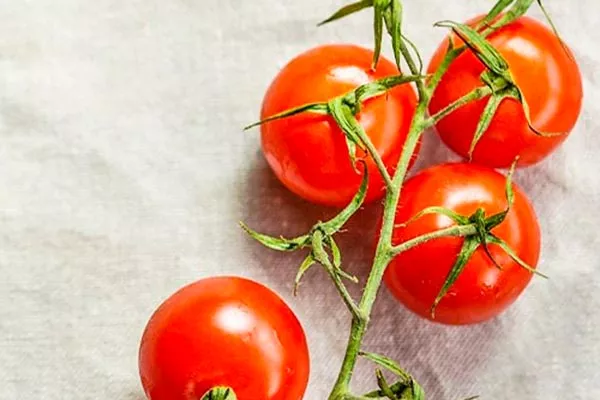
Features of tomatoes:
- Shade – bright red color.
- Form - rounded with slight ribbing at the stalk.
- Weight - varies from 80 to 95 g in open ground, and in greenhouses reaches 112 g.
- Pulp – meaty and tasty.
The skin is dense and prevents cracking, making them convenient for transporting over long distances.
Features of the variety
Its low maintenance, high yield, and versatility make this variety an excellent choice for beginning gardeners. Professionals appreciate its consistent results and reliability.
Yield of the Riddle tomato
Productivity varies depending on the region's climate, but it is considered high-yielding in both southern and northern regions. With proper agricultural practices, up to 9-10 kg of tomatoes can be harvested per square meter.
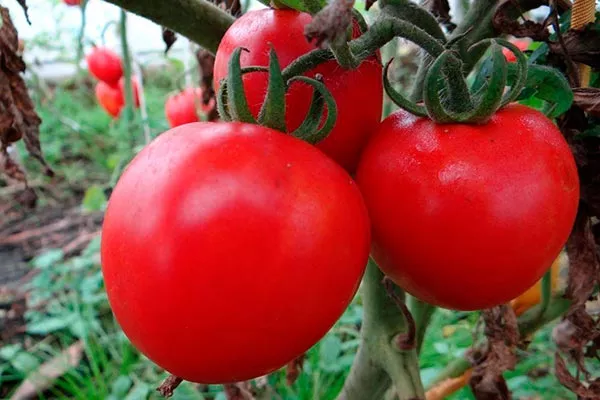
Maturation
Tomatoes on a single vine ripen simultaneously, allowing you to harvest each vine simultaneously while waiting for the next berries to ripen. Thanks to their elastic skin, tomatoes can remain on the vine for a long time without cracking or rotting.
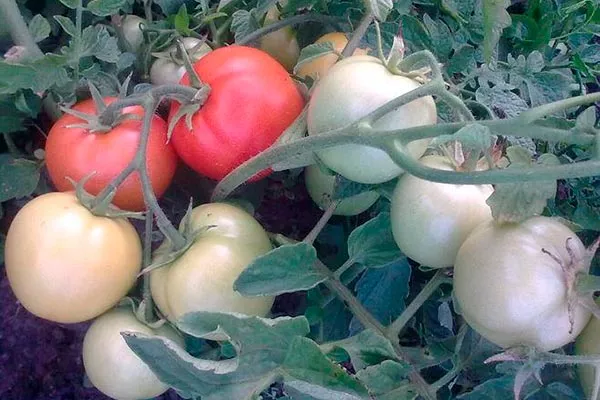
This variety is considered an early ripening variety: the fruits ripen in 80-85 days. Harvesting begins in July-August.
Application of fruits
Vegetables are suitable for pickling, preserving delicacies, salting, and fermenting. They are added to first and second courses, vegetable appetizers, and used to make freshly squeezed and canned juices, ketchup, and tomato paste.
Their taste qualities are especially highly valued when fresh: both in single salads and as part of combined salads.
Resistance to diseases and pests
Riddle is characterized by high resistance to typical nightshade diseases. Early ripening of the fruit prevents late blight and other fungal infections, as they simply don't have time to develop.
Due to its early maturity, the need for chemical protection is minimal, and disease incidence is extremely rare. The variety is virtually immune to fungal diseases and pests. Preventative measures typical of nightshades are almost unnecessary.
Features of cultivation
The crop is grown using seedlings. After transplanting to a permanent location, it is important to follow standard guidelines.
Seed preparation
Sow seedlings for seedlings in late March or early April. Purchased seeds undergo plasma treatment at the factory, so they don't require additional disinfection or germination.
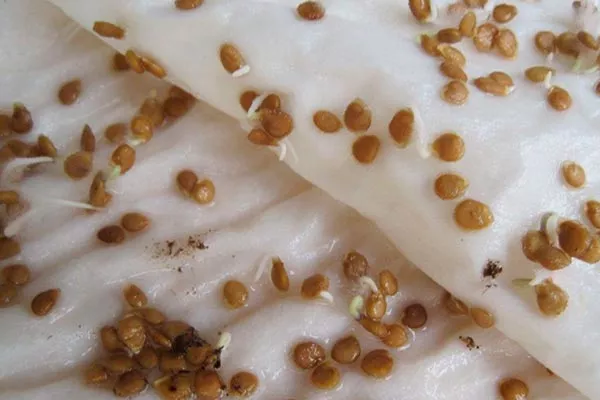
Seeds collected independently require preliminary processing:
- Calibration: soak in a salt solution (1 teaspoon of salt per 200 ml of water), removing any that float to the surface.
- Disinfection: Rinse the selected seeds under running water and soak them in a weak solution of potassium permanganate.
- Fungal protection: immerse in a solution of Baikal EM (5 drops per 200 ml of water).
Soak the seed material in solutions of growth stimulants: Epin Extra, Zircon, Radipharm, Heteroauxin or Biostim.
Soil preparation
To grow tomato seedlings, use a ready-made substrate from gardening stores or prepare your own soil mixture. To do this, mix 70% turf, 15% peat moss, compost, and river sand in a large bucket, then add 500 ml of wood ash.
- ✓ The optimal soil pH for Zagadka tomatoes should be between 6.0 and 6.8. Check the acidity before planting.
- ✓ To improve the soil structure, add vermiculite or perlite in a ratio of 1:10 to the total volume of the soil mixture.
Growing seedlings
Use a variety of containers: Tetra Paks, trays, containers, special boxes, or pots. Follow these recommendations:
- Fill the container 2/3 full with potting soil and plant the seeds to a depth of 2-3 cm. After watering with warm water, cover the containers with plastic to create a greenhouse effect and place them in a warm, dark place until the seedlings emerge.
- As soon as the first leaves appear, remove the plastic wrap and transfer the seedlings to a sunny windowsill on the south side of the house. Initially, provide the plants with sufficient sunlight; the optimal day length is 15-16 hours.
- Picking is carried out when the seedlings have formed 1-2 true leaves.
- Provide seedlings with moderate watering – once every 5-7 days.
- Once the air temperature stabilizes at 10°C, begin hardening off the seedlings by placing them outside for 15-25 minutes. Increase the time spent outdoors by 30 minutes daily, which will help increase their tolerance to temperature fluctuations in the open ground or greenhouse.
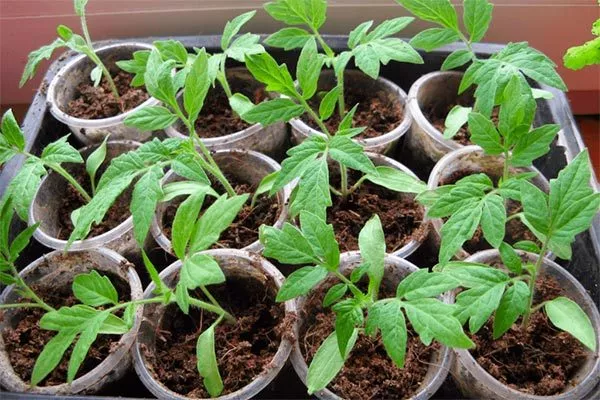
Before transplanting to a permanent location, feed the seedlings with mineral fertilizer. Here's the first fertilizer recipe for 1 liter of water:
- 0.5 g urea;
- 1.5 g potassium salt;
- 4 g Superphosphate.
Second feeding:
- 4 g Superphosphate;
- 0.6 g ammonium nitrate;
- 2 g potassium sulfate.
The interval between feedings is 15 days.
Transplantation to a permanent location
Plant the seedlings outdoors or in a greenhouse after 55-70 days, when the danger of night frost has passed. Do this on a cloudy, windless day, preferably during the day or evening. Choose a south-facing planting site, sheltered from the wind.
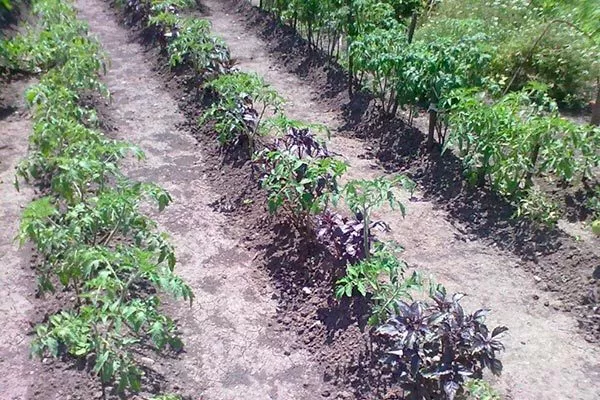
Prepare the area in advance:
- In autumn, dig over the soil and add humus.
- In the spring, loosen the soil again and treat it with copper sulfate to prevent nightshade diseases.
- Make holes 15-20 cm deep and add 10 g of superphosphate to each.
- The planting pattern is 60 x 30 cm, with 6 to 9 plants per square meter. Carefully remove the seedlings from the containers with the root ball and place them in the holes, then cover with soil and compact lightly. Leave the cotyledons exposed.
- After transplanting, moisten the seedlings twice with warm, settled water.
In cool climates, cover seedlings with black agrofibre to protect them from frost. Use a frame made of flexible PVC pipes for covering. Periodically lift the film for ventilation.
The nuances of growing in open ground and in a greenhouse
The Zagadka tomato variety is successfully grown throughout Russia. In the south, it is planted in open ground, in central regions – in greenhouses or hotbeds without heating systems, and in heated glasshouses in the north.
The Zagadka tomato doesn't produce side shoots, so it doesn't require pinching. Staking the bushes isn't necessary, but some gardeners prefer to do so if the plants are producing large fruits, to keep them off the ground.
Care
Caring for your crops plays a key role in achieving high yields and maintaining healthy plants. Proper care allows plants to develop fully, reach their maximum ripening period, and ensure a consistent harvest.
- 7 days after transplanting, add a solution of mullein (1:10) 0.5 l under each bush.
- During the flowering period, use potassium-phosphorus fertilizers (20 g superphosphate and 15 g potassium sulfate per 10 liters of water).
- During fruiting, repeat the potassium-phosphorus fertilization to improve the quality of the fruit.
Fertilizing tomatoes
Fertilize 3-5 times during the season. Follow the correct schedule and do not exceed the recommended dosage. One and a half to two weeks after transplanting the seedlings, apply an ammonium nitrate solution (10-20 g of fertilizer per 10 liters of water). During flowering, fertilize with a manure solution with the addition of azofoska (20 g per 10 liters of water).
Every two weeks, apply solutions of mullein or mineral fertilizers. To do this, dissolve 15 g of ammonium nitrate and 25 g of potassium sulfate in 10 liters of water.
Watering recommendations
Avoid watering the stems and leaves, so apply the liquid only at the roots. Apply in the evening to allow the water to soak into the soil and prevent it from evaporating too quickly. Provide moderate irrigation until fruit set, but avoid allowing the soil to dry out or crack.
When fruit begins to set, water the plants once every 4-6 days. To improve moisture absorption, lightly loosen the soil before watering. Mulching the soil with straw or hay will help retain moisture and prevent rapid drying out.
Other events
In addition to watering and fertilizing, plants require other care. Follow these steps to protect your plants from potential problems:
- Loosening. Regularly loosening the soil helps improve water and air permeability, which promotes good root growth. Loosen the soil carefully to avoid damaging the plant's roots.
- Weeding. Weed control is an equally important step in care, as it prevents competition for nutrients and water. Remove weeds by hand or with garden tools, especially during the initial growth stage.
- Mulching. This is the process of covering the soil surface with organic materials such as straw, hay, or compost. It helps retain soil moisture, reduce weeds, and maintain a stable temperature in the root zone.
There is no need to tie up the bushes, but if large fruits are formed, to prevent them from coming into contact with the ground and avoid damage, use special pegs or stakes to which you secure the stems.
Diseases and pests
Riddle was bred for southern regions, where abundant sunlight and warmth promote excellent harvests without problems. However, in more challenging climates, where these factors are lacking, this variety can be susceptible to certain diseases: late blight, fusarium fungus, and blossom-end rot.
Pest and disease control
When hot weather gives way to cooler temperatures and humidity increases, late blight fungi and other pathogens begin to reactivate. This is a signal to begin preventative treatments. Effective treatments in this situation include:
- Fitosporin;
- Quadris;
- Bordeaux mixture;
- copper sulfate solution.
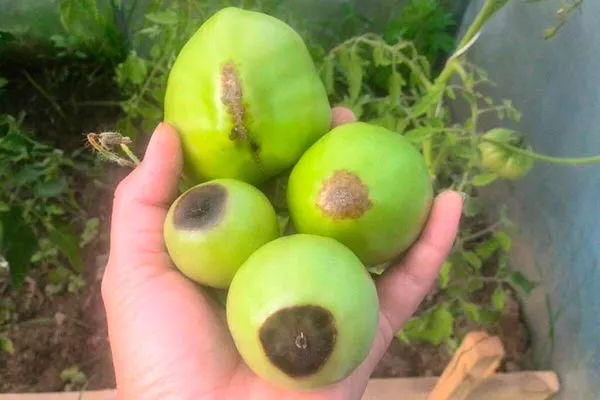
Don't wait for disease symptoms to appear to save an already established crop.
Prevention of diseases and pests
To protect your nightshade crops from diseases, follow several important steps. Here are the main ones:
- stick to crop rotation;
- ventilate greenhouses regularly;
- treat the soil with copper sulfate;
- disinfect the seeds in a solution of potassium permanganate;
- maintain optimal humidity in the greenhouse (70-80%);
- follow the correct watering regime;
- mulch the beds;
- remove the lower leaves of plants;
- Treat your plantings with Integral and Fitosporin.
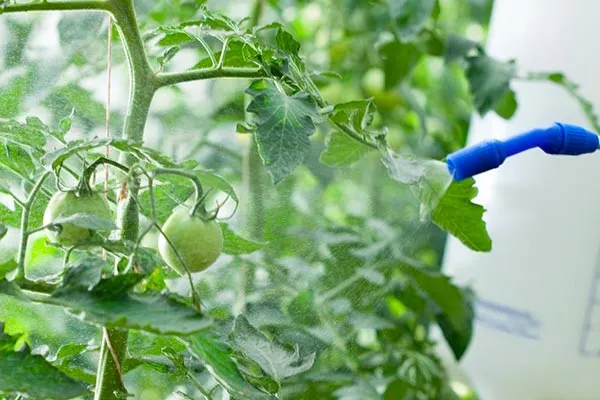
The crop can be attacked by the Colorado potato beetle, spider mite, and whitefly. Effective insecticides for pest control include Fitoverm, Strela, Decis Profi, Flumite, Confidor, Borneo, and Iskra.
Harvesting and use of the crop
Harvest the tomatoes in late June or early July, when they reach technical ripeness. Their high sugar content gives them a sweet and pleasant flavor, making them ideal for those who prefer vegetables without the acidity.
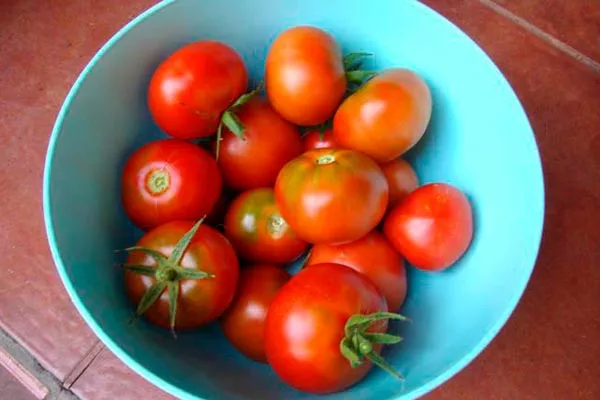
Tomatoes are perfect for fresh salads, pasta sauces, appetizers, and vegetable soups. Their thick skin doesn't crack during cooking, making them an excellent choice for pickling in vinegar.
Common mistakes when growing
When planting, keep in mind that this crop is a low-growing, compact variety. Vegetable growers who aren't familiar with the variety's characteristics often make mistakes:
- plants are planted too sparsely;
- they are pinching out the side shoots;
- prepare supports for garters, which in this case will not be needed;
- They use greenhouses, which is not always justified.
Pros and cons
The advantages of Zagadka include ultra-early ripening, high yield, and resistance to major nightshade diseases and low sunlight. The plant does not produce side shoots, making care easier, and the fruits have a pleasant sweet flavor. No significant drawbacks have been identified for this variety.
Reviews
The Zagadka tomato is a prominent example of an ultra-early variety, recognized by both novice and experienced gardeners for its ease of care and high productivity. This variety doesn't require complex care, but with careful attention to important agricultural practices, it will reward you generously with abundant harvests of high-quality tomatoes.