
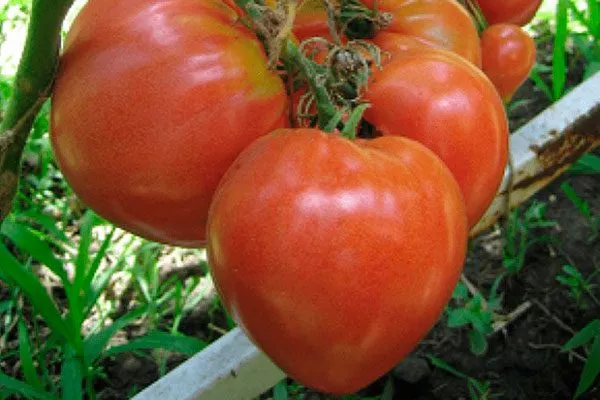
Monkey's Butt is a large-fruited tomato variety that attracts gardeners with its unusual shape. It is characterized by good productivity, disease and heat resistance, and excellent flavor. The tomatoes are heart-shaped with unique curves, but these can vary significantly in appearance, giving the plants a unique appearance.
Where does such an interesting variety come from?
Originally known as Monkey Ass, this heirloom tomato belongs to American breeder Tom Wagner, but its origins are in Italy. This tomato is easy to grow and resistant to adverse weather conditions, especially heat, making it an excellent choice for greenhouse cultivation.
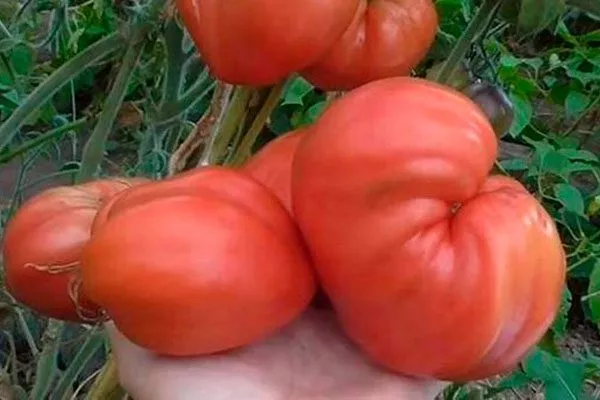
The bushes produce fruit well even in hot weather and rarely shed their flowers. Monkey's Butt is not a hybrid, so seeds can be collected for future planting. It is an indeterminate variety (with unlimited growth).
Description of the bush and fruits
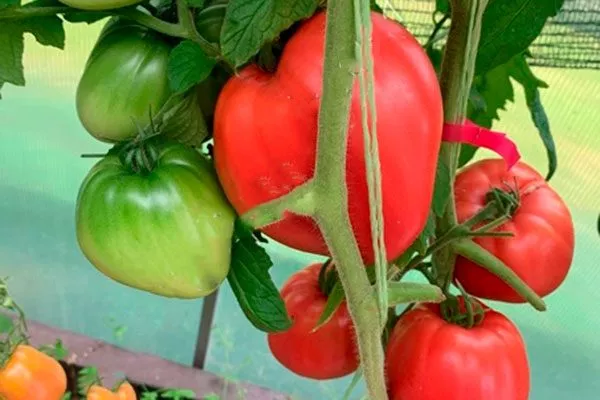
The plant is vigorous, reaching up to 2-3 meters in height. Ovaries form every 2-3 leaves, and each cluster typically contains 4-5 tomatoes. With proper care, larger clusters are formed, but this can affect the size of the tomatoes, making them smaller.
Distinguishing characteristics:
- leaves - large, spreading, simple type, not potato;
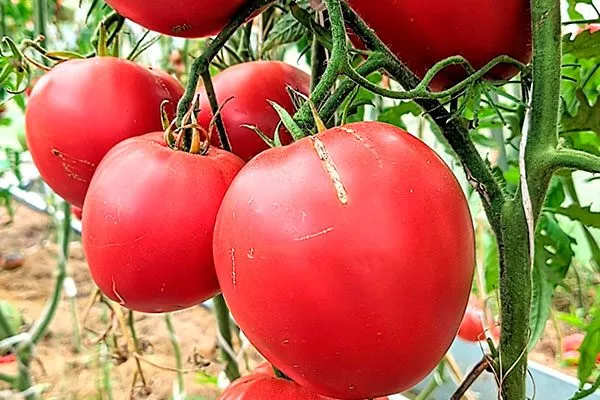
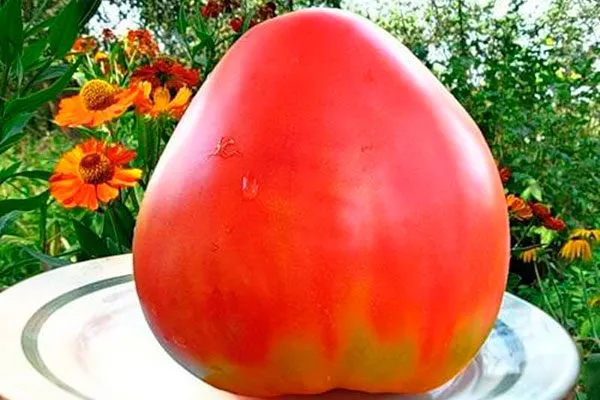
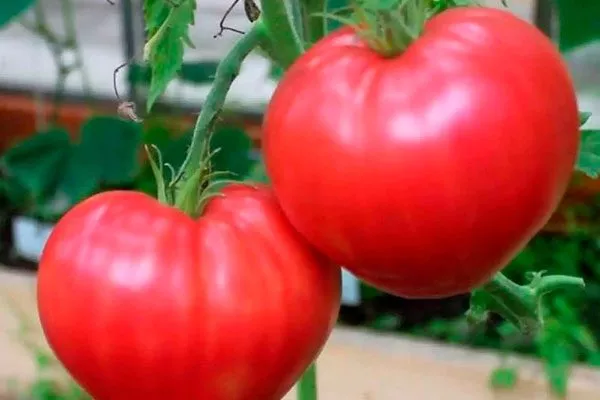
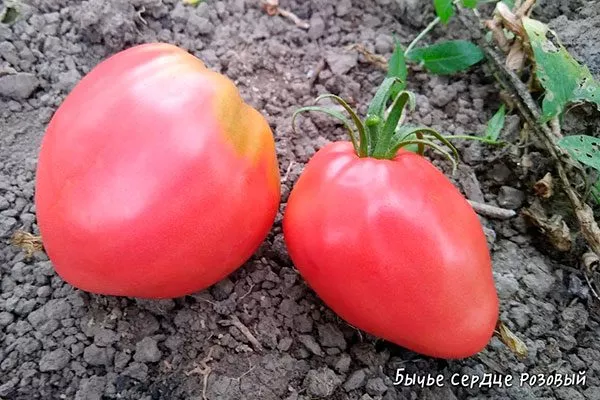
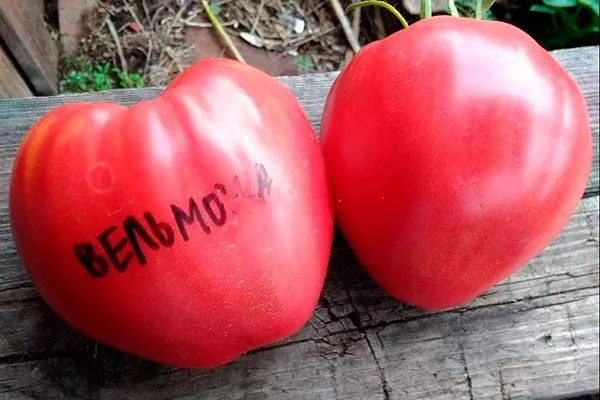
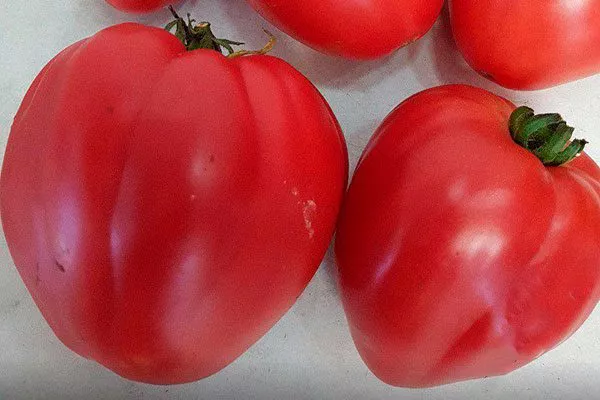
- tomatoes - have a smooth surface and a shape close to heart-shaped, but can also be more unusual, with raised shoulders and a recessed stalk;
- color - unripe tomatoes are green, but as they ripen they turn pink, sometimes with a reddish-pink tint;
- skin – medium thickness, no hard or yellowish areas around the stalk;
- weight - varies from 250 to 500 g, but sometimes there are specimens weighing 700 g;
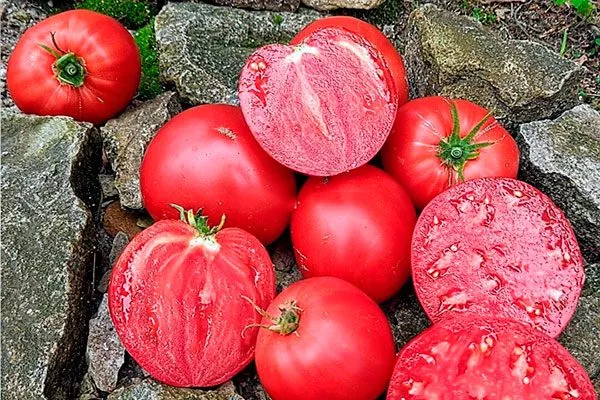
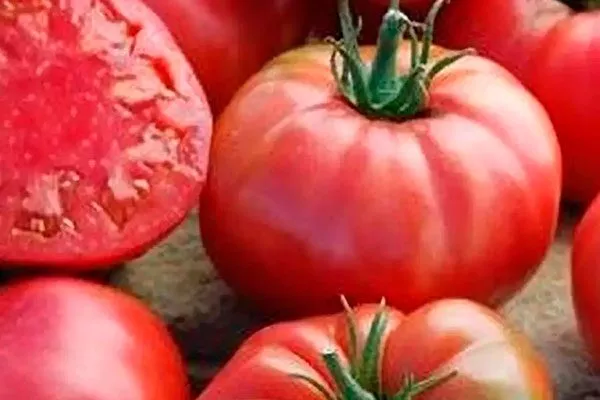
- pulp – grainy and juicy, reminiscent of watermelon;
- seeds – are present in small quantities.
Main characteristics
Monkey Butt has a rich, non-grassy flavor, with a pleasant sweetness and a subtle tart aftertaste. Fans describe it as a classic salad variety without any exotic overtones.
Features of the culture:
- Tomatoes are ideal for eating fresh: they're added to salads or eaten plain. Heart-shaped tomatoes look delicious when sliced, but the top part is unsuitable for this purpose because of its irregular shape.
- The vegetables produce excellent juice with a rich pink-red color. For canning, they are best used cut up or in more complex salad preparations rather than whole.
- The variety has an average ripening period: from the moment the seedlings emerge until the tomatoes are harvested, it takes 111-115 days.
- Fruiting occurs uniformly throughout the entire bush, guaranteeing a good harvest. Tomato harvesting continues until frost sets in.
The variety has high resistance to various diseases and adverse weather conditions.
Regionalism
This variety is successfully grown throughout Russia. In northern regions, it is recommended to grow it in a greenhouse to minimize the risk of frost damage and extend the ripening period of the tomatoes. This design is also convenient because the bushes can be tied up immediately, without the need for additional equipment such as stakes.
In the southern regions of the country, Monkey Butt shows the best results when grown, which is typical of most varieties developed by American and Italian breeders. The plants will delight you with generous harvests, but only if proper agricultural practices are followed.
Growing and care
Planting tomatoes in your garden isn't difficult, but it's important to do it right, then pay attention and implement procedures that positively influence growth and development. Sow seeds for seedlings at specific times:
| Terrain | Greenhouse | Open ground |
| Middle zone | from February 20 to March 31 | from March 15 to April 10 |
| southern regions | from February 15 to April 10 | from March 10 to April 15 |
| northern regions | from March 5 to March 31 | from March 15 to April 20 |
Before transplanting to their permanent location, seedlings should be 45-65 days old, with 8-10 true leaves and a height of 25-35 cm. Plant the seedlings in the beds when the air temperature reaches 15°C and the soil temperature reaches 10°C. If planted too early, the plants may suffer from cold soil, which will negatively impact their development.
- ✓ The optimal soil temperature for planting seedlings is not lower than +10°C, and the air temperature is not lower than +15°C.
- ✓ To prevent fruit cracking, it is necessary to maintain uniform watering without drying out or over-watering the soil.
Follow these recommendations:
- If you plan to grow tomatoes outdoors, harden the seeds: place them in the refrigerator for 24 hours, then bring them into a warm room. This will increase the plants' resilience to adverse environmental conditions.
- When transplanting, plant the seedlings in separate containers, for example, 500 ml cups, so that the root system develops correctly.
- Form the bushes into two trunks: leave a side shoot under the first flower cluster, and remove the remaining side shoots - this will prevent the plant from becoming depleted.
- Watering should be uniform and moderate. Alternating between under- and over-watering can cause fruit cracking, which is undesirable for this variety.
- Start fertilizing 10 days after transplanting. Use a complex fertilizer high in phosphorus and potassium, and from mid-August, switch to potassium-rich fertilizers to speed up ripening and improve the taste of the tomatoes.
- Do not use fresh manure or nitrogen solutions, as they can lead to excessive growth of tops and insufficient fruiting.
Pros and cons
The Monkey Butt variety is becoming increasingly popular due to its numerous advantages. Knowing these advantages and disadvantages will help you avoid potential problems in a timely manner.
Analogues and similar varieties
Monkey's Butt is considered a rare variety, so large agricultural companies don't offer its seeds. Planting material can be obtained from collectors. However, there are a number of interesting similar varieties, especially among the pink-fruited ones:
| Name | Description and characteristics |
| Dad | An indeterminate tomato growing 1.2-1.5 m tall (up to 2 m in a greenhouse). The bush is vigorous and requires pinching and staking. The shoots bear large, dark green leaves and yellow inflorescences, each bearing up to six fruits.
Heart-shaped tomatoes with a "nose," raspberry-pink, weigh up to 330 g in a greenhouse, and 200 g in the open ground. Unripe specimens are green with a dark spot that disappears as they ripen. The skin is dense and smooth. An early-ripening variety (90-95 days). Yields 2 kg per square meter in open ground and 6-10 kg per square meter in a greenhouse. |
| Abakan pink | A determinate variety. The bushes grow up to 150 cm in height. The leaves are medium-sized, slightly pubescent.
The fruits are round or flattened, slightly ribbed, weighing 200-500 g. Unripe fruits are light green, turning pink as they ripen. The flesh is firm, juicy, and contains a small number of seeds. The growing season is 115 days. Productivity is higher in a greenhouse, but in garden beds, up to 5 kg can be harvested per square meter. |
| Bull's heart pink | A medium-sized variety, up to 1.5 m tall, with a small number of medium-sized green leaves. Heart-shaped tomatoes weigh 108-225 g. Pink, with a distinctive spot near the stem. Each cluster produces 1-5 tomatoes.
A late-ripening variety with a growing season of 120-130 days. Yields reach 3-4 kg per square meter, and with proper care, up to 5 kg. |
| nobleman | A determinate variety for greenhouses and open ground. Versatile – the vegetables are used for juice, sauces, canning, and fresh eating. The bush is low-growing (54-62 cm), spreading, with sturdy stems. It requires staking and shaping.
The tomatoes are heart-shaped, crimson, and lightly ribbed. Unripe specimens have a dark spot near the stem. Weight ranges from 130 to 250 g, rarely reaching 500 g. The flesh is dense and sugary. The skin is glossy. Storage quality is poor. From germination to ripening, the vegetables take 111-115 days. Fruiting is uniform, and harvesting continues until frost. |
| Ox heart | A semi-determinate variety, not a hybrid. Bushes reach 2 m in height without shaping, with medium foliage. Up to 5 large tomatoes are produced per truss, with 4-5 clusters on the main stem.
The fruits are heart-shaped, crimson-colored, dense, and sweet. The average weight is 250-350 g, with individual fruits ranging from 700 to 1000 g. A late-ripening variety (105-120 days). Yields in open ground reach up to 3.5 kg per bush; in a greenhouse, they are significantly higher. |
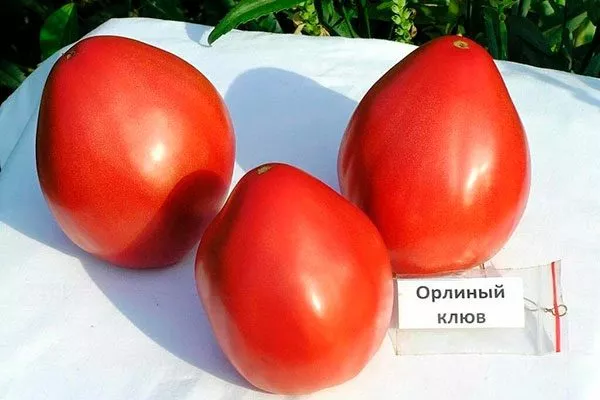
| Eagle's beak | A medium-sized, non-standard variety, 120-150 cm tall, and can grow up to 2 m without pinching. The bush is strong, spreading, with large green foliage.
Heart-shaped tomatoes are slightly ribbed, pink, weighing 228-260 g; with good agricultural practices, their weight increases to 600 g. Tomatoes ripen 105-110 days after the first shoots emerge. Fruiting lasts from July to September. Productivity is excellent: approximately 4 kg per bush, 10.5-14.4 kg per square meter. |
| Pink honey | A determinate variety, it reaches 60-70 cm in open ground and up to 1.5 m in a greenhouse. The bushes, with medium foliage and dark green leaves, require staking.
The fruits are large (160-200 g), sometimes reaching 600 g and over 1 kg. The shape varies from truncated-cordate to round, with slight ribs. Unripe fruits have a dark spot near the stem, while ripe ones are pink with a moiré sheen. The skin is thin, the flesh is fleshy and juicy, with a minimal number of small seeds. It belongs to the mid-season varieties – the vegetables ripen 110 days after the first shoots appear. |
| Sugar buffalo | The fruits are large, weighing 200-350 g, sometimes up to 500-600 g. Their shape is flattened-conical and can vary depending on growing conditions. The color is pinkish-red, the skin is smooth. The flesh is fleshy, sugary, and contains few seeds.
Tomatoes form in clusters. If all the ovaries are preserved, the tomatoes will be medium-sized. For larger tomatoes, the clusters are thinned. In greenhouse conditions, yields reach 6-7 kg per bush, and with favorable agricultural practices, up to 25 kg. This mid-season tomato variety has a growing season of approximately 110 days. Fruiting is prolonged, continuing until mid-autumn. |
| Name of the variety | Greenhouse yield (kg/m2) | Yield in open ground (kg/m2) |
|---|---|---|
| Dad | 6-10 | 2 |
| Abakan pink | 5 | 5 |
| Bull's heart pink | 3-4 | 3-4 |
| nobleman | 5 | 5 |
| Ox heart | 3.5 | 3.5 |
| Eagle's beak | 10.5-14.4 | 10.5-14.4 |
| Pink honey | 6-7 | 6-7 |
| Sugar buffalo | 6-7 | 6-7 |
Among the hybrids, you can also find attractive varieties with pink and heart-shaped fruits, which are distinguished by high resistance to unfavorable conditions and good yield:
- Pink Paradise;
- Pinky.
However, hybrids are often inferior to varietal tomatoes in terms of taste, as they are not as sweet and have fewer characteristic tomato flavors.
Reviews
Monkey Butt is an excellent tomato variety that's easy to grow, making it a favorite among both novice and experienced gardeners. These vegetables are ideal for everyday consumption, but are equally delicious when canned. With proper care, they demonstrate disease resistance and consistent fruiting until fall.