
The Yubileyny Tarasenko tomato has been popular and in demand for many years. It produces excellent yields, boasting excellent flavor and firm skin, making it suitable for long-term storage. This variety requires careful care, which isn't always convenient for time-strapped gardeners, but the generous harvests are well worth it.
History of creation
Ukrainian physics teacher and avid vegetable grower F. M. Tarasenko developed over 50 tomato varieties. Among them, the most famous are "Tarasenko's Legend" and "Yubileiny." This variety appeared long ago and has been known for over 30 years.
Description of the bush
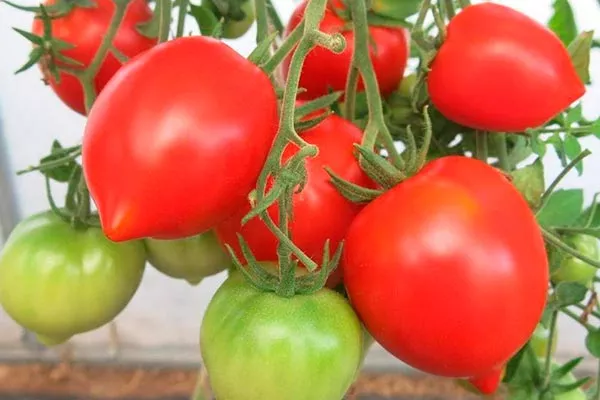
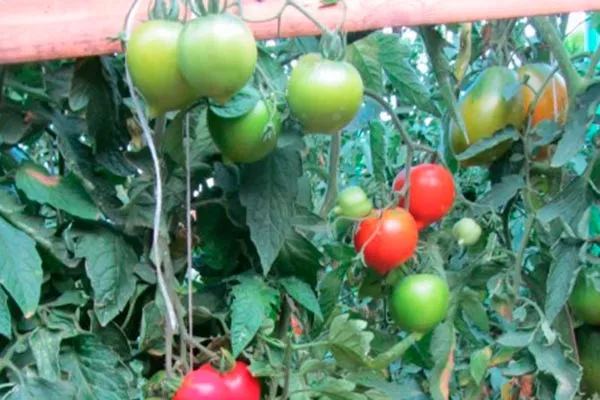
This is an indeterminate variety. The plant is tall, reaching 3 meters in height. The main shoot continues to grow until the top is pinched. The bush has sparse foliage, allowing sunlight to reach the tomato clusters unimpeded.
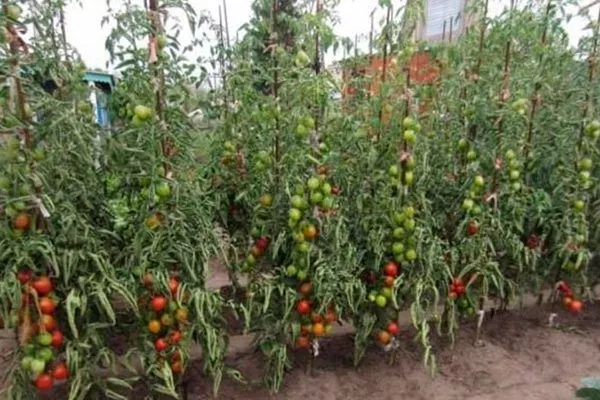
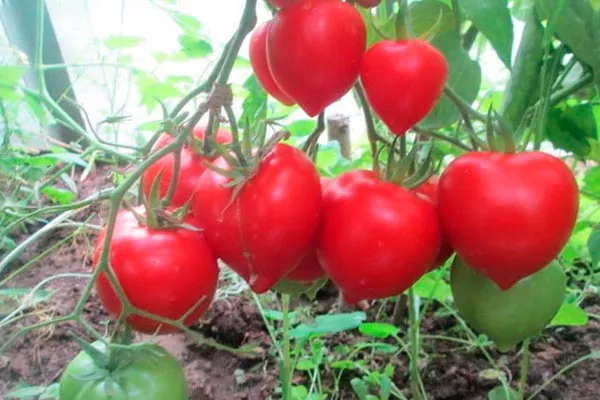
As it ripens, it transforms into a veritable garland of numerous bright red "lanterns." The first cluster forms above the third or fourth leaf, with subsequent clusters forming one or two leaves later. During flowering, the plant is stunning: literally covered in bright yellow flowers, with the foliage barely visible.
Fruit characteristics
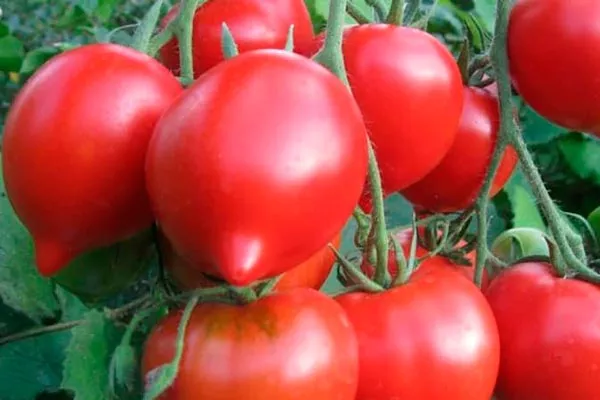
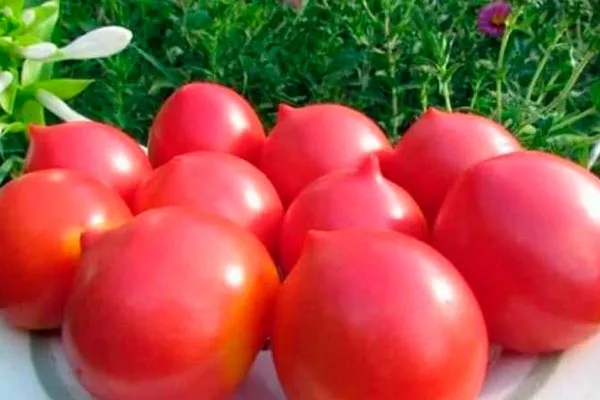
Tomatoes have a round or flattened-round shape with a distinctive "nose" at the top. It was this feature that initially attracted the attention of vegetable growers.
Other distinctive qualities:
- The size of tomatoes on one brush can vary: from large specimens weighing up to 200 g to smaller ones weighing about 100 g.
- The fruits ripen and grow unevenly. Initially, a cluster of 30 fruits appears as a mixture of different sizes, but as they ripen, the fruits acquire a uniform, rich orange-red hue.
- Large fruits have slight ribbing and a slightly elongated "nose." Small tomatoes are almost perfectly round.
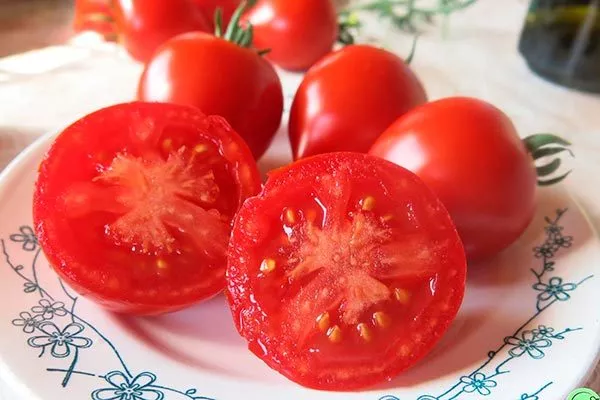
- When cut, you can see 6-8 seed chambers, tightly filled with pulp without voids.
Tomatoes are firm—they store well, remaining firm for up to 1.5 months, after which they gradually begin to soften. Their dense skin prevents cracking when ripe.
Key characteristics of the variety
Yubileyny Tarasenko is renowned for its high yields, which can be achieved with minimal labor. The crop is easy to grow, requires little maintenance, and consistently produces high-quality vegetables even in adverse conditions.
The taste and scope of application of tomatoes
Tomatoes have an excellent flavor and are suitable for fresh consumption. They withstand cooking well, making them an excellent choice for winter preserves, pickling, and fermentation.
Ripening, fruiting and productivity
This is a mid-season variety, with a ripening period of 111-115 days. Fruiting is spread out over a period of approximately 45 days, beginning in July and ending in August. In regions with cooler climates, the tomatoes are harvested at the brown stage of ripeness, after which they are left to ripen in a dark place.
The main advantage of this variety is its high yield. On average, gardeners harvest 15-20 kg of fruit from a single bush, and with proper care and favorable weather conditions, this figure can be even higher.
Weather resistance and regions
The crop demonstrates strong tolerance to a variety of growing conditions. Tomatoes thrive in both hot and cool climates. They withstand temperature fluctuations and short-term cold spells.
Thanks to their low maintenance, these bushes produce fruit well in various regions, including central Russia, the Volga region, the Urals, and Siberia. In southern regions, they thrive in open ground, while in colder zones, greenhouse cultivation is preferred.
How to grow seedlings?
To obtain high-quality seedlings, seeds are sown two months before planned planting. Since Yubileyny Tarasenko is a varietal crop, it is permissible to use seed from your own harvest.
- ✓ Optimum temperature for seed germination: +24-25°C.
- ✓ It is necessary to provide additional illumination to seedlings around the clock during the first days.
Seed preparation
Disinfect the seeds you've collected yourself and prepare them for planting. To do this, soak them in a weak solution of potassium permanganate for 20-30 minutes, then rinse thoroughly and dry. To improve germination, soak them in a growth stimulator for 11 hours.
Popular growth stimulants include Epin, Kornevin, and Immunocytophyte. Instead of special preparations, you can use melted or boiled water.
Container and soil
To prepare the soil, mix equal parts garden soil and compost. Add a little sawdust or washed river sand as a leavening agent. Treat the resulting mixture with a hot, dark solution of potassium permanganate or steam it in the oven at 60°C for 10 minutes.
Once cool, distribute the soil among the seedlings, filling them halfway. This will allow you to add more soil as the seedlings grow, providing them with additional nutrition. Plant in either a shared wooden box or individual containers with pre-drilled drainage holes in the bottom.
Sowing
Sow the seeds to a depth of 2 cm, spacing them 3 cm apart. Sprinkle with soil, compact lightly, and cover the containers with plastic film to create a greenhouse effect.
Place the containers in a bright, warm room at a temperature of 24-25°C. Periodically remove the cover for ventilation, and as the top layer of soil dries out, moisten it with warm, settled water using a spray bottle.
Caring for seedlings
Remove the film when the seedlings emerge and move the containers to a windowsill. To prevent the seedlings from stretching, provide sufficient light for a long period. Experienced agronomists provide supplemental lighting with fluorescent lamps around the clock during the first few days.
Follow these recommendations:
- Moisten the seedlings with moderately warm, settled water using a shallow watering can. Water around the edges of the containers. Afterward, loosen the soil with a wooden stick or fork. Fluff the soil gently to avoid damaging the young roots.
- When the seedlings develop two true leaves, transplant them into individual containers. Keep only strong, healthy plants, as this will promote more vigorous growth. This step is not necessary if the seedlings are grown in peat containers.
Two weeks before planting, begin hardening off the seedlings: take them outside for 1 hour during the day, gradually increasing the time spent outdoors to 12 hours. Simultaneously with daytime hardening, reduce the nighttime indoor temperature to 13°C.
Transfer
After two months, the seedlings are ready for transplanting. By this time, the seedlings should have 6-8 leaves and well-formed young roots. Planting pattern: leave 70 cm between plants and 90 cm between rows. Place no more than two plants per square meter.
Prepare the holes in advance by digging them to a depth of 30 cm. Place a small amount of wood ash on the bottom and moisten thoroughly. After planting, water again with warm, settled water and allow them to acclimate for a week. If the seedlings are stretched, place them in the holes in a semi-recumbent position.
Further care of the Jubilee tomato
Caring for the Yubileiny Tarasenko variety doesn't require complicated procedures, but for vines, it's important to follow certain guidelines. Follow standard agricultural practices:
- Once the seedlings have strengthened and an additional leaf has emerged, secure the stems. Use a trellis—supports with wire stretched between them. Tie a rope or soft cloth to each bush.
- After watering or rain, loosen the soil to allow air to reach the roots and prevent moisture stagnation.
- Train plants into single or double stems. Remove side shoots regularly, about every 10 days, to avoid injury. Side shoots should be no longer than 3-4 cm.
- Gradually remove the lower leaves, 2-3 leaves per day, so as not to weaken the plant.
- To protect against fungal infections, treat with copper-containing preparations approximately 3 times during the summer.
- Water the bushes regularly, remove weeds between the rows and inspect for pests.
When the plant reaches 170 cm, pinch off the top, leaving a couple of leaves. This will prevent excessive growth, which can negatively impact the size and quality of the tomatoes.
Features of cultivation and possible difficulties
Despite its sturdy trunk, the plant is unable to support the weight of the fruit due to the large number of ovaries. To prevent damage to the bushes, tie them to nearby supports. Support not only the stem but also the fruiting branches as they grow.
Another option for tying is to secure the branches to a trellis. To do this, install metal supports on both sides of the bed and stretch a wire between them, to which you attach the branches using soft fabric straps.
Train the plant to a single stem, leaving the strongest shoot and removing all others. Rapid growth encourages the formation of numerous side shoots, so remove side shoots. Failure to do so will result in dense plantings, which creates conditions favorable for the spread of fungal infections.
Nuances of breeding in open and protected ground
The Yubileiny Tarasenko variety is characterized by high yields, yielding up to 8 kg per bush. With proper agricultural practices and crop rotation, the yield can be doubled.
Avoid planting tomatoes twice in the same area. If necessary, replenish the topsoil with mineral fertilizer. Carrots, cabbage, legumes, and onions are good predecessors for tomatoes, as they don't deplete the soil.
The bushes' root system branches underground, allowing them to effectively absorb moisture and minerals from the soil. The plant is drought-tolerant, but excess moisture can be harmful.
Collection and storage
According to experienced gardeners, it's easier to pick Yubileyny Tarasenko tomatoes when they're slightly underripe. The tomatoes ripen naturally within a few days at room temperature, without affecting their flavor.
Due to their extended fruiting period, ripe tomatoes can be harvested for up to 1.5 months. Their strong skin ensures a long shelf life and allows for long-distance transportation without losing their marketable appearance.
Resistance, treatment and prevention from diseases and pests
The risk of fungal infections is particularly high in greenhouses due to the constant high humidity and temperature. Therefore, it is necessary to regularly ventilate closed structures to control humidity levels.
Helpful tips:
- An important preventative measure is loosening the soil, moderate watering and mulching the beds.
- Before planting, water the beds with a solution of copper sulfate, which cleanses the soil of pathogenic spores.
- Fungal infections can destroy entire plants within 14 days. If plants are infected, treat them with Fitosporin or HOM.
- Outdoor tomatoes are often attacked by pests. To prevent rapid pest proliferation, inspect the seedlings daily for pests. Inspect thoroughly, from all sides, as Colorado potato beetle larvae often hide on the undersides of leaves.
Collect larvae by hand. In case of widespread insect infestation, use Prestige. - To combat aphids, spray the shoots and foliage with a soap solution: dissolve 1 bar of laundry soap in 10 liters of warm water.
Carry out preventive and treatment measures in dry weather.
Pros and cons
The Yubileyny Tarasenko variety boasts numerous advantages, making it a favorite of both novice and experienced gardeners. The following qualities are noted for the Yubileyny Tarasenko tomato:
Among the negative qualities, they note the need for regular side-sonning, the requirement to tie up the plants, and the obligatory pinching of the tops to control growth.
Reviews
The Yubileiny Tarasenko tomato is a high-yielding variety with excellent flavor. It appeals to gardeners not only for its disease resistance but also for its adaptability to a variety of climates. It boasts robust bushes and juicy tomatoes. It's an ideal choice for those who value a consistent harvest and high quality.