
The Yasha Yugoslavsky tomato variety will appeal to those who appreciate unique shapes and large sizes. This beefsteak tomato is ideal for fresh salads, sauces, and canning. It adapts well to various climates and guarantees high yields with minimal maintenance.
Origin and background
Jaša Yugoslavica is a family heirloom, originating from Jaša Krnkić of Yugoslavia. He received seeds from a relative in the Vojvodina region. Additional planting material later came to Carolyn Meil of Latham, New York. She presented this variety at the annual Seed Savers Exchange meeting in 1995.
Although this variety was developed by Yugoslav breeders, it gained real popularity in the United States. This tomato is versatile: it is suitable for growing both in greenhouses in cold climates and in open ground in warmer regions.
Characteristic features
This rare and sought-after variety has gained popularity among Russian agronomists. Its widespread recognition is due to its many advantages, including good productivity and excellent flavor. For successful cultivation, it's worth studying the cultivar's characteristics in more detail.
Description of the bush
This indeterminate plant with sturdy stems reaches approximately 2 m in height. Distinguishing characteristics:
- The bushes have medium foliage, and the leaves are distinguished by their regular shape.
- The fruits are formed in clusters of 4-8 pieces.
- The first fruit cluster appears above the fifth leaf, and the next ones are formed every 2-3 leaves.
Flowers tend to be double, which can lead to the formation of unusually shaped fruits. Many vegetable growers prefer to remove these inflorescences to improve the commercial quality of the harvest.
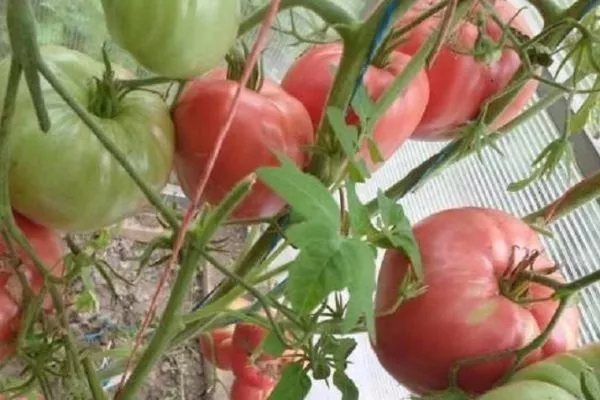
Main qualities of fruits and shape features
The shape of the Yasha Yugoslavsky tomato variety is quite variable, which is considered a characteristic feature. Most descriptions describe the tomatoes as heart-shaped, which is indeed typical for tomatoes grown from ordinary flowers.
But specimens formed from double flowers may have a different configuration, for example:
- flat-round;
- folded-cordate.
Since the variety is distributed among collectors and hobbyists, the appearance of tomatoes can depend on which fruits are chosen for seed collection:
- If you select seeds from neat, elongated, heart-shaped tomatoes, after just a few generations, the number of double flowers and deformed specimens will decrease. Most tomatoes in this case acquire a smooth, attractive shape.
- If you choose to use seeds from tomatoes obtained through fasciation, the tomatoes will look exotic and large, although there will still be regular ones with a smooth surface.
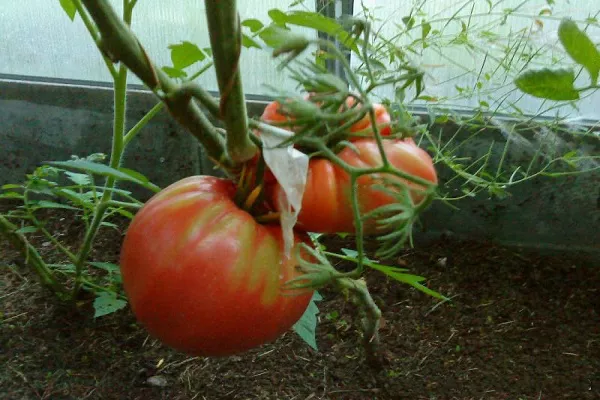
Taste characteristics and scope of use
The Yasha Yugoslavian tomato variety has a pleasant, slightly sweet flavor that is lost during cooking. This makes them especially delicious eaten fresh, for example, in salads.
Large tomatoes are used to make tomato juice and sauces due to their juicy flesh and rich flavor. However, canning whole tomatoes is impractical: their large size and thin skin, which is prone to cracking when exposed to hot water, make them less suitable for such purposes.
Ripening and fruiting, yield
This variety has a medium ripening period. The first fruits ripen approximately 90 days after planting in open ground. When grown in a greenhouse, this period can be reduced to 70-80 days.
The crop's productivity depends on the region's climate. On average, one bush yields 5-7 kg of vegetables per season. Soil quality and regular use of mineral fertilizers also influence the final yield.
Features of planting and growing
The Yasha Yugoslavsky variety requires one to two seasons to adapt to new conditions, especially if the seeds were brought from another region. Overall, this tomato is easy to grow and has a high immunity, but does not tolerate extremely hot weather.
Planting tomato seeds for seedlings
The timing of seed planting for high-quality seedlings is determined independently, based on the regional climate and growing location. It's best to check the weather forecast in advance to avoid recurrent frosts.
- ✓ Optimum soil temperature for seed germination: +23-25°C.
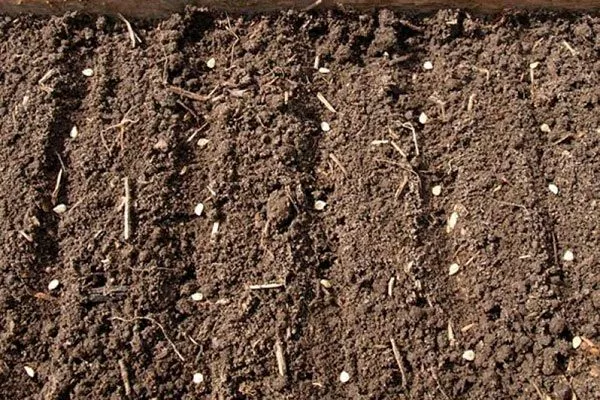
- ✓ Seed planting depth: 1 cm.
- ✓ Period from germination to planting of seedlings: 60-65 days.
When calculating sowing times, consider the following factors:
- It takes 5-7 days for quality seeds to germinate.
- From emergence to planting of seedlings, 60-65 days should pass.
- The soil temperature should warm up to +10°C for greenhouses and up to +15°C for open ground.
Prepare the seeds using the standard method: warm them up and treat them with a seed treatment. If you have any doubts about the quality of your seed, treat the seeds with a growth stimulant.
Sow the seeds to a depth of about 1 cm, then moisten the soil. Cover the seedling containers with plastic or glass, maintaining a germination temperature of 20-28°C (68-82°F), ideally 23-25°C (73-77°F). To prevent mold, ventilate the substrate daily.
Transplanting seedlings into a greenhouse or open ground
Caring for seedlings from germination to transplantation involves germinating them in a cool room with 24-hour light for a week after sprouting. Also, consider the following:
- Water regularly, keeping the soil slightly moist.
- Pick seedlings at the stage of 1-3 true leaves.
- Feed the seedlings with a weak solution of mineral fertilizers 10-14 days after picking.
- Harden off plants before planting them in open ground.
Prepare the soil before planting. The best predecessors for tomatoes are:
- cabbage;
- cucumbers;
- peas;
- beans;
- grain crops;
- green manure – rye and winter wheat.
Avoid growing tomatoes after nightshade crops (bell peppers, eggplants, potatoes, and tomatillos), as they can promote the spread of diseases. These plants can infect each other with fungi and viruses.
Transplant the seedlings into the beds in May, when the soil temperature at a depth of 20 cm reaches 17°C. If there is a risk of frost, cover the bushes overnight with plastic or other thick material.
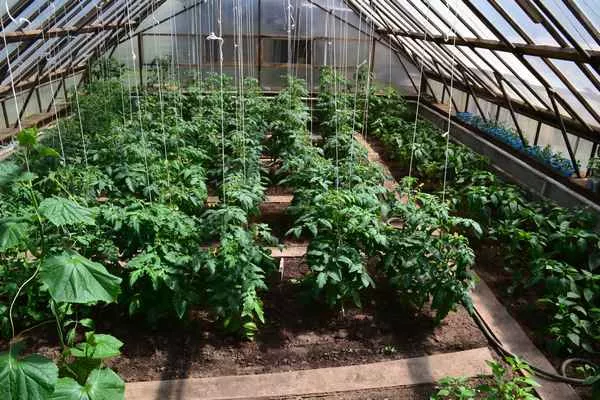
Further care of tomatoes
The Yasha Yugoslavsky variety requires little care and thrives under standard cultivation. Care includes the following steps:
- Watering. Regularly moisten the soil under the bushes with settled water at room temperature, trying not to let it get on the leaves.
- Top dressing. To ensure normal growth and development of tall plants, ensure they receive sufficient nutrients. During the early stages of growth, before fruit sets, apply fertilizers containing potassium, phosphorus, nitrogen, and magnesium. Later, after fruit sets, sprinkle the soil under the plants with wood ash.
- Formation. Train the plant into 1-2 stems, promptly removing wilted leaves and excess shoots. Tie elongated shoots to the support with synthetic cord, wrapping it around the stem under each node.
- Hilling. To stimulate the growth of additional roots, hill up the bushes twice a season: when the beginnings of roots appear at the surface of the soil and when the lower part of the stem begins to turn blue.
Important agricultural practices include loosening, weeding, and mulching. Loosening the soil helps improve air circulation and moisture permeability, preventing compaction and promoting root growth. Remove weeds that compete for nutrients, and mulch the soil to prevent their growth.
Resistance to diseases and pests, control and protection
The Yasha Yugoslavian tomato is characterized by strong disease resistance, but improper care and planting can lead to fungal or viral infections. Follow these guidelines:
- At the first signs of disease, remove the affected parts of the plants and treat the soil with a solution of a biological product, for example, Fitomycin.
- Repeat the treatment several times at intervals of 5-7 days.
In recent years, gardeners have preferred to grow crops in spacious polycarbonate greenhouses, where the climate is more favorable and late blight is less common. However, other diseases can still occur in such shelters:
- Cladosporiosis - the appearance of olive spots on leaves and other parts of the plant.
- Septoria - spread of grey and brown spots over all areas.
If left untreated, the bushes may become leafless, leading to reduced yields. Copper-based products and other fungal inhibitors are effective in controlling the disease:
- Benefit;
- Ditan;
- Acrobat;
- Order;
- Ridomil;
- Oxychom;
- Revus;
- His.
For prevention and primary protection against late blight, use the Strobi preparation based on fungal strobulins.
Plants may also be susceptible to insect attacks. To control aphids, use the following products: MatrinBio, Batrider, and Aliot. To protect against spider mites, use Kleschevit or Fitoverm. When treating, pay particular attention to the undersides of the leaves.
To control insects in greenhouses, spray tomatoes with insecticides:
- Biotlin;
- Fitoverm;
- Tanrek.
To combat cutworms and other larvae, treat bushes with Batrider during the growing season. Dilute 2 ml per 3 liters of water. One spray is sufficient, and can be done in any weather.
Possible problems
The Yasha Yugoslavian tomato does not tolerate extremely high temperatures above 40°C. Such conditions can damage the fruit and leaves. To avoid overheating:
- in an open area – shade the bushes;
- in greenhouses – Additionally, whiten some of the glass and ventilate it frequently.
However, high temperatures negatively affect yield and fruit set, which is a common problem for many tomato varieties.
Other difficulties in cultivation:
- In hot weather, full clusters often form only at the base of the plant, and fully ripened fruits may still have yellowish shoulders. Despite being a beefsteak tomato with large fruit, cracks rarely appear. The flowers are often double.
- Blossom-end rot may occur, especially on flat-round tomatoes, but the corky tissue in these areas is smaller than on other varieties of this size.
This variety is characterized by good disease resistance; plants rarely get sick, even if neighboring varieties are infected. However, preventative treatments with insecticides and fungicides should not be ignored.
Pros and cons
The cultivar is extremely popular among both professional farmers and ordinary gardeners. Its popularity stems from its many advantages.
Advantages:
Gardeners consider the close placement of vegetables to be the main drawback – sometimes they grow together.
Similar varieties and hybrids
Breeders have developed beefsteak tomatoes with large, tasty, and aromatic heart-shaped fruits in pink or raspberry colors, similar to the Yasha Yugoslavica. The following varieties are available:
| Name | Description and characteristics |
| Bavrinskys | An ancient variety characterized by an indeterminate growth pattern, which allows the stem to grow without restriction if properly cared for.
The weight of tomatoes varies from 300 to 400 g. They are heart-shaped, the skin is pink, dense, but easy to remove. |
| Dad | A tall, indeterminate variety, reaching 120-150 cm in height in open ground and up to 2 m in a greenhouse. In open ground, fruits can weigh up to 200 g, while in a greenhouse, they can reach 300-330 g, which is rare for early-ripening varieties.
These tomatoes are heart-shaped with a small "nose" and a beautiful raspberry-pink hue. They are an early-ripening variety, ripening in 90-95 days. Yields are good, reaching approximately 2 kg per square meter in open ground, and 6-10 kg per square meter in a greenhouse. |
| Cardinal | A tall, semi-determinate bush, reaching 100-190 cm in height. The fruits have a unique heart-shaped form with slight ribbing and a beautiful pink-raspberry hue. Unripe tomatoes are light green with a spot at the base. The tomatoes are impressively large: the average weight is 440 g, but the first fruits can reach 600-800 g.
This mid-season variety ripens 120 days after germination. It produces high yields of up to 8.4 kg per square meter, and up to 4-5 kg per plant. |
| The Miracle of Wolford | A tall but fragile bush that requires staking. It averages 2 m in height and has sparse foliage. The fruits are heart-shaped, moderately ribbed, and pinkish-raspberry in color. The fruits are large, weighing from 270 to 600 g.
This mid-season variety ripens 115-118 days after planting. The yield is impressive. In open ground, you can harvest 12-16 kg per square meter, and in a greenhouse, over 20 kg from the same area. |
| Japanese | This tomato is a tall bush, reaching 2 m in height, with a slender, straight stem and a compact crown. The leaves are dark green, elongated, and pointed at the tips. It is an indeterminate variety. The tomatoes are large, weighing from 300 g and can reach over 1 kg. They are heart-shaped with a pointed tip, slightly ribbed, and raspberry-red in color. The flesh is tender, meaty, and sugary, the skin is thin, and the seeds are few. This is a mid-season variety; the harvest can be in July if the seedlings are planted in May. Fruiting is prolonged, until frost sets in. A single bush yields 15-25 tomatoes per season, yielding 5-9 kg. |
Reviews
Yasha Yugoslavsky is an excellent choice for growing in open beds or greenhouses. With minimal cultivation, this cultivar produces excellent results, delighting you with large tomatoes with a pleasant flavor, distinctive aroma, and a unique shape.