
The Yaponka tomato is a variety that attracts both experienced and novice gardeners. Thanks to its excellent characteristics, including excellent productivity, disease resistance, and superb taste, it has become popular among those seeking a bountiful harvest with minimal effort. This is achievable with proper cultivation practices.
Description of the plant
This is a folk variety created by a private breeder in the town of Bogorodsk, Nizhny Novgorod Region. The bushes are tall, reaching up to 2 meters. Distinguishing characteristics:
- Stem – thin and straight.
- Crown – compact, with a moderate number of leaves.
- Foliage – small, dark green, elongated with pointed ends.
- ✓ Optimum soil temperature for sowing seeds: 25-28°C.
- ✓ Required air humidity for seedlings: 60-70%.
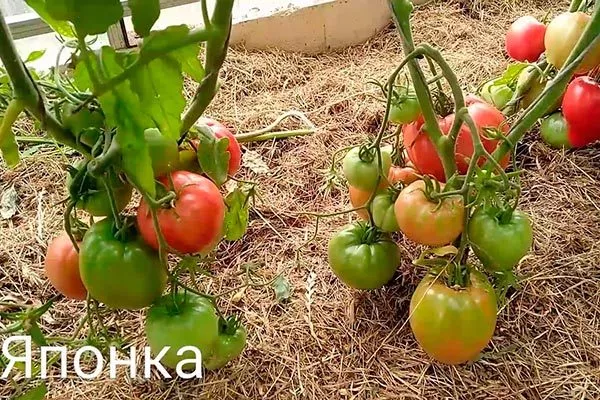
This variety has an indeterminate growth habit. The inflorescences are simple and produce good ovary formation. Each cluster produces 5-7 fruits, and a bush can have 6 to 8 clusters in total. This cultivar is suitable for both greenhouse and open-ground cultivation, but prefers warm conditions.
Fruits, their taste and purpose
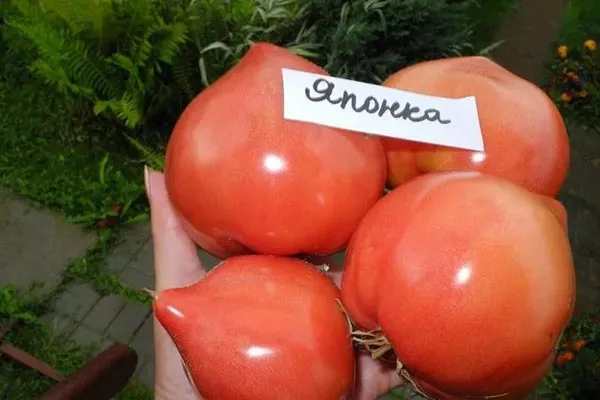
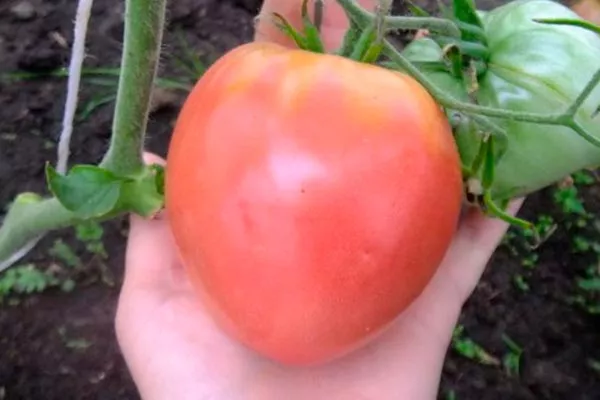
The tomatoes are raspberry-red in color and large, weighing approximately 300 g on average. They are heart-shaped, slightly elongated, with a long, pointed tip. The skin is thin but firm enough to prevent cracking.
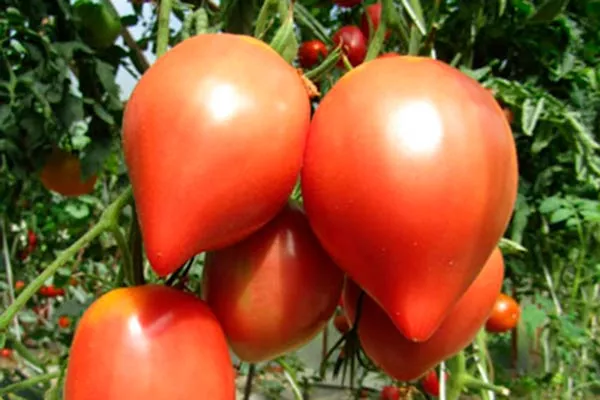
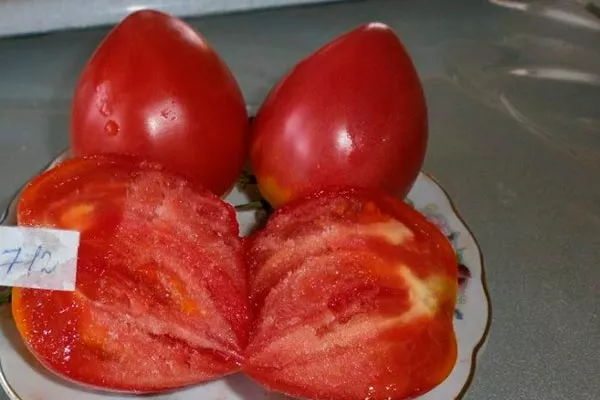
The flavor is rich and sweet, without a pronounced sourness. Seed chambers form inside the fruit. The seeds are yellowish in color, medium or slightly smaller in size.
Characteristics of the variety
The heart-shaped Japanese tomato is not available from official seed producers, as it is a hobby selection. Seeds are typically purchased from private collectors. Gardeners appreciate this variety for its large, fleshy fruits, rapid germination, high yield, and rich, sweet flavor.
Ripening and fruiting
This variety is considered a mid-season variety: when seedlings are planted in May, the first tomatoes are harvested as early as July. It is characterized by a long fruiting period, which continues until the onset of cold weather. It is permissible to harvest slightly unripe fruits.
Productivity
The variety is considered high-yielding: from 15 to 25 tomatoes are harvested from one bush per season, which is approximately 5-9 kg.
Application of fruits
Thanks to their thin skin, which is almost invisible when eaten, these vegetables are perfect for fresh consumption, adding to summer salads, and snacks. The harvest is used for winter preparations: lecho, winter salads, sauces, tomato juice, and paste.
Resistance to diseases and pests
Many gardeners note that the Japanese tomato is virtually unaffected by pathogens and pests during the summer season. However, if cultivation practices are not followed, the bushes may be affected by fungal diseases.
Growing rules
To grow strong, healthy plants that produce a bountiful harvest, it's important to start with high-quality seedlings. This requires following basic guidelines for seed preparation and sowing, as well as providing proper seedling care.
Sowing dates
The seeds of this variety have a high germination rate. Sow seedlings in February and transplant into the ground 60 days after germination. Transplant the plants into greenhouses in early May, and into the open ground two weeks later if you live in a southern climate.
Preparation of seed material
Start growing seedlings by selecting seeds. Purchase them from private vegetable growers who professionally collect and prepare seeds for sale.
Reputable seed growers who value their reputation typically offer high-quality seeds with high germination rates and that meet the stated specifications.
Soil preparation
Use soil purchased from specialty stores. This type of substrate is enriched with nutrients and allows for good aeration and moisture drainage. You can also prepare your own nutritious potting mix. To do this, gather all the necessary ingredients in the fall, then simply mix them in the desired proportions in the spring.
Disinfect the soil, as it may harbor pathogenic microorganisms or pest larvae. In the spring, when the weather warms up, they may awaken and harm the seedlings. Steam the soil in a water bath or bake it in the oven. After it cools, add wood ash and distribute it among the containers.
Preparing the container
Containers for growing seedlings don't require any special preparation, but if they are new or previously used, disinfect them. To do this, rinse the containers with a light solution of potassium permanganate, then fill them with the prepared soil.
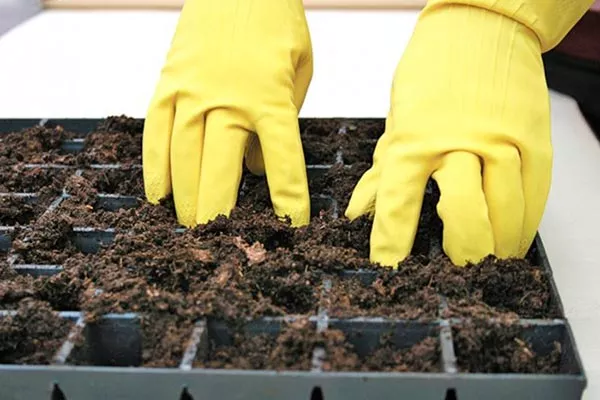
Otherwise, pathogenic microorganisms may remain on the walls. This will lead to seedling disease, weakening of the plants, and reduced fruiting.
Planting seedlings
Make shallow furrows in the soil and place the seeds in them. Cover them with a thin layer of soil (no more than 1 cm), cover with plastic wrap, and place in a warm place to germinate.
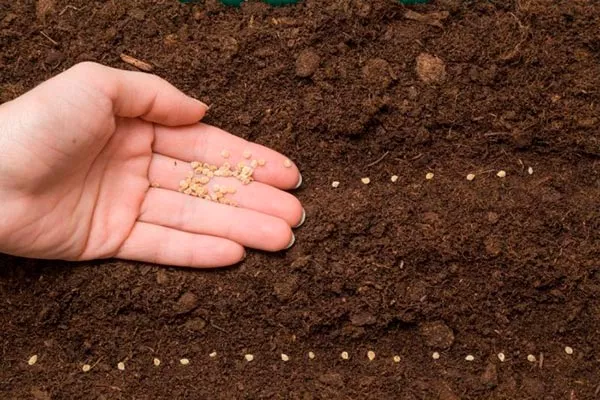
They will begin to germinate no later than a week after sowing. Once the seedlings emerge, remove the film and move the containers to a well-lit area to continue growing.
Watering
Water growing seedlings frequently, but in small amounts. It's important to keep the soil in the containers constantly moist, but avoid overwatering; otherwise, the seedlings may develop root rot or blackleg.
For watering, use settled water at room temperature. To prevent the roots from being washed away, mist the plants with a spray bottle.
Provide seedlings with at least 12 hours of daylight. If natural light is insufficient, provide supplemental lighting using fluorescent lamps.
Picking
Start the process when they develop several true leaves. To do this, prepare individual cups with potting soil, water the seedlings, and carefully transplant one seedling into each pot.
After transplanting, temporarily protect the seedlings from direct sunlight to help them adapt to the new conditions. Place the same soil in which the seedlings were growing before transplanting into individual cups.
- First feeding: 10 days after picking, use a complex fertilizer with a predominance of nitrogen.
- Second feeding: 2 weeks after the first, use fertilizer with a high content of phosphorus and potassium.
Fertilizing seedlings
After the plants have acclimated to their new location, feed them for the first time with a nitrogen-containing fertilizer, such as urea or nitroammophoska. Apply the next nitrogen fertilizer two weeks later, but no later than 12-14 days before transplanting to their permanent location.
Hardening off seedlings
This procedure is necessary to help plants adapt to new conditions after transplanting. Bushes feel comfortable in warm conditions, but outdoors they can take a long time to adjust to the changes.
About two weeks before transplanting, begin moving the seedlings outdoors. Initially, keep them outside for no more than an hour, gradually increasing the time. In the final days, leave the seedlings in the greenhouse overnight.
Planting seedlings in a permanent location
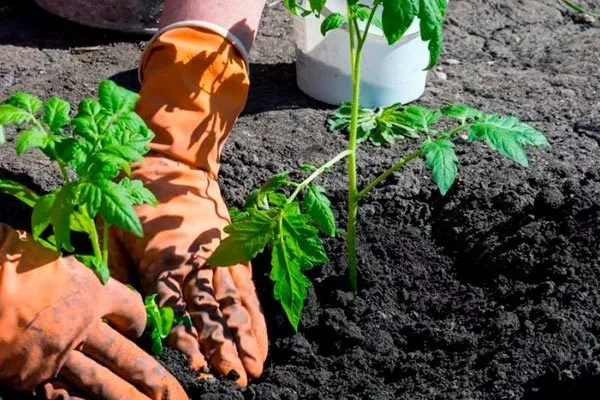
Transplant the seedlings to their permanent location two months after sowing. By this time, the seedlings should have at least six true leaves, at least one bud, and the stems should be 16-18 cm tall.
Helpful tips:
- Prepare the greenhouse for planting in the fall. After harvesting, remove all plant debris from the beds and replace the topsoil with fresh soil and add fertilizer. Thoroughly clean all greenhouse components with a disinfectant solution.
- If for some reason you couldn't replace the soil in the greenhouse, water it with a disinfectant solution, add 5-6 kg of humus per square meter, and dig it over.
- Place no more than 4 Japanese tomato plants per square meter to ensure that the plants do not shade each other and that the roots receive sufficient nutrition for good growth and yield.
- Place a handful of rotted manure and a complex mineral fertilizer at the bottom of the planting holes, then add a layer of soil on top, into which place the seedlings with a lump of soil. Then, fill the holes with soil, compact it, and moisten it.
Cover the root zone with a 3-5 cm layer of mulch, using straw, humus or wood sawdust.
Further care of the Japanese tomato
This tomato variety doesn't require complex care. Standard agricultural practices are sufficient to reap bountiful harvests.
Irrigation regime
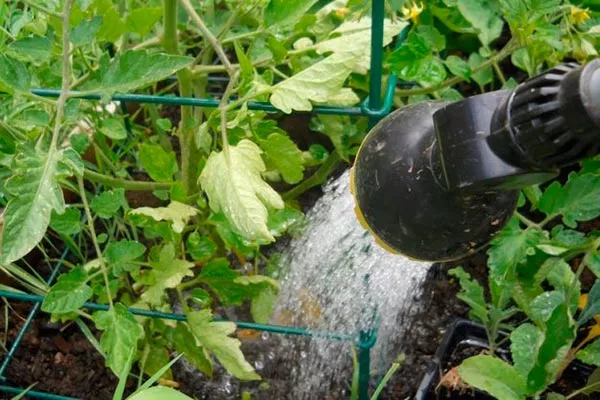
Water the plants once every 5-6 days with filtered, warm water. Increase the frequency during dry periods to prevent the fruits from suffering from moisture deficiency. After each watering, ventilate the greenhouse to prevent excess moisture, which can lead to the development of fungal diseases.
Caring for bushes
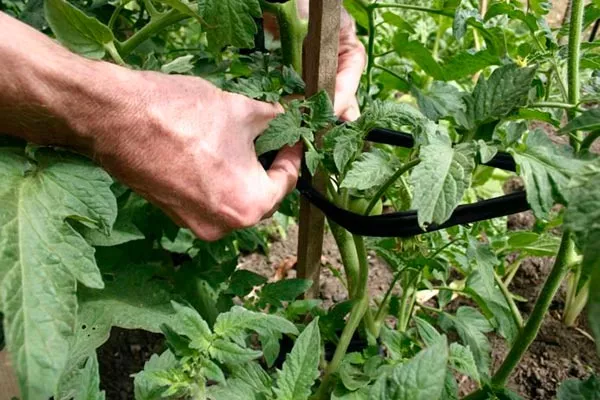
Train the plants to no more than two stems, removing all other side shoots. Tie the shoots to sturdy supports, and if necessary, place stakes under the clusters of ripening fruit to prevent them from breaking under the weight.
Loosening and weeding
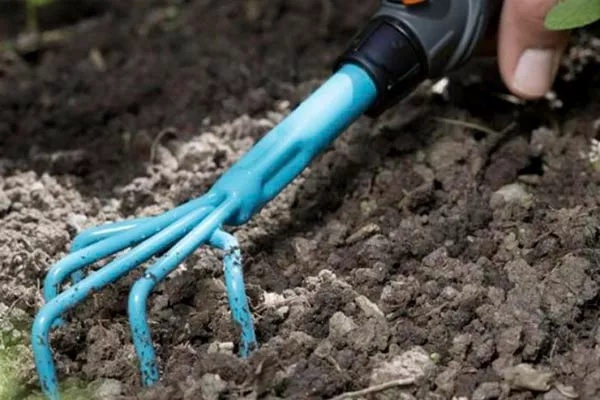
After rain and watering, loosen the soil around the roots to prevent a dry crust from forming, which can impede air flow to the roots. Remove weeds while loosening the soil, as they can harbor insect pests.
Top dressing
Fertilizers are an important aspect of tomato care. Provided the soil is well-nourished, 3-4 applications per season are sufficient, using phosphorus and potassium fertilizers and mullein. Chicken manure is also effective.
If the soil is poor, fertilize the bushes every 10-14 days using a complex mineral substance for tomatoes, which contains nitrogen, potassium and phosphorus.
Pest and disease control
The Japanese tomato has a strong immune system, making it virtually immune to disease and attacks by pathogenic insects. Therefore, pest control is usually unnecessary.
Preventive measures
Although the crop is disease-resistant, fungal diseases can develop in greenhouse conditions if care instructions are not followed. The main cause is high humidity. To prevent this, water the plants moderately, using warm, settled water, and ventilate the greenhouse regularly.
Similar varieties
The Japanese tomato shares characteristics with several other popular varieties, such as Bull's Heart Pink, Pink Honey, and King of Siberia. Here are their key characteristics:
| Name of the variety | Ripening time | Bush height | Fruit shape and weight | Productivity | Peculiarities |
| Bull's heart pink | 120-130 days. | 140-180 cm | Heart-shaped, pink, from 300 to 700 g. | 8-12 kg per plant. | Large fleshy fruits, resistant to cracking, blossom-end rot, and drought. |
| Pink honey | 110-115 days. | 90-120 cm | Round-rectly flattened, with slight ribbing, up to 600 g. | 6-7 kg per bush. | Mid-season variety, suitable for open and closed ground, resistant to TMV and late blight. |
| King of Siberia | Mid-season | up to 180 cm. | Heart-shaped, round, yellow, 350-600 g. | 7-8 kg per plant. | Created for cold climates, unpretentious, with juicy flesh and rich flavor. |
Pros and cons
Before you begin growing these crops, carefully consider their advantages and disadvantages. Japanese cabbage has many advantages:
The variety has one drawback: the seeds are only available from vegetable collectors, and their cost is quite high.
Reviews
The Japanese tomato is an ideal choice for those who value high yields and low-maintenance plants. Its large, tasty fruits are a delight not only when eaten fresh but also when preserved. This variety requires minimal care, is disease-resistant, and adapts well to a variety of conditions. By following proper cultivation practices, you can reap bountiful harvests.