
The Yablochny Minusinsky tomato combines high yields, excellent flavor, and low maintenance. It is ideal for growing in greenhouses and open garden beds, especially in southern regions. Despite the need for side shoots and staking, this variety is rightfully popular among gardeners.
Description of the bush and fruits
The plant reaches 1.8-2 m in height. The stems and root system are robust, consistent with an indeterminate variety.
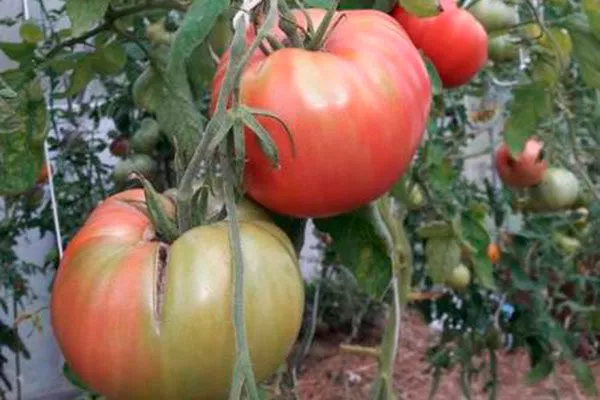
Distinctive features:
- inflorescences – normal, yellowish;
- leaves - dark green, typical for tomatoes;
- flowering – during this period, up to 7-8 fruits can form on the stem;
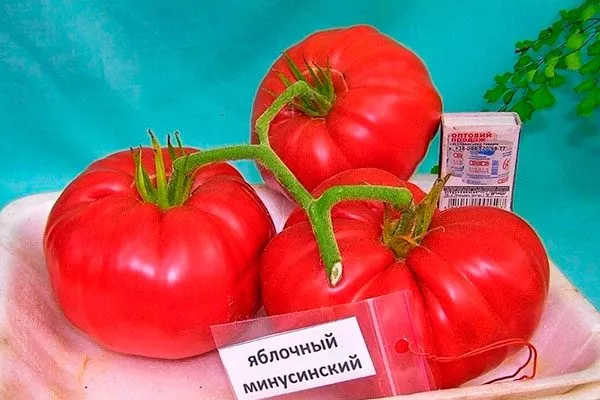
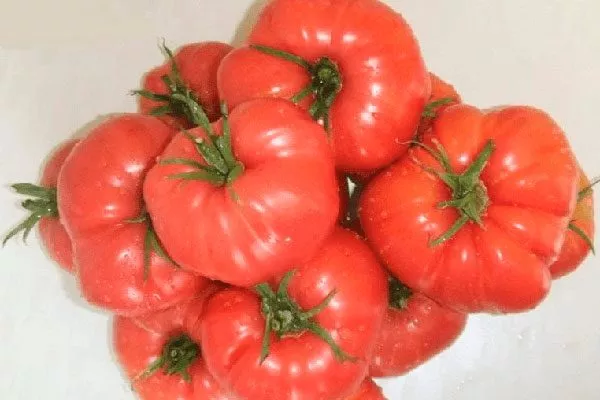
- tomatoes - have a rounded-flat configuration with slight ribbing;
- weight - varies from 300 to 500 g.
The vegetables are pinkish-red in color. They have a refreshing taste and juicy, fleshy flesh with a slight flavor reminiscent of watermelon.
Main characteristics
The Yablochny Minusinsky tomato is ideal for greenhouse cultivation, especially in the southern part of Western Siberia and the Central and Southern Urals. It has many positive qualities that are appreciated not only by experienced vegetable growers but also by novices.
History of the variety's origin
Many agronomists know that in the city of Minusinsk, located in the Krasnoyarsk Krai, there is an experimental station where breeders have developed numerous varieties of Minusinsk tomatoes, including this one. It gets its name from the shape of the fruit, which resembles ripe apples despite its noticeable ribbing.
This variety is not listed in the State Register, but is very popular among gardeners across Russia. It was originally intended for greenhouse cultivation, but residents of southern regions successfully plant it in open beds, producing a good harvest.
Ripening and fruiting, productivity
This is a mid-season variety. The tomato ripens 110-112 days after the first shoots emerge. The crop is characterized by high yields:
- If all agricultural practices are followed, up to 6 kg of large tomatoes can be harvested from one bush;
- With regular application of fertilizers to the soil, productivity indicators can be even higher.
Resistance to adverse factors and growing regions
Minusinsky apple bushes adapt well to Russia's challenging climate and have strong disease resistance. However, to achieve optimal results, preventative measures are necessary.
This variety is suitable for cultivation in all climate zones of Russia. In colder regions, it is grown in greenhouses, and in southern regions, both in hotbeds and open beds.
Purpose and application
The fruits have thin skin, which significantly limits their shelf life, but they do not spoil for up to two weeks. Experienced home cooks try to process tomatoes immediately.
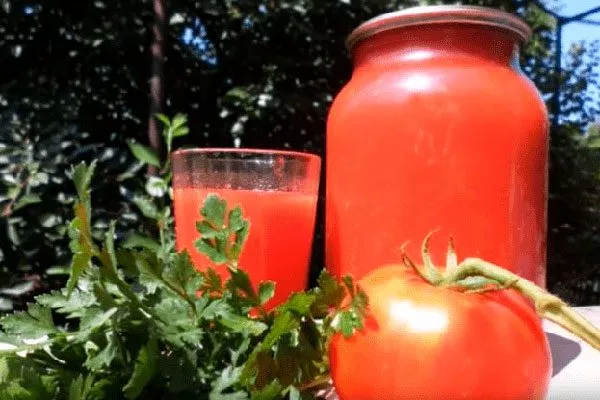
Due to their large size, these tomatoes are not suitable for whole-fruit canning. They are best eaten fresh, in salads, or added to various hot dishes.
How to plant?
Tomato seeds for the "Yablochny Minusinsky" variety are sown two months before transplanting to a permanent location—either outdoors or in a greenhouse. After two true leaves emerge, they are pricked out to ensure normal growth and effective development.
Planting seeds
To ensure healthy sprouts, carefully prepare and treat the seeds before planting. Soak them in a potassium permanganate solution for 20 minutes, then rinse and dry. Afterward, use additional growth stimulants—Fitosporin and Epin are effective.
- ✓ Optimum temperature for seed germination: +25°C until germination, then decrease to +20°C during the day and +16°C at night.
- ✓ Seed planting depth: no more than 1 cm to ensure sufficient oxygen supply and prevent rotting.
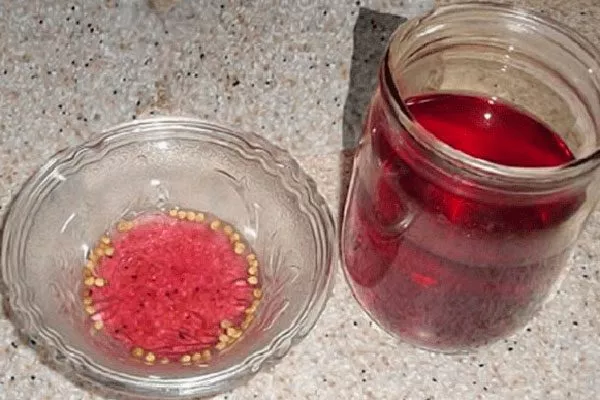
Many experienced gardeners use seed germination to speed up germination. Recommendations for obtaining seedlings:
- Soak a gauze cloth in warm water and spread the seeds evenly.
- Carefully wrap the cloth and place it in a warm place for 24 hours. The first sprouts usually appear on the second day.
Distribute the seeds into prepared seedling growing containers, such as wooden crates or plastic containers. Be sure to disinfect the containers first, then fill them with cleaned and fertilized soil.
To grow seedlings, you can use a store-bought soil mix, which already contains all the necessary nutrients. Or prepare your own by mixing clean soil from your garden or greenhouse with peat, sand, and humus.
Landing algorithm:
- Plant the sprouted seeds in a prepared container with fertilized soil. Space them 4 cm apart on the surface and cover with a 1 cm layer of soil.
- Moisten the soil with a spray bottle, then cover the container with transparent glass or film.
- Place the box with seedlings in a warm place (temperature up to +28°C).
Ventilate the sprouts daily for 10 minutes to saturate the soil with oxygen.
Transplanting seedlings into the ground
Only firmly established tomato seedlings, about two months old, should be transplanted to their permanent location. Provide the plants with regular light, and two weeks before transplanting, begin gradually hardening them off in the fresh air, starting with 10-15 minutes a day and increasing the time by 15 minutes.
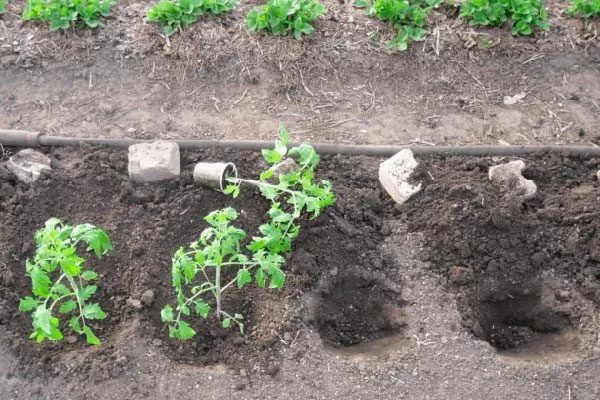
Please follow these guidelines:
- Minusinsk Apple tomato seedlings adapt well to any soil, but add onion peels and eggshells to the planting holes to improve the structure and prevent pest attacks.
- Depending on your region, transplant seedlings in May or early June. Place no more than three plants per square meter of bed. Deepen the holes by 30 cm, planting the seedlings together with the root ball.
Further care of the plant
Caring for the crop involves standard agricultural practices. However, the quality and quantity of the harvest depend on these practices. By implementing the correct techniques, you can maximize yields.
Watering and soil care
Water tomatoes every 3-4 days with warm, settled water, preferably in the evening when the sun's rays are less intense. Be careful not to let the plants become overgrown with weeds.
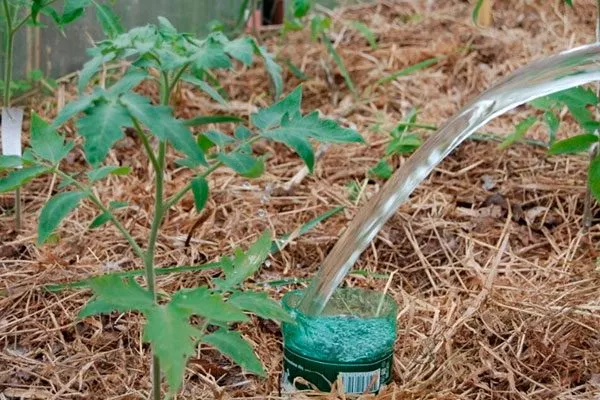
Loosen the soil after every watering or rain to prevent a crust from forming on the surface, which can impede air flow to the roots. This helps retain moisture in the soil and improve its structure.
Weeding involves promptly removing weeds, which compete with tomatoes for nutrients, water, and light. Weeds can also harbor diseases and pests, so pull them out by the roots. All these measures promote healthy plant growth and strengthen the plant's immune system.
Fertilizing and pinching out side shoots
The Yablochny Minusinsky tomato requires only two fertilizations per season. Excessive fertilization can be harmful. Follow these recommendations:
- two weeks after planting the seedlings – add liquid cow manure (0.5 l of substance per 10 l of water);
- the phase of active formation of tomatoes – Use phosphorus-potassium compounds, fertilize with a solution consisting of 10 liters of water, 5 g of superphosphate and 20 g of potassium sulfate.
Train the bushes into two stems: the main trunk and a side shoot located under the first flower cluster. Remove all other side shoots to prevent excessive growth and loss of vigor, which will affect fruit size.
Pest and disease control
The Minusinsk Apple tomato is characterized by a strong immune system that protects the plant from most fungal and viral infections. However, if the watering regime is not met and humidity fluctuates, there is a risk of late blight. To prevent this disease, it is recommended:
- spray the plantings with Bordeaux mixture;
- Treat regularly with Fitosporin.
If late blight has already appeared, insecticides are the most effective way to control it, and they should be applied no later than two weeks before harvest. However, these products may not completely eliminate the infection, so if the infestation is severe, remove the bushes from the area and burn them elsewhere.
Harvesting and storage
Tomatoes ripen 3.5 months after germination. The skins are thin, which limits their shelf life – at the right temperature (for example, in the refrigerator), they will retain their flavor for no more than 10-14 days.
Harvest unripe vegetables and place them in a single layer on the floor or in boxes in a cool, dark place. This will prolong the freshness of tomatoes and allow you to enjoy delicious salads longer.
Pros and cons
The Yablochny Minusinsky tomato is one of the best varieties for growing in Russia's climate thanks to its excellent characteristics. This crop offers numerous advantages:
Among the negative properties, gardeners note the need for tying and regular pinching, and the unsuitability of vegetables for whole-fruit canning.
Comparison of the Yablochny Minusinsky tomato with other varieties
It's impossible to claim that the Minusinsk Apple variety is superior to all other varieties, as each has its own characteristics and advantages. Below is a comparison table:
| Name | Ripening period and yield | Description | Characteristics of tomatoes |
| Apple Minusinsk |
| Mid-season, indeterminate. Suitable for greenhouses, requires staking and training into two stems. Suitable for salads and processing. | Flat-round, slightly ribbed. Red in color, weighing 500 g. |
| Minusinsk bulls |
| Mid-season, indeterminate. Grown in greenhouses and open beds. Ideal for salads and processing. | Heart-shaped, ribbed, raspberry-pink in color, weighing up to 250 g. |
| Abakan pink |
| Late-ripening, low-growing variety. Can be grown in plots and greenhouses. Requires staking and shaping. Uses: for salads and processing. | Flat-round, slightly ribbed, pink, weight up to 500 g. |
| Altai masterpiece |
| Mid-season, indeterminate. Cultivated in beds and greenhouses. Requires staking and structuring. Suitable for salads. | Flat-round, with medium ribbing, red tint, weighing up to 400 g. |
| Big Beef |
| Mid-early, indeterminate. It performs well in greenhouses and vegetable gardens. The stems require support, and the bush requires shaping. This is a salad variety. | Flat-round, slightly ribbed, red in colour, weighing up to 280 g. |
Reviews
The Yablochny Minusinsky tomato is a large-fruited variety. Its fleshy tomatoes have an excellent flavor and aroma. These tomatoes are used exclusively fresh – in salads, slices, and as a garnish. This variety is suitable for growing in various climates and is renowned for its high resistance to diseases and pests.