
The Yablochnye tomato is an excellent choice for those who value high yields and resistance to adverse weather conditions. Its juicy tomatoes will delight you all season long. When all agricultural practices are followed, this variety guarantees excellent results even in the most challenging climates.
Breeding history
The Yablochnye variety was developed in Altai, but its originator remains unknown, and it is not included in the State Register. Gardeners value this variety for its cold tolerance, versatility, and ease of cultivation.
Description of the Apple tomato variety
This is an indeterminate plant. The bushes reach a height of about 100 cm and require staking and reliable support. The stems are quite fragile, so shoring up mature bushes is not recommended to prevent damage. The plants are moderately foliated.
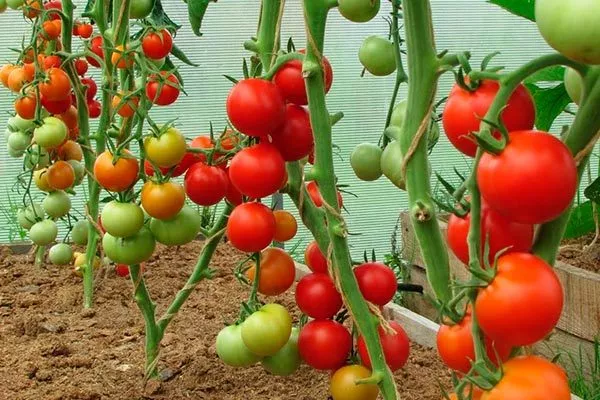
Main characteristics of tomatoes:
- bright red-pink color;
- rounded shape with slight ribbing;
- weight reaches 500 g;
- dense and juicy pulp with a rich sweet taste;
- pronounced aroma;
- minimal amount of seeds, which makes vegetables practically waste-free.
- ✓ High resistance to blossom end rot with proper care.
- ✓ Frequent pinching is necessary to form large fruits.
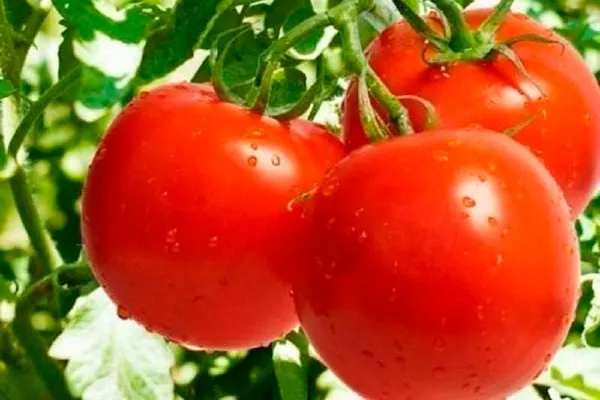
The vegetables are ideal for salads and other dishes due to their dense texture and pleasant aroma.
Characteristics
This variety attracts gardeners with its large tomatoes, excellent flavor, and versatility. Its high yield and hardiness make it popular in both southern and northern regions of Russia.
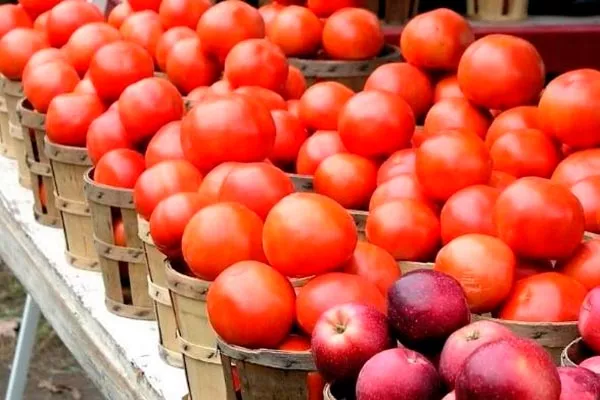
Features of the variety:
- Ripening time and yield of the Apple tomato. The ripening period is approximately 110 days from planting, but this can vary depending on growing conditions. In northern regions, the period increases to 120 days.
Proper plant care helps ensure timely harvest. A single bush yields up to 5 kg, or approximately 10-15 tomatoes. - Resistance to adverse factors. The crop is characterized by its low maintenance and resistance to low temperatures. Tomatoes are not prone to cracking and are resistant to pathogens, adverse weather conditions, and cool summers.
- Where they are grown. The bushes thrive in warm regions of Russia, including the Urals and Siberia. They are grown both in open ground and in plastic greenhouses.
- Methods of application. This variety is widely used in both home and professional cooking. Thanks to its versatility, it's perfect for desserts, appetizers, salads, and juices. It's also used to make ketchups, sauces, pastes, lecho, and adjika, and is also eaten fresh.
The fruits are characterized by high nutritional value.
Features of agricultural technology
To ensure bountiful harvests in the future, it's important to grow high-quality seedlings and provide them with proper care. Even a novice vegetable gardener can handle this task, as long as you follow certain guidelines.
Sowing seeds
Grow the crop using seedlings. Sow the seeds in late February or early March using pots or special containers. Plant them in the soil to a depth of 10-15 mm, ensuring the soil temperature is at least 20°C.
- ✓ Optimum soil temperature for seed germination: +22°C to +25°C.
- ✓ The need to use growth stimulants to improve seed germination in low temperature conditions.
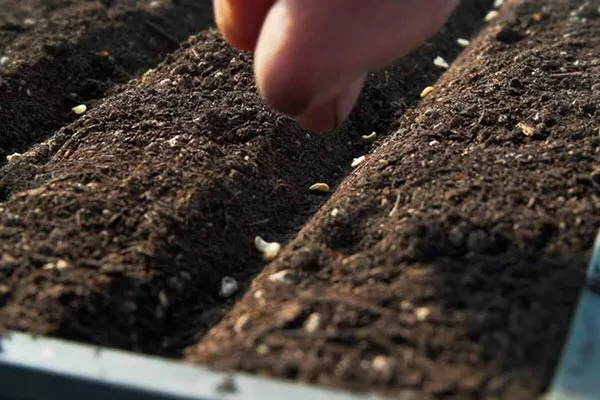
For sowing, use pots with a capacity of at least 400 ml with drainage holes.
Sowing with picking:
- Pour a 3-4 cm layer of soil into a small flat container (for example, a disposable plastic plate), after clearing it of lumps and chips, and lightly moisten it.
- On the soil surface, mark a grid with 1-2 cm cells and place the seeds where the lines intersect.
- Sprinkle the planting material with a layer of soil about 1 cm thick and moisten again.
- To prevent the soil from drying out, cover the container with a lid or place it in a plastic bag until the seedlings appear.
Sowing without picking:
- Fill the pot 2/3 full with soil and moisten the soil.
- Make a small hole, place the seed in it and water lightly.
- Sprinkle with soil and spray with water.
To retain moisture, cover the container with plastic wrap and do not remove it until sprouts appear.
Transplanting
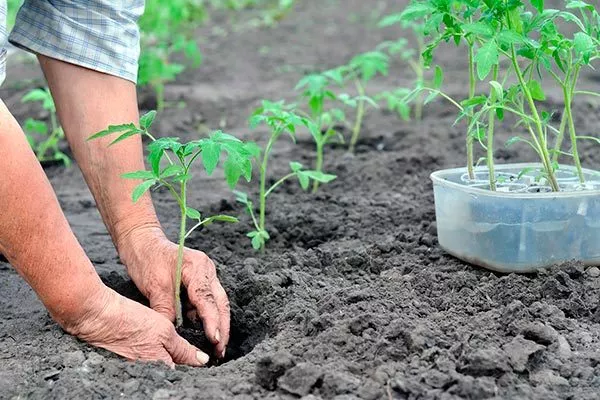
Prepare the area for transplanting seedlings into the ground. Follow these step-by-step instructions:
- Dig a planting hole and fill it with 3-5 liters of water. Let the soil settle for 30-60 minutes.
- Water the seedlings thoroughly in the pot until the soil is completely saturated. This will make it easier to remove the plant.
- Carefully remove the seedling along with the root ball, being careful not to damage the roots. Place it in the hole, lightly compact the soil around it, and cover it with soil, leaving a small depression at the base of the stem—this will make it easier to water the roots.
Care tips
When growing tomatoes, both outdoors and in a greenhouse, staking and shaping are essential. In addition to the main stem, secure the heavy clusters as well. To obtain larger fruits (up to 500 g), thin them out. If the goal is to produce more, but smaller, tomatoes, do nothing.
Other useful tips:
- Water generously, using warm water at the roots. Avoid wetting the foliage. Frequent watering is undesirable, as it will make the tomatoes watery and less sweet.
- Remove weeds regularly and monitor the condition of the soil.
- Remove side shoots from the bushes and trim off the lower leaves.
Fertilize the plant with various fertilizers every two weeks. To improve flavor, use fertilizers containing potassium, calcium, and phosphorus.
Treatment and prevention of diseases and pests
The Yablochnye tomato variety can suffer from blossom-end rot. This problem can be eliminated by spraying:
- Calcium nitrate: 7-10 g per 10 l of water.
- Boric acid: 10 g per 10 l of water.
- With the drug Brexil Ca (containing calcium and boron).
- Infusion of wood ash: 200 g per 1 liter of boiling water, leave for 1 day, strain, dilute to 10 liters of cold water.
- With soda solution: 20 g per 10 l of water.
- Fitosporin: 5 g per 10 l of water.
Even watering is also important. Drought impairs calcium absorption from the soil, which can trigger disease. To prevent drying out and stressing plants, mulch the soil with peat, especially during hot summers and in sandy areas.
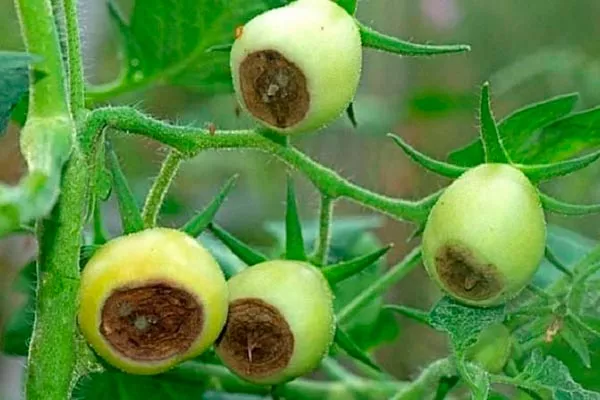
Soil dilution helps prevent blossom-end rot. To achieve this, add dolomite flour (400-500 g per square meter) before planting tomatoes in acidic soils. This will help create a more favorable slightly acidic balance for the plant.
Pros and cons
This variety has many advantages that make it popular and attract the attention of vegetable growers in our country.
Disadvantages of this variety include the need for staking and removal of side shoots (side shoots). Furthermore, the tomatoes are not suitable for whole canning, as they are too soft.
Reviews
Yablochkovye is a tomato variety that has gained popularity due to its excellent flavor and hardiness. Bred for cultivation in variable climates, it successfully adapts to various regions of Russia. It has many positive qualities that are appreciated by gardeners. It is ideal for beginners, as it requires no experience to grow.