
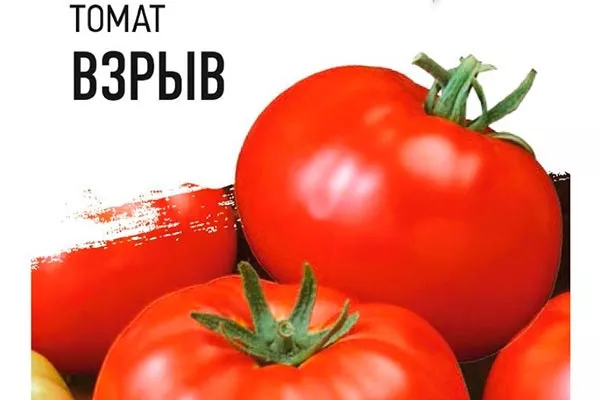
Vzryv is an early-ripening tomato variety popular with domestic vegetable growers. It is prized for its abundant and uniform ripening of fruits, their pleasant flavor and marketable appearance, the bushes' good tolerance to adverse weather conditions, and its strong immunity. It is suitable for greenhouse cultivation and for cultivation in open garden plots.
Historical background
The variety was developed in the early 2000s by Russian breeder V. I. Kozak. In 2007, it was added to the Russian Federation State Register and approved for use in most regions of the country.
Distinctive features of the plant
Bushes belonging to the varietal family are determinate, but not standard. They are distinguished by their external characteristics:
- short stature (0.4-0.65 m);
- low branching;
- spreading;
- moderate foliage;
- stability and strength of the main stem;
- Foliage: medium-sized, light green.
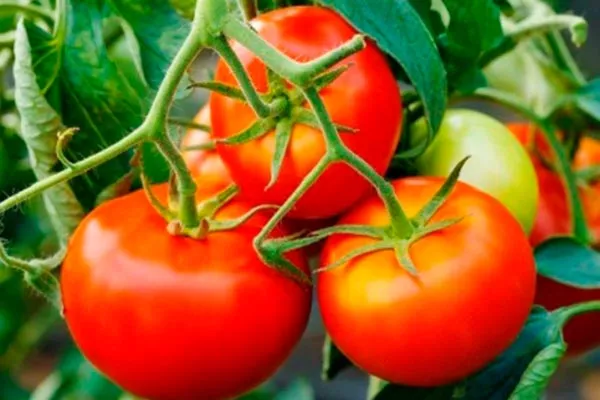
Explosion plants require moderate pinching or do without it. They can be grown without staking. They are characterized by cluster-type fruiting. Each cluster produces 3 to 6 tomatoes.
Description of fruits and their taste
Tomatoes of this variety are attractive in appearance and have high consumer qualities. They possess the following characteristics:
- rounded shape;
- slightly pronounced ribbing;
- average weight - 90-100 g (the first ripe fruits are larger - 150-200 g, tomatoes from the lower shoots always weigh more than those growing in the upper part of the bush);
- uniform bright red skin color, without spots or other defects;
- medium-dense pulp, elastic and fleshy, with 6-7 seed chambers.
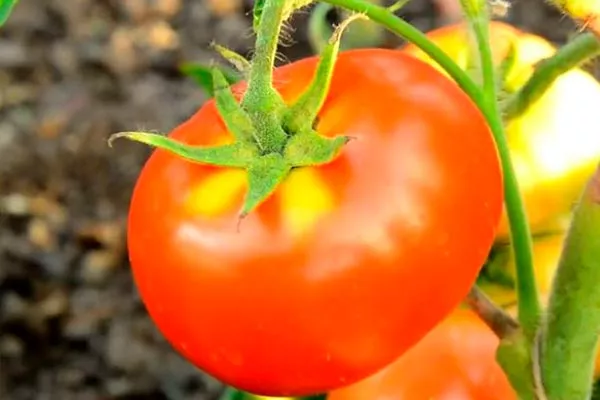
The flavor of the Vzryva fruit is pleasant, harmoniously combining moderate sweetness with a slight, refreshing acidity.
Key characteristics of the variety
If you're planning to grow a particular tomato variety in your garden, familiarize yourself with its technical characteristics. It's highly productive, cold- and drought-resistant, and resistant to many nightshade diseases (late blight, blossom-end rot, and root rot).
Scope of application
The skin covering the firm fruits holds the flesh well. When sliced, the tomatoes look neat and add a beautiful appearance to a salad. They are used to make tomato paste and juice, ketchup, various sauces, and borscht dressing. They are also added to vegetable stews, side dishes, and soups.
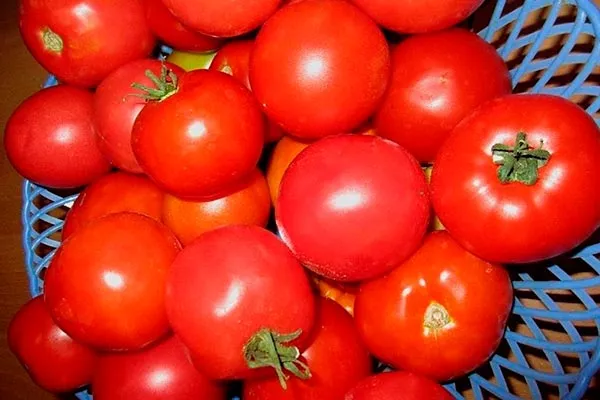
The Explosion tomato crop is versatile in its purpose:
- tomatoes are eaten fresh;
- add them to summer salads;
- used for processing, preparing various dishes, canning and pickling.
Varietal tomatoes are also used for winter preserves. Fruits weighing no more than 90-100 g are suitable for whole-fruit canning. Their small size and firm texture make them look great in jars. They don't crack and retain their shape.
Ripening, fruiting and productivity
Early ripening is the hallmark of the Vzryv tomato. The harvest ripens 100-110 days after the first shoots emerge. Gardeners appreciate this variety for its consistent harvest, which ends before the onset of widespread blight on nightshades. The tomatoes ripen almost simultaneously in July.
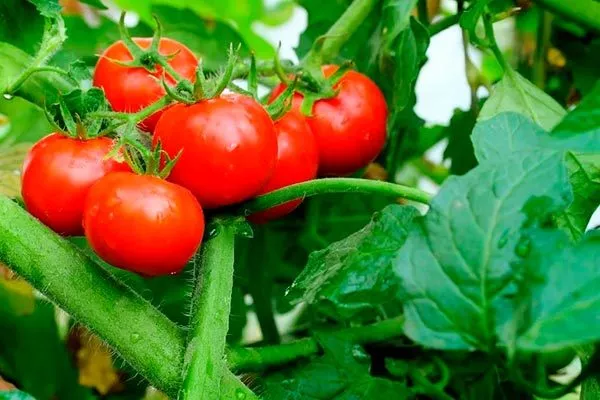
The variety owes its name to the high productivity of its plants. These are:
- 2.3-3 kg from 1 bush (average yield);
- from 4.1 kg per 1 sq. m of tomato planting (when growing the crop in field conditions without cover, in greenhouses its yield is higher).
The fertility of the Vzryv tomato plantings is ensured by their robustness, good tolerance to adverse weather conditions, and resistance to many diseases. Even in open gardens, they produce a high-quality and abundant harvest.
Climate and zoning
This cultivar was developed by its author specifically for areas with unstable farming practices. It grows successfully almost everywhere. The State Register of the Russian Federation has approved it for cultivation in the following regions of the country:
- Northern;
- North-West;
- Central;
- Volga-Vyatka;
- Central Black Earth Region;
- North Caucasian;
- Middle Volga;
- Lower Volga;
- Ural;
- West Siberian;
- East Siberian;
- Far Eastern.
How to grow seedlings?
Gardeners grow this varietal variety of the vegetable both outdoors and indoors using seedlings. Seed sowing begins in mid-March in the south, from late March to mid-April in the central part of the country, and after April 15 in the northern regions. This is done 57 days before transplanting the seedlings to the garden.
- ✓ Optimum soil temperature for planting seedlings: +15°C in open ground, +10°C in a greenhouse.
- ✓ The need for 12-hour daylight for seedlings, provision of phytolamps when there is insufficient natural light.
When transplanting Vzryva seedlings to the garden bed, the soil should be well warmed: up to 15°C in the garden, and at least 10°C in the greenhouse. If transferring them to open areas of the garden, make sure there is no longer any risk of frost.
Seed preparation
Prepare the seeds for planting by performing procedures that improve germination and prevent disease. First, sort through the seeds. Discard any that are of poor quality. Select whole, large, full-bodied, undamaged, and brightly colored seeds for planting. Disinfect them:
- by placing it in a bowl of hot water for a quarter of an hour to kill parasites and their larvae;
- soaking them in a solution of potassium permanganate (concentration - 1%) for half an hour to prevent fungal infection and rot.
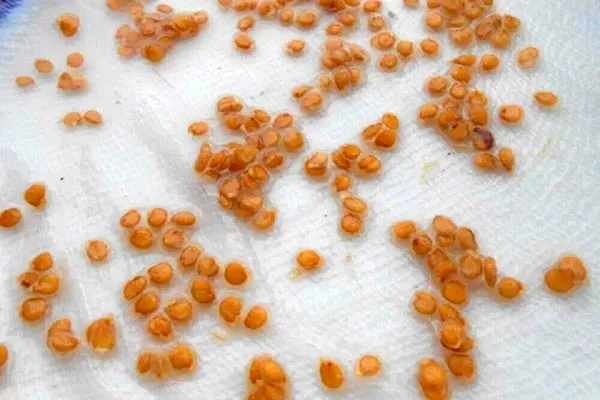
To increase the germination rate of tomato seeds, treat them with the following substances:
- 3% hydrogen peroxide solution (10 drops per 250 ml of water, soak in it for at least 4 hours);
- with a solution of Zircon, Epin, Energen (soak for 15 hours, this measure is indicated for “old” seeds with a faded color).
Container and soil
Use reusable containers from a flower shop to grow Vzryva seedlings. They come with a drainage tray and a lid to provide greenhouse-like conditions for the seedlings. Be sure to wash them in hot water and then treat them with a potassium permanganate solution.
Peat pots or pellets are also suitable for tomato seedlings. These individual containers are suitable for both transplanting grown seedlings and sowing seeds. The latter option eliminates the need to transplant plants from a common container, exposing them to stress and risking injury.
To save on the cost of special containers and peat pots, many gardeners grow seedlings in containers like these:
- any plastic or wooden boxes of suitable size;
- cut boxes or bottles from milk, yogurt, kefir, juice;
- disposable plastic or cardboard cups.
To grow "Vzryv" tomato seedlings, use loose, nutritious soil with a neutral pH, free of weed seeds and pathogens. Loamy soil, enriched with river sand and fertilizer (manure, bird droppings, peat, compost, superphosphate), is suitable.
Remember that homemade soil mix will need to be disinfected before sowing by baking it in the oven or watering it with a 1% potassium permanganate solution. To save time preparing the mix and disinfecting it, buy a universal soil mix from the store. It's clean and enriched with nutrients.
Sowing
Sow the seeds of the Explosion variety in soil-filled boxes, observing the following guidelines:
- the distance between seeds in a row is 2 cm;
- row spacing - 3 cm;
- planting depth - 1 cm.
Finally, gently mist the vegetable planting with a spray bottle. Cover it with plastic or glass to create a greenhouse effect. Leave it in a warm place (24°C) out of direct sunlight. Sprouts will appear in 10-14 days.
Growing and care, picking and hardening
When the seedlings emerge, remove the plastic wrap and move the tomato planter to a sunny windowsill. Reduce the room temperature to 20°C. Carefully care for the seedlings. Water them moderately with lukewarm, settled water. Repeat this procedure as the soil in the planter dries out. Avoid overwatering. Gently loosen the soil beneath the plants.
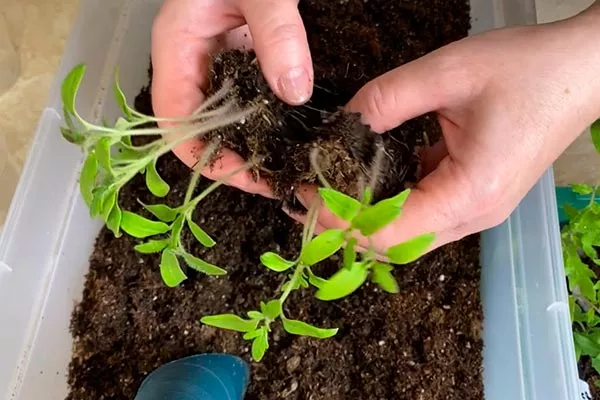
Fertilize the seedlings several times:
- water them with a solution of Agricola or Krepysh 14 days after picking;
- 2 weeks after the first feeding, add Superphosphate.
Remember that seedlings need plenty of sun to develop properly and grow well. They require 12 hours of daylight, which you can provide using phytolamps. Insufficient light can cause the seedlings to stretch.
Ten to fourteen days before transplanting the Vzryva seedlings to the garden, begin increasing their cold hardiness. Harden them off by placing them outside. For the first time, leave the plants outside for three hours. Then, add an hour to their time outside. Let them spend their final night outside under plastic.
Planting in closed ground
Grow vegetables in a greenhouse with light, fertile soil. Prepare the soil for transplanting seedlings in the fall. Replace the topsoil (at least 10 cm thick) with fresh, nutritious soil. Be sure to remove plant debris and weeds from the bed. Dig over the soil and fertilize with compost.
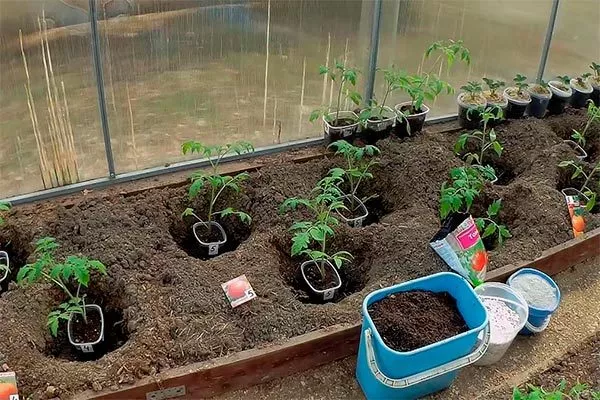
If you don't change the top layer of soil in your greenhouse, increase the fertility of the soil by adding nutrients:
- manure or humus (consumption rate - 4-6 kg/sq. m);
- ammonium nitrate (8 g/sq. m);
- Superphosphate (30 g/sq.m);
- potassium magnesium sulfate (10 g/m2).
Plant the Vzryva seedlings in the greenhouse when they reach 60-65 days of age. They should have 5-7 true leaves. Ideally, this should be done in mid-May.
Transplant the seedlings, along with the root ball, into 20 cm deep holes dug in the garden bed. Follow the planting pattern:
- the distance between seedlings is 40 cm;
- row spacing is 50-60 cm.
After planting, cover the roots of the seedlings with soil. Water the tomato bed generously. Avoid watering for the next 10 days. To ensure good growth, maintain the following conditions in the shelter:
- soil temperature - above +10°C;
- air temperature - +17-19°C during the day, +12-14°C at night;
- air humidity - 60-70%;
- soil moisture - 70-75% (during the fruiting period - 80%);
- good ventilation.
Growing in open ground
Cultivation of the variety outside of film shelter is possible in regions with favorable climatic conditions in areas with the following characteristics:
- solar;
- windless;
- protected from drafts;
- not subject to flooding;
- located on a hill, level;
- used last season as a bed for cucumbers, onions, beets, beans, and melons;
- with loose fertile soil, slightly alkaline or neutral in acidity.
The selected garden site will need to be dug over in the fall, cleared of weeds, and fertilized with organic matter (cow manure or humus) and mineral fertilizers (superphosphate, potassium sulfate). If the soil is dense, add coarse sand to improve its texture. Add wood ash to acidic soil.
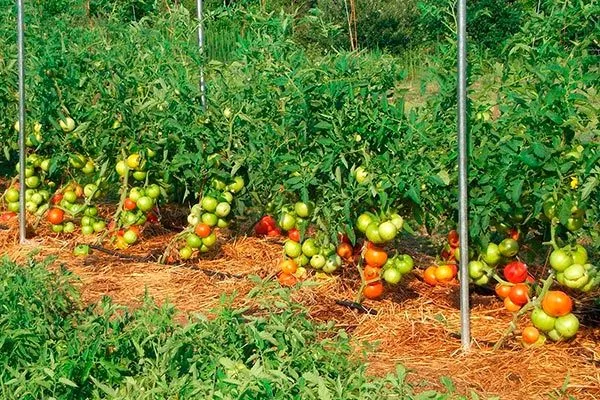
Plant the Explosion variety seedlings on a cloudy day, following these steps:
- Make planting holes in the soil, keeping a distance of 40 cm between them and 50-60 cm between rows.
- One day before planting seedlings in the garden bed, water the holes with boiling water to destroy pest larvae and pathogenic microorganisms living in the garden soil.
- Plant the seedlings together with the root ball, without breaking it up. This will protect the roots from damage and help them establish themselves more quickly in the garden.
- When replanting tomatoes, add wood ash (100 g per plant) and ammonium nitrate (50 g per plant) to the holes. Be sure to apply fertilizer when transplanting the seedlings to the garden bed if you didn't enrich the garden soil with nutrients in the fall.
- Water the planting with warm, settled water.
Don't crowd your tomato plants. Space 3-4 plants per square meter. Failure to do so will deprive the plants of sufficient nutrients to produce abundant fruit, increasing the risk of disease.
Moving on
The Vzryv tomato is considered an easy-to-grow vegetable. Its bushes produce fruit without any additional treatments, are rarely susceptible to disease, and can survive without pinching. Standard care is sufficient to maintain health and ensure productivity.
Watering tomatoes
Tomatoes are moisture-loving but don't tolerate waterlogged soils. Excessive moisture can lead to disease. The frequency of watering and the amount of water applied vary depending on the plant's development stage:
- water the vegetable crop weekly after transplanting it into the garden bed, using up to 5 liters of water per plant;
- During the fruit formation period, water the tomato plantings every 3 days, using 3 liters of water per plant;
- Reduce watering while tomatoes are ripening to prevent them from losing their rich, sweet flavor and becoming watery.
Water tomato plants with sun-warmed water that has been left to settle in barrels. Avoid letting any water drip onto the foliage. Perform this procedure in the morning or evening. Afterward, open the greenhouse for ventilation. This will prevent the soil and air humidity in the greenhouse from rising.
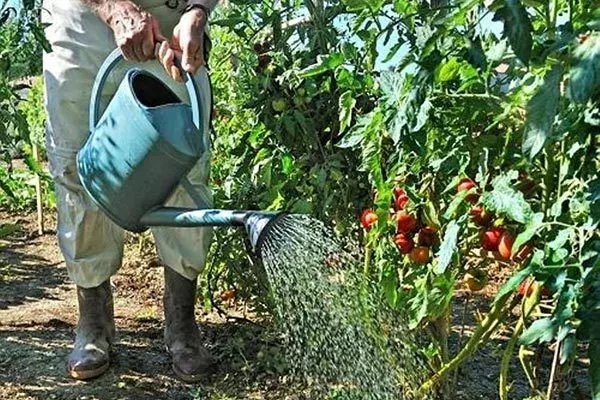
After watering your tomato plants, properly care for the soil they grow in. This includes the following procedures:
- weeding;
- surface loosening;
- mulching.
Feeding scheme
You won't get the maximum yield from your Explosion tomato without fertilizing it. Fertilize it with organic or mineral fertilizers three times during the season. Follow the fertilization schedule:
- Before the budding phase begins Apply nitrogen fertilizer (for example, a mullein solution) to stimulate the growth of greenery on tomato bushes.
- During the flowering period Provide the 'Vzryv' variety with sufficient nutrients such as potassium and phosphorus. Water it with a liquid fertilizer consisting of 10 liters of water, 40 g of superphosphate, and 40 g of potassium sulfate.
- During the formation and maturation of the fruit ovary Feed the plants in the garden bed with sodium humate dissolved in water (3 g per 10 liters). This will speed up the harvest.
| Type of feeding | Period of contribution | Efficiency |
|---|---|---|
| Organic (mullein) | Before budding | Tall for growing greenery |
| Mineral (Superphosphate + potassium sulfate) | Flowering period | Tall for fruiting |
| Sodium humate | Formation of the ovary | Accelerates ripening |
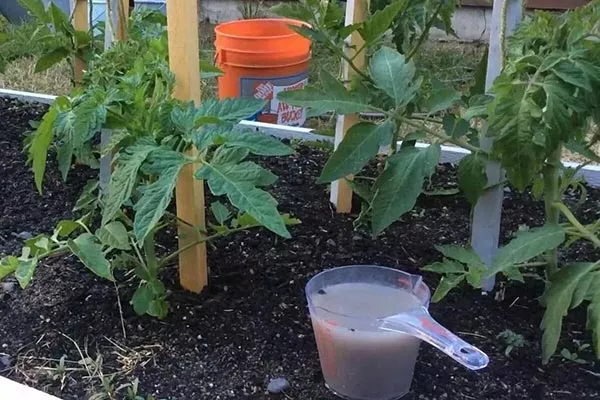
Tomato plants respond well to fertilization with wood ash. Work the dry material into the soil beneath the plants. It can also be used as an aqueous solution (50 g of powdered ash per 10 liters of water).
Pinching out stepsons
One of the advantages of the Vzryv variety is that it requires no side shoots. However, experienced gardeners don't shy away from this procedure, which increases the yield. They moderately remove excess shoots from the bush to direct all its energy toward fruiting.
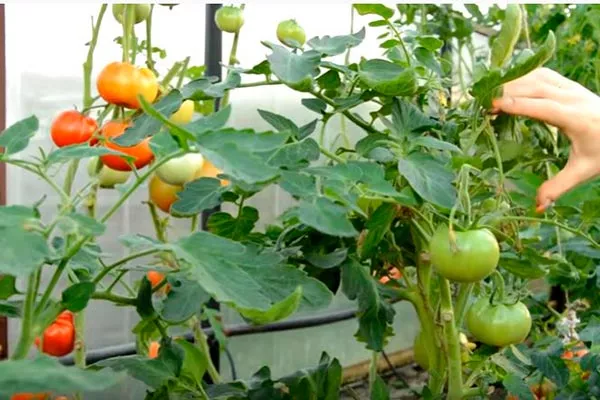
When growing a tomato cultivar, you can get by without staking the bushes. However, if you want to ensure 100% protection against shoot breakage under the weight of ripening fruit, be sure to secure them to a support structure.
Features of cultivation and possible difficulties
The Explosion tomato has several features regarding its cultivation:
- Although the plants of this cultivar have been bred to be resistant to harsh climates, they are not grown outdoors in colder regions. There, the variety is cultivated only in greenhouses and hotbeds.
- Fruit sets well on the bushes even without regular watering. Despite the plant's good drought tolerance, don't neglect regular and moderate irrigation. This is the key to abundant fruiting and a high-quality harvest.
- The Vzryv tomato variety can be grown not only from seedlings. Gardeners also practice direct sowing of seeds into garden soil, which produces good results, especially in warm climates. However, only seedling cultivation allows for an early harvest.
Gardeners don't encounter any particular difficulties when growing varietal tomatoes. Complications may arise for the following reasons:
- Due to the increased demand of the Explosion plants for lighting, making their cultivation in a greenhouse difficult. Without artificial lighting, the plants will not achieve their maximum productivity indoors.
- Due to the refusal of the garterIn the variety description, its creators state that the bushes don't need to be secured to a trellis or tied to stakes. In reality, the main shoot bends toward the ground, unable to support the weight of the ripening fruit. Breaking is common.
Treatment and prevention of diseases and pests
This vegetable variety boasts strong immunity. Its bushes are rarely affected by late blight and are not prone to blossom-end rot. Diseases are only observed when agricultural practices are not followed or during adverse weather conditions.
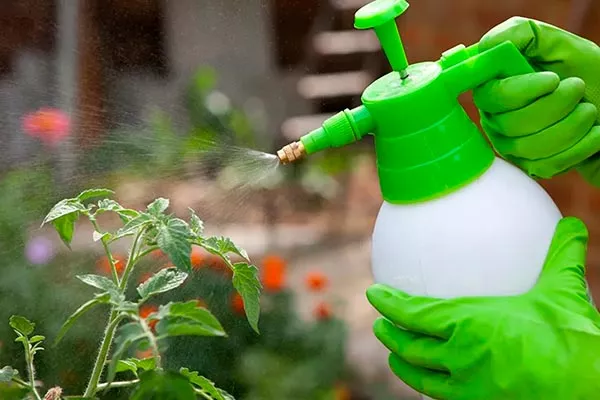
Poorly cared for tomato plants can cause signs of late blight, white rot, or root rot. For treatment, use folk remedies such as hydrogen peroxide solution, potassium permanganate, or copper sulfate. Use biofungicides (such as Fitosporin-M) or chemical treatments:
- Horus;
- Fast;
- Topaz.
Plantings of the Vzryv tomato variety are rarely attacked by insects. Under unfavorable growing conditions, gardeners have found the following pests:
- spider mite;
- whitefly;
- scoop;
- wireworm;
- root-knot nematode;
- mole cricket;
- slugs.
To get rid of pests, spray the bushes with an infusion of celandine, wormwood, or yarrow. Dilute them with water at a ratio of 1:10. Don't forget to add a small amount of laundry soap, crushed into shavings, to the liquid mixture (40 g per 10 l).
If tomato infestations are severe, use insecticides and insectoacaricides. Biotlin is particularly effective. Remember that chemicals should not be used less than 30 days before harvest. Replace them with biological products.
To prevent diseases and pests, follow proper vegetable care guidelines. Take the following steps:
- regularly inspect the planting for the first signs of infection and pest damage;
- Treat seedling bushes within the first week after transplanting them into the garden with calcium nitrate or Fitosporin-M;
- To prevent tomato bushes from becoming diseased, use other preparations: Ordan, Bordeaux mixture, HOM, Quadris, Trichodermin, Ridomil Gold (use them 7 days before transplanting seedlings to the garden or a week after transferring them to the garden bed, and also when there is a risk of fungal infection spreading in cold and damp summers, with a frequency of once every 2-2.5 weeks).
You can prevent tomato plantings from becoming diseased if you sow seeds treated with a solution of potassium permanganate or any fungicide.
Harvesting and storage
Harvest the Explosion bushes as they ripen. If they're growing in open areas of the garden, be sure to harvest the fruit before frost sets in.
Sort the harvested tomatoes. For storage, reserve whole, undamaged, and not overripe tomatoes. Place them in a clean container, wrapping each one in a paper towel. Provide them with favorable conditions to ensure their longevity:
- temperature range: +7-14°С;
- humidity - no more than 80%;
- mandatory ventilation.
Pros and cons
The variety is loved by domestic gardeners for its many advantages, such as:
The Explosion tomato also has several drawbacks: the bushes require high lighting, the tomatoes have a dense structure, and their taste has a sourness that not every eater likes.
Similar varieties
| Name | Ripening period | Disease resistance | Bush type |
|---|---|---|---|
| Sanka | ultra-early | average | determinant |
| White filling | early ripening | average | determinant |
| Agatha | early | low | determinant |
| Volgogradsky 323 | early maturing | low | determinant |
The Vzryv tomato has many similar varieties with similar characteristics. Experienced vegetable growers classify these varieties as:
- SankaThis is a representative of the determinate, ultra-early vegetable varieties. The bushes reach a height of 0.6 m and do not require pinching. They produce delicious, red, round fruits weighing up to 100 g.
From 1 plant in open ground, summer residents get up to 2.5 kg, from a greenhouse plant - up to 3-4 kg.
This variety differs from Vzryv in that its bushes are more often affected by late blight. - White fillingThis is an early-ripening determinate variety. The bushes grow up to 0.5 m and do not require pinching. They produce red, round fruits weighing up to 150 g.
Gardeners harvest up to 3 kg of crops from one plant.
The variety is unpretentious and moderately resistant to infections. - AgathaThis is an early determinate variety. The bushes reach a height of 0.45 m and do not require side shoots. They produce red, round-flattened fruits weighing up to 110 g.
The yield in an open garden bed reaches 2 kg, in closed ground - 4 kg.
The variety is susceptible to late blight, but the harvest is produced before the disease spreads widely. - Volgogradsky 323This is an early-ripening determinate variety. The bushes grow up to 0.6 m and do not require pinching. They produce red, round fruits weighing up to 130 g.
The yield in greenhouse conditions is high (up to 5 kg per plant).
The variety is characterized by good tolerance to cold weather, but its plants do not have good resistance to the main tomato infections.
Reviews
Vzryv is a breakthrough in domestic breeding. This variety is beloved by gardeners for its early and uniform ripening, good marketability, productive bushes, drought and cold resistance, and strong immunity. It is chosen by those who appreciate tomatoes with a classic sweet and sour flavor that keep well and do not lose their appearance during transportation.