
"The envy of all" isn't just a popular phrase, but a sought-after tomato variety with a unique color and pleasant flavor. The plants are resistant to disease and temperature fluctuations, demonstrating good productivity. The main characteristic of this hybrid is that the vegetables are resistant to cracking and ripen perfectly after harvest. With proper care, you can reap a bountiful harvest.
Appearance of the bush and fruits
This ornamental plant can beautify a garden plot. Plants grow tall, reaching 160 cm, but remain compact and have sparse foliage.
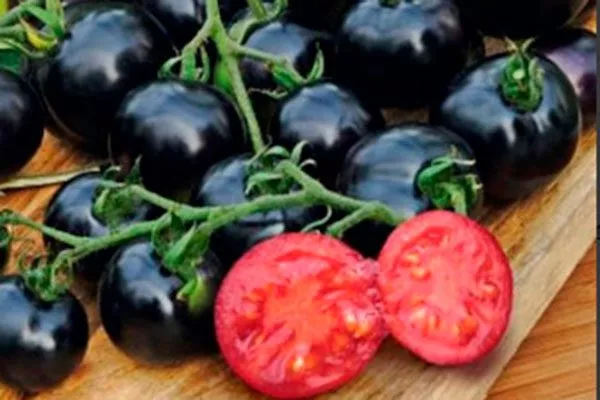
Distinctive features:
- Fruit brushes are of a simple type, with 7 to 10 tomatoes being formed on each brush at a time.
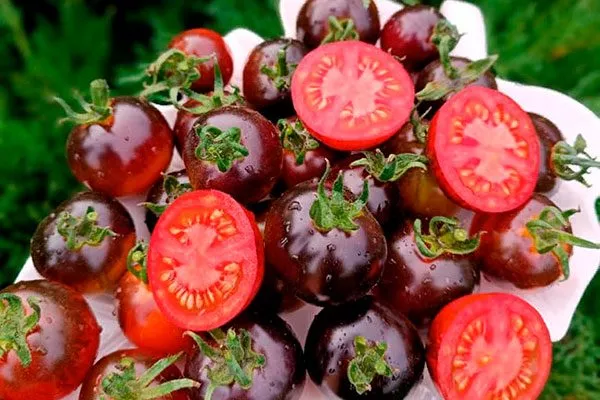
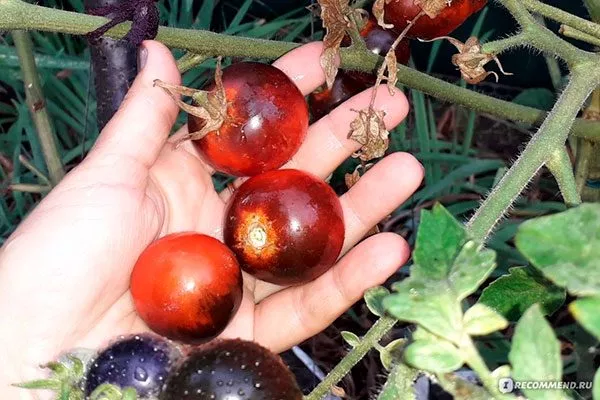
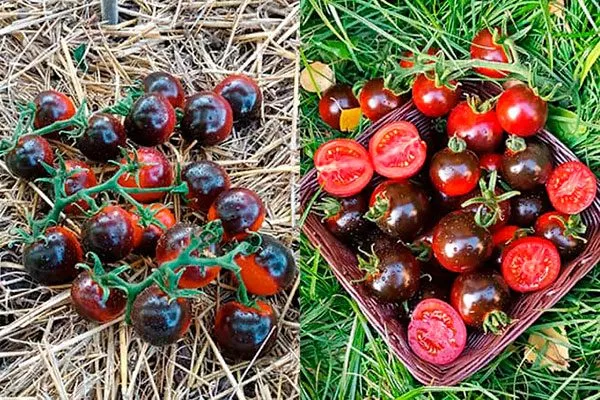
- This hybrid produces small, round tomatoes. When unripe, they are green, but as they ripen, they turn a deep bluish-black. They weigh between 60 and 80 g.
- The pulp is dense, with a distinct fruity flavor and an intense cherry-red hue.
- The skin is smooth and shiny, giving the fruit additional appeal.
Characteristics of the variety
This popular indeterminate hybrid was developed using traditional modification methods. Russian breeders worked on its creation. It's a true find for gardeners, combining ornamental beauty with good productivity. It also boasts many other positive qualities.
Ripening period, yield
This is an early-ripening variety. The tomatoes are ready for harvest in just 95-100 days. Fruiting lasts from July to August.
The crop demonstrates consistent productivity. With proper care and adherence to agricultural requirements, approximately 4.2-5 kg of juicy tomatoes can be harvested per square meter.
Purpose and application
Tomatoes are characterized by a unique flavor with a harmonious balance of acids and sugars, as well as distinct fruity notes. Ripe fruits have valuable medicinal properties. They are rich in carotenoids, which give the skin its dark purple hue. These substances:
- strengthen the immune system;
- improve the condition of blood vessels;
- promote safe weight loss;
- help normalize blood sugar levels.
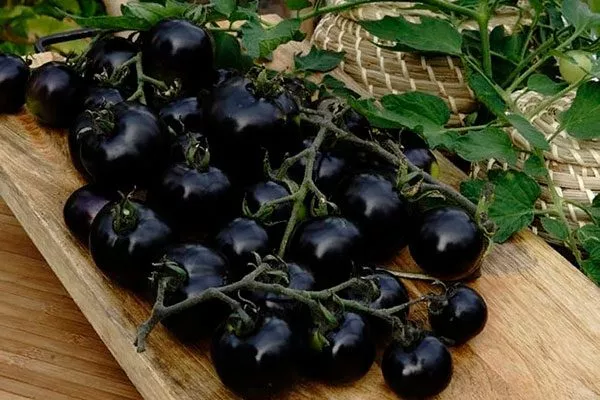
The hybrid is versatile: the tomatoes are suitable for fresh consumption, appetizers, salads, juices, and sauces. They are also used for pickling and canning.
Rules for growing tomatoes to make everyone jealous
This variety is grown from seedlings to ensure early and consistent fruiting. Seeds are sown 50-60 days before planting, ensuring favorable conditions for germination. Young seedlings require good and thorough care.
Preparing the site and preparing the soil for seedlings
Tomatoes are planted in beds following crop rotation rules. Carrots, zucchini, peas, and beans are considered optimal pre-planting crops. Before planting, enrich the soil with fertilizer: add 4-5 kg of compost, 30 g of superphosphate, 10 g of potassium, and 200 g of wood ash per square meter.
- ✓ The optimal soil pH level should be between 6.0-6.8 to prevent chlorosis.
- ✓ The soil must be well drained to avoid root rot.
To sow seeds, prepare a soil mixture based on leaf turf, adding sand, peat, compost, and ash. The substrate should be loose and finely dispersed. To disinfect, pour boiling water over it, soak it in a 1% potassium permanganate solution, or bake it in the oven.
Seed preparation
Pre-treat your planting material to improve germination and protect against diseases. Follow these steps:
- Selection of grains. Select large, plump seeds, removing any damaged or empty ones. You can check their quality by placing them in a salt solution (5 g of salt per 200 ml of water). Discard any seeds that float to the surface, and rinse and dry any that settle to the bottom.
- Disinfection. To protect against fungal and bacterial infections, soak the seeds in a 1% solution of potassium permanganate for 20 minutes, then rinse with clean water.
- Nutrient enrichment. To speed up growth and strengthen the immune system, soak the seeds for 12 hours in a stimulant (Epin, Zircon) or in an ash infusion (20 g of ash per 1 liter of water, leave for 24 hours).
To increase resistance to weather changes, place the grains in a damp cloth and refrigerate for 12-24 hours, then leave at room temperature.
Sowing
To grow strong and healthy tomato seedlings that will make everyone envious, plant the seeds in pre-prepared soil. Follow these instructions:
- In containers or boxes, make furrows 1-1.5 cm deep at a distance of 3-4 cm from each other.
- Place the seeds 2 cm apart, sprinkle with a thin layer of soil and lightly moisten with warm water.
- Cover the containers with plastic wrap or glass and place them in a heated room (23…25°C). Ventilate regularly and monitor soil moisture until seedlings emerge.
Growing and replanting
Once the seedlings emerge, care for them to ensure their full development. Provide them with optimal growing conditions:
- Seedlings require 12-14 hours of light per day. If natural light is insufficient, use phytolamps.
- Watering should be moderate, with warm, settled water.
- When 2-3 true leaves appear, transplant the seedlings into separate 300-500 ml containers, deepening them to the “cotyledons”.
- 10-14 days after picking, apply the first fertilizer with a complex substance, then fertilize every 2 weeks.
- Half a month before transplanting into the ground, take the seedlings out into the fresh air, starting with 1-2 hours a day and gradually increasing the time.
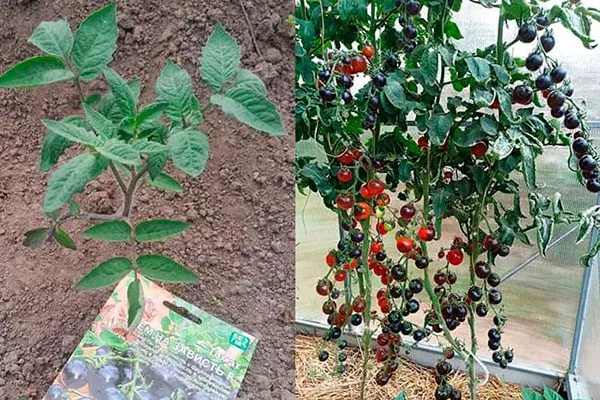
- ✓ The presence of 6-8 true leaves indicates that the seedlings are ready for transplantation.
- ✓ A strong stem and a height of 25-30 cm are signs of healthy seedlings.
Ready seedlings should have 6-8 true leaves, a strong stem, and a height of 25-30 cm. Follow these recommendations:
- Prepare the bed in advance, taking crop rotation into account. Good predecessors include carrots, cabbage, zucchini, and legumes.
- 1-2 weeks before planting, dig up the soil and add the following per 1 sq. m: humus (4-5 kg), superphosphate (30 g) and ash (200 g).
- Place the bushes in a 50x40 cm pattern, add humus and a little ash to the holes, and moisten with warm water.
- Plant the seedlings together with the root ball, deepening them to the first true leaves, sprinkle with soil and compact lightly.
After re-watering, cover the seedlings with agrofibre for the first time to protect them from possible cold snaps.
Care Features
To achieve stable and bountiful harvests, it's important to follow simple agricultural practices. Caring for tomatoes ensures good growth and significantly boosts their immunity.
Watering
Water your tomatoes with warm, neutral or slightly acidic water that's low in salts. Nutrients dissolve poorly in alkaline water, which hinders potassium absorption, causing the tomatoes to become tasteless.
Let rainwater settle for 2 days, and improve tap water with special additives, such as Photooxidin. During growth and flowering, reduce watering to 2-3 liters per root, and during fruit formation, increase the amount to 5-7 liters. When growing in a greenhouse, water in the morning, then ventilate the room.
Top dressing
Apply fertilizer throughout the growing season. For normal root development, plants require phosphorus-containing substances, as well as nitrogen and potassium. A lack of micronutrients in the soil can lead to crop diseases.
Phosphorus deficiency causes leaf curling, dark spots, and delayed ripening of tomatoes. When planting, add ash and micronutrient-rich compost to the holes. After planting, water the plants with chamomile, nettle, or plantain infusions.
Gardeners recommend applying nitrogen, potassium, and phosphorus every two weeks, adjusting the amount of fertilizer based on soil and plant conditions. These measures help increase yields.
Other events
Timely pruning of the bush plays a key role in successful tomato cultivation. It helps direct nutrients toward the development of the vegetables, rather than toward the foliage and shoots.
Follow these recommendations:
- Starting in June, inspect the beds every week and trim off any lower leaves that touch the ground. These can be a source of infection. Do this in the morning to allow the cuts time to heal.
- Pinching out side shoots is another important step. Be sure to remove excess shoots and pinch out the tops. If you don't do this, the bush may grow wider but won't produce fruit, as all the plant's energy will be spent on foliage.
Pluck off shoots when they are small, about 4-5 cm. Later, this will not produce the desired effect and may even weaken the plant, leading to decreased productivity.
Pest and disease control, prevention
Despite the strong immunity of the "Envy of All" variety, the bushes can be susceptible to various problems. These are mainly due to improper care or unfavorable conditions.
Common diseases and insects:
- Root rot. It manifests itself as yellowing leaves and root rot. The plant grows poorly and dies. To prevent the disease, follow watering guidelines and avoid overwatering. Remove infected plants and treat the remaining ones with fungicides, such as Previkur.
- Powdery mildew. A white powdery coating appears on the leaves, which turn yellow and dry out. For treatment, use sulfur-based products such as Topaz or Sulphur.
- Fusarium wilt. The lower foliage turns yellow and wilts. The plant quickly dies. Fungicides such as Previkur or Fundazol will help.
- Tomato mosaic. Leaves become deformed, light spots become visible, and the fruits become unsightly. Remove infected plants, as the disease is incurable. Conduct preventative pest control, as pests carry the virus.
- Aphid. The leaves curl and develop a sticky coating. Insects can be seen on the underside. To combat this, use insecticides such as Aktara or Fitoverm, or folk remedies such as garlic infusion.
- Spider mite. Light spots appear on the leaves, which become covered with webbing. To kill the pests, use acaricides such as Neoron or Fitoverm, or treat the plants with a soapy water solution.
Harvesting and storage
Tomatoes should be picked promptly, as they ripen, as ripe fruits easily fall from the bush. They ripen well and retain all their flavor. These unusually colored tomatoes will make a vibrant addition to the table and add a zesty, fruity flavor to salads.
Pros and cons
Before growing a crop, it's important to carefully consider its advantages and disadvantages. This is essential to avoid potential difficulties in a timely manner.
Among the negative qualities, some gardeners note increased sensitivity to soil acidity and the impossibility of harvesting seeds from the hybrid.
Reviews
The "Tomato to Everyone's Envy" combines an attractive appearance with excellent taste. It's easy to care for, produces a consistent harvest, and is highly disease-resistant. This variety will appeal to both novice and experienced gardeners alike, as it's easy to grow and productive—key qualities when choosing a variety for your garden.