
Red Chief is a relatively new tomato hybrid with early-ripening fruits. Thanks to its early maturity and disease resistance, these tomatoes are popular in agriculture. Before purchasing seeds or seedlings, familiarize yourself with the characteristics of this hybrid.
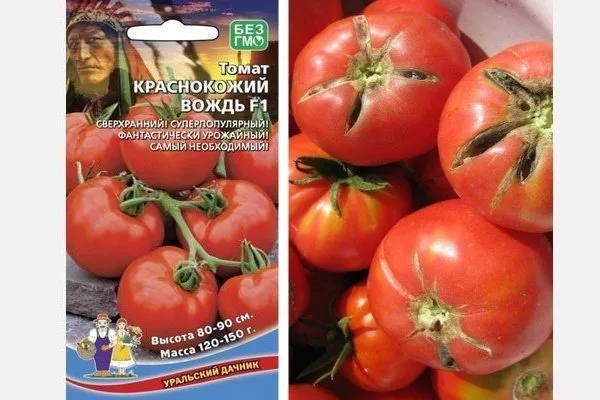
A packet of seeds and the fruits of the Red Chief tomato plant
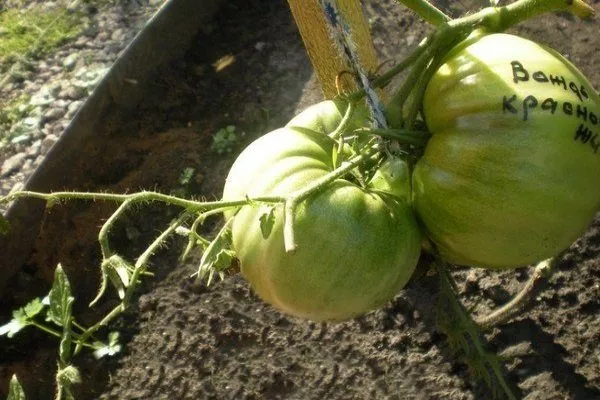
Ripening of the Red Chief tomato variety
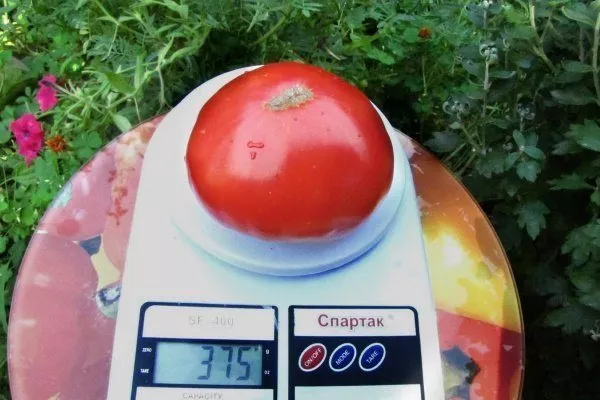
Weighing the fruit of the hybrid tomato Red Chief
Characteristics
The Red Chief variety is early maturing and produces high yields, making it ideal for both greenhouse and open-field cultivation. These tomatoes appeared at the beginning of the new millennium and were officially added to the Russian Federation's breeding register in 2007.
The first fruits from the moment of germination appear after 80-85 days.
Description of the bush
Tomato leaves are medium-sized and dark green. The stem reaches 70 cm in length. Single inflorescences appear only on the sixth or seventh leaf, then in pairs. Due to the small foliage, the fruits receive sufficient warmth and light, which is favorable for their rapid ripening.
Bushes are formed with one or two stems, no more. With a single stem, all side shoots are cut off; with two stems, only one is left (above the initial flower cluster). Despite its low growth, the plant must be tied to a support. Otherwise, the stems may break under the weight of the ripe fruit.
Description of the fruit
At the initial stage of ripening, tomatoes are light green, and when fully ripe, they turn a rich pink or red. The fruits are round and ribbed. They weigh up to 500 g each and contain 4 to 6 lobes. They have a sweet flavor, and the texture of the flesh is more fleshy than juicy, reminiscent of an overripe apple.
You might come across packaging depicting a heart-shaped tomato. This image is inaccurate and misleading. Often, these packages also include the name "Sugar Bison" in parentheses. In reality, these are two different types of tomatoes, united only by their determinacy. Whether the seeds in such a package actually contain Red Chief tomato seeds or whether they will grow into Sugar Bison—no seller can tell you for sure.
Salad tomatoes can be eaten fresh, used to make pastes and juices, and canned whole. These tomatoes are especially tasty and healthy when seasoned with olive oil.
Productivity and shelf life
Tomatoes ripen between June and August, depending on the climate of the region. According to vegetable growers, 1 square meter of soil yields up to 9-11 kg of fresh tomatoes. This is a low yield, making the question of further cultivation particularly pressing. Furthermore, vegetable growers are concerned about the distinctive flavor of the "Red Chief" hybrid.
The fruits have a high shelf life, so they are transported over long distances when necessary. In reality, when stored for long periods, tomatoes lose their marketable appearance, shrivel, and crack. There have been cases of tomatoes simply melting in the boxes, never reaching their destination.
Resistance to diseases and pests
When registering the Red Chief tomato, no resistance to any diseases was recorded, so this hybrid also requires preventative measures against fungus and other pests. Treat the stems and leaves 20 days after planting, and repeat the same procedure after the same time interval.
When treating bushes for diseases and parasites, follow these rules:
- Alternate medications regularly, otherwise, due to the addiction effect, their effect will first weaken and then disappear.
- When purchasing fungicides, consider the expiration date. Expired medications are ineffective, so time and money spent on treatment will be wasted.
- Do not violate the instructions, otherwise the intended effect will not be achieved and the plant may die.
- If you're about to harvest, buy fast-acting products that will neutralize their toxic effects within a short time.
- Do not experiment with preparations; consult with experienced vegetable growers and specialists.
Advantages and disadvantages of the Red Chief tomato
The tomatoes have a distinctive flavor and a fleshy texture. This puts off many growers, making the hybrid less popular. However, the Red Chief tomatoes also have significant advantages, including:
- frost resistance (tolerates short-term cold spells well);
- strong immunity;
- resistance to pests and diseases;
- preservation of shape and density during preservation;
- specific, sweet taste;
- long shelf life;
- affordable price of seeds and seedlings.
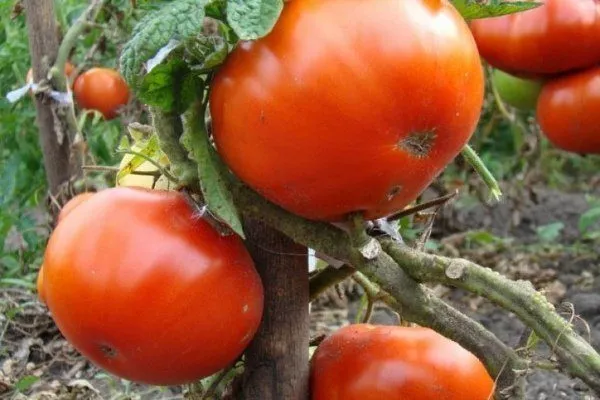
Based on reviews from professional vegetable growers, the Vozhd Krasnosokikh tomato variety has more disadvantages than advantages. When choosing a hybrid variety, consider the following negative aspects:
- loose structure;
- wrinkling during ripening;
- absence of acid;
- small harvest;
- unpresentable appearance;
- the appearance of cracks and rotting in these areas.
Landing features
2 months before the planned planting of tomatoes in the ground, sow seeds to get seedlings (be sure to treat the soil with an antiseptic beforehand, i.e. disinfect). Prick out the grown seedlings at a distance from each other, water them and feed them with mineral supplements and fertilizers.
When planting seedlings, remember to plant 5 young plants per square meter. After planting, the seedlings also require timely watering, soil loosening, weeding, pinching, and staking. Follow these steps consistently.
Selecting seedlings
In favorable climates, the Red Chief tomato hybrid is grown from seed. When purchasing seedlings, consult with the seller, or better yet, choose a reputable grower.
Main selection criteria:
- Age of seedlingsBuy seedlings of approximately the same age—up to 7 weeks—to ensure simultaneous harvesting and to maintain crop sequence.
- AppearanceBuy bushes 30 cm long with 10-12 leaves on each. Pay attention to the root system; there should be no light spots or suspicious growths.
- Seedling healthIf the leaves are curled or unevenly green, this is a sign of an infectious disease. Such seedlings will not produce a harvest, but they can harm other plants in the greenhouse.
- Growth supplementsLush, richly colored leaves that point downward are another suspicious sign of an unhealthy plant. Avoid buying such seedlings, as they were grown using harmful, synthetic additives, which will negatively impact the yield.
- Soil for seedlingsDon't buy seedlings sold without soil. It's difficult to determine their age and condition, and a bountiful harvest is highly questionable.
Soil and fertilizers
The ideal soil for Red Chief tomatoes is loam with a pH of 6 or higher, or sandy loam soil of moderate fertility. If the soil is acidic, pre-treat it with lime at a rate of 700 g per square meter; otherwise, you won't get a good harvest.
Prepare the area and soil for growing tomatoes in the fall. Till the soil, remove weeds, and apply mineral fertilizer. Use 5 kg of humus, 25 g of potassium salt, and 50 g of superphosphate per square meter of soil. For mineral fertilizers, choose products from Kemira, Sudarushka, and Master.
- ✓ The optimal depth of soil loosening before planting should be 20-25 cm to ensure sufficient aeration of the root system.
- ✓ To prevent fungal diseases, it is recommended to add wood ash to the soil at a rate of 500 g per 1 sq. m before planting.
Be sure to fertilize the soil in the spring, immediately before planting the seedlings. Use 1 kg of bird droppings, 25 g of ammonium sulfate, and 1 kg of wood ash per square meter. This will increase yield and protect the bushes from pests.
Plant the bushes after cucumbers, radishes, carrots, and beets. Avoid using soil previously used for potatoes, tomatoes, zucchini, or beans when growing Red Chief tomatoes. This will significantly reduce yields and deplete the fertile soil.
Growing rules
For high yields, follow three rules growing seedlings at home:
- IlluminationPlace the container with seedlings on a south-facing window, avoiding drafts and shade.
- Air temperatureGrow seedlings at 18-24 degrees during the day, 14-16 degrees at night.
- HumiditySpray the seedlings twice a day – morning and afternoon. Avoid overwatering, as this will cause root rot.
If tomatoes are grown in a greenhouse, their planting can be postponed 15-20 days earlier.
Seed preparation
Buy seeds from trusted producers. After opening the package, carefully inspect the contents and treat them with antiseptic. Use the following:
- Potassium permanganateDissolve 1 g of potassium permanganate in 100 ml of settled water until the liquid turns pink. Dampen the gauze, squeeze it out, wrap the seeds in it, and leave for 20 minutes. Then rinse with water and let it dry naturally.
- Baking sodaThe solution recipe is similar: 1 g of lye per 100 ml of water. Wrap the seeds in cheesecloth and leave them for 24 hours. This is not only an effective treatment but also a natural growth stimulant.
- FitosporinThe solution recipe depends on the dosage form. Add 1 drop of concentrate to 100 ml of water or 1 teaspoon of powder to 200 ml of water. The action sequence is similar to the above-mentioned remedies, and the duration is up to 2 hours.
Planting seeds for seedlings
Two weeks before planting, treat the soil with an antiseptic. Soil in a bag is no guarantee of sterility, and garden soil is out of the question.
Recommendations from experienced vegetable growers:
- Pour the soil onto a baking sheet and heat in the oven for 15 minutes at 200 degrees.
- Keep the soil in the microwave for no more than 2 minutes.
- Pour boiling water over the soil and wait until the water drains through the holes in the container.
- Treat the soil with a solution of potassium permanganate that is deep purple in color.
Plant seeds only in pre-treated soil, in which beneficial bacteria are already developing and pests are neutralized.
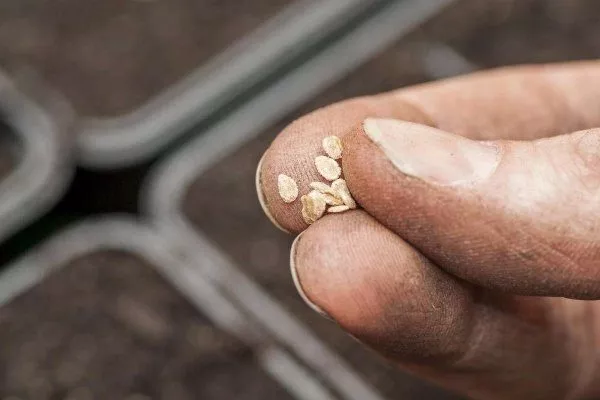
Sequence of actions of a vegetable grower:
- Make furrows in the soil 1 cm deep at a distance of 3-4 cm from each other.
- Plant the seeds at intervals of 3-4 cm, then fill the furrows with soil.
- Cover the container with film or glass, maintain the temperature at 26-30 degrees.
- Monitor soil moisture by spraying with water.
- If there is excess moisture, open the glass and dry the soil, otherwise fungus will develop.
- In case of fungus, remove the top layer of soil and treat the remaining layer with Fitosporin.
Caring for seedlings
At temperatures of 25-28 degrees Celsius, seedlings appear 2-3 days after planting. If temperatures range from 9 to 11 degrees Celsius, the first shoots appear only after 2-3 weeks.
When seedlings emerge, monitor two parameters: light and heat. Place the seedlings on a windowsill. For the first three days, provide 24-hour light; after that, reduce the daylight hours to 16 hours. For additional heat, use an infrared lamp or radiator.
Once the first sprouts appear, do not remove the film or glass. Keep the seedlings at 100% humidity. Remove the film for a few minutes daily, and remove it completely after two weeks.
Monitor watering. Moist soil should not turn into mud. Water the plants under the stems using a syringe without a needle. Mist the soil morning and evening, as the stems and leaves absorb water intensively for rapid growth.
When watering, take the air temperature into account. If it's cold indoors and freezing outside, avoid watering the seedlings in the evening. Otherwise, the root system will freeze, and the plant itself will die.
In early spring, move the seedlings to a balcony or windowsill. Temperatures of 16-18 degrees Celsius and calm winds provide favorable conditions for tomato growth, which will only increase the hybrid's tolerance to sunlight.
Apply mineral fertilizers (organic compounds) 15-20 days after germination. Vermicompost, green grass, and a weak manure solution are excellent for Red Chief tomatoes.
Transplanting seedlings into the ground
The first flower buds appear six weeks after planting. After another couple of weeks, transplant the seedlings into the ground. If this is not done promptly, the hybrid's yield will decline. Before planting, follow these recommendations from experienced vegetable growers:
- Combine peat and black soil in equal proportions to increase soil fertility.
- In the greenhouse, place the bushes at a distance of 40 cm from each other.
- Plant seedlings on a cloudy but windless day.
- Place the stem 2-3 cm deep into the soil and cover it well with soil.
- Water the seedlings with warm water.
In just 3-5 days, the root system will grow and will support the tomato stem.
Caring for tomatoes
Leaving your garden unattended can result in a disappointing harvest. Fruitfulness depends not only on climate and weather conditions, but also on the person, or rather, their approach to caring for this capricious crop.
Tomatoes aren't very productive, so there's no need for special fertilizers or supplements. However, it's important to tie up the bushes to prevent large fruits from breaking their stems, falling, or being damaged by impact with the ground. The subtleties of caring for this hybrid variety don't end there.
Growing conditions in open ground
Red Chief tomatoes germinate well from seed both in greenhouses and in open ground. It's important to ensure that the crops previously grown in the soil are compatible with the specific tomato variety. Otherwise, yield will decline.
Tomatoes grown outdoors experience frost damage to their root systems. It's best to choose a location protected from wind and low temperatures. Outdoor tomatoes are more hardy, resistant to diseases and pests, and tolerate cold temperatures well.
Inspect the area and determine the expected number of bushes to plant. Maintain a distance of 40 cm between bushes and 60 cm between rows. Plants shouldn't be crowded, as this affects their yield.
Watering
Don't overwater the soil, otherwise the root system will rot and the plant will die. Water the soil as it dries out. In warm, but not hot, weather, watering once a week is sufficient. During hot weather, increase the frequency of watering to 2-3 times a week.
The water shouldn't be cold; room temperature is ideal. Use sun-dried rainwater. When fruit sets, water sparingly but thoroughly.
A good option is drip or subsurface watering. When using a hose, make sure the water doesn't splash onto leaves or fruit, or erode the soil. Control the water pressure, and don't overdo it and create puddles.
To ensure better moisture absorption, water your tomatoes in the evening, after the heat has subsided. This ensures even distribution and prevents evaporation. If the leaves have darkened and wilted, the tomatoes are either not getting enough water or the watering schedule is incorrect.
For 1 plant, approximately 10 liters of water is needed for 1 watering.
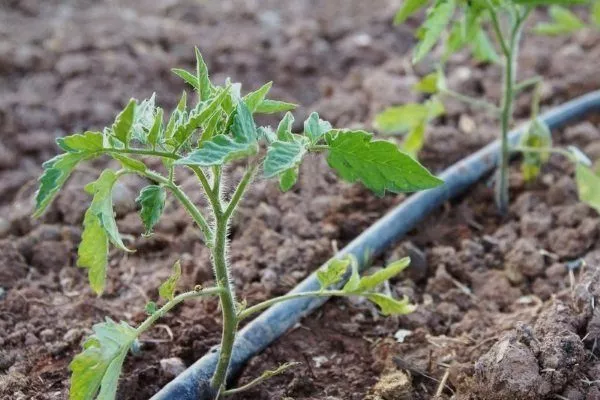
Loosening the soil and weeding
The soil should not dry out. Regularly inspect the root zone of the bushes. If a crust appears, loosen it. Perform the first weeding, 15-20 days after planting the seedlings, to a depth of 15-20 cm; subsequent weedings should be no deeper than 7 cm, so as not to disturb the growing root system.
As the shrubs grow, combine loosening and hilling to warm the soil and encourage root development. Hill them with humus and moist soil. It's a good idea to weed between rows and beds to refresh the soil.
Pinching out stepsons
To remove excess stems, pinch out side shoots. On the one hand, more stems means more fruit. But remember, the tomatoes will be small, and some won't ripen at all. Most of the growth occurs in the green mass, which receives all the nutrients from the soil.
Basic rules for stepson:
- Remove shoots when you see that the plant has grown steadily upward.
- Remove the side shoots by hand, rather than using scissors.
- Leave stumps 1-1.5 cm long.
- Remove side shoots from the plants in the morning.
Shrubs with many stems have weak immune systems, increasing the risk of diseases that can spread to neighboring plants.
Pinching out the side shoots of Red Chief is essential to keep the bush growing. You can leave just one side shoot, located under the top inflorescence. Remove the rest to ensure the bush grows and develops fully.
Garter
The idea that determinate tomato varieties don't need staking is a misconception. There's some truth to this, as Red Chief is a low-growing plant. Still, staking is unavoidable.
The main advantages of the procedure:
- preservation of branches during fruiting;
- ease of watering;
- minimal risk of pest exposure;
- greater access to sunlight and heat;
- preservation of the stem in strong winds and during rain;
- increasing plant immunity;
- ease of pinching and harvesting.
This is an effective way to increase the viability of tomatoes and their yield. Use cloches, cages, and stakes for staking. The choice of method depends on the specifics of the garden and the grower's preferences.
| Garter method | Advantages | Flaws |
|---|---|---|
| Stakes | Easy to install, low cost | Limited support for tall plants |
| Cells | Good support for bushes, can be used for several plants | High cost, difficult installation |
Top dressing
Thin out the first seedlings so that only one sprout remains per hole. Choose the strongest and healthiest plant upon inspection; carefully trim off the others with a knife. After 2 days, apply tomato fertilizer: add 15 grams of ammonium nitrate per 10 liters of water. When the first harvest appears, the tomatoes will need to be fertilized again, but with a different fertilizer.
Suitable fertilizers and rules for their preparation and use:
- Dissolve 1 liter of mullein infusion in 1 liter of water and let it steep for 1-2 weeks. Use no more than 500 g of the prepared solution per plant.
- Mix 20 g of superphosphate and 10 g of potassium chloride, bury in a small hole (up to 6 cm) in the ground next to the bush, fill with water.
Harvesting and storage
Red Chief tomatoes have 4 stages of ripeness. These include green, milky, brown, and red skin. Brown tomatoes are best eaten when ripe, while deep red tomatoes should be processed quickly. Otherwise, overripe tomatoes will wrinkle and lose their appeal.
The Red Indian chieftain doesn't like frost. At temperatures of 4 degrees Celsius or below, the bushes won't bear fruit, and the tomatoes won't ripen. Therefore, harvest them before the first frost. If the forecast calls for cold weather and the tomatoes are still green, try a clever trick: uproot the bushes, gather them in a pile with the roots facing outward, and cover with straw. After a week, select the ripe tomatoes.
To reduce the number of diseased and rotten tomatoes, ripen them in a greenhouse at 75% humidity and a temperature of 18-24 degrees Celsius. Arrange the tomatoes in a single layer, turning them periodically, and ventilate the room regularly. This is a good way to increase the yield of the Red Chief hybrid.
Diseases and pests
The following pests are dangerous for Red Chief tomatoes:
- WirewormThis worm attacks the stem, causing the trunk to turn yellow and the plant to die. For treatment, use Bazudin, mix with sawdust and sand according to the instructions, and apply near the plant.
- Mole cricketAdults and larvae of these pests are dangerous to tomatoes. These insects burrow underground, damage the root system, and chew the plant's stems. To protect against pests, use insecticides (Grizzly, Force, Rubit).
- Moth on tomatoesThese are caterpillars that first destroy the tops of plants, then the ovaries and inflorescences. Spraying the bushes with burdock infusion or planting calendula nearby will help eradicate the pest.
Your garden shouldn't be neglected. Inspect every bush and respond promptly to the first signs of disease. Potential diseases of the Red Chief tomato:
- BlacklegThe fungus attacks stems and leaves, lives in the soil, and is active in high humidity. When infected, remove the plant along with the soil. As a preventative measure, treat the soil with potassium permanganate and colloidal sulfur before replanting the seedlings.
- White spotA fungal disease that causes red spots to appear on the leaves, which then fall off. The pigmentation also appears on the stem. The plant dies. To prevent this, remove the foliage and use a 1% Bordeaux mixture solution.
- Late blightThe fungus is transmitted to the plant through the air and soil. Seeds may be infected. Factors that trigger late blight include manganese, potassium, iodine, and copper deficiencies. Treat affected plants with a 2% salt solution.
- PhyllostictosisYellow spots appear on the leaves, which gradually dry out and fall off. Reduce humidity to 60%, repot the plant, and treat the infected soil with copper sulfate.
- Bacterial necrosisThe disease develops when humidity and temperature levels are abnormal. The buds inside turn black and die. The plant is destroyed, and the soil is disinfected.
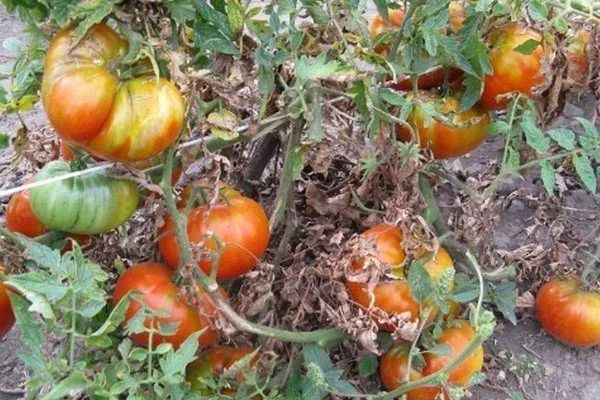
Possible problems and recommendations
If you're growing tomatoes from seeds, you'll need more seeds than seedlings. Tomato plants bear fruit later, but they're resilient, have a strong immune system, tolerate both cold and heat well, and produce fruit until the first frost.
Growing the Red Chief hybrid can also cause certain problems, such as fruit drop and damage, and dry leaves. These problems can be caused by disease, excess moisture, and a lack of light and nutrients. These growth issues should not be ignored, otherwise the entire crop will suffer.
Reviews of the Red Chief tomato
The Red Chief tomato hybrid is excellent for canning and salads, and its resistance to the first frost allows fresh tomatoes to be eaten until the cold weather sets in. The taste is an acquired taste, but overall, it's worth the attention of vegetable growers.