
The Vostorg tomato is a popular choice for planting, not only by experienced gardeners but also by beginners. This is due to its excellent varietal characteristics: good productivity, flavor, and resistance to diseases and pests. To ensure abundant harvests throughout the season, it is important to provide the crop with proper care and adhere to certain requirements.
Authors of creation and description of the variety
It was developed by V. A. Zhidkova, V. S. Mikhed and Yu. P. Altukhov and received permission for use in 2001. It is distinguished by its determinate growth type and is intended for fresh consumption.
Plants range in height from 65 to 70 cm. They have a spreading habit. The shoots are covered with medium-sized, light green leaves. The inflorescences are simple, and the peduncle is articulated.
Other indicators:
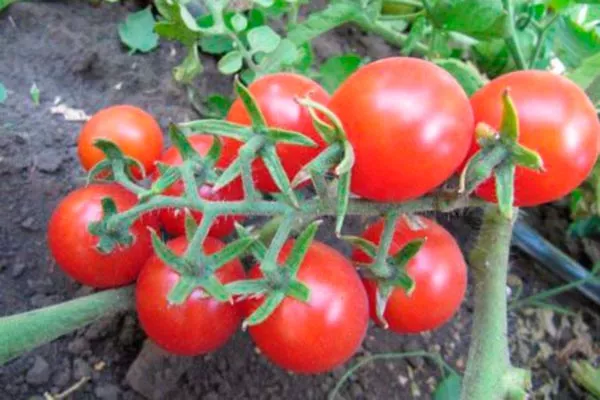
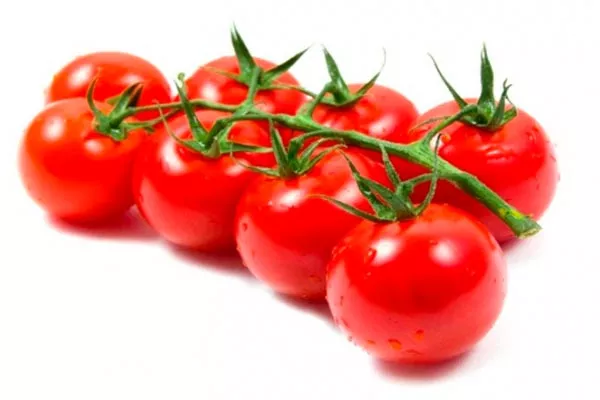
- Main qualities of fruits. These tomatoes attract gardeners with their excellent characteristics, making them a popular choice among gardeners. Each tomato weighs between 130 and 160 grams, is round, and has smooth skin. Each tomato contains more than four seed chambers.

- Taste characteristics. The tomato flesh is dense, juicy, and possesses a rich flavor and aroma. Its texture and vibrant flavor make this variety ideal for culinary use, especially in fresh salads and sauces.
- Maturation. The crop has a short ripening period – only 92 days from the moment the first shoots appear, which makes it one of the earliest ripening.
- Productivity. Under optimal growing conditions, one bush can produce up to 5 kg of tasty and attractive tomatoes.
- Timing for planting seedlings and transplanting into the ground. To obtain high-quality seedlings, sow seeds in late February or early March so that they reach 50-60 days of age by the time of transplanting.
Consider the region's climate: transplant to open ground when the soil temperature reaches 12-15°C and the risk of frost has completely disappeared. Transplant to greenhouses earlier – in late April or early May.
Planting and care
Growing tomatoes is a process that requires attention at every stage, from seed preparation to caring for the plants in the ground. Properly organized planting and care will ensure a bountiful harvest and high-quality vegetables.
Growing tomatoes from seeds
To ensure strong seedlings, sow seeds in a loose, nutritious substrate. Proper lighting, temperature, and humidity conditions will help grow strong, healthy plants that adapt more easily after transplanting.
Preparing seeds for seedlings
Before sprouting, treat the planting material with a disinfectant. A successful harvest also depends on choosing the right seeds. When purchasing tomato seeds, pay attention to their shelf life – they are suitable for planting for five years after packaging.
The longer the seeds are stored, the lower the germination rate and the slower the germination process. Check the packaging—it should be in good condition, without any external damage. These signs may indicate improper storage conditions.
Processing
Carefully sort the seeds. To simplify the process, use a salt solution: add 20 g of salt to 1 liter of water. Pour the seeds into a jar with this solution and let them sit for 10 minutes. Discard any seeds that float to the surface, and use those that sink to the bottom for planting.

Disinfect the plants. Prepare a weak solution of potassium permanganate and soak the seeds, wrapped in cheesecloth, in it for 30 minutes. This will increase the plants' resistance to disease.
After treatment, rinse the seeds with clean water. Avoid tap water, as it contains chlorine, which can negatively impact germination. Filtered or rainwater is best.
Germination of seeds and sowing for seedlings
Prepare a suitable seedling substrate. You can purchase it at a specialty store or make your own. Germinate the seeds by placing them in a damp cloth and leaving them in a warm place until the first small shoots appear.
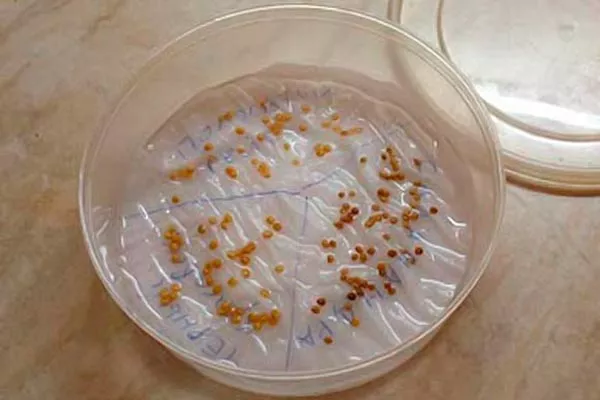
Once they sprout, place them in the soil, spacing them approximately 2 cm apart. Maintain the room temperature at 25°C until the first shoots appear, then reduce it to 20°C.
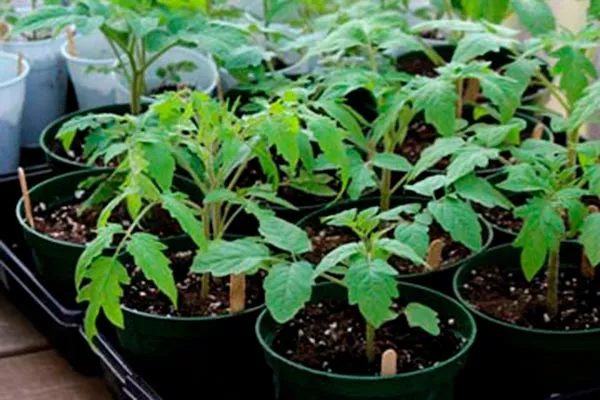
When the seedlings have two true leaves, transplant them into individual plastic cups or pots. About two weeks before planting outdoors, begin hardening them off: take them outside or onto the balcony during the day and bring them back in at night to allow them to adapt to the changing weather conditions.
Transplantation and care rules
When the seedlings reach a height of 20-25 cm and have 5-7 true leaves, transplant them into the soil. Prepare holes 40-50 cm apart, fill with humus or compost, and water thoroughly. Carefully plant the stems down to the first leaves to encourage additional roots.
- ✓ Optimum soil temperature for planting seedlings: +12-15°C.
- ✓ Distance between holes when replanting: 40-50 cm.
Caring for this plant is straightforward. Growth usually stops on its own, but occasionally pinching out a growing upper shoot is necessary. To form two or more stems, remove all excess side shoots.
During the growing season, regularly feed tomatoes with a complete fertilizer. Before transplanting, watering is minimal; monitor soil moisture. After transplanting, increase the frequency, but water sparingly. Use warm, settled water.
The subtleties of pinching out stepsons
Indeterminate tomatoes have the ability to grow almost indefinitely. The main stem elongates until pinched, and side shoots form in each leaf axil.
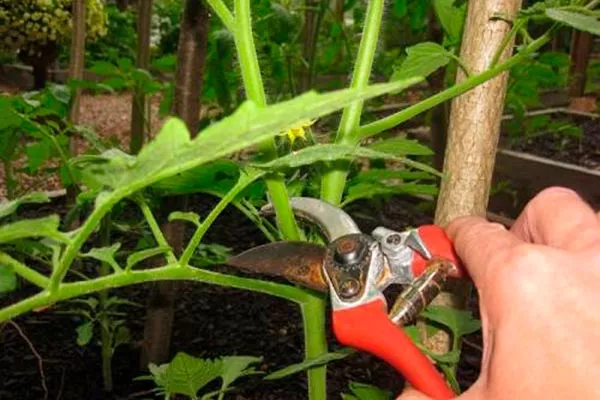
Rules for pinching out stepsons:
- Remove side shoots (shoots between the main stem and the leaf) when they reach 4-8 cm in length. Perform the first removal 14 days after planting the seedlings in the ground. Perform the second procedure a week later. Thereafter, remove side shoots regularly – every 7-11 days.
- The best time to remove side shoots is in the morning. Break off the shoots by hand, leaving a stub at least 0.5 cm long.
- Wear gloves to avoid damaging your hands. After each bush, treat your hands with a weak solution of potassium permanganate to prevent the spread of infection.
Bush formation:
- In one barrel: remove all stepchildren without exception.
- In two stems: leave one lateral shoot located closest to the first brush.
- In three barrels: leave two sprouts closest to the first brush.
At the same time, regularly remove all additional shoots on the lateral stems.
Prevention and treatment of tomato diseases
The Vostorg variety is highly resistant to diseases such as nematodes, mosaic virus, fungal infections, and late blight. However, aphids remain a common problem for the bushes. To combat this pest, simply prepare a solution of laundry soap and spray it on the leaves.
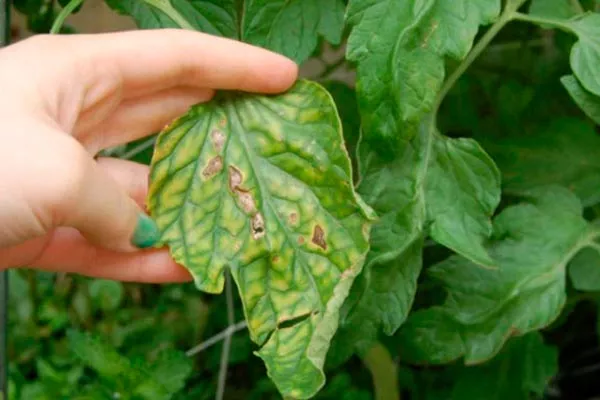
To prevent other pests that attack nightshade crops, plant mustard (1-3 stems) between the bushes. If this isn't possible, prepare a mustard powder solution and use it to water the plants. This will effectively protect the crop from pests and further enrich the soil.
Pros and cons
Delight is an indeterminate tomato, meaning it grows and develops slowly. This variety offers several undeniable advantages:
Despite all the advantages, this variety also has certain disadvantages:
With proper care and adherence to all agricultural practices, the crop will generously reward you with a bountiful harvest of delicious, aromatic tomatoes.
Reviews
The "Vostorg" tomato lives up to its name with its high yield, unrivaled flavor, and ability to produce fruit almost until frost sets in. Despite some peculiarities and care requirements, this variety is an excellent choice even for novice vegetable growers. By following all planting and care recommendations, you can easily achieve excellent results.