
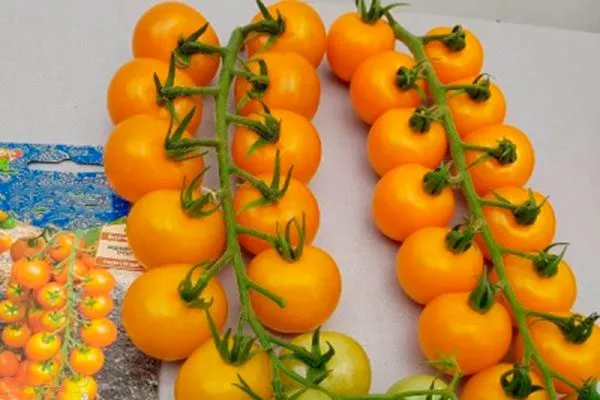
Magic Harp is an early-ripening cherry tomato hybrid characterized by good yields and stress tolerance. Gardeners primarily grow it in greenhouses. The cultivar's hallmark is its cluster-type fruiting, with numerous miniature tomatoes arranged on either side of the central axis of the cluster.
History of variety selection, climate and regions
The hybrid tomato was developed by the research staff of the Poisk agricultural firm:
- Gorshkova N. S.;
- Tereshonkova T. A.;
- Klimenko N. N.
Through the efforts of scientists, a variety resistant to adverse factors and stress conditions was developed, well adapted to greenhouse cultivation. It performs less well in open garden areas, where drafts and high humidity negatively impact its productivity.
In 2015, the Magic Harp was added to the Russian Federation State Register and approved for cultivation in private farms in the country's regions and districts:
- Northern;
- North-West;
- Central;
- Volga-Vyatka;
- Central Black Earth;
- North Caucasian;
- Middle Volga;
- Lower Volga;
- Ural;
- West Siberian;
- East Siberian;
- Far Eastern.
Since gardeners cultivate this tomato hybrid primarily in protected soil, it grows successfully almost everywhere, not only in the Russian Federation, but also in neighboring countries: Ukraine, Belarus, and Moldova.
General characteristics of the tomato variety Magic Harp F1
Before you start growing a cherry tomato variety in your garden, familiarize yourself with its botanical description and technical characteristics.
Appearance of bushes
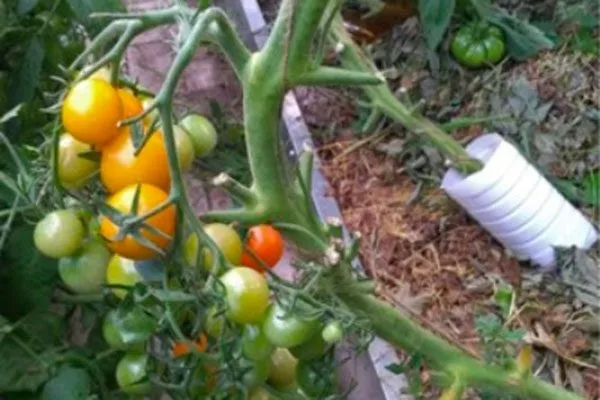
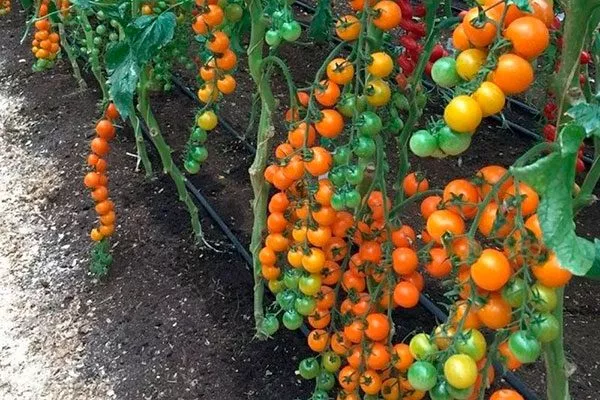
Magic Harp plants are indeterminate. They are tall, vigorous, and well-developed. Their description includes the following appearance characteristics:
- "height" - 1.8-2 m;
- strong stems;
- moderate foliage;
- foliage: green, medium-sized, typical tomato shape;
- intermediate inflorescence;
- Fruit clusters: large, dense, distinguished by a double-sided structure (flat), consisting of 16-18 tomatoes.
Description of the Magic Harp variety
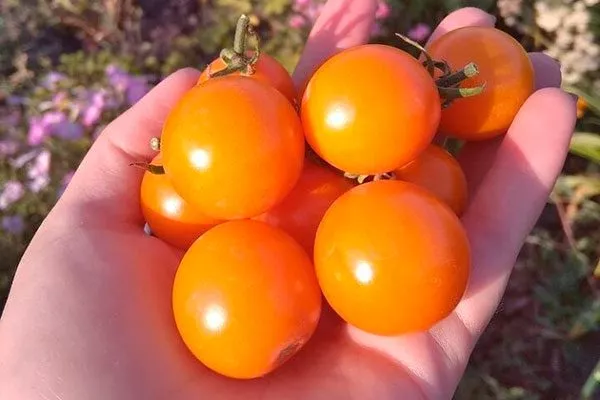
This vegetable variety delights gardeners with its beautiful appearance, good shelf life, and transportability. The fruits are of the cherry variety.
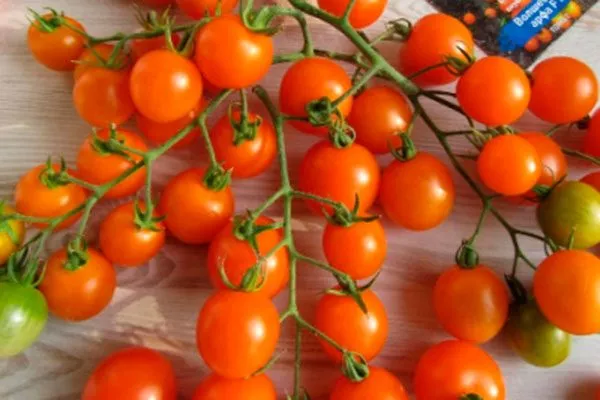
They have the following characteristics:
- rounded shape;
- miniature size;
- weight - 20-25 g;
- bright orange color;
- smooth, glossy skin, dense, not prone to cracking;
- moderately hard pulp with 2 seed chambers, fleshy, quite juicy.
The taste of orange cherry tomatoes is excellent. Their flesh is pleasantly sweet, with fruity notes.
Gardeners harvest these miniature fruits in whole bunches. To improve shelf life, they are picked slightly unripe from the bushes. Thanks to the dense flesh and strong skin, they store well and withstand long-distance transportation well (they don't wrinkle, leak, or lose their marketable appearance).
Ripening time and yield
This cherry tomato hybrid is an early-ripening vegetable. The fruits ripen 90-95 days after the first shoots emerge. They ripen evenly. The harvest period is extended, lasting until September.
The Magic Harp delights gardeners with its excellent fertility. Its characteristics are as follows:
- 5.7 kg per 1 sq. m of tomato planting is the average productivity of bushes;
- 7 kg of fruit per 1 sq. m is the maximum possible yield when growing this variety in a greenhouse.
Application of fruits
The hybrid tomato harvest is versatile. The miniature cherry-shaped fruits are suitable for the following purposes:
- fresh consumption;
- preparation of dishes (summer salads, soups, side dishes, sauces) and original delicacies such as jam and marmalade;
- processing into juice, puree, tomato paste;
- pickling;
- whole fruit canning;
- drying;
- drying;
- frosts.
Small orange tomatoes are especially good for preserving for the winter. Jars containing them look elegant and hold a large amount of fruit. They retain their integrity and vibrant color during the canning process, without cracking or becoming soggy.
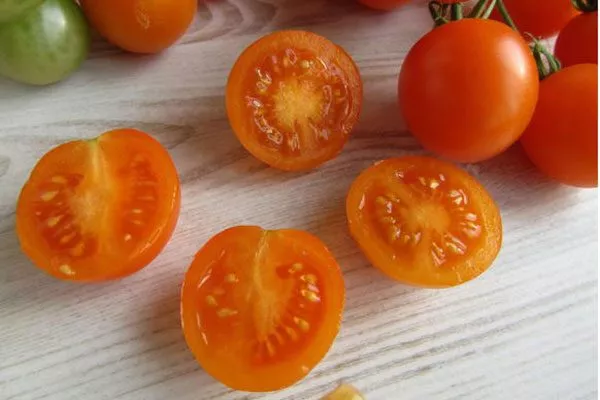
Professional chefs use cherry tomatoes to decorate dishes, top bruschetta, and add them to pizza. They're also served as a unique appetizer, stuffed with various mixtures:
- cottage cheese paste with garlic;
- anchovies and nuts;
- olives and cheese.
The main purpose of the Magic Harp harvest is to eat it fresh. Without heat treatment, it retains the maximum amount of nutrients (vitamins, minerals, antioxidants). Orange fruits are especially rich in beta-carotene. Unlike red fruits, they do not provoke allergic reactions.
Resistance to diseases and pests
This hybrid vegetable crop delights gardeners with its strong immunity. Its bushes are resistant to common nightshade diseases:
- tobacco mosaic virus;
- Fusarium wilt;
- Cladosporiosis.
However, it's still not a good idea to neglect disease prevention for orange cherry tomatoes. Gardeners will also need to pay attention to protecting them from harmful insects. They attract pests to garden crops no less or no more than other tomato varieties and hybrids.
Features of planting and growing
The hybrid from the Poisk agrofirm is traditionally grown using seedlings, followed by transplanting them to a greenhouse or outdoor garden plot. The latter option is only possible in a sunny location.
Sow Magic Harp seeds for seedlings in early March. Do this 60-65 days before you plan to transplant the tomatoes to their permanent location. If you plan to plant them outdoors, you'll need to wait until the soil warms up to 15°C (late May or early June).
Planting tomato seeds for seedlings
Before preparing your seeds for planting, sort them. Keep only the best-quality seeds:
- large;
- full-bodied;
- free from defects, damage, or signs of disease.
Seeds of the Magic Harp hybrid purchased from a trusted producer delight gardeners with their high quality and excellent germination. They require no seed dressing or other pre-planting treatment.
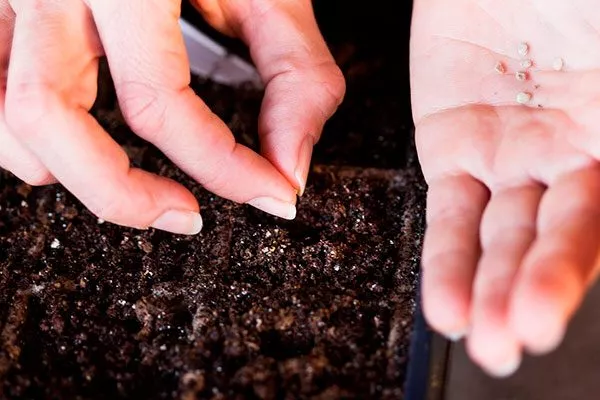
If you're unsure of the quality and freshness of the seeds you purchased, disinfect them with a potassium permanganate solution and treat them with Epin. If desired, you can heat the seeds to speed up germination. Follow these steps:
- Place the seeds on a damp piece of clean cotton cloth.
- Wrap them in it.
- Place the resulting bundle in a plastic bag.
- Keep it in a warm place for 24 hours (temperature -+25°C).
Sow the seeds in a 10-cm-high box filled with a general-purpose, store-bought potting soil or a homemade potting mix (mix equal parts garden soil, peat, manure, and river sand). Place them in furrows, burying them 1 cm deep. Leave 3-4 cm between them.
After sowing, spray the cherry tomato planting with warm, settled water. Cover it with plastic wrap to create a greenhouse effect. Keep it in a warm place (22-25°C).
Once the sprouts emerge, remove the covering material. Move the container to a sunny window in a room with a temperature of +20°C. Provide the young tomatoes with quality care:
- water the planting moderately;
- provide additional lighting with phytolamps to provide plants with at least 12 hours of daylight per day;
- carefully loosen the soil under the seedlings;
- transplant them into separate cups or peat pots after 2-3 true leaves appear;
- water with nutrient solutions (do the first feeding with a mineral complex 14 days after picking, the second one - after another 2 weeks);
- 10-14 days before transferring to a permanent location, begin taking the box with seedlings out into the fresh air to harden them.
Transplanting seedlings into a greenhouse or open ground
To successfully grow a vegetable crop, allocate a bed for it with soil that meets the following requirements:
- was easy;
- loose;
- fertile;
- breathable;
- with good water-holding capacity;
- non-acidic (with a pH of 6 to 6.5).
Tomatoes grow best in light loam or sandy loam soils. A mixture of garden soil (30%), sand (20%), peat (20%), and humus (30%) is considered optimal for this vegetable crop.
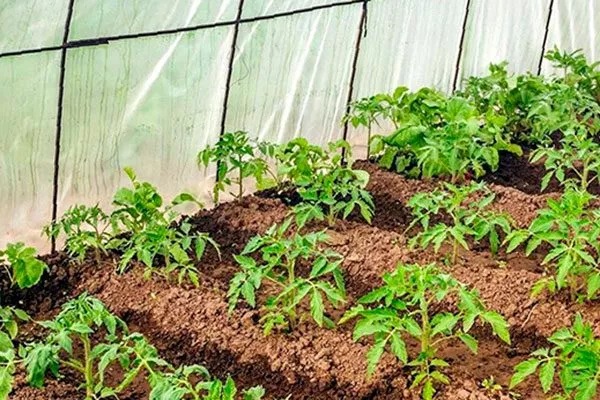
Orange cherry tomatoes require not only favorable soil conditions but also factors such as light, humidity, and protection from drafts. If you plan to grow the hybrid in an open area of your garden, select a site with the following characteristics:
- sunny;
- windless, not subject to drafts;
- located not in a lowland, but on an elevated, level surface (flooding of the area with groundwater is unacceptable, it threatens the rotting of the roots of the crop and its death);
- well drained.
Don't neglect crop rotation if you're hoping for a bountiful harvest of orange tomatoes. Avoid growing them where you previously had potato fields, peppers, eggplants, or tomatoes. Good predecessors include legumes, squash, greens, and root vegetables.
In the fall, dig over the area where you'll be growing the Magic Harp, remove weeds, and fertilize with cow manure and mineral fertilizers (superphosphate, potassium sulfate). If the soil is dense and heavy, lighten it by adding coarse sand. If the soil is acidic, add wood ash, dolomite flour, or chalk.
If you prefer to grow your hybrid tomato under a plastic cover, create a favorable environment for the growth and fruiting of your plants:
- replace the top layer of soil with fertile soil with the correct structure;
- maintain the temperature inside the greenhouse at +17-20°C during the day and +12-14°C at night;
- regularly ventilate the space inside the shelter;
- Make sure that the air humidity does not exceed 60-70%, and the soil humidity does not exceed 70-75%.
Plant tomato seedlings in the garden bed using the transshipment method, moving the seedlings along with the root ball into pre-dug holes. Use a 70 x 40-50 cm pattern. Space 3-4 plants per square meter.
Further care of tomatoes
After the seedlings have been relocated to their permanent location, they will require timely and proper care, which includes the following procedures:
- WateringWater your cherry tomato bed regularly and moderately. Water every 5 days. Apply 2.5-3 liters of water per plant for young plants and at least 5 liters per plant for mature plants. Use settled, sun-warmed water. Apply it to the roots. Make sure no water drips onto the green foliage.
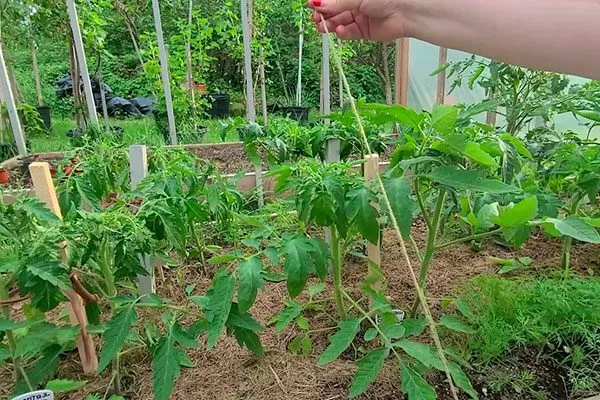
It's advisable to install a drip irrigation system in greenhouses. This will help prevent crops from becoming infected with late blight. - Tying up the main trunk and shootsAs the bushes grow, secure them to supports. This prevents tall plants from breaking under the weight of the ripening fruit clusters.
Use rot-resistant synthetic ribbons or cords for tying. Do not over-tighten the stems to avoid crushing and damaging them.

- Formation of bushes and their pinchingTrain hybrid tomato plants into single or double trunks. This will increase their yield. Don't neglect regular pruning of excess side shoots. Do this at least once every 7 days.
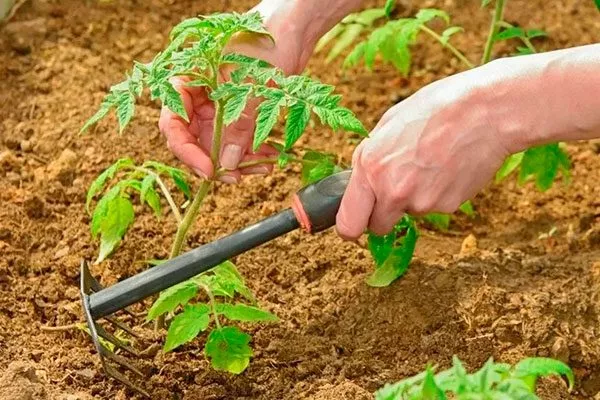
- Loosening the soilLoosen the soil in the garden bed the day after watering or natural rainfall, allowing it to dry slightly. Work carefully to avoid damaging the root system and stems. The soil should be worked to a depth of no more than 5-7 cm.
- WeedingRemove weeds from your tomato bed. They inhibit crop growth and harbor harmful insects, fungal spores, and other pathogenic microflora. Combine this procedure with loosening the soil.
- Mulching the plantingTo create an optimal soil microclimate and retain moisture in the soil, cover the soil under the tomatoes with a layer of organic mulch (sawdust, straw, non-acidic peat).
- Top dressingFertilize your orange cherry tomato plantings three times during the season: during flowering, at the beginning of fruit formation, and during harvest. Use a comprehensive mineral fertilizer designed for nightshade crops. Follow the instructions carefully. Do not exceed the recommended dosage or application rate.
Disease prevention and pest control
The Magic Harp hybrid has good resistance to tomato diseases such as cladosporiosis, tobacco mosaic virus, and fusarium wilt. It is not attacked by pests more frequently than other vegetable varieties. Infestations or infections typically occur for two reasons:
- due to violation of agricultural practices;
- when grown in unfavorable conditions/unsuitable climate.
Preventative measures will help you prevent the problem of deteriorating health of your tomato planting:
- Inspect the planting regularly to detect the first signs of disease and insect attacks;
- remove yellowed and damaged leaves;
- follow the rules for planting and caring for vegetable crops;
- carry out preventive spraying of hybrid plantings with the following preparations: Bordeaux mixture, HOM, Profit, Maxim, Ordan, Fitosporin-M;
- Ventilate greenhouses regularly to reduce the risk of bushes being affected by late blight;
- Use folk remedies such as garlic decoction and wormwood infusion to repel pests from tomatoes.
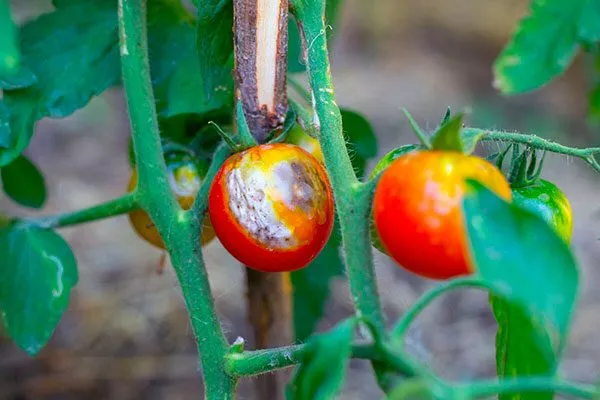
To protect the plant from disease, immediately remove affected parts of the bush and burn them off-site. Then spray the plantings with a fungicide:
- Fitosporin-M;
- Fundazol;
- Ridomilom Gold.
The hybrid's most common pests are whiteflies and aphids. Control these pests using folk remedies (soapy water, wormwood infusion, garlic decoction). If an infestation occurs, treat the beds with commercial insecticides (Decis, Engio, Confidor, Ampligo, Karate).
Pros and cons
The Magic Harp tomato has become a favorite among domestic gardeners due to its many undeniable positive qualities:
Gardeners consider the disadvantages of hybrid tomato varieties to be the impossibility of independently collecting seeds for subsequent planting, the need for shaping, mandatory tying and pinching.
Similar varieties
The Magic Harp has several similar varieties among the many cherry tomato hybrids. Read their descriptions and key characteristics:
- Yellow Necklace (hybrid)Belongs to the mid-season category. Its bushes are vigorous and produce fruit in clusters. They begin harvesting 115 days after germination. They tolerate heat and drought well and have good immunity.
The fruits are brightly colored and weigh 6 grams. Harvested in clusters, they can be stored for up to six weeks without losing their sweetness or juiciness.
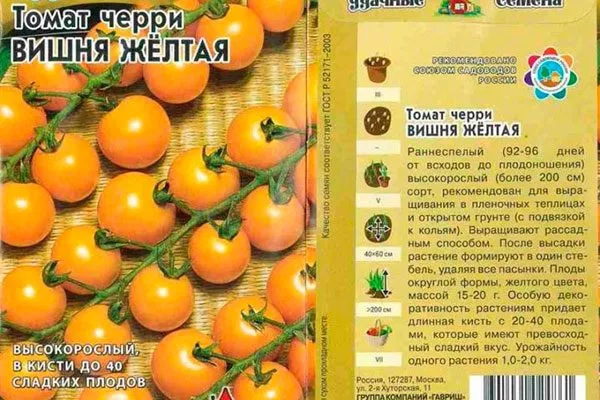
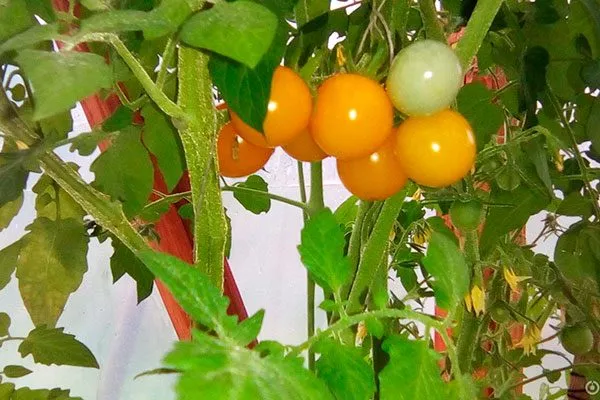
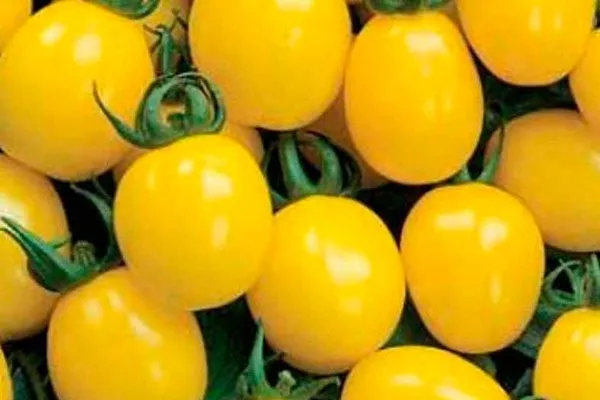
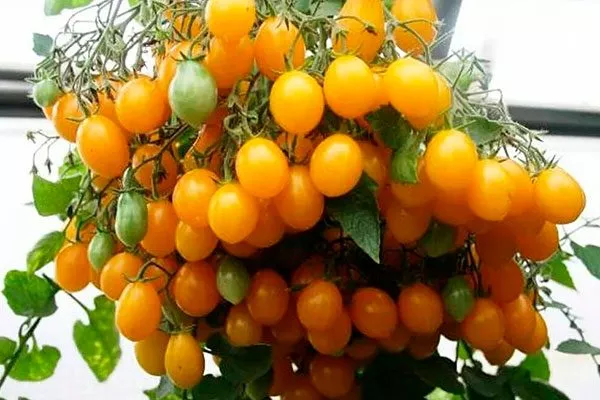
- Yellow cherry (hybrid)It's an early-ripening vegetable crop. Its plants are tall and spreading. Tomatoes ripen 90 days after germination. They are distinguished by their miniature size, oblong shape, and rich yellow color.
The yield per bush is 1-2 kg. The variety is susceptible to late blight, tobacco mosaic, and cladosporiosis.
- Spark Orange (hybrid)Characterized by an early ripening period. The bushes are determinate, producing a harvest 95 days after sprouting. The fruits are yellow-orange in color and weigh 10-15 g. Gardeners harvest 5-6 kg of cherry tomatoes per square meter of planting.
The plants don't tolerate cold well. They require greenhouse cultivation. In warm climates, they don't require cold protection such as plastic sheeting.
- Caramel yellow (hybrid)This variety belongs to the early-ripening tomato category. Ripening period is 100 days. The bushes are tall (up to 2 m) and productive, resistant to many diseases. They are grown in various regions, both in greenhouses and in open beds. The harvest consists of smooth, amber-colored fruits, weighing up to 40 g.
- Sugar Bunch Yellow (hybrid)This is an early-ripening determinate tomato variety. It begins to yield fruit 85 days after sprouting. Ripe fruits have a beautiful, sunny color, a round shape with slight ribbing, and a sweet taste. They weigh 15-20 g.
The bushes are resistant to the main nightshade diseases and highly productive. When grown in greenhouses, gardeners can harvest 12 kg of cherry tomatoes per square meter.
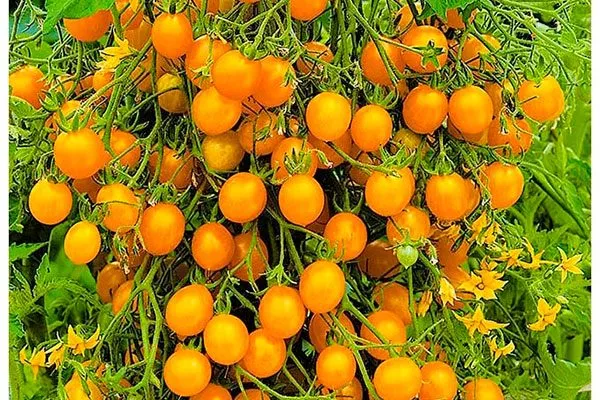
All the tomato varieties described above are well-suited for fresh consumption, summer salads, and winter preserves. Cooking preserves the vibrant color, firmness, and shape of the tomatoes. They retain their sweet flavor when pickled.
Reviews
The Magic Harp is a domestically bred achievement, beloved by gardeners who appreciate small cherry tomatoes. The neat, round shape and rich orange color of this hybrid's fruits, along with their remarkable sweetness, are universally appreciated. They grow particularly well in greenhouses, rarely suffer from disease, and produce excellent yields.