
The Ox Heart tomato is one of the most popular and recognizable varieties, with large fruits and excellent flavor. It is prized for its excellent productivity, making it popular for both amateur and commercial cultivation. It requires specific care, adherence to agricultural practices, and disease prevention.
History of selection
Developed in the 1990s by Moscow breeders from the Scientific and Production Corporation NK. LTD. Renowned specialists V. A. Vasilevsky, V. M. Nalizhity, S. A. Korotkov, and A. V. Dynnik participated in the variety's creation.
After completing the tests, it was included in the Russian State Register in 2000.
Description of the tomato variety Ox Heart
Many gardeners prefer to grow their own tomatoes, as they are tastier and healthier. Ox's heart has many positive qualities, making it prized by vegetable growers.
Appearance of the plant
It is a natural semi-determinate species and is not a hybrid. The bushes grow indefinitely and, without training, can reach a height of up to 2 m. The shoots are covered with medium-sized green leaves.
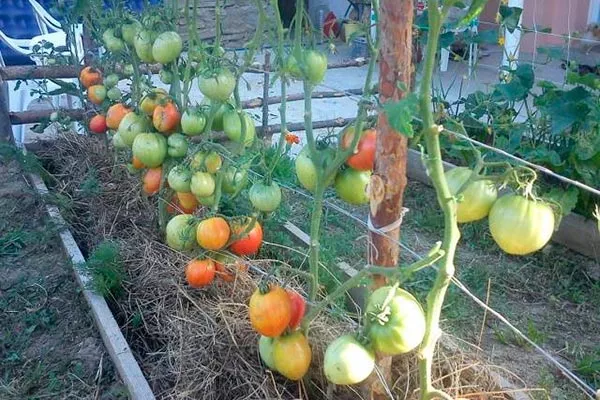
The plant has simple, intermediate-type inflorescences. The first inflorescences form above the 9th to 11th leaf, and then appear every three leaves. Up to five large florets develop on a single cluster. Foliage is medium, and four to five clusters form on the main stem.
Fruit
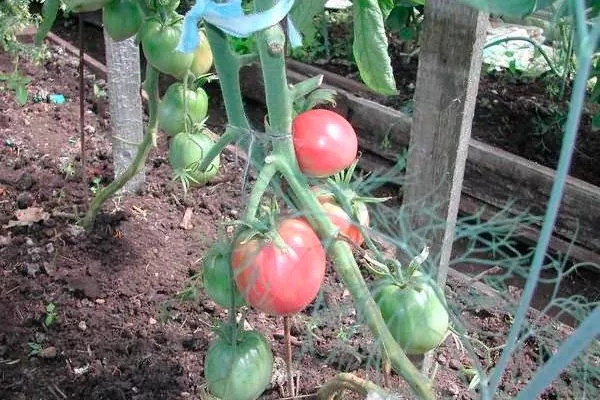
The tomatoes are large, heart-shaped, and a rich raspberry hue. The flesh is dense, juicy, and sweet. The average weight ranges from 250 to 350 g, but some weigh 700-1000 g.
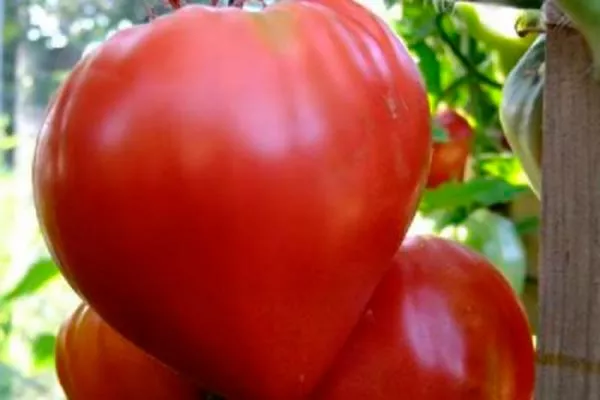
The multi-chambered fruits, with a sugar content of 2.2%, have a sweet taste and a distinctive tomato aroma. They contain few seeds. The surface is slightly ribbed, and the skin is dense, ensuring good storage.
Characteristics of the Ox Heart tomato variety
This variety has gained popularity due to its remarkable taste. It also has a number of other qualities that make it a popular choice for cultivation.
Drought resistance, frost resistance
The plant is particularly valued for its strong immunity and resistance to hot weather. However, the bushes do not tolerate sudden temperature changes or cold well.
Like most late-ripening varieties, it is sensitive to cold spells, which may prevent the fruits from ripening in time.
Productivity and ripening time
When grown in open ground, gardeners harvest up to 3.5 kg from one bush; in greenhouses, this figure increases significantly.
Tomatoes ripen late – the full cycle takes 3.5-4 months after emergence.
Regions for cultivation
Open-field cultivation is recommended in regions with warm climates. In temperate climates, the Urals, and Siberia, greenhouses are preferred for successful fruit ripening.
Application and taste qualities
Tomatoes have a unique flavor. Gardeners can make concentrated tomato juice, yielding approximately 700 ml per 1 kg of fruit. The tender and sweet pulp is ideal for fresh vegetable salads, and its sugar content varies depending on the number of sunny days.
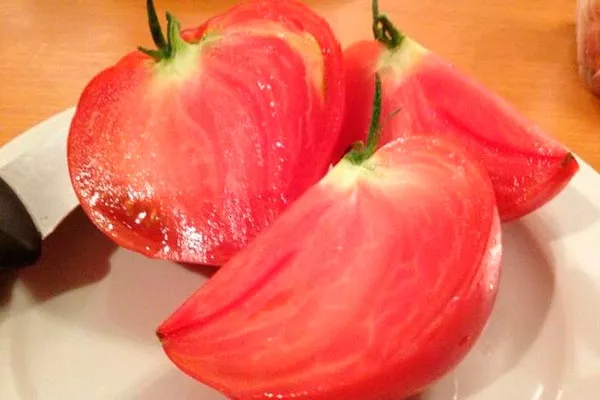
This variety is not suitable for pickling or canning because the vegetables are too large. They don't have a long shelf life, so they are quickly used fresh or processed. They are also resistant to cracking.
Varieties of the variety
The Ox Heart tomato is available from several agricultural companies, including Aelita, Sibirsky Sad, and Gavrish. There are subspecies obtained through amateur and folk selection, each with its own characteristics.
| Name | Ripening period | Disease resistance | Growth type |
|---|---|---|---|
| Ox heart pink | 110-115 days | High | Indeterminate |
| Ox heart Minusinsk | Mid-season | Average | Indeterminate |
| Striped ox heart | Mid-season | High | Determinant |
Ox heart pink
A mid-season indeterminate variety intended for greenhouse cultivation. Fruiting begins 110-115 days after germination. Plants reach a height of 1.5-2 m and require support. The first inflorescence forms above 5-6 leaves, and subsequent inflorescences appear after 1-2 leaves.
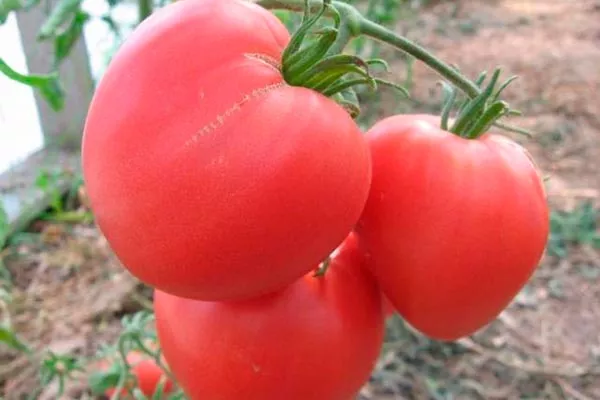
The salad variety produces delicious and aromatic, heart-shaped, pink fruits. They are large, fleshy, with few seeds, medium density, weighing from 160 to 210 g, sometimes reaching 300 g. The average yield is 9.5-10.0 kg per square meter.
Ox heart Minusinsk
Characterized by earlier ripening times, this variety is considered a mid-season variety. Fruit weight ranges from 200 to 400 g and contains a small number of seeds. It is recommended to grow the crop in two or three stems for best results and optimal fruiting.
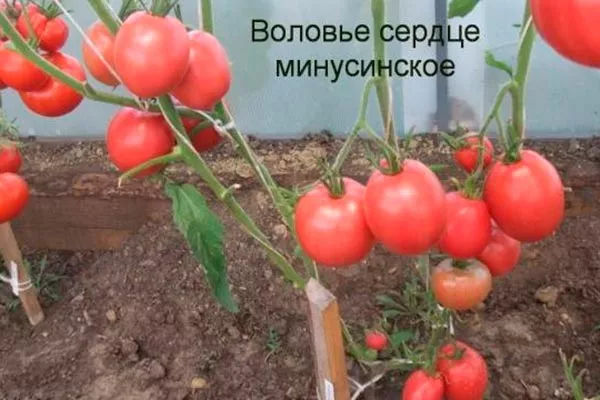
Striped ox heart
The variety is easily recognized by its distinctive fruit: they have a golden-pink hue with distinct yellow-green stripes on the skin. The tomatoes are smaller than their predecessor, weighing 150-200 g, but they boast excellent sweetness and a pleasant flavor.
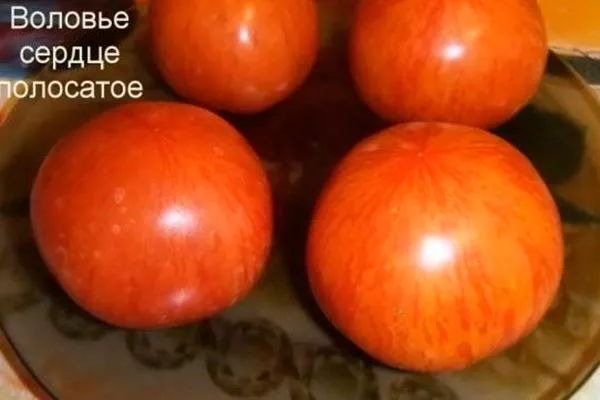
The crop is suitable for growing in protected soil. It matures mid-season, and the bushes themselves are more compact, reaching a height of only 1.3 m.
Growing seedlings
This variety is recommended for planting using seedlings. To obtain strong, high-quality seedlings, it's important to follow certain guidelines.
Sowing dates
The optimal time for planting seeds is early March. Seeds planted during this period will have time to germinate and produce healthy, strong seedlings.
Container and soil
Use light, highly fertile soil. Sow seeds in a common container, as seedlings will need to be transplanted into individual containers after 2-3 true leaves appear.
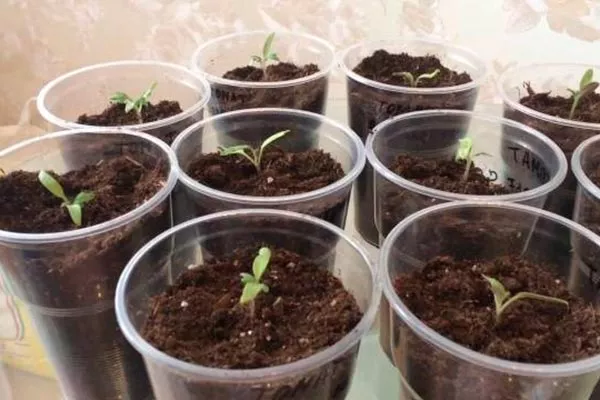
How to choose seeds for planting?
When choosing high-quality seed, pay attention to the following characteristics: the grains are large, there is no darkening on the surface, they are heavy (check by throwing a handful into water: empty ones will float).
Sowing rules
Due to the long ripening period of the Ox Heart tomato variety, it is recommended to grow them from seedlings, except in warm climates, where seeds can be sown directly into the ground. Follow these recommendations:
- Before planting, carefully prepare the soil and strictly maintain the temperature regime to allow the plant to adapt to the cold. This approach will ensure the plant's tolerance to low temperatures and promote vigorous growth.
- Place the seeds on lightly compacted soil. Cover them with a layer of peat and fertile soil about 1 cm thick.
- Moisten the grains with warm water and cover with film.
- ✓ Optimum soil temperature for sowing seeds: +25°C.
- ✓ Distance between plants when planting: not less than 50 cm.
- ✓ Seed planting depth: 2-3 cm.
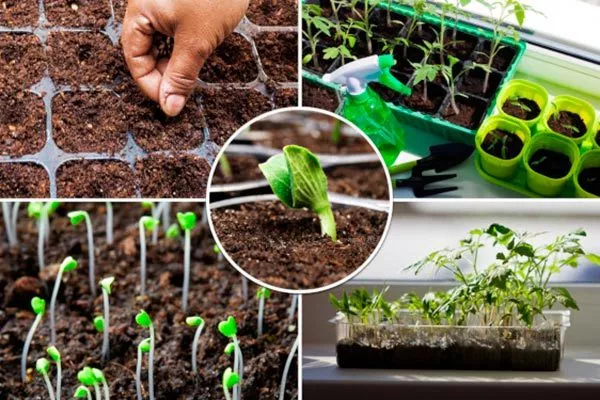
Leave the containers with planting material indoors until seedlings appear at a temperature of about +25°C.
Seed preparation
Pre-treat the seeds to improve germination. Use a weak solution of potassium permanganate to disinfect and protect against diseases.

Spread the seeds evenly on a damp cloth, spacing them apart. Cover with a loose layer of cloth. Close the container loosely with a lid and place in a dark, warm place. Ventilate regularly to prevent mold and ensure adequate oxygen supply.
In a few days the seeds should sprout and be ready for planting.
Sowing seeds: pattern and depth
Place the seeds 2-3 cm deep into the soil. The optimal distance between plants should be approximately 40 cm to ensure sufficient space for their growth and development.
Conditions for germination
Maintain a constant temperature of 20-22°C for optimal seed germination. The plant thrives in light, so place the seedling containers in a well-lit area. To maintain optimal humidity and speed up germination, cover them with plastic film.
Picking and fertilizing
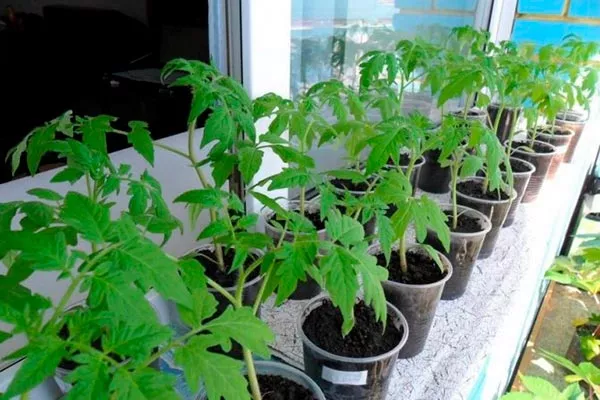
When each stem has 2-3 leaves, transplant the seedlings into individual containers. This will allow the plants to develop better, giving them more space to grow. Maintain a temperature of 23-24°C during the day and 18°C at night.
Tomatoes require a lot of light. If not, provide supplemental lighting with incandescent bulbs. To ensure strong and healthy seedlings, use light doses of mineral fertilizer to provide the plants with essential nutrients.
- First feeding: 2 weeks after picking, use complex mineral fertilizer.
- Second feeding: a week before planting in the ground, use potassium fertilizers to strengthen the root system.
Hardening off seedlings
A week before transplanting to their permanent location, seedlings need to harden off. This will prepare them for the changing environmental conditions and reduce planting stress. Take the seedlings outside for a few hours each day.
Over time, increase the amount of time plants spend outdoors to full daylight hours to allow them to adapt to changing temperatures and conditions. Hardening off helps increase tolerance to temperature fluctuations and improves survival after transplantation.
How to choose the right ready-made seedlings?
If you don't have the time or ability to germinate seeds yourself, you can purchase ready-made seedlings. What to consider when purchasing seedlings:
- Stem. It should be firm, but not too thick or fleshy—about like a pencil. If it appears too tall and has many leaves, the plant was likely over-fertilized with nitrogen before being sold. The foliage will develop well, but fruit production may be low.
- Number of leaves. The optimal number for each seedling is 8-10 leaves. They should be green, fresh, and healthy. Yellow leaves are a sign of problems and may indicate deterioration.
- Presence of a flower brush. Every healthy sprout should have a flower cluster. However, if the seedlings already have ovaries or fruits, it's best to avoid purchasing them.
Avoid buying seedlings that are too crowded in their containers. Transplanting can damage the root system, which can lead to death. Choose healthy-looking seedlings that have proper stems and foliage, a flower cluster, and show no signs of stress.
Transplantation into the ground
When growing the "Ox Heart" variety in a greenhouse, pre-hardening of seedlings is not required. However, before planting them outdoors, young plants should be gradually acclimated to fresh air conditions. Adhere to other important requirements.
Deadlines
Plant seedlings in the second half of May or early June, when the weather has stabilized and the threat of night frosts has passed. By this time, the seedlings should be at least 60-65 days old and have at least 6-7 mature leaves.
If planting in a heated greenhouse, plan for April. If using an unheated greenhouse, plant in early May.
Choosing a location
Tomatoes thrive in areas previously occupied by carrots, peas, radishes, or onions. Choose well-lit areas that receive full sun throughout the day. Before planting, be sure to fertilize and moisten the soil.
Optimal scheme
Since the plant is large, the distance between bushes should be 50x70 cm. Plant no more than 4 bushes per square meter to ensure the root system and aboveground part have sufficient space and air access.
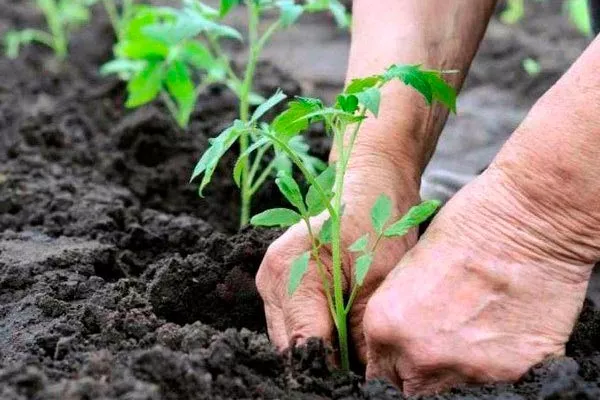
In cold regions, the planting depth should be at least 20-25 cm. Add a weak solution of bird droppings or mullein to each planting hole to improve the growing medium.
Caring for the Ox Heart tomato variety
Caring for seedlings includes regular watering, maintaining an optimal temperature, and providing adequate light. It's important to carry out all necessary agricultural procedures in a timely manner. Adhering to these conditions promotes healthy growth and high yields.
Watering, weeding and loosening
Bushes of this variety do not tolerate prolonged heat and drought well, so water them 2-3 times a week. In hot, rainless weather, water them daily, using up to 10 liters of warm, settled water per bush.
When watering, loosen the soil and remove weeds so that the roots are better saturated with oxygen and nutrients.
Pinching out side shoots and shaping the bush
Young tomato plants require regular removal of side shoots and lower leaves. This removal helps shape the plant and prevent excessive growth, which can lead to small and unpalatable fruits.
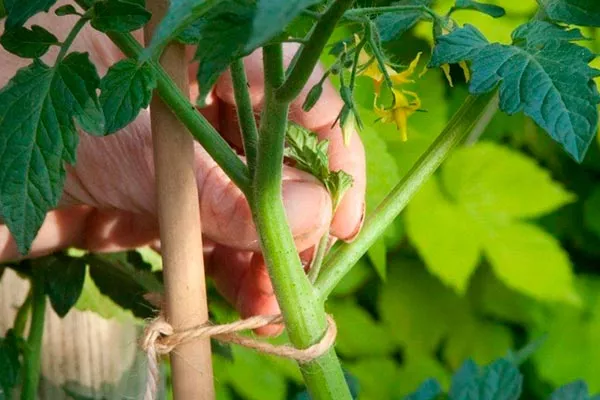
Form the bush with a maximum of three stems, leaving one shoot under the first flower cluster, and remove the rest as they appear, when they reach 4-5 cm in length.
Garter and pruning
Because tomato plants lack a terminal growth point, they require regular staking. Without it, the plants may not be able to support the weight of the tomatoes and may break under the strain.
Periodically remove excess ovaries to ensure juiciness and a healthy fruit size—there shouldn't be more than 8 inflorescences on a bush. Prune before flowering begins.
Potential difficulties and complexities in caring for the crop
If your plants are looking unwell, you can use the symptoms to determine whether it's due to disease or pests. Consider the following:
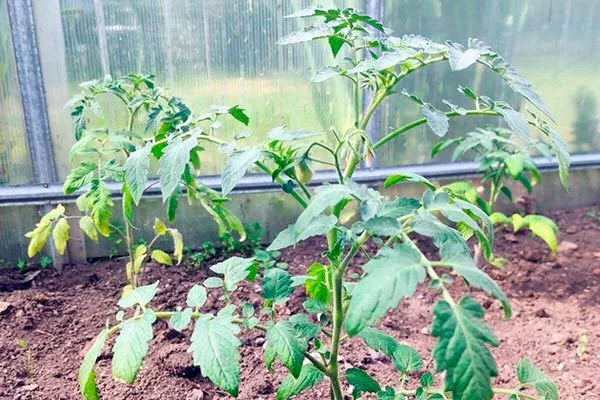
- Yellow leaves on the trunks. Trim off any yellowed leaves on the main stem. This may be due to insufficient moisture for the root system. Water the seedlings into the hole, not on the surface after hilling – this encourages the roots to grow upward, toward the water.
Weak shoots located close to the surface quickly dry out and lead to yellowing of the leaves. - The leaves are curling. Avoid spraying tomato plants with water in hot weather. Water droplets on leaves in the scorching sun act like lenses and can cause burns.
Harvesting and storage
The Volovye Serdtse variety is characterized by excellent marketability: its skin is resistant to cracking, and the fruits themselves tolerate long-distance transportation well.
This variety isn't meant for long-term storage, so it's best to eat it as soon as possible after harvesting. These tomatoes make delicious salads, pastes, juices, and purees.
Diseases, pests and other problems
The bushes have good immunity to most diseases. However, if the soil dries out, blossom-end rot may develop, and if the soil is too wet, late blight may occur. Pests that attack this variety include the Colorado potato beetle, slugs, aphids, mole crickets, and other insects.
Pest and disease control
The Ox Heart tomato is resistant to most diseases if grown strictly according to agricultural guidelines. However, if these guidelines are not followed or if unfavorable weather conditions occur, the following diseases may occur:
- Late blight. One of the most common crop diseases, it occurs during high humidity and prolonged rainfall, especially in dense plantings. It can be caused by the use of fresh manure or excess nitrogen fertilizer.
The disease manifests itself as brown spots on the lower leaves, which then spread to the fruits. - Blossom-end rot. Occurs when the soil dries out and there's a calcium deficiency, especially in hot weather. Tomatoes become covered with sunken black spots on the tops.
- Blackleg. It can affect seedlings before planting, causing blackening and drying of the stems. Causes include over-dense planting, insufficient ventilation, and overwatering. Affected seedlings should not be planted.
- Septoria (white spot). It manifests itself as white or gray spots with a dark border on the leaves, and tomatoes turn brown and dry out. The disease most often occurs in hot, humid weather.
- Macrosporiosis (dry spot). Characterized by the appearance of large brown spots on all parts of the plant, which can coalesce and form a coating. It occurs during hot weather with heavy dew. Affected plants should be destroyed, and their seeds should not be harvested.
- Bacterial cancer. It appears as brown spots with a black border and a light outline, most often caused by excess moisture in hot weather. The disease spreads through seeds and dense plantings.
- Fusarium wilt. It's caused by fungal microorganisms in the soil that penetrate the stem through the roots. The plant loses leaves and appears to be under-watered. The pathogens persist in the soil for a long time.
The best way to combat the listed diseases is regular preventative treatment with special chemicals and strict adherence to agricultural technology.
Preventive measures
To prevent most diseases, water tomato plants with warm water. This method helps protect the roots from stress and prevent rot. Treat young blossoms with Bordeaux mixture, calcium nitrate, and Fitosporin to protect against fungal diseases.
Pay special attention to crop rotation, as it reduces the likelihood of harmful microorganisms accumulating in the soil. Avoid planting crops in the same location for several years in a row.
Pros and cons
Before planting seedlings, carefully study the advantages and disadvantages of the Ox Heart variety.
The benefits far outweigh the negatives.
Reviews
The Ox Heart tomato is a variety with numerous advantages: large fruits, good productivity, and excellent flavor make it an ideal choice for growing outdoors and in greenhouses. For successful cultivation, it's important to understand and consider its specific characteristics, from planting and care guidelines to disease and pest prevention.