
Vlastelin Minusinsk is a sought-after tomato variety, gaining popularity due to its high productivity and excellent varietal qualities. The tomatoes are large, rich in flavor, and the plants are heat- and drought-resistant. This variety is highly resistant to diseases and pests and is suitable for cultivation throughout Russia.
Description of the bush and fruits
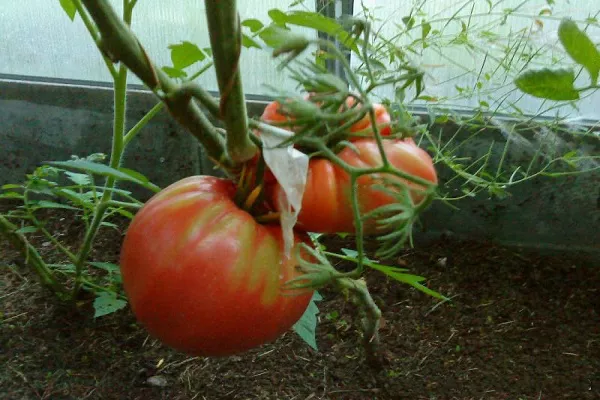
The plants have vigorous growth, reaching approximately 180 cm in height. Distinguishing features of the variety:
- stems – thin but strong;
- leaves - medium, rich green color;
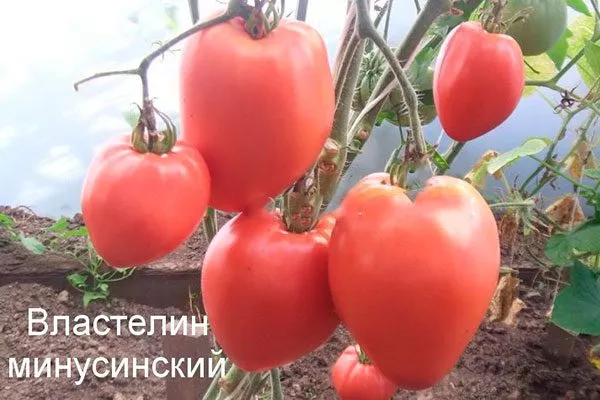
- tomatoes - Mature specimens have a raspberry-pink color and are large in size;
- weight - varies from 400 to 600 g;
- form - heart-shaped.
- ✓ Resistance to temperature fluctuations: withstands short-term drops to +5°C.
- ✓ High resistance to late blight, which is rare for large-fruited tomatoes.
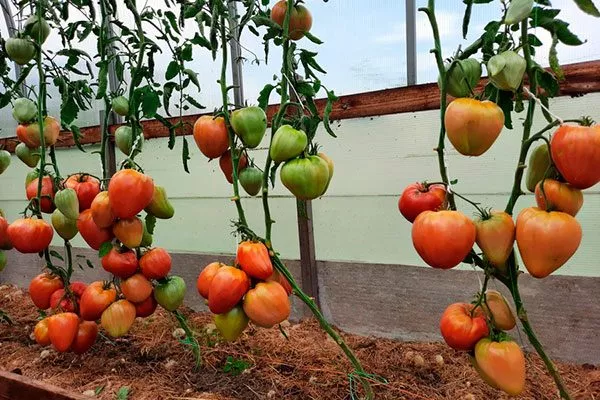
The vegetables are tied into individual clusters, each containing up to five. Their thick skin ensures high resistance to damage during transportation. They can be easily transported from the garden to the dacha or home.
Main characteristics and history
This variety originates from Minusinsk and is a folk selection. Although it is not currently included in the State Register, its popularity among gardeners and summer residents, both novice and experienced, continues to grow.
Ripening and fruiting, productivity
The Minusinsk variety is characterized by high yields and a relatively short ripening period. From planting the seedlings to harvesting the first tomatoes, it takes approximately 100-110 days, allowing for harvesting as early as July or early August, depending on the region.
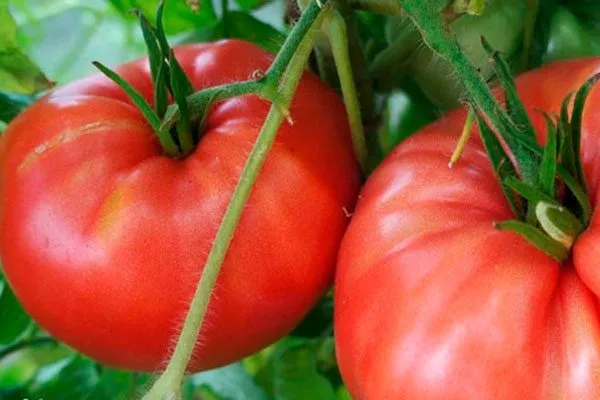
Under favorable growing conditions and proper care, a single bush can yield up to 5-6 kg of fruit. To achieve maximum productivity, it's essential to take care of the crop and perform important procedures on time.
Scope of application
These tomatoes boast not only a unique shape and color, but also excellent quality. They have a rich tomato flavor with a slight sweetness and a soft tartness. The flesh is juicy, dense, and tender, making them an excellent choice for culinary use.
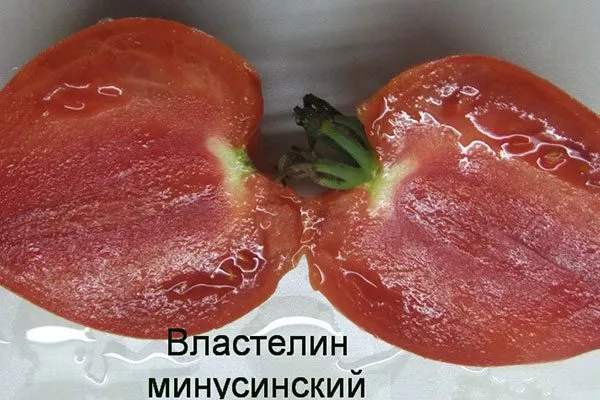
This variety is suitable for making fresh salads, sauces, pastas, and condiments. It's also great for making ketchup, tomato juice, and other preserves.
Planting and growing
Cultivating seedlings and properly planting them later plays a key role in achieving consistent harvests. It's important to consider certain requirements to ensure the roots have comfortable conditions for growth and vigorous development.
- ✓ Optimum soil temperature for planting seedlings: not lower than +15°C.
- ✓ The distance between rows should be at least 80-100 cm to ensure sufficient ventilation and lighting.
Selecting and preparing the soil for the Lord of Minusinsk
Tomatoes grow best in light, fertile soil with good air permeability and moisture retention. For planting, choose sunny sites protected from cold winds, preferably on south- or southwest-facing slopes.
It is important to prepare the soil properly:
- remove weeds and plant debris;
- loosen the soil to a depth of about 30 cm;
- apply organic or complex mineral fertilizers.
This will provide the plants with the necessary nutrients.
Seed preparation
Pre-treat your planting material to prevent diseases and improve germination. Follow these steps:
- Calibration. Check the beans, removing any damaged or empty ones. This can be done by soaking them in salted water (20 g per 1 liter). Discard any that float to the surface.
- Disinfection. To protect against diseases, soak the seeds in a weak solution of potassium permanganate (0.5-1 g per 1 liter of water) for 15-20 minutes. Then rinse thoroughly.
- Hardening. Place the seeds in the refrigerator for 12-24 hours (in a bag or container). This will help increase their resistance to temperature fluctuations.
To speed up germination, wrap the seeds in a water-soaked cloth or cheesecloth for 1-2 days, keeping them moist at around 20°C. Once they sprout, you can proceed with the next steps.
Planting dates and seeding patterns
Plant the "Lord of Minusinsk" tomato seeds 50-60 days before transplanting the seedlings into open ground or a greenhouse. This usually occurs in late February or early March. This timing will allow the plants enough time to grow and establish themselves before planting them in their permanent location.
Plant the seeds 1-2 cm deep, preferably in special pots or containers for later transplanting into open ground. Maintain a distance of about 5 cm between seeds. Moisten the soil and cover the bed with plastic or glass to create a greenhouse effect and maintain a favorable microclimate.
Growing in open ground
When the seedlings reach 15-20 cm in height, transplant them to a well-lit area with loose, fertile soil. Follow these guidelines:
- Prepare the soil in advance by adding complex fertilizers, which will help the seedlings take root and develop faster.
- Transplant carefully, being careful not to damage the roots. The optimal distance between plants is at least 40 cm and 80-100 cm between rows to ensure they have enough room to grow.
Plant care
Caring for your crop involves several important aspects to ensure a high yield. Follow standard agricultural practices:
- Watering. One key element: the bushes need regular, but not excessive, watering, especially during flowering and tomato formation. Avoid getting water on the leaves to prevent disease.
- Top dressing. This is crucial. Apply the first fertilizer 2-3 weeks after transplanting the seedlings into the open ground, and then 2-3 more times throughout the season, alternating organic and mineral solutions. Use herbal infusions, chicken manure, or complex mixtures to provide the plants with essential nutrients.
- Mulching. This procedure helps retain soil moisture, prevents weed growth, and improves soil structure. A layer of hay or straw mulch protects the roots from overheating.
- Soil care. Loosening the soil around the plants improves aeration and prevents crust formation on the surface. Weed the area regularly, removing weeds that compete with the tomatoes for moisture and nutrients.
- Formation. Prune side shoots growing from the leaf axils to prevent the plant from wasting energy on their development. However, it's best not to trim the tops of the plants, as this can negatively impact growth and fruiting. Experienced agronomists warn that improper pruning can damage tomatoes and reduce yield.
Pest and disease control
The most common insects that attack tomatoes are aphids, whiteflies, and the Colorado potato beetle. To combat these, use chemicals, while regular visual inspection of plants and manual removal of pests helps protect against the Colorado potato beetle.
If agricultural practices are not followed, viral and fungal diseases, such as late blight, may develop. To prevent these diseases, use the following:
- copper-containing compounds;
- infusions of wood ash;
- Bordeaux mixture;
- Fitosporin.
Adhering to a proper watering regime, maintaining optimal humidity levels in the greenhouse (no more than 70%), and timely plant treatments will help prevent diseases, minimizing the need for toxic chemicals.
Pros and cons
The Minusinsk tomato is successfully grown both in open ground and in greenhouses or hotbeds. It adapts to a variety of climates, making it suitable for most regions.
The variety has a number of advantages, including:
Gardeners did not find any significant shortcomings in this variety.
Reviews
The Vlastelin Minusinsky variety is characterized not only by its excellent taste but also by its excellent productivity. Its ease of care and rapid adaptation to various conditions make it ideal for cultivation in any region of our country. With proper agricultural practices, it can yield high-quality, large-volume harvests throughout the season.