
The Red Cherry tomato is one of the leading vegetable crops purchased for farming across the country. This variety is grown both in plastic greenhouses and in open fields. It is one of the oldest and most reliable dessert tomato varieties, providing a consistent harvest and requiring little maintenance.
Origin and growing regions
In the early 1990s, the Gavrish agrofirm introduced the "Red Cherry" tomato variety, the result of the work of renowned breeders S. F. Gavrish, E. V. Amcheslavskaya, and V. V. Morev. In 1997, having successfully passed a series of tests, it was officially registered in the State Register of Breeding Achievements of the Russian Federation.
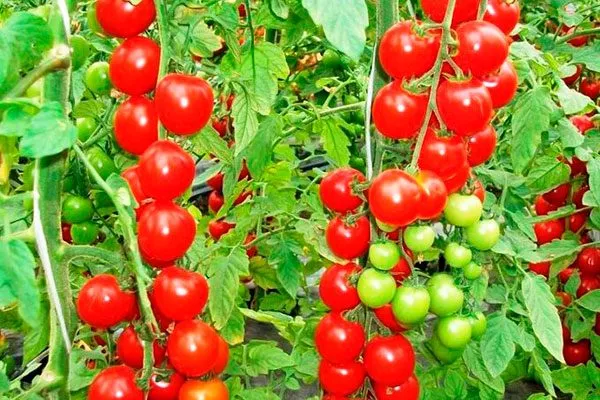
This variety was one of the first dessert tomatoes introduced to the market by the breeding company, as reflected in its name, which refers to its membership in the cherry tomato group. Within this same line, the manufacturer also offers the Cherry Yellow variety, which has similar characteristics but produces yellow fruits.
Subtleties of zoning
Red cherries have received official cultivation approval and are widely distributed throughout the Russian Federation. This variety demonstrates impeccable cultivation results in the northwest and central parts of the country, as well as in the Urals and the Far East.
To purchase Red Cherry seeds, you should contact the manufacturer, Gavrish. They are available under the "Seeds from the Author" line or under the "Successful Seeds" brand.
Description of the bush and fruits
The key feature of this variety is its early harvest, making it suitable for picking even in regions with short summers. It's important to note that cherry tomatoes must ripen on the vine, as unripe fruits harvested at home lose their flavor.
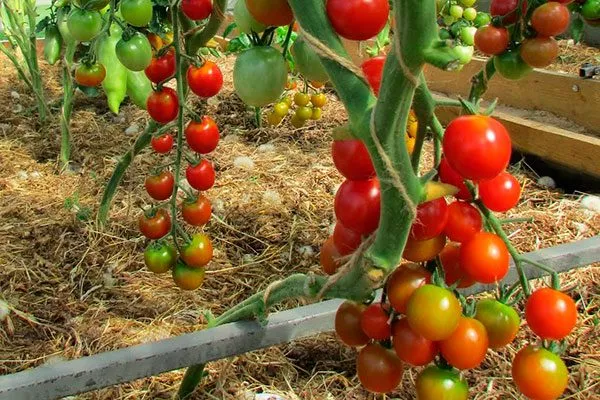
- ✓ The plant height can reach 100-300 cm in ideal conditions.
- ✓ Formation of fruit clusters with 20-40 tomatoes.
- ✓ Thin skin of the fruit, limiting transportability.
Varietal characteristics:
- A tall, semi-spreading indeterminate variety that requires staking, pinching, and tying of branches. This plant can reach a height of 100-300 cm in ideal conditions, with medium branching and shoot growth. To increase yield, the bushes are trained into a single trunk.
- The leaves on the bushes have a weak covering and a dark green tone, while the leaf blades are small and finely serrated.
- The first buds form between the eighth and ninth leaves, and subsequent flower clusters form every three leaves. The inflorescence is of an intermediate type.
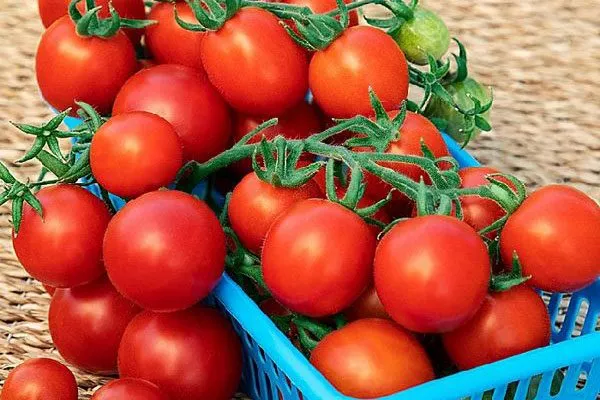
- Despite its name, the Red Cherry variety's inflorescences resemble clusters of grapes, each containing 20 to 40 bright red tomatoes. They are round in shape and weigh an average of 15 to 20 grams.
- The skin is thin, shiny and prone to damage, which limits transportation options.
- The pulp contains 2-3 seed chambers, its components are juicy and quite dense.
- The flavor of tomatoes is described as sweet, but this quality is highly dependent on growing conditions—if plants don't receive enough sunlight, tomatoes may be more sour. Cherry tomato flavor is also directly related to these key conditions:
- sun illumination;
- adequate temperature;
- optimal nutrition with a varied composition.
Red cherries are sometimes mistaken for cherry hybrids, such as winter cherries. It's important to emphasize that the former is a distinct variety, and the seeds you collect can be used for future plantings, preserving all the characteristics of the parent plant.
Red cherries resemble Balcony Miracle or Pinocchio, which were created primarily for decorative purposes and indoor cultivation. Their fruits are significantly larger—up to 30-40 g—and the plants themselves have completely different characteristics than cherry tomatoes.
Main characteristics
Red cherry is a variety particularly prized in southern regions, where its flowers and fruits transform garden plots into true masterpieces. In more northern zones, it is grown in cold-protected environments, such as greenhouses or hothouses, allowing for a bountiful harvest even in the most unfavorable summer temperatures.
Ripening time and fruiting, yield
Red cherry is an early-ripening variety – from the moment the first shoots form until the time of harvesting the fruit, it takes from 95 to 105 days.
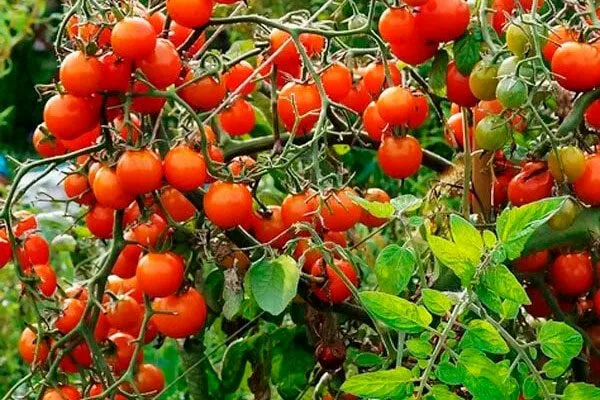
The productivity of this variety is comparable to other cherry tomatoes, but one bush can yield up to 1 kg of fruit, and with careful adherence to agricultural technology, the yield can increase to 2 kg.
Application
Red cherry is a versatile variety. Its fruits are ideal for:
- consumption raw;
- adding to salads and hot dishes;
- canning in any form;
- decoration of jars, where they can be placed in whole bunches, which gives a special look.
Features of agricultural technology
All tomato varieties need to be grown from seedlings, but first, prepare the seeds according to all recommendations to ensure rapid and dense germination. While the procedure is standard, it's important to consider certain variety-specific requirements.
- ✓ Optimum temperature for seed germination: 25-28°C.
- ✓ Need for additional lighting during short daylight hours.
- ✓ The importance of maintaining moderate soil moisture to prevent rot.
Humidity, lighting and temperature
The temperature in the seedling room should be at least 25-28 degrees Celsius. If these conditions are met, the first shoots should appear within 7-8 days. Humidity should be moderate to avoid overly humid conditions, as this will cause the seedlings to rot.
Lighting features:
- Tomato plants prefer long days, so they require additional artificial lighting in the spring. Standard lamps or specialized phytolamps can be used for this purpose.
- Placing seedling pots on a windowsill, a common method, isn't always optimal. Cold air can enter as a draft, which, combined with direct midday sunlight, can negatively impact plant development.
Soil requirements and seed preparation
Plants are sensitive to soil composition—it should be highly fertile and have a neutral pH. You can use a ready-made substrate available in specialty stores or prepare your own by mixing black soil with clean river sand.
Rules for seed preparation:
- For planting, you should select healthy, full tomato seeds;
- the day before sowing they can be treated with a weak solution of potassium permanganate for 10 minutes;
- then the solution should be drained and the seed material should be thoroughly dried.
Additionally, you can soak them in any growth stimulator and germinate them in the classic way in gauze.
Sowing seeds
After March 20th and until April 10th-15th, you can begin sowing seedlings. To do this, fill containers with a high-quality substrate mixture. Then, in the moistened soil, make narrow furrows 1 cm deep, spaced 4-5 cm apart. Plant seeds in each furrow, 1 cm apart, and then cover the surface with soil.
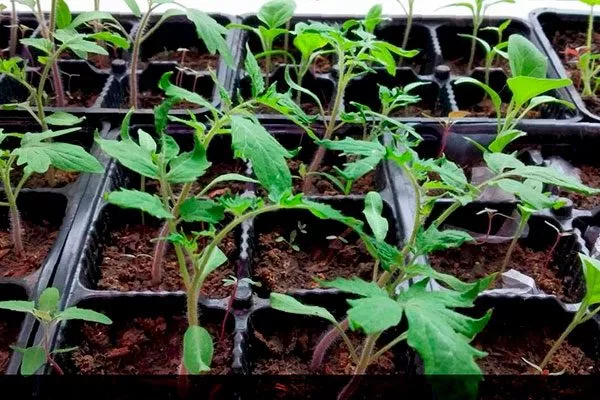
Further cultivation involves the following actions:
- containers with crops are covered with film and placed in a warm place;
- after sprouting and the emergence of shoots, the cover is removed and the containers are transferred to a light windowsill;
- when the plants have 2-3 leaves, they are transplanted into cups with a diameter of 10-12 cm;
- fluorescent lamps or special phytolamps are used as an additional light source;
- It is necessary to maintain moderate soil moisture, avoiding over-watering;
- It is critically important to maintain the air temperature within 25 degrees.
Hardening off seedlings
Before transplanting seedlings into open ground, be sure to harden them off to make them more resilient to adverse conditions:
- Once the plant has three or four true leaves, it's time to gradually acclimate it to light and air, starting with short periods outdoors (15-20 minutes). Choose a secluded location protected from direct sunlight and wind.
- The next day, increase the time spent there to an hour, then to two hours, and so on.
- Just before transplanting, it is permissible to keep the plants outside overnight.
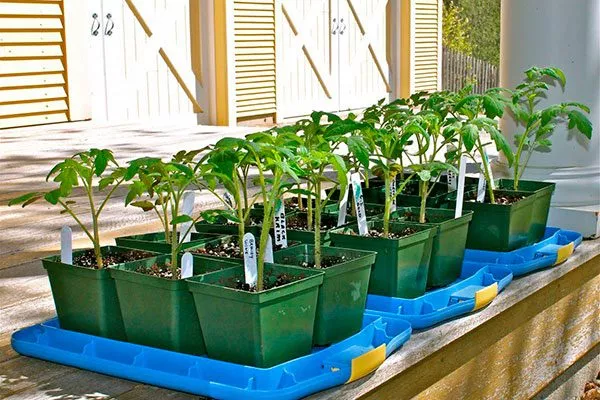
Planting in open ground and greenhouse
Transplant vegetable crops into open ground only when the threat of frost has passed and the daily maximum temperature has stabilized at 22-24 degrees Celsius. In temperate regions, this typically occurs between May 15 and 28. By this time, each plant should have 4-6 mature leaves.
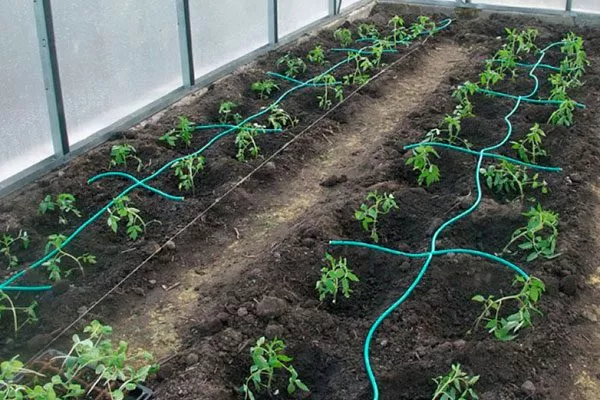
To effectively grow Red Cherry tomatoes, it's important to carefully prepare the soil and select a suitable planting site. Follow these guidelines and guidelines:
- When digging the soil, add organic matter such as compost or humus to improve the soil structure and provide nutrients to plants. Mineral complexes rich in phosphorus and potassium can be used as an additional supplement.
- It's best to choose an open, sunny location for planting tomatoes. These plants thrive in full sun and require long periods of daylight. Therefore, avoid shaded areas and don't replant tomatoes in the same spot every year to prevent diseases and pests from spreading.
- When choosing a planting site, consider watering options. Tomatoes require regular watering, so the planting site should have access to water. A nearby pond or a drip irrigation system are ideal.
Instructions for planting seedlings:
- Dig holes and space them at intervals of 60 cm.
- Fill with compost and place stakes in the center.
- Fill with water and place the seedling at an angle.
- Cover the root system and part of the stem with soil and water again. Place 2 to 3 bushes per square meter.
- 3-4 days after transplanting, secure the seedlings to pegs.
Growing cherry tomatoes in a greenhouse isn't much different. To ensure a year-round harvest, the greenhouse must be equipped with heating and lighting systems. These systems are made of glass or polycarbonate and provide optimal growing conditions.
Care and feeding
Caring for Red Cherry, like other varieties, involves standard procedures. However, unlike shorter varieties, it requires pinching and timely support. For these purposes, consider structures at least 200 cm high.
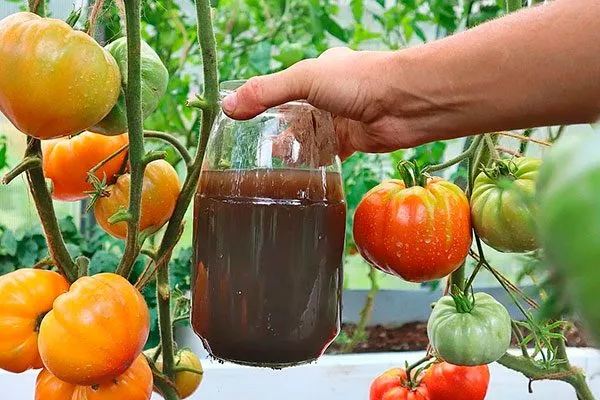
Caring for the Red Cherry variety includes a number of activities:
- Pay attention to daily watering. This variety requires more thorough watering, but it's important to avoid water pooling near the roots to prevent stagnation. Water each mature plant with 3 liters of warm, settled water.
To avoid damaging the root system, it is recommended to use water that has been left to stand for at least 24 hours and moisten it so that the water reaches the roots directly, avoiding the leaves and stems. - Be sure to mulch the tree trunk area. Mulch made from straw, hay, pine needles, or rotted sawdust will help retain moisture in the soil and prevent weed growth.
- Weeding is also very important. It's essential to remove weeds, which rob the main crop of nutrients, limiting its growth. Weeds can become a breeding ground for pests, as they often lay their eggs and larvae in them.
- The next step in care is loosening the soil. This is necessary to ensure oxygen reaches the tomato roots. After each watering, gently break up and loosen the soil around the plants to prevent a dry crust from forming and to avoid damaging the root system, which is located close to the surface.
- Tomato fertilizers should be comprehensive and rich in micronutrients. Products high in potassium and phosphorus are particularly effective. Wood ash can be used, carefully sprinkled around the bushes in dry form or sprayed in liquid form.
Caution should be exercised with nitrogen-rich fertilizers, as too much of this element can promote excessive foliage growth at the expense of fruiting.
Diseases and pests
Due to its early ripening, the Red Cherry is resistant to many diseases common to later-ripening varieties. However, this tomato variety is not completely immune to tobacco mosaic virus and fusarium wilt, and also exhibits insufficient resistance to cladosporiosis. If the disease is detected, spraying with fungicides is recommended.
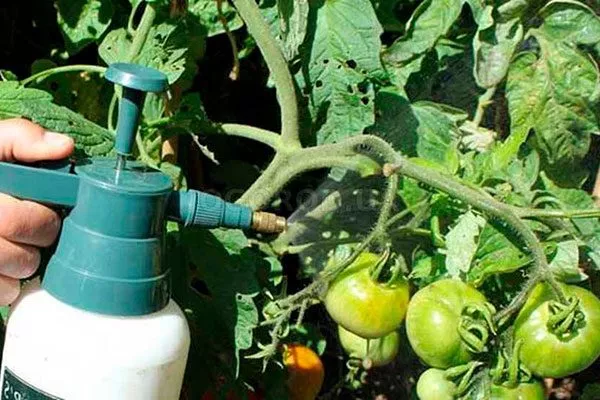
To protect tomatoes from pests, it is important to follow agricultural practices, as the Red Cherry variety has good resistance to parasitic insects.
To avoid problems with viruses, fungi, bacteria, and pests, take preventative measures, which include proper care:
- proper watering;
- application of fertilizers;
- weed and moisture control.
It is permissible to use biocontrol methods – plant nearby plants that repel pests.
Harvesting
The first vegetable harvest begins in July, but given the characteristics of the Red Cherry variety, which produces clusters of fruit, it's recommended to wait until at least 80% of the tomatoes on a single vine are ripe. This will improve their flavor.
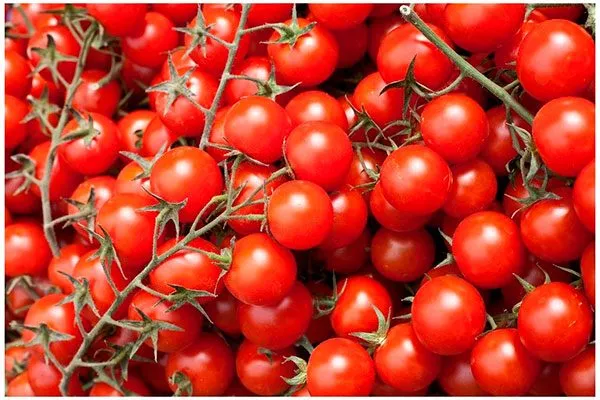
Due to its low marketability and poor transportability (due to its thin skin), this variety is not suitable for commercial farming. To extend the shelf life of the harvest, use sturdy cardboard boxes or crates, preferably lined with paper to prevent rotting.
Pros and cons
The advantages of this culture clearly outweigh the disadvantages.
Reviews
Red cherries are renowned for their high productivity, exceptional sweetness, and attractive presentation. However, to achieve a decent harvest, careful care is required, including pruning long shoots and tying branches to supports.