
Wine Jug is the name of a mid-season, high-yielding tomato variety bred abroad. It is of interest to domestic gardeners due to the unusual shape and color of its fruits, as well as their rich flavor palette. It is grown in a variety of conditions: in open-air beds, under temporary shelter, and in plastic and heated greenhouses.
Description and characteristics of the Wine Jug tomato
This vegetable crop variety belongs to the category of varieties characterized by medium harvest ripening periods:
- tomatoes ripen in 105-110 days after transplanting the seedlings to their permanent growing location;
- harvesting time: July-September.

The bushes delight gardeners with their abundant fruit production. They are distinguished by their high productivity. A single well-cared-for plant can yield up to 5 kg of high-quality fruit.
Since 2021, this variety has been listed in the Russian Federation State Register. It is approved for cultivation in private households under various conditions:
- in greenhouses - in the climate of the Central zone;
- in an open garden bed - in the south of the country.
Main qualities of fruits
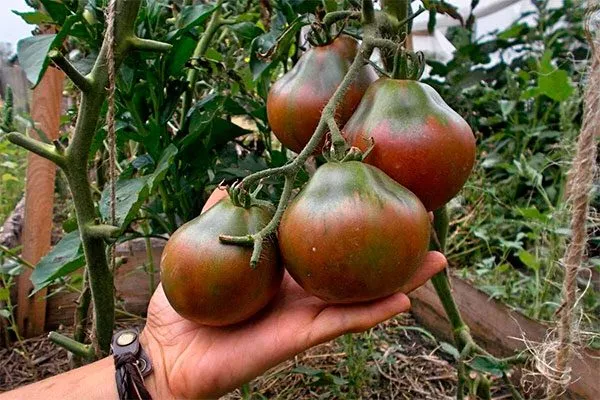
Tomatoes of this variety have a distinctive appearance, true to their name. They are highly marketable and possess the following characteristics:
- form - pear-shaped, resembling a small jug;
- size - average;
- weight — 90-110 g;
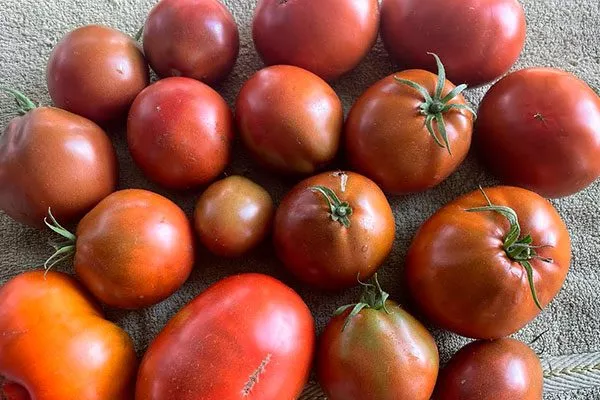
- coloring - two-color, black or purple in the upper part, rich crimson in the lower part;
- skin - not thick, but strong, not prone to cracking;
- pulp - dense, fleshy, thick consistency, reminiscent of jelly, bright red in color, with 4-6 seed chambers.
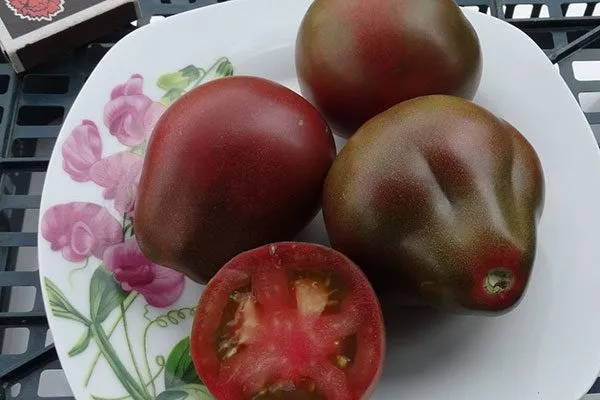
Besides its attractive appearance, the Wine Jug harvest boasts a remarkable taste. According to professional tasters, it is rich, full-bodied, and sweet, with a hint of acidity and spicy notes.
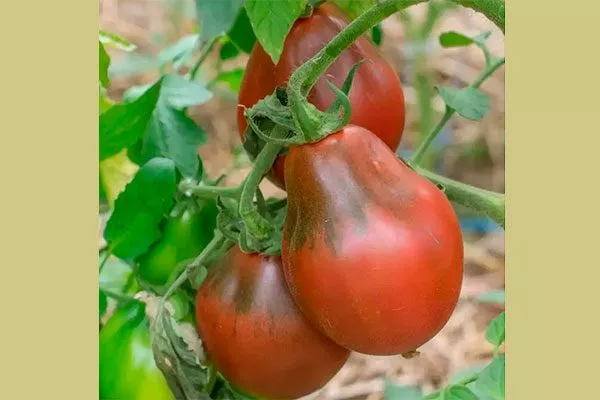
Thanks to their excellent flavor, bicolor tomatoes are ideal for fresh consumption and adding to summer vegetable salads. They are also suitable for whole-fruit canning due to their small size and attractive shape. Their skins do not crack during cooking.
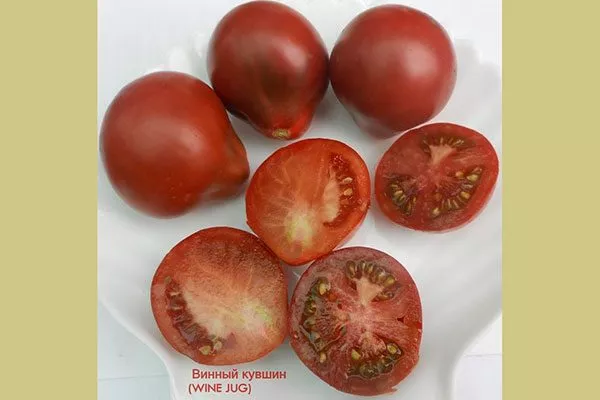
Description of bushes
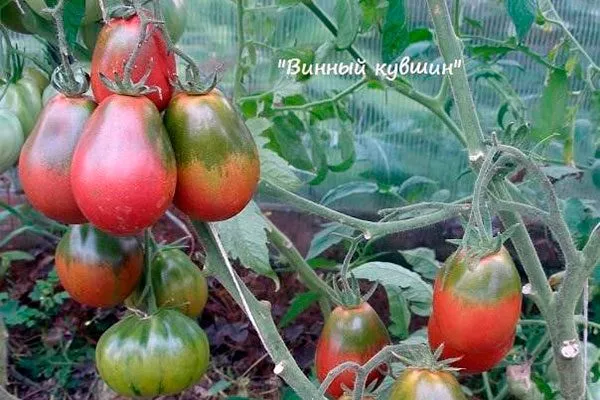
The Wine Jug tomato is a representative of the indeterminate tomato varieties and hybrids. Its bushes are tall and well-developed. A description of their appearance includes the following characteristics:
- "height": from 1.5 m to 2 m (the average height is 1.8 m);
- foliage: normal, typical for a vegetable crop shape and color;
- fruit clusters: consists of 5-6 tomatoes.
Features of cultivation
Gardeners cultivate wine jug using the seedling method, then transplant the seedlings to an open bed (after the soil warms up) or a greenhouse. Begin sowing in early March.
This variety performs best when grown in protected soil: the bushes produce an early harvest and bear fruit more abundantly in these conditions. Plant the seedlings in the greenhouse 2-3 weeks earlier than in the garden.
Soil preparation
Set aside a spot in your garden for planting original tomato varieties that meets the following requirements:
- well-lit by the sun throughout the day;
- protected from wind and drafts;
- not flooded by groundwater;
- located where you grew good predecessors to tomatoes last season: legumes, melons, root crops (except potatoes).
The Wine Jug variety grows and produces best in loose, fertile, non-acidic soils. Ideally, loamy soil with added humus, peat, turf, and sawdust is recommended.
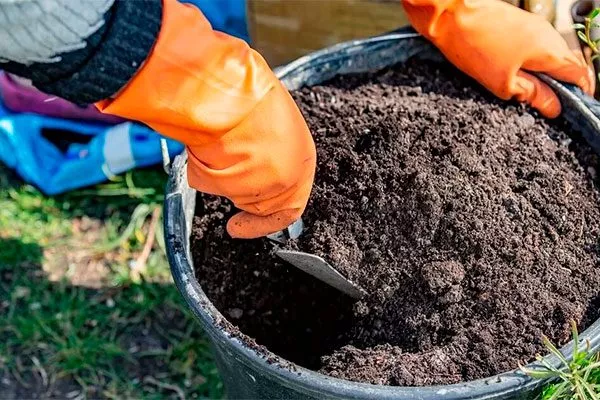
Prepare the area for growing pear-shaped tomatoes in the fall. Dig it over, remove weeds and their roots. Add organic matter to the soil. In the spring, enrich it with superphosphate.
Preparation of seed material
To grow Wine Jug, use high-quality seeds purchased from a reputable seller. Treat them pre-sowing:
- etch in a light pink solution of potassium permanganate (keep in it for 40 minutes, then rinse);
- soak in warm water for 5-6 hours;
- treat with a growth stimulator.
If you stored the planting material in a cold room, be sure to warm it up before using it. Leave it on a windowsill in direct sunlight for 6-7 days.
Planting seeds
Begin sowing 60-65 days before you plan to transplant young tomatoes into the garden. Follow these general guidelines and recommendations from experienced gardeners:
- Sow the Wine Jug seeds in wooden or plastic boxes, large glasses or peat pots (the container must have drainage holes in the bottom);
- To grow tomato seedlings, use a purchased universal substrate or a mixture of turf soil, peat and sand (2:1:1);
- Be sure to disinfect the homemade soil mixture before filling the planting container with it;
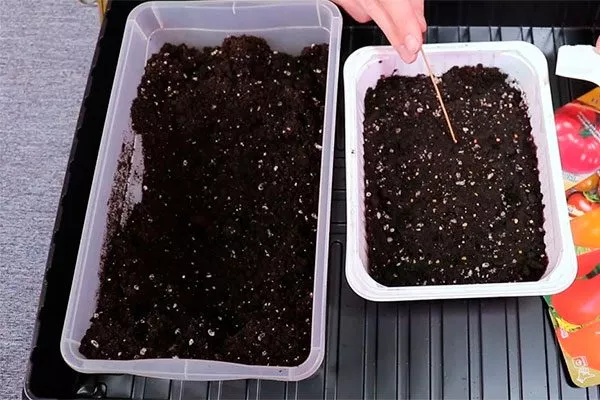
- After filling the containers with loose and fertile soil, level its surface and water generously;
- Sow tomato seeds to a depth of 0.5-1 cm;
- If you are using cups or pots, plant 2 seeds in each (the weaker of the seedlings will need to be removed later);
- Cover the crops with film to create a greenhouse effect and leave them in a warm room with a temperature of +22-24°C.
Carefully care for the sprouted seedlings. Keep them on a sunny windowsill at a temperature of 18-20°C. Moisten them periodically with warm, settled water, preventing the substrate from drying out or becoming waterlogged. Prune the seedlings after they have developed two true leaves. Harden them off.
Landing at a permanent location
Transplant the mature and strengthened Wine Jug seedlings to an open bed once the threat of frost has passed and the soil has warmed to 16°C. By the time of transplanting, the young tomatoes will be two months old. Follow the seed manufacturer's recommended planting density for the tomato plants in the bed:
- 2 plants per 1 sq. m – for open ground;
- 3 bushes per 1 sq. m – for greenhouses.
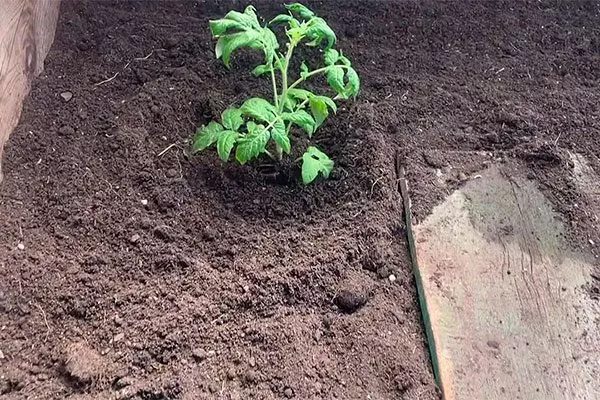
Dig planting holes 50-60 cm apart. Add superphosphate, wood ash, and a little humus to each hole. Transplant the seedlings by transshipping them, without disturbing the root ball. Plant the stems deep down to the cotyledons to encourage root growth.
Finally, water the bicolor pear-shaped tomatoes with settled water warmed in the sun in a container. Mulch with hay or straw to better retain moisture in the soil.
Formation of bushes
Indeterminate Wine Jug tomatoes continue to grow throughout the growing season. In greenhouses, they reach a height of 2 meters. To achieve a high yield and larger fruits, follow these shaping procedures:
- train the plant into 2-3 trunks;
- remove excess (unproductive) shoots;
- remove the lower tier of foliage to improve air circulation in the planting (you can remove no more than 2-3 leaves per week so that the plant does not experience severe stress);
- carry out side-sonning.
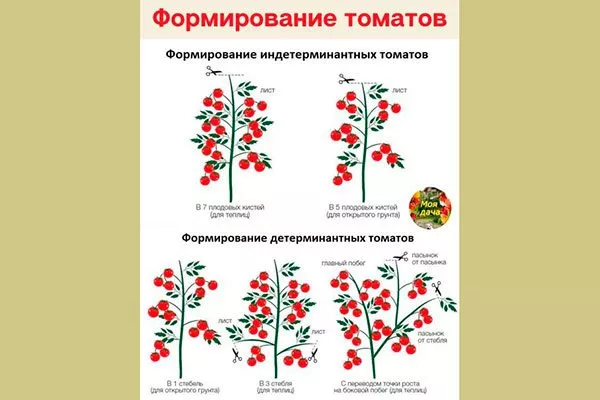
Don't neglect removing side shoots when growing pear-shaped tomatoes. Pinch them out regularly to redirect all the plant's energy toward fruiting. Follow these guidelines when performing this procedure:
- carry it out in the morning in fine weather so that the wounds have time to dry out by the evening;
- remove excess shoots manually;
- pick off the shoots when they reach a length of 4-5 cm;
- Do not perform any manipulations after watering or applying fertilizers.
Tall tomatoes require support: stakes in open ground, trellises in protected areas. Tie vines to ropes stretched across the greenhouse ceiling. Growing vertically saves space, simplifies maintenance, and promotes healthy growth.
Watering and fertilizing
Vegetables thrive on moisture. Water frequently, but not too much. Ensure the topsoil remains moderately moist (not wet or waterlogged). Use water warmed to 16°C (61°F). Apply it to the roots. A drip irrigation system is ideal.
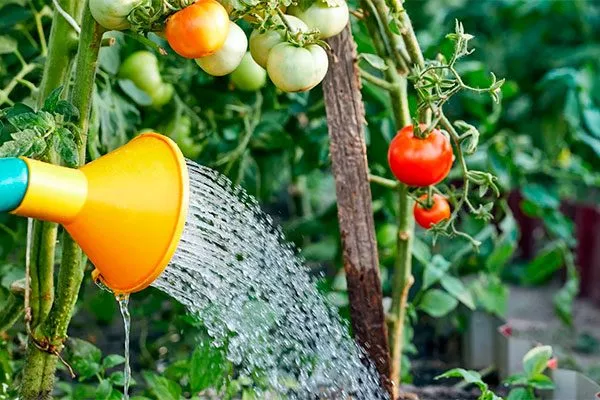
The day after heavy rainfall and watering, loosen the soil in the garden bed. Avoid allowing a dense, air-impermeable crust to form on the surface. Combine this with weeding. Weeds rob the crop of nutrients and provide a breeding ground for fungi and pests.
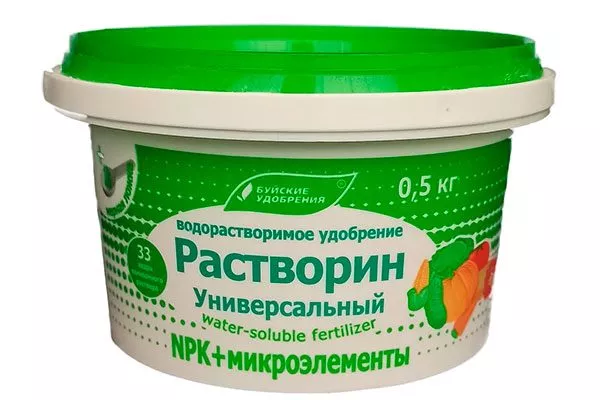
During the period of active growth and fruiting, fertilize tomato plants regularly. Fertilize the plantings twice a month. Use mineral fertilizers:
- Superphosphate;

- potassium sulfate;
- Solution;
- Kemiru Lux.



Diseases and pests
Wine Jug tomatoes have a strong immune system. When properly cultivated, they are resistant to infections and insect attacks. During unfavorable seasons or with poor care, plants can become infected with fungi and viruses:
- late blight;
- blossom-end rot;
- brown spot;
- tobacco mosaic;
- root rot.
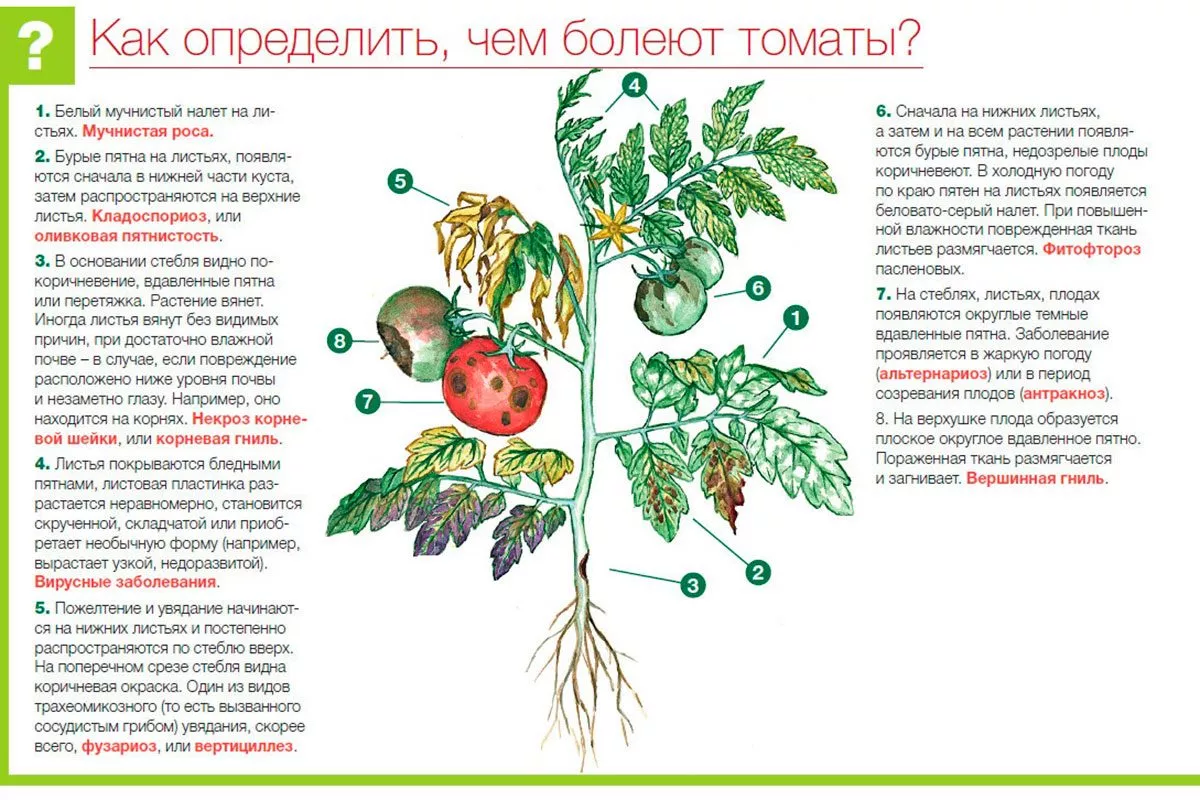
To keep your tomato plants healthy, preemptively treat them with products containing sulfur and copper. Use solutions of potassium permanganate, copper sulfate, Fitosporin-M, and Trichodermin for treatment and prevention. For viral infections, use Farmayod.
Pests that can affect a Wine Jug planting that is not properly cared for include the following enemies of garden plants:
- aphid;
- whitefly;
- spider mite;
- Colorado beetle.
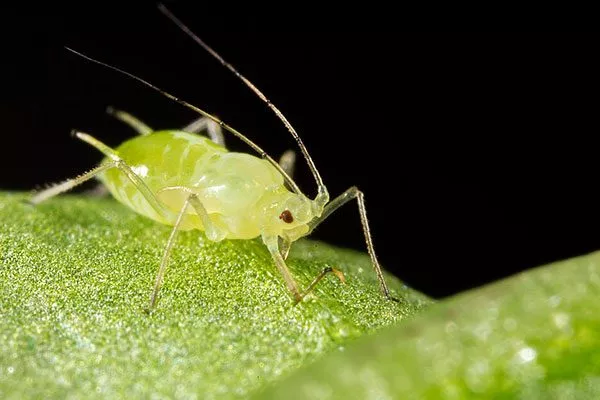
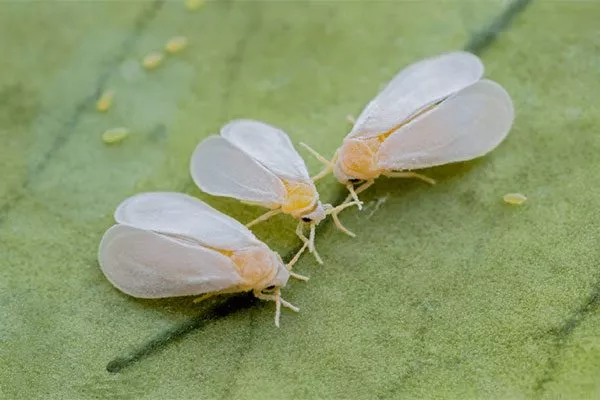
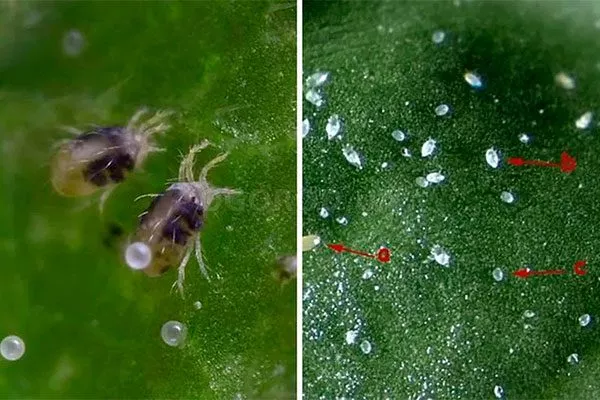
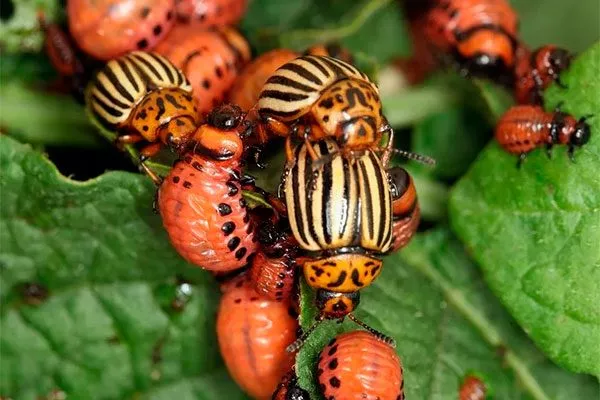
If you notice signs of pests on your tomatoes, use the biological product Fitoverm. Prepare a solution (1 ml per 1 liter of water). Fosbecid and Citcora insecticides will help combat whiteflies. Actara and Confidor Maxi will kill Colorado beetles.
Pros and cons
This original, foreign-bred variety boasts many positive characteristics, making it a favorite among gardeners across the country. Its advantages include:
Gardeners who cultivate the Wine Jug in their gardens have found no obvious drawbacks. Among minor drawbacks, they note the need for shaping, pinching, and tying up tall bushes.
Reviews
The Wine Jug is a mid-season indeterminate tomato variety. It has won the hearts of Russian gardeners and farmers thanks to its unusual appearance, high marketability, and rich, sweet and sour flavor with spicy notes. It's an excellent choice for lovers of exotic varieties who prefer to grow original, signature varieties.