
The Victoria tomato is a popular hybrid characterized by disease resistance and versatility. The bushes are abundantly covered with juicy, large tomatoes that have a sweet, slightly tart flavor. Suitable for both greenhouses and open ground, this variety is easy to care for, retains its freshness for a long time, and rewards with abundant harvests.
History of creation
The hybrid, developed by breeders Ignatova S. I., Gorshkova N. S., and Tereshonkova T. A., was approved for use in 2006. Originally intended for cultivation in greenhouses, the variety now grows successfully in open ground.
Description of the bush and fruits
The plants are medium-sized, reaching 1.5 meters in height, with large, dark green leaves. The tomatoes are round in shape and dense in texture, weighing between 200 and 250 grams each, though larger specimens are also available.
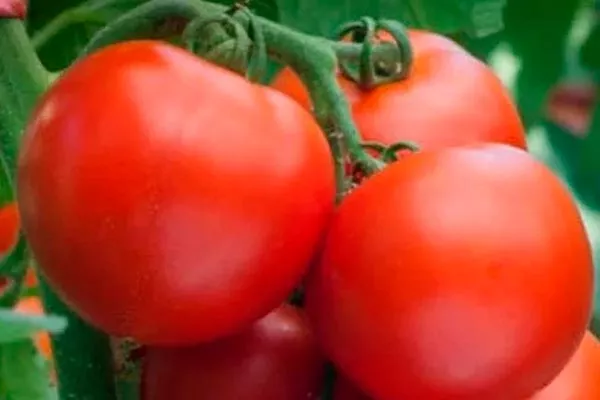
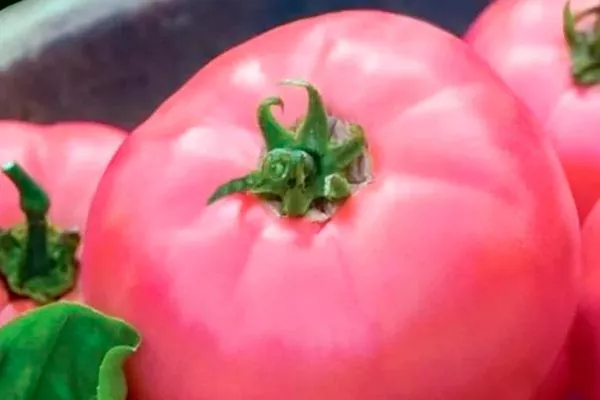
The skin of these vegetables is bright red, sometimes with a slight orange tint. It's smooth and shiny, and the inside is rich in pulp and seeds, making them ideal for sauces and soups. The flavor is sweet and rich with a slight tartness.
Key characteristics of the variety
Victoria's main advantages are its high yield. Gardeners can harvest up to 12.4 kg per square meter with proper care. The hybrid also attracts attention for its marketable fruit.
The ripening period is 110 days. The variety demonstrates excellent tomato production even in adverse weather conditions.
Planting and care
Victoria is grown primarily from seedlings. To obtain high-quality seedlings, follow these guidelines:
- Before sowing, disinfect the seeds by soaking them in a weak solution of potassium permanganate for 20-30 minutes, then rinsing with clean water. To speed up germination, soak the seeds in a growth stimulant, such as Epin or Zircon, for 12 hours.
- Use a mixture of garden soil, humus, and peat in a 2:1:1 ratio. To disinfect, bake the soil in the oven at 100-120°C or water it with a Fitosporin solution.
- Sow seeds in containers or boxes to a depth of 1-1.5 cm, keeping a distance of 3-4 cm between rows. Moisten the soil with warm water and cover with film or glass to create a greenhouse effect.
- Until seedlings emerge, maintain a temperature of 23 to 25°C. After germination, remove the film and move the seedlings to a well-lit area, lowering the temperature to 18 to 20°C.
- When 2-3 true leaves appear, transplant the plants into separate containers to provide space for root growth.
- ✓ Make sure the growth stimulator is compatible with tomatoes, especially hybrid varieties.
- ✓ Check the expiration date of the growth stimulator before use.
- ✓ Take into account the temperature of the water for dissolving the stimulant, it should not be higher than +25°C.
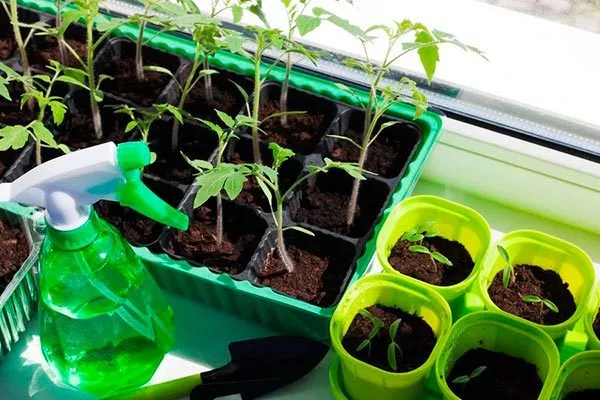
- ✓ Seedlings should have bright green leaves without spots.
- ✓ The stem of the seedling should be strong, not elongated.
- ✓ The root system must be well developed, without signs of rot.
Planting seedlings in the ground:
- Transplant the seedlings into beds or a greenhouse 50-60 days after sowing, when the threat of frost has passed and the soil has warmed up to +12…+15°C.
- Choose a sunny location with fertile, well-drained soil. Dig the area, add humus or compost (5-6 kg per square meter) and a little superphosphate (30 g per square meter).
- Plant bushes at a distance of 40-50 cm from each other with row spacing of 60 cm.
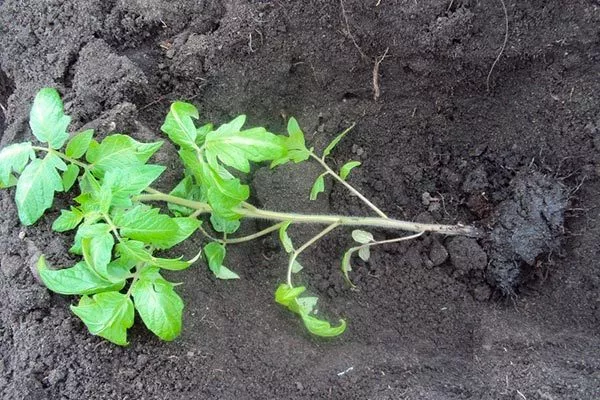
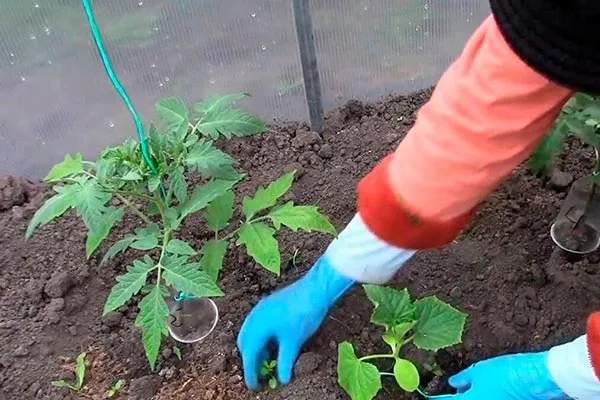
- Move the seedlings along with the root ball to avoid damaging the roots. Plant the stems 5-10 cm deeper, especially if the seedlings are stretched. After planting, thoroughly water each plant.
The crop requires comprehensive care that is straightforward and requires no experience. Follow standard agricultural practices:
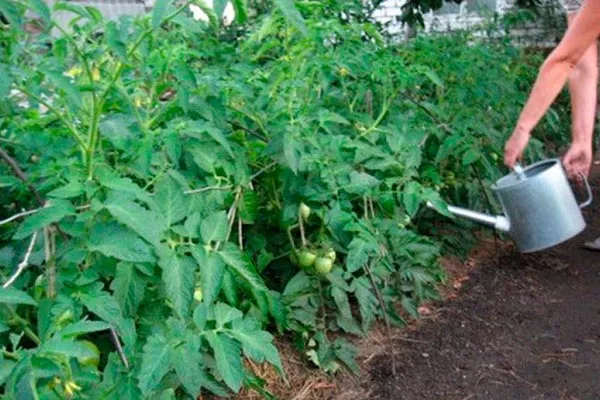
- Watering. The first watering should be done 5-7 days after planting the seedlings. Use warm, settled water. During the period of active growth and fruit formation, increase the frequency to twice a week, using 3-5 liters per plant. Avoid dripping onto the leaves to prevent fungal diseases.

- Top dressing. 10-14 days after planting, apply nitrogen fertilizer (mullein infusion or ammonium nitrate). During fruit set, use phosphorus-potassium fertilizers, such as superphosphate (20 g) and potassium sulfate (15 g) per 10 liters of water.
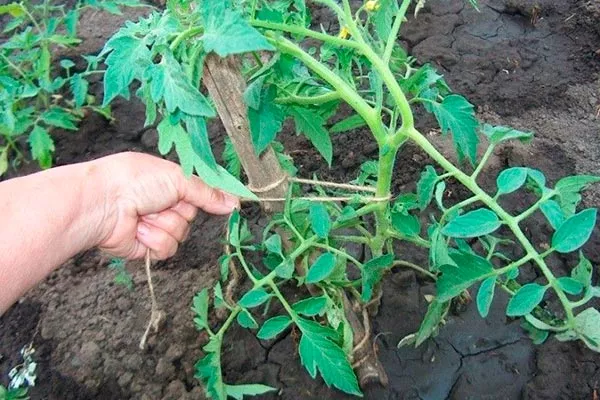
Every 2-3 weeks, alternate organic fertilizers (infusion of grass or wood ash) with complex mineral compositions. - Tying up. Use supports or trellises. Secure the stems with soft cloth or special clips to prevent damage. Regularly secure the shoots as they grow.
- Mulching. After planting, mulch the soil around the bushes with a 5-7 cm layer of straw, grass clippings, or peat. Mulch helps retain moisture, reduces weed growth, and protects the roots from overheating.
- Weeding and loosening. Loosen the soil after each watering to prevent crusting and improve oxygen access to the roots. Loosen the soil to a depth of about 5 cm. Weed the beds regularly, especially early in the season, to prevent weeds from competing with the tomatoes for nutrients.
The crop rarely suffers from diseases and pests, but problems can arise with improper care. Potential diseases include:
- Late blight. It appears as brown spots on leaves and stems.
- Powdery mildew. Causes the appearance of white plaque on leaves.
- Verticillium wilt. Accompanied by yellowing and wilting of plants.
- Blackleg. Affects roots and stems, causing them to rot.
Bushes can be attacked by aphids, which suck the sap from the leaves, while spider mites cause yellowing and drying of the leaves. Plants often suffer from the Colorado potato beetle, which damages the green foliage.
To combat diseases, use fungicides such as Hom, Topsin-M, and Previkur. Insecticides such as Aktara and Agravertin will help kill pests.
Pros and cons
Victoria has a number of advantages that distinguish it from other tomatoes. The variety's key benefits include:
- High yield The bushes are characterized by abundant fruiting, which makes the crop in demand for many years.
- Strong immunity. Plants exhibit good resistance to various diseases and pests, which significantly reduces the risk of crop loss.
- A variety of applications. Tomatoes are ideal for preparing a variety of dishes, from fresh salads to sauces and preserves.
- Good shelf life. Ripe vegetables can be stored in the refrigerator for up to 2-3 weeks, retaining their flavor and freshness.
Reviews
The Victoria tomato is an excellent choice for those who value a stable harvest and high-quality fruit. Its ease of care, tolerance to adverse conditions, and versatility make this variety a top choice for both beginners and experienced growers. With proper care and adherence to important requirements, this crop will delight you with excellent results.