
The Viscount tomato is renowned for its pleasant flavor, juicy flesh, and smooth skin. It is distinguished by its disease resistance and adaptability to temperature fluctuations, and can be grown outdoors or in greenhouses. This variety is the result of innovative hybridization by specialists at the research and production company Agrosemtoms.
Description of the bush and fruits
Viscount is a hybrid rich in vitamins A, C, and carotene, which serve as natural antioxidants and strengthen the immune system. B vitamins help regulate metabolic processes in the body and enhance its functional activity.
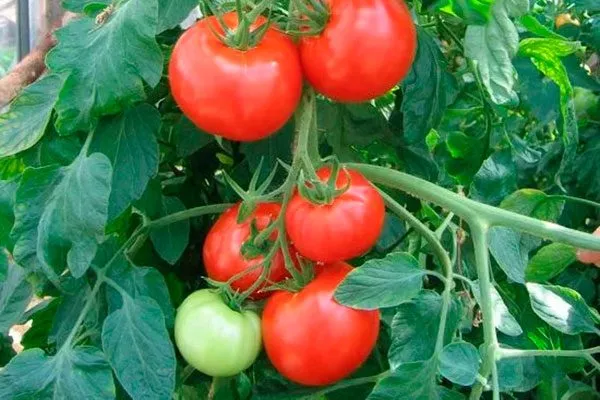
Tomatoes also contain minerals, including potassium, magnesium, and phosphorus, which have a beneficial effect on the cardiovascular and nervous systems, and also strengthen bone and dental tissue.
This plant has a number of key characteristics:
- spreading shoots;
- height reaches 140-160 cm;
- medium foliage;
- the leaves are medium-sized, rich green in color with slight relief;
- the leaf blades have a glossy surface and weakly defined ribs;
- inflorescence of the simplest type - the first ovary is formed above the 8-9 leaf, and the subsequent ones - every 1-2 leaves.
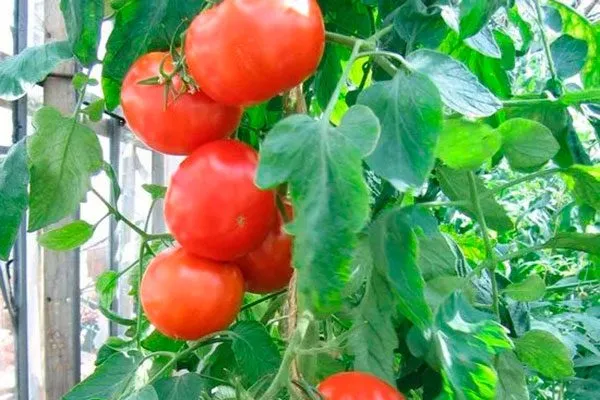
The characteristics of the fruits are as follows:
- round tomatoes weighing about 130 g;
- smooth and shiny skin;
- As the fruit ripens, its color changes from green to red, leaving a dark green spot at the stem;
- the seed nests have 4-5 partitions, they are thick;
- high quality taste;
- good resistance to transportation.
- ✓ The presence of a dark green spot near the stalk even in ripe fruits.
- ✓ Thick partitions in seed nests (4-5 pieces).
Main characteristics
The Viscount tomato variety is the result of the work of Russian breeders and first appeared in 1997. It was created by renowned breeding specialists V. M. Motov and E. A. Vlasova, who received permission for its use in 1999.
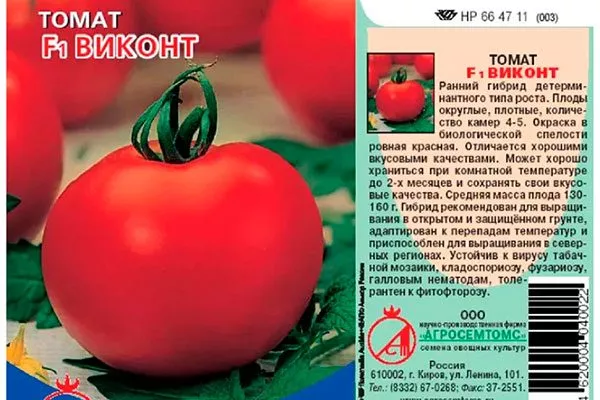
Characteristic features:
- The Viscount variety produces its first harvest 115, maximum 120 days after the first shoots appear.
- The average yield is 10 kg/sq. m. When growing the Viscount tomato under unheated film, yields of up to 14 kg/sq. m are possible, and in heated greenhouses – almost 20-21 kg/sq. m. This makes the Viscount variety very promising for cultivation in a variety of conditions and for commercial purposes.
- Tomatoes are ideal for eating raw. Their firm, juice-rich fruits are very aromatic and sweet. They are also suitable for whole-fruit canning.
- Viscount is resistant to various diseases and pests:
- tobacco mosaic virus;
- Cladosporiosis;
- fusarium;
- root-knot nematode.
- Rarely, late blight may occur, which usually bypasses this variety.
- The hybrid does not tolerate excessively humid air in a greenhouse, which can complicate the pollination process and contribute to the development of fungal infections.
- For a plant to bear fruit, it needs to be provided with sufficient water directed at the roots. Otherwise, the flowers and ovaries will wilt.
- ✓ The optimal soil pH should be in the range of 6.0-6.8 to prevent chlorosis.
- ✓ The soil must be well drained to avoid root rot.
Features of planting and growing the Viscount variety
Seeds for seedlings are sown 55-60 days before the expected time of transplanting into an open garden or plastic greenhouse. To stimulate germination, a temperature of approximately 25°C is required. The distance between individual plants should be approximately 40-50 cm, and between rows, 60-70 cm.
Sowing for seedlings
When growing Viscount, it's important to use seedlings, as the seeds of this hybrid won't fully germinate without first being grown in optimal conditions. To avoid germination issues, it's recommended to purchase seeds from reputable stores.
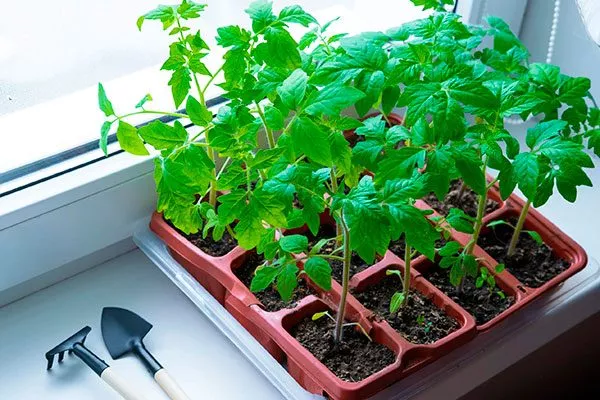
Hybrid seedlings are usually already treated, but some producers sell untreated seeds. Therefore, before planting, it's necessary to carry out the following preparatory steps:
- The process of screening out low-quality seeds – They won't grow. To do this, place the seed in 200 ml of water—the bad seeds will float. The sorted specimens are removed from the water, leaving only those that pass the test, and dried.
- Seed disinfection – This is a critical step. Even seeds supplied by manufacturers may be contaminated with fungi. To disinfect them, place them in a concentrated solution of potassium permanganate for 20-25 minutes, then rinse and dry them again.
- Germination – This is done immediately before planting the seedlings in containers. The seeds are evenly distributed across several layers of gauze or cotton pads, then moistened with water and left in a warm place to germinate.
While the seeds are being processed, experienced gardeners waste no time preparing the soil. This can be a purchased tomato growing medium or one they make themselves.
The following substrate compositions are optimal for growing the Viscount tomato:
- Compost, humus and peat are mixed in a 1:1 ratio.
- Combine equal parts of turf, compost, and peat. Then add superphosphate, potassium sulfate, and urea to this mixture.
Sowing seeds for seedlings occurs in early or mid-March, taking into account local climatic conditions and tomato growing conditions (in a greenhouse or in open ground).
Various materials can be used as containers for seedlings:
- special peat pots;
- plastic cups;
- paper boxes;
- plastic containers with pallets.
To ensure successful germination, place the seeds in the soil to a depth of about 1 cm and do not compact them. If using a large container, make shallow grooves 2-3 cm wide in the soil and place the seeds in these grooves. Place 1-2 seeds per pot.
Then proceed as follows:
- Thoroughly moisten the substrate, and to maintain optimal temperature and humidity, cover the pots with film or glass and place them in a warm place.
- When the seedlings emerge, remove the protective layer. When each seedling has two true leaves, transplant them. The plants can be transplanted into individual pots or thinned to a distance of 10-15 cm.
- Before transferring the seedlings to a greenhouse or garden beds, care is limited to regular watering and fertilizing.
- Two weeks before transplanting, begin acclimating the seedlings by placing them outside or on a balcony during the day and leaving them indoors with an open window at night. This improves their ability to withstand low temperatures.
Transfer
To ensure abundant fruiting, it's important to choose the right location for transplanting. Ideally, the plant will be fully exposed to sunlight, but protected from gusts of wind and cool drafts.
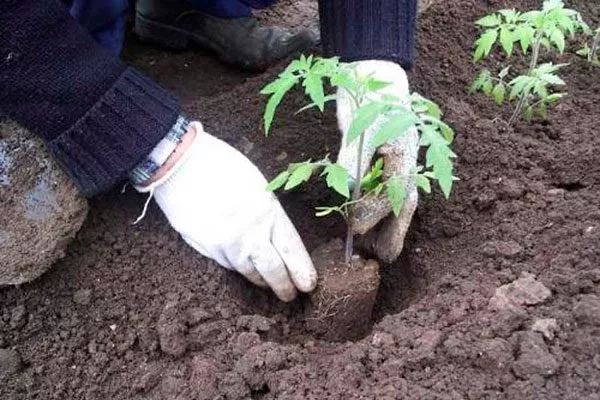
Peculiarities:
- Tomatoes also require nutrient-rich soil. Therefore, before planting, cultivate the bed, thoroughly removing stones and weeds. Adding organic fertilizers, such as humus or compost, helps enrich the soil with beneficial elements.
- Before transplanting young seedlings, the soil should be pre-watered with a solution containing humified potassium (25 ml of a 3% solution per 10 liters of water). Make small holes in the soil and add 2-3 g of superphosphate.
- The seedlings are transferred from the pot along with the soil lump and carefully placed in a hole to a depth no deeper than the first true leaves, lightly compacting them over the roots.
- The best planting option is three plants per 1 square meter of area.
- To avoid deformation and breakage of the stem, supports or pegs are driven into the ground near each plant, and the bushes are attached to them.
After planting, it is necessary to moisten the plant with plenty of water.
Watering and further care of tomatoes
It's important to find a happy medium to ensure the plant receives enough water without overwatering. Water approximately once a week, applying approximately 8-10 liters of water to each plant. Allow the soil to dry out slightly between waterings.
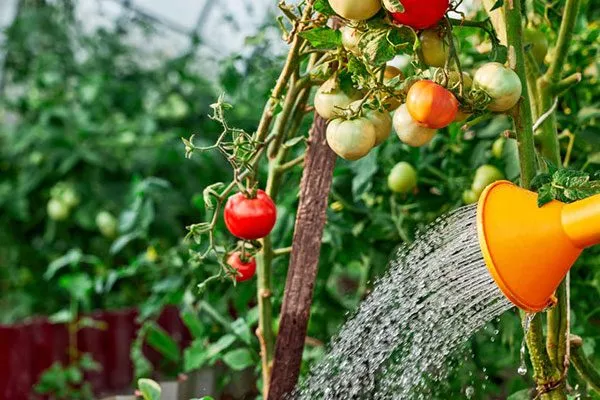
The Viscount tomato has a strong root system and is able to extract moisture from the soil even during dry periods. However, if the summer heat is prolonged and there is no precipitation, watering should be increased.
Growing a hybrid also requires systematic feeding with mineral fertilizers, especially when the first fruits appear on the bushes.
Optimal recipe:
- 10 liters of water;
- ammonium nitrate – 20 g;
- potassium sulfate – 30 g;
- magnesium sulfate – 10 g;
- potassium humate 3% – 25 ml.
Supporting Viscount tomato plants is key. Use frames or supports to hold the plants in place. As they grow, tie the shoots to the supports.
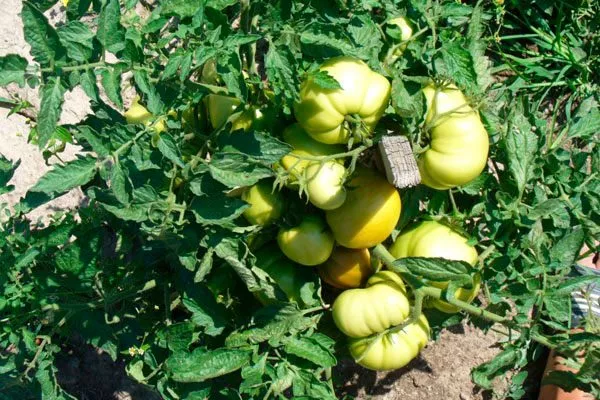
To increase fruit size, bush pruning is recommended. Remove all shoots growing from axillary buds, leaving only a few vigorous ones.
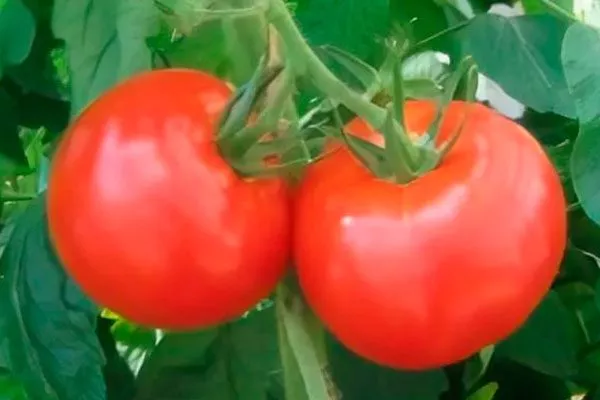
The Viscount tomato has a strong skin, allowing it to retain its quality for a long time—two to three months without loss of quality. The hybrid is resistant to long-distance transportation.
Vegetables should be stored in a cool, dark place. A refrigerator, cellar, or basement is suitable for this purpose. Keep in mind that excessive humidity can promote the development of rotting.
The intricacies of growing in a greenhouse and in open ground
Experienced gardeners agree that Viscount is versatile and can be successfully grown in a variety of conditions. However, to achieve the best results, it's important to consider certain aspects of growing it in both protected and open ground.
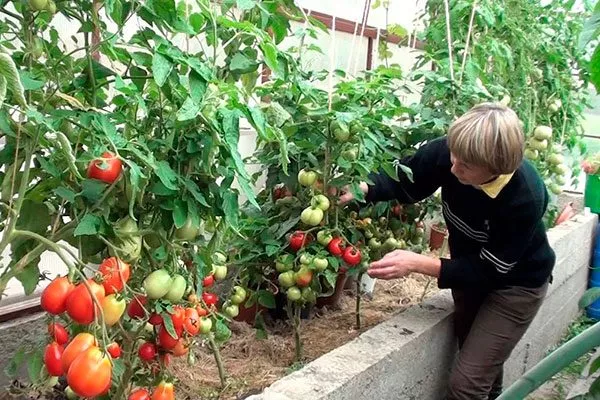
There are certain recommendations for greenhouse owners:
- Before you begin replanting, check the integrity of the polycarbonate or film to ensure there is no damage.
- It is recommended to completely or partially replace the soil in the beds before transplanting the seedlings.
- To prevent plants from becoming diseased, thoroughly spray the entire interior with special disinfectants to combat bacteria and fungi. After cleaning, thoroughly water the soil with clean water.
- To ensure oxygen access to the roots, it's necessary to periodically loosen the soil around them using specialized tools or a thin shovel to avoid damaging the root system. Loosening is done after each watering.
- To prevent weeds from robbing tomatoes of nutrients, they must be removed promptly. The presence of weeds attracts pests.
- In the greenhouse, it is necessary to closely monitor the tomatoes, looking for the presence of pests or signs of disease.
- If the humidity in the greenhouse is too high and air circulation is poor, there is a risk of grey mould, so regular ventilation is essential.
Many gardeners prefer to grow tomatoes in open beds, as this doesn't require significant financial investment or preliminary disinfection. However, to ensure a bountiful harvest, it's important to strictly follow certain care guidelines.
A key aspect of ensuring a tasty and high-quality harvest is careful selection of the planting site. The following points should be considered:
- It's not recommended to plant seeds in low-lying areas or on overly dry soil. It's best to choose areas with slight elevations.
- It's best to grow legumes, root vegetables, or lettuce in the same area. Avoid planting tomatoes in areas where potatoes were grown.
- Avoid overloading the soil with excessive amounts of nitrogen mixtures. Over-saturation can lead to uncontrolled foliage growth, while the fruits will not receive the necessary nutrition.
If you plan to grow Viscount tomatoes in pots or containers, choose containers with a minimum capacity of 5-7 liters. Be sure to provide drainage using pebbles or expanded clay to prevent excess moisture from accumulating.
Diseases and pests
Viscount is a hybrid created by breeders to enhance the plant's resistance to various pests. However, despite this, insect infestations still occasionally occur. In such cases, various chemicals, folk remedies, or homemade solutions are used for protection.
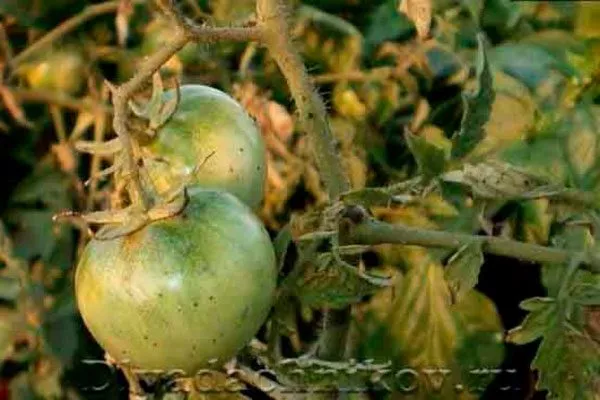
To protect against aphids, which damage stems and fruits, spray with an infusion consisting of:
- Luke;
- garlic;
- coriander;
- mint.
A positive effect is achieved by limiting the use of nitrogen fertilizers and treating with insecticides, which prevents the accumulation of green mass that attracts aphids.
Fitoverm, Bicol, and Bitoxibacillin are effective for protection against spider mites. Whiteflies can be repelled by spraying with a soap solution. If the insects have already infested the bushes, chemical treatments such as Aktara or Citcor are used early in the morning or late in the evening.
Pros and cons
Viscount, like many other tomato varieties, has its own advantages and disadvantages. The advantages include:
Among the Viscount's shortcomings is its particular demand for soil conditions, which should not be too acidic. However, this quality is common to many tomato varieties.
Reviews
The Viscount tomato is an ideal choice for those who appreciate home gardening. This hybrid boasts increased productivity, disease resistance, and excellent flavor and nutritious fruit. By growing Viscount, you can enjoy fresh tomatoes all season long.