
The Vidno-Nevidimo tomato is deservedly popular due to its low maintenance, good productivity, and excellent characteristics. This variety attracts both novice and experienced gardeners due to its compact size, disease resistance, and ease of care. With proper cultivation practices, you can reap bountiful harvests throughout the season.
Historical background
This unique variety was developed relatively recently as a result of research conducted under the supervision of specialists from Agrofirm Aelita LLC: Kachainik V. G., Gulkina M. N., Karmanova O. A. and Matyunina S. V. Trials of the crop were completed in 2016.
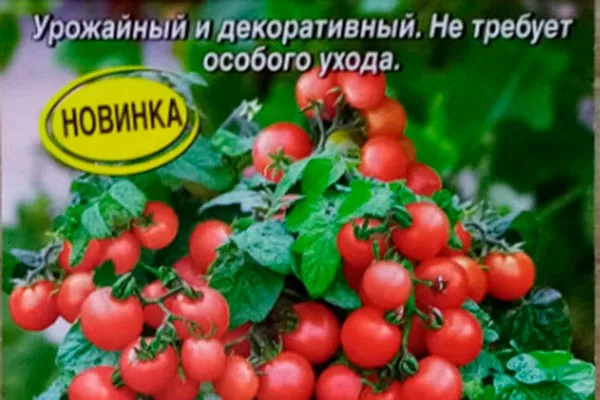
The variety was added to the State Register in 2018. It is successfully cultivated in many regions of the country, both in open ground and in protected soil.
The tomatoes received the name “Visibly-invisible” for their abundant and tightly grouped fruiting.
Description of the bush and fruits
This variety is determinate, meaning it has limited growth: in open ground, plants reach 25-35 cm in height, while in greenhouses, they grow slightly higher. Distinguishing characteristics:
- The bushes have a high capacity to form shoots.
- The leaves are small, dark green, and medium foliage.
- Tomatoes with slightly pronounced ribbing are formed on the stalks.
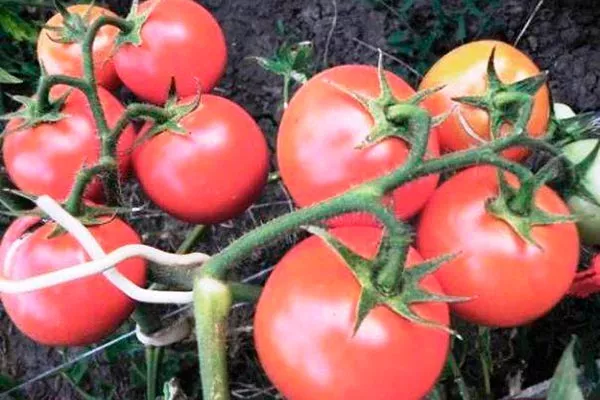
- Unripe fruits are light green with spots, while ripe ones acquire a bright red or slightly pinkish hue.
- Tomatoes are round, slightly flattened, with fleshy pulp and 4 to 6 seed chambers.
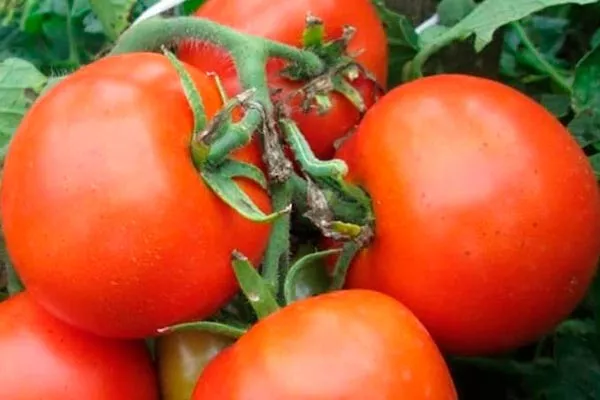
Tomatoes have a firm skin and a dense texture, allowing them to be stored for a long time without losing their marketable appearance. Fruit weight ranges from 15 to 20 g.
Varietal qualities of tomatoes
The Vidno-Nevidimo variety will become indispensable for amateur gardeners who consider fertility a crucial factor in their cultivation. In addition to its high yield, it boasts numerous advantages that have earned it popularity among gardeners in our country.
Taste and application of fruits
The tomatoes have a pleasantly sweet flavor with a slight tartness, making them especially delicious when fresh. This variety is marketed as a salad variety, and its taste is highly rated. Its neat and uniform fruits are attractive:
- whole on a plate;
- sliced or cut into circles;
- in fresh vegetable salads.
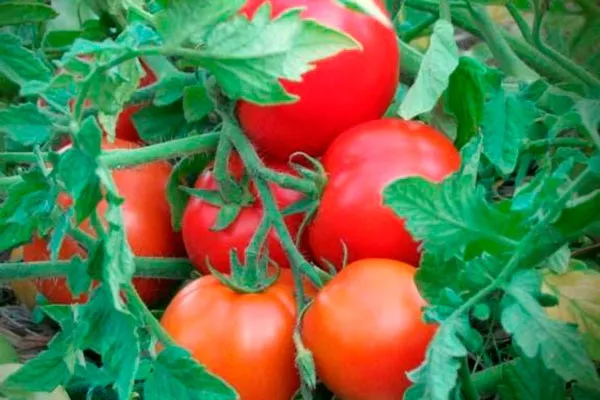
However, this variety isn't ideal for canning, marinating, or pickling. The skin isn't thick enough, and the flesh is soft and pliable, causing the tomato to burst during cooking. While the texture is preserved during pickling, it's too watery.
Tomatoes are used to make tomato juice. However, even then, the resulting drink is quite watery and lacks a rich red color. For a higher-quality result, the fruit is combined with other varieties.
Ripening and yield
This early-ripening variety ripens in 90-95 days. The harvest is in July-August.
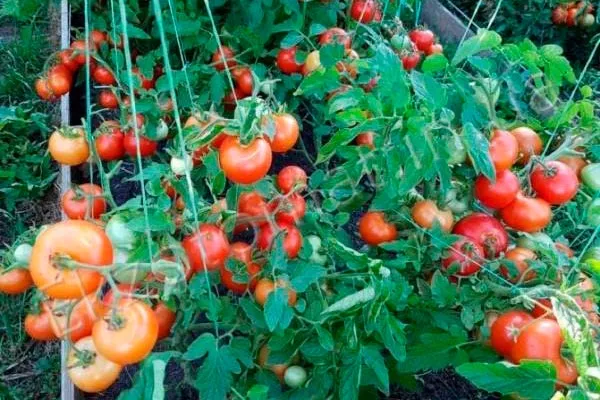
The resonant name of the "Vidimo-Nevidimo" variety perfectly reflects its high productivity. The bushes produce numerous fruits. Without careful care, a single bush yields approximately 1.5-1.6 kg of fruit, while with proper cultivation and proper training, the yield can reach 4.5 kg. In a greenhouse, yields are significantly higher.
Growing regions
The crop shows its best results in the southern regions of the country. For temperate climates, covering materials are recommended to protect plants from adverse weather conditions. Growing is possible in northern regions, but greenhouse equipment is required.
Resistance to diseases and pests
The plant has a strong immune system, so the bushes rarely get sick and are almost immune to insects. However, dense plantings increase humidity, which can lead to fungal diseases such as stolbur, leaf spot, and others. After removing affected leaves and fruits, treating with fungicides will help.
There is a risk of pest attack, including spider mites, mole crickets, slugs, and aphids. To prevent and control them, use Malathion and Sichlora insecticides. Treating the soil with metal hydride or tobacco dust is effective against slugs.
Similar varieties
| Name | Growth type | Fruit color | Disease resistance |
|---|---|---|---|
| Super-cluck | Standard | Pink | Average |
| Handsome guy | Determinant | Pink | High |
| My family | Determinant | Raspberry pink | High |
This tomato is similar in its characteristics and description to several other varieties. Similar varieties:
- Super hen. A standard miniature tomato with a bush height of 30-40 cm and a ripening period of 90-95 days. The fruits are pink, round, weighing 150-250 g, and have a good flavor for an early tomato. The yield is 10 kg per square meter.
The cultivar has average resistance to pathogens, but manages to complete fruiting before the widespread development of diseases. - Handsome guy. A determinate tomato that can be grown in any conditions. The pink, round fruits ripen in 95-105 days. Yields reach 7-9 kg per square meter when planted closely. This variety is distinguished by its high hardiness and resistance to the main diseases of nightshade crops.
- My family. A determinate, amateur variety with a bush height of 70-80 cm (up to 1-1.2 m in a greenhouse). The tomatoes, weighing 250-350 g, ripen in 100-110 days.
The fruits are round, slightly ribbed, raspberry-pink in color, with sugary flesh and a low seed content. The yield is high – 2.5-3.5 kg per bush.
How to grow seedlings?
Sowing is done two months before planting the seedlings in the ground. This variety is not a hybrid, so you can collect the seeds yourself. The seeds of varietal crops retain all the parental properties in subsequent generations.
Seed preparation
Carefully inspect the seeds for any visible defects. Place them in a salt solution for 10 minutes (5 g of salt per 200 ml of warm water). Discard any seeds that float to the surface.
Soak the seeds in a pink solution of potassium permanganate for 20 minutes. Prepare the solution by dissolving 1 g of potassium permanganate in half a glass of water. After treatment, rinse and dry the seeds. To improve germination, soak the seeds in a growth stimulant such as Zircon or Epin for 10 hours.
Container and soil
For sowing, use a mixture of garden soil, peat, and river sand in equal proportions. Mix the ingredients thoroughly and water with a hot solution of potassium permanganate. This will help kill pathogens. To improve soil fertility, add a little wood ash.
Treat the containers with a strong solution of potassium permanganate to disinfect them. Make holes in the bottom to allow excess moisture to drain. These are crucial, as overwatering can cause root rot and fungal diseases.
Sowing can be done either in a common wooden box or in separate containers: plastic cups, peat pots or paper honeycombs.
Sowing
Sow the seeds to a depth of 1.5 cm, leaving at least 2 cm between them. Sprinkle them with soil on top and lightly moisten with warm, settled water.
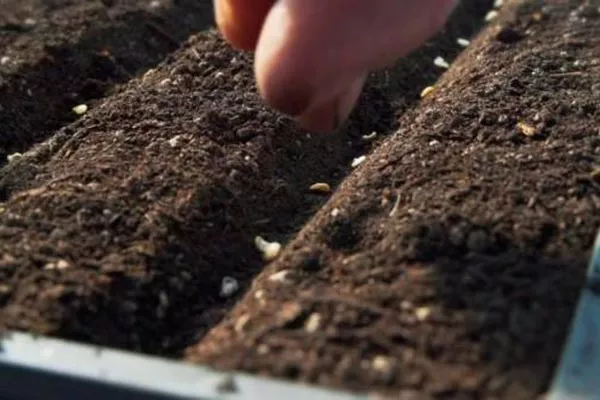
Cover the seeded containers with plastic or glass to create a greenhouse effect and maintain stable humidity. Place the containers in a bright room at 24-26°C and keep them there until the first shoots appear.
Optimal conditions for growing
The temperature should be maintained between 20 and 25°C. Bushes require adequate light, but avoid direct, scorching sunlight. The optimal humidity range is 60-80%. Excessive humidity can cause problems, while too little moisture can adversely affect plant development.
Ensure a constant supply of fresh air by regularly ventilating. This helps prevent drafts, condensation, and excess moisture, which can be harmful to plants.
Caring for seedlings
Once the seedlings emerge, move the containers to a well-lit area, such as a windowsill. Insufficient light can cause the seedlings to stretch and weaken. A daily light schedule of approximately 13 hours is recommended. If natural light is insufficient, use artificial light.
Follow these recommendations:
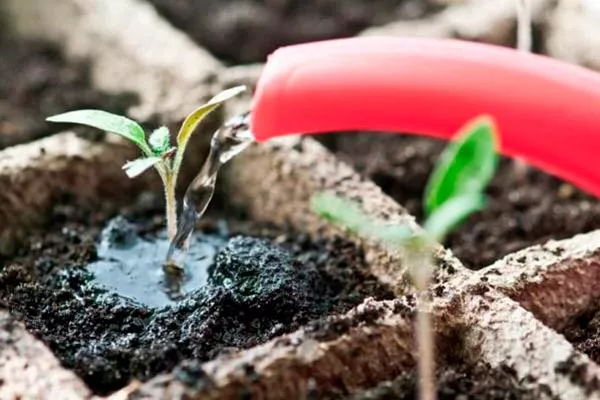
- Water the seedlings with warm, settled water as the soil dries out. Overwatering is harmful and can cause root rot.
- After watering, carefully loosen the soil to avoid damaging the young roots. This improves oxygen access to the root system.
- As soon as the seedlings develop their second true leaf, transplant them into individual containers. Moisten the soil beforehand to ensure the soil is even when transplanted. This promotes rapid establishment. Pricking stimulates lateral root growth, allowing the seedlings to develop more vigorously.
- Fertilize the seedlings twice: one week after transplanting and one week before planting them in their permanent location. Use liquid fertilizer for tomato seedlings. Combine fertilizing with watering.
Two weeks before planting, begin hardening off the seedlings by placing them outdoors during the day at a temperature of approximately 16°C. At night, reduce the temperature to 12°C to acclimate the seedlings to the outdoor conditions.
Transfer
Transplant the seedlings when the soil warms to 16-17°C. It's recommended to always have covering material on hand in case frost returns.
- ✓ Optimum soil temperature for planting seedlings: +16-17°C.
- ✓ Distance between plants: 40 cm, between rows: 70 cm.
Prepare the holes in advance. The depth should not exceed 15 cm. Place a small amount of wood ash at the bottom of each hole and fill with warm water. Transplant the seedlings on a cloudy day or after sunset to minimize stress on the plants.
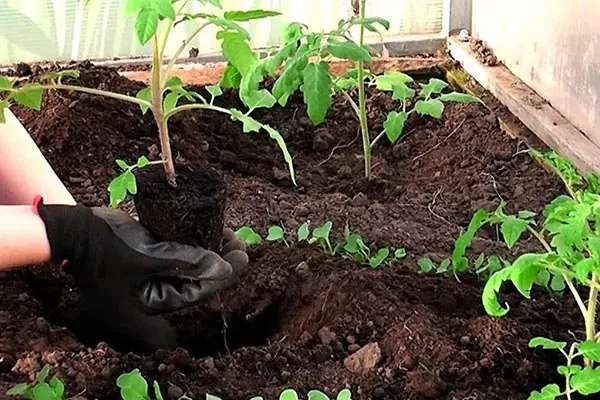
Space seedlings 40 cm apart, and rows 70 cm apart. Place no more than three plants per square meter. Firm the holes to ensure the seedlings take root. Moisten with warm, settled water. Allow the seedlings to acclimate to the new conditions for a week.
Further care for the tomato Visibly-invisible
Caring for this crop involves the same standard care as for other tomato varieties. It's important to follow simple maintenance procedures to ensure bountiful harvests.
Watering
Provide moderate moisture to the seedlings—water no more than twice a week. To retain soil moisture, mulch the beds with straw or dry leaves. Mulch enriches the soil with nutrients, especially if you use weeds, which release a large amount of beneficial elements as they decompose.
What and when to feed?
Fertilize 3-4 times per season, using both complex mineral and organic fertilizers. Apply nitrogen fertilizers to open ground for the first time two weeks after transplanting. During fruiting and ovary formation, fertilize with phosphorus and potassium.
For organic fertilizer, use mullein infusion or bird droppings in a ratio of 1:15. Alternate organic and mineral fertilizers. Apply them immediately after watering.
Should it be formed?
Tomatoes of the Vidno-Nevidimo variety require pricking out. As soon as the seedlings have two full pairs of leaves, transplant them into separate containers. If the seedlings were initially sown in a single container, pricking out is essential.
To minimize the need for this process, sow the seeds directly into individual cups. For optimal growth, each plant requires a 500 ml container. Transplant carefully to avoid damaging the leaves and root system, as the seedlings are not yet fully established.
Pinching out stepsons
The crop requires bush training. The best option is to train them into a single stem. This method prevents the development of small and slow-ripening tomatoes, which may lack nutrients.
Remove side shoots when they reach 5-10 cm in size. Even though this is a determinate variety, pinching out side shoots is essential. Remove new side shoots regularly and systematically to ensure normal plant growth and fruiting.
Loosening the soil
Loosening the soil is just as important as watering or fertilizing. This procedure oxygenates the root system and improves the availability of beneficial nutrients. Begin this procedure almost immediately after planting the seedlings in their permanent location.
Loosen the soil deeply until the root system is established and spreading to avoid damage. As the bushes grow and become more established, cultivate the soil more superficially.
Peculiarities of care and possible difficulties
Low-growing bushes are usually not pinched to avoid reducing their yield. However, judging by the characteristics and reviews, the yield of the Vidno-Nevidimo tomato variety can be increased by shaping the plants.
The branches are laden with a large number of fruits. Even with a strong trunk, it can't support such a large number of tomatoes. The branches could fall to the ground, and the fruits could rot upon contact with the soil. Therefore, secure them to additional support installed next to each bush.
Treatment and prevention of diseases and pests
The Vidno-Nevidimo tomato is highly resistant to late blight and other fungal diseases. Completely disease-resistant nightshade varieties do not exist. To extend the growing season, follow these steps:
- Trimming off the lower yellowed leaves – helps improve air circulation and reduce the likelihood of developing diseases.
- Mulching between rows – helps retain moisture in the soil and reduces the risk of weeds appearing.
- Regular spraying with the biological antifungal drug Fitosporin every 2 weeks – prevents the development of fungal diseases.
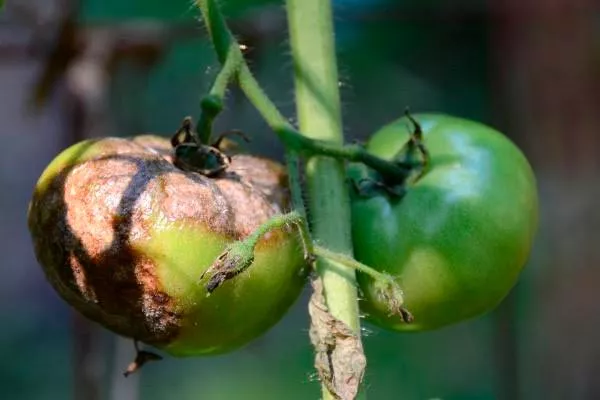
In hot weather, aphids may appear on bushes, while whiteflies and spider mites pose less of a threat in open ground. For minor pest infestations, use folk remedies such as solutions of ash, tobacco dust, or celandine. For more severe cases, chemical insecticides such as Biotlin, Akarin, and Confidor will help.
Nuances for open ground and greenhouses
Tomato seedlings grow up to 60 cm in open ground, while in greenhouses they can reach 1 m in height. When planting indoors, leave more space between seedlings to prevent crowding, which can promote the spread of fungal infections.
According to crop rotation rules, tomatoes should not be planted in areas previously occupied by peppers, eggplants, or potatoes. These crops belong to the same family and are susceptible to the same diseases. Furthermore, their use often depletes the soil, which negatively impacts tomato development.
When planting outdoors, choose a sunny location protected from drafts. These can cause significant damage to the plants, breaking stems or individual branches, which will negatively impact their growth and lead to their death.
Harvesting and storage of crops
The skin of the Vidno-Nevidimo tomato variety is not particularly strong, and the flesh is soft and pliable. Because of these characteristics, these tomatoes are not suitable for long-term storage.
But thanks to the long fruiting period, this isn't necessary. The gradual ripening of the fruit allows for a long-lasting supply of fresh salads for the family.
How to get seeds for next year?
You can prepare the planting material yourself by selecting the largest and ripest vegetables. Separate the seeds from the pulp, rinse, and dry. Alternatively, you can purchase ready-to-use seeds from the store.
Pros and cons
Before planting seedlings in the ground, it's important to carefully study the crop's characteristics, advantages, and disadvantages. The Vidno-Nevidimo variety has many advantages:
Among the disadvantages, some vegetable growers note the capriciousness of certain agricultural practices and increased requirements for watering and fertilizing, especially during the stage of intensive bush growth.
Reviews
The Vidno-Nevidimo tomato is an excellent choice for those who value simple cultivation techniques, a stable yield, and disease resistance. Proper care, timely fertilizing, and careful plant training will help maximize the potential of this variety. Thanks to its excellent characteristics and ease of cultivation, it will delight you with bountiful harvests all season long.