
The Libra tomato variety has earned recognition among both professional farmers and gardeners thanks to its excellent characteristics and strong immunity. It is weather-resistant and renowned for its good productivity and early ripening. With proper and timely care, it will yield bountiful harvests throughout the season.
History of the variety's appearance
Created by Russian breeders, and originated by the Siberian Garden company, it is part of the well-known Horoscope series of large-fruited tomatoes.
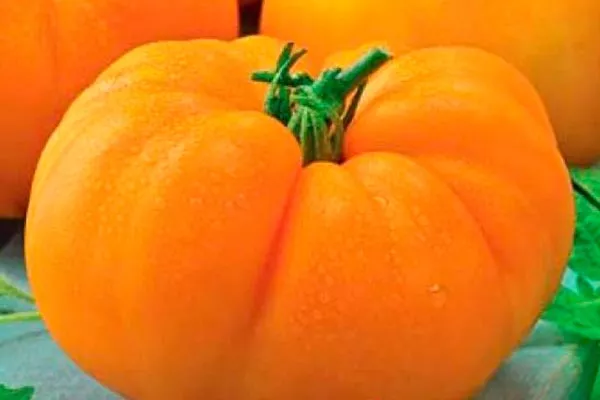
In some catalogs, this variety can be found under the name "Libra Constellation." Of all the varieties, this one stands out for its distinct orange hue.
Description of the plant
It's an indeterminate variety, ensuring continuous growth and fruiting throughout the season. Optimal growing conditions include indoor cultivation.
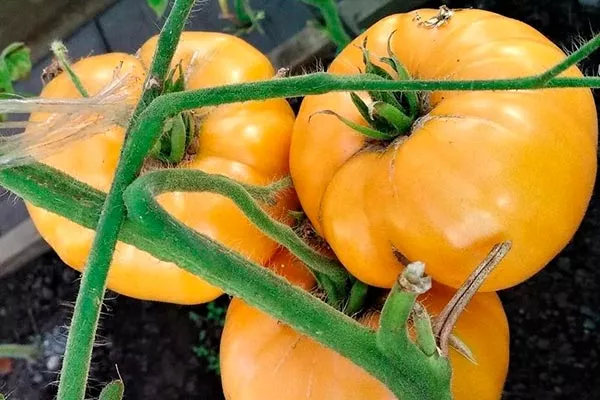
The bushes are vigorous and robust, reaching up to 1.5 m in height. The shoots are abundantly covered with large, emerald leaves.
Main qualities of fruits
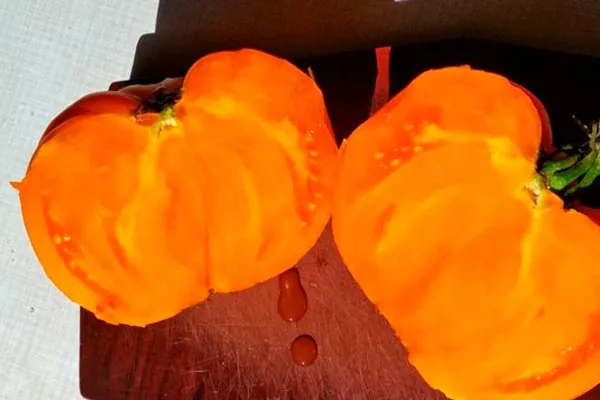
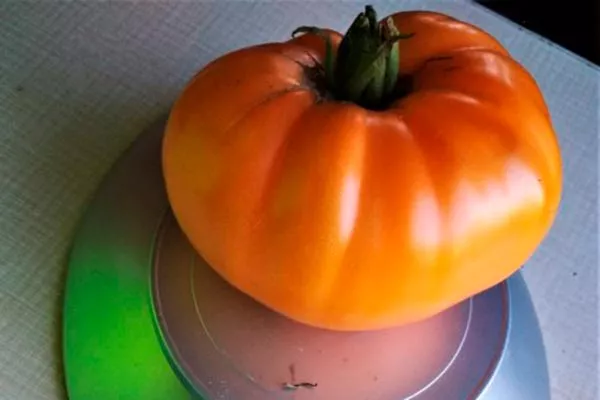
The tomatoes are round in shape and weigh between 300 and 500 grams, with some weighing up to 700 grams. Their vibrant orange-yellow hue adds to their appeal. They are characterized by dense, fleshy flesh.
Taste characteristics
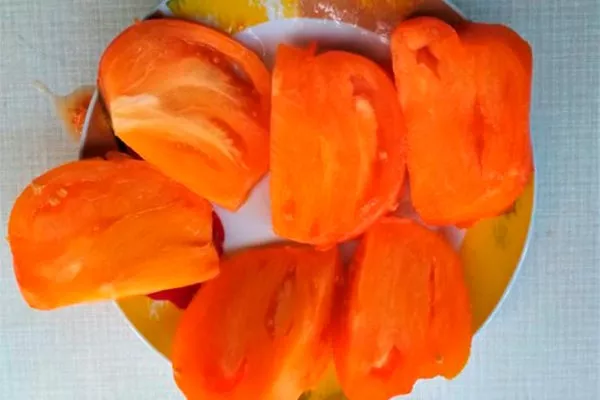
This tomato has an excellent flavor, harmoniously combining sweetness and a hint of tartness. This makes it ideal for fresh consumption.
Ripening and fruiting
This is a mid-early variety. The tomatoes ripen 100-105 days after germination.
The Libra variety has a high yield. With proper care, up to 10 kg of fruit can be harvested per square meter.
Scope of use
The fruits are versatile, ideal for fresh salads and appetizers. Their dense, fleshy flesh makes them an excellent choice for juices, sauces, pastes, as well as for baking and other culinary dishes. Their vibrant hue adds a vibrant and appetizing appearance to finished dishes.
Agricultural technology of Libra tomatoes
Like most indeterminate varieties, this one is recommended to be grown exclusively from seedlings. This allows for the development of a strong and healthy root system early on. For successful cultivation, it's important to follow all stages of seedling care.
Preparing the land for the coming season
Begin preparing the site for growing crops at the end of the previous season. Follow these recommendations:
- Apply the bulk of your fertilizer in the fall, which gives the soil time to absorb the nutrients by spring.
- One effective way to improve the soil is to sow green manure in August, such as fodder beets or carrots. By October-November, these plants will have gained mass and won't need to be harvested. Plow the green manure or root crops into the soil, and over the winter and spring, worms and microorganisms will convert them into natural fertilizer.
- In the fall, add organic matter: humus or compost, spreading a 4-5 cm layer over the surface of the plot, then digging it in. To improve the soil's nutritional value, combine organic matter with mineral fertilizers. Add 25 g of superphosphate and 40 g each of ammonium nitrate and potassium nitrate per square meter.
- ✓ Optimum soil temperature for seed germination: +25-28°C.
- ✓ Required air humidity for seedlings: 60-70%.
It's important to choose the right predecessor crops. Optimal options include carrots, beets, cucumbers, cabbage, peas, and beans. Avoid growing tomatoes after potatoes, eggplants, or peppers.
Seed treatment
Seeds purchased in branded packaging usually don't require any additional processing, as the manufacturer has already prepared them before packaging. However, be sure to disinfect any seeds you've collected yourself.
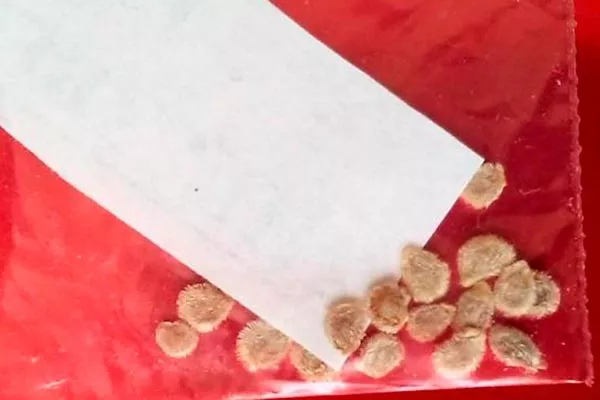
Treat the planting material with fungicides and growth stimulants to disinfect, enrich with nutrients, accelerate germination, and strengthen the immunity of future seedlings. Use Agat: place the seeds in cheesecloth and soak in the solution for 3 hours.
Preparing soil for seedlings
It's best to prepare the soil for seedlings yourself, combining various ingredients. One mixture includes equal parts peat, humus, turf, and rotted sawdust. For every 10 kg of mixture, add:
- 60 g Superphosphate;
- 20 g potassium salt;
- 30 g of ash;
- 5 g urea.
The basic soil requirements are: nutrient-rich, loose, breathable, and free of heavy metals and pathogens. Bake the prepared mixture in the oven at 100°C for 40 minutes to disinfect it from harmful microorganisms and fungi.
Seedlings: sowing and care
The most important rule when planting seedlings is to time the sowing correctly. Follow these guidelines:
- Place the planting material two months before you plan to transplant the seedlings into the ground or greenhouse. For example, if the transplant is scheduled for the first half of June, sow the seeds in the first half of April.
- Distribute the prepared soil into the seedling trays and moisten with warm water. Place the seeds in grooves up to 2 cm deep, with a distance of 3-4 cm between them. After sowing, cover with soil.
- To create the optimal temperature for germination, cover the trays with plastic film. Once the seeds have sprouted, remove the film to prevent the seedlings from stretching, which can make them thin and weak. The first shoots will appear in 1-2 weeks.
- Water the soil regularly with warm water and loosen it when it dries out a little.
- To encourage growth, install fluorescent lights around the boxes to extend the daylight hours.
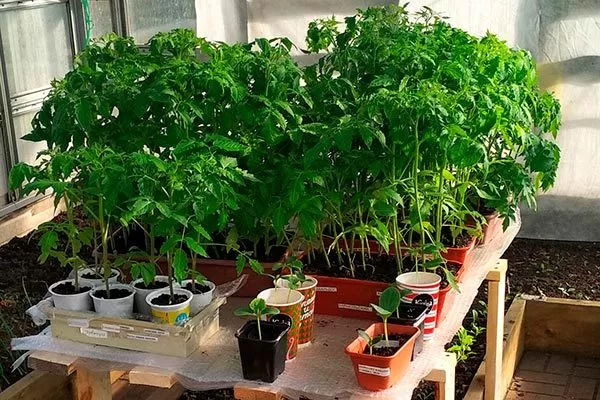
When the seedlings develop two true leaves, transplant them into separate pots, slightly deepening the stems. As they grow, arrange them in a spiral toward the soil surface, burying them to encourage additional root growth. Repeat this process until the pot is full.
Transplanting seedlings
When the seedlings reach 60-65 days of age, plant them outdoors. The optimal air temperature for planting is between 20°C and 25°C, and the soil should warm to 10-15°C. The planting rate for the Libra tomato variety is 3 plants per square meter.
Pre-fertilize the planting holes with 300 g of wood ash or humus and moisten them generously with warm water. Place the seedling deep into the soil and bury it. After planting, mulch the beds with straw or sawdust to retain moisture and protect against weeds.
Caring for Libra tomatoes
Caring for your crop involves several key aspects to ensure healthy development and a high yield. Follow these simple agricultural practices:
- WateringProvide the bushes with regular but moderate watering. Water in the morning or evening to avoid moisture evaporation during hot weather. Avoid overwatering, as this can lead to root rot. Pour water at the roots, avoiding drips on the leaves.
- Top dressingTo ensure healthy growth and abundant fruiting, fertilize tomatoes throughout the growing season with organic and mineral fertilizers.
Apply the first fertilizer 2-3 weeks after planting the seedlings, using an infusion of mullein or bird droppings. After 2 weeks, apply a complex mineral fertilizer (such as superphosphate and potassium). Subsequently, apply fertilizer 2-3 times per month. - Hilling and looseningTo improve air circulation and prevent soil crusting, regularly loosen the soil around the plants. Periodically, hill up the tomatoes to strengthen the stems and encourage additional root development.
- Bush formationLibra tomatoes are indeterminate, meaning they grow continuously throughout the season. To prevent plants from becoming overgrown and losing vigor, train them. This includes pinching out side shoots that don't bear fruit. This allows the plant to focus its energy on the main stem and fruit.
- Tying upTo prevent damage and ensure normal fruit growth and development, secure shoots to supports. This will ensure the bushes grow upright and protect the fruit from touching the ground, reducing the risk of rot.
- MulchingThis procedure helps retain soil moisture, prevent weed growth, and improve soil structure. Use straw, sawdust, or compost as mulch around plants.
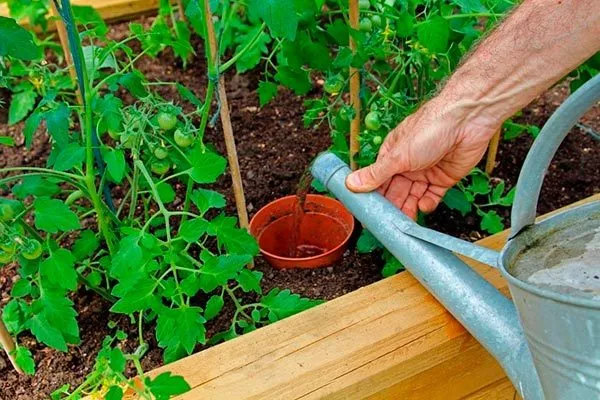
Following these rules will help ensure healthy growth of Libra tomatoes and a good harvest.
Diseases of the variety and pests
The crop is characterized by good disease resistance, but for preventative purposes, treat with fungicides and insecticides. Multi-purpose products that combine several functions are particularly effective.
Rescuer is effective and contains an insecticide (for controlling Colorado potato beetles, aphids, mole crickets, and other pests), a fungicide (for protection against late blight, powdery mildew, and other diseases), and a growth stimulant.
This integrated approach allows for effective plant protection, while a three-ampoule package is affordable. Good options include the fungicides Quadris and Ridomil, as well as the insecticides Confidor and Vofatox.
Harvesting and storage
Libra tomatoes begin to ripen 100-105 days after germination. Harvest the fruits when they are ripe, but not yet too soft or rotting.
Helpful tips:
- Carry out the procedure when they turn orange or yellow (depending on ripeness), but are not fully ripe. This way, they will ripen without being exposed to pests or diseases.
- Harvest tomatoes as they ripen, starting with the lower clusters and gradually moving to the upper ones.
- After harvesting, carefully handle the tomatoes, sorting them by quality. Avoid storing damaged or overripe tomatoes, as they can spoil quickly and affect the quality of other tomatoes.
- For storage, use ventilated containers to prevent moisture buildup, which can lead to rotting. The optimal temperature is 12-15°C. Keep the harvest in a dry, dark place.
- If you want to store vegetables for a long time, use the refrigerator, but remember that temperatures below 10°C may impair the flavor. You can freeze tomatoes for later use in sauces and other dishes.
Advantages and disadvantages of the variety
Libra tomatoes have gained recognition among large farmers for their large size, distinctive color, and juicy flesh. These qualities make them popular in restaurants and other food service establishments.
This variety is characterized by high yields, disease resistance, and good transportability. For gardeners, its main advantages are its low maintenance and ease of care, making it ideal for successful cultivation in home gardens.
The variety has no significant drawbacks, although there are occasional complaints about lower productivity than stated. This is usually due to non-compliance with agricultural practices.
Reviews from gardeners
The Libra tomato is an ideal choice for those looking for a stable, high-quality variety with minimal maintenance. Thanks to its disease resistance, good productivity, and versatility, it's finding increasing popularity among gardeners. The key is to follow the recommendations and care.