
Blossom-end rot is a non-infectious disease that causes rapid spoilage of tomatoes and other crops. This compels farmers and gardeners to take immediate measures to halt the disease's progression. It is important to choose the right treatment and employ a comprehensive approach.
Description of the disease
Blossom-end rot of tomatoes is a physiological disease that, in its early stages, is unrelated to fungal or bacterial infections. Consequently, other crops growing nearby are not affected. As the disease progresses, infection occurs, spreading to neighboring plants.
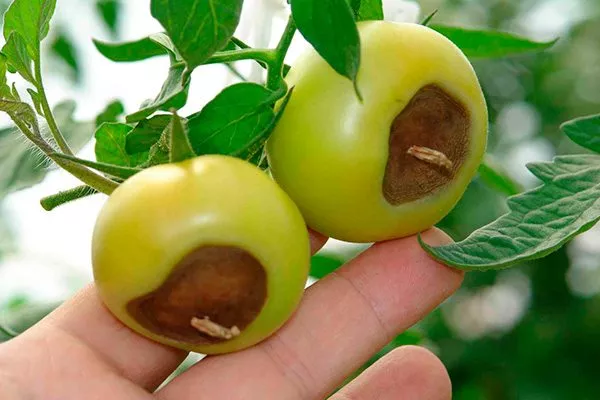
Why does blossom end rot occur?
To eliminate the problem associated with the disease, it is first necessary to identify the cause, as treatment is based on eliminating this negative factor. A deficiency of calcium compounds is the main cause of blossom-end rot.
Without calcium, which isn't absorbed from the soil into the tops and fruits, the crop cannot develop normally. On the other hand, micronutrient deficiencies arise for various reasons. All negative factors include:
- Increased soil acidity. In this case, even if the soil is rich in calcium, the plant will not be able to absorb it. Dolomite flour is usually used to reduce the acidity. Once the soil pH returns to a normal level, the problem will disappear.
- Use of ash in large quantities. Charcoal is essential for crops, but only in reasonable doses, as the phosphorus and potassium contained in ash promote calcium binding, leading to calcium deficiency.
- Excess of salt fertilizers. If there is too much salt, the soil does not absorb water in the required amount, and this in turn leads to a calcium deficiency.
- Excess nitrogen. In this case, the development and growth of the plant is directed towards the green mass, and the fruits suffer.
- Wrong variety. Some tomatoes are prone to blossom-end rot. They're easy to spot—read the label, as manufacturers indicate this. Alternatively, look at the fruit's shape (it can be elongated) and variety (large-fruited, pink).
- Too hot weather, drought, insufficient watering. Due to such conditions, which are most often present in greenhouses, bushes cannot fully absorb calcium in a dissolved, that is, accessible form.
- Ice water, excess rain/humidity, sudden cold snap. If you water too frequently, calcium is washed out of the soil, and during cold weather, the absorption of nutrients is slowed down.
- Damage to the root system. It is through the roots that calcium and moisture are delivered to fruits and greens. If they are damaged (for example, by pests or broken during weeding), they will not be able to function properly.
Signs of the disease
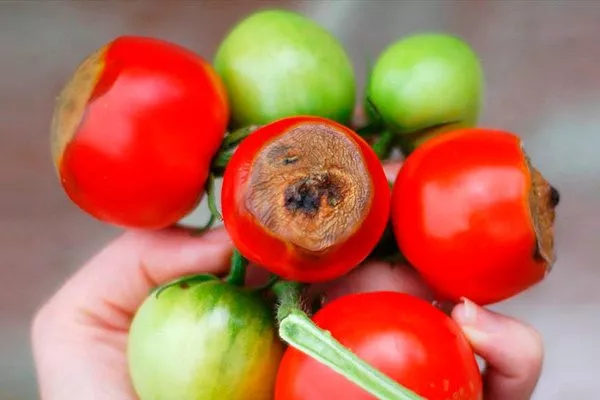
Blossom-end rot affects tomatoes not only externally but also internally, most often when the fruit reaches half its original size. For this reason, it's sometimes impossible to detect the disease immediately.
The symptoms appear sequentially:
- At first, the skin becomes spotty with a green tint, while the spots are dry and smooth (either one fruit or several at the same time can be affected);
- then the spots increase in size and darken (from brown to black);
- the affected area sinks inward;
- the shape becomes flattened;
- after which they simply fall off the stalk.
If the damage is limited to the inside of the tomatoes, the fruits will turn red too quickly and fall off quickly. Another characteristic is that tomatoes will become soft at high humidity, and harden at low humidity.
Treatment methods
The method for eliminating blossom-end rot on tomatoes depends on the underlying cause, so it's important to take a situation-specific approach. Experts recommend a comprehensive approach—preventing the disease from progressing, eliminating the source of the problem, and so on.
Agrotechnical measures – first steps
Immediately after detecting the disease, remove any affected fruit. It's not recommended to eat them with the cut ends removed, so simply discard them. Further action depends on the cause:
- If the reason is insufficient watering, immediately pour water into the root zone - about 15 liters of liquid per bush;
- If the culprit is overwatering, remove the top layer of soil and add dry soil;
- If the soil is highly acidic or contains too many fertilizers, do the same;
- If the root system is damaged, replant the bush, cutting off the broken areas.
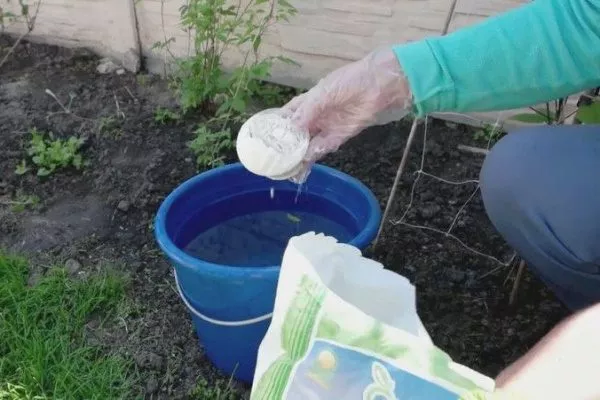
To quickly saturate the soil with calcium, use calcium nitrate:
- Dilute about 12-15 g of the product in 10 liters of water.
- Water the bush's root system. You'll need 2-2.5 liters of solution per plant.
- ✓ The concentration of the solution should be strictly 12-15 g per 10 liters of water to prevent burns to the root system.
- ✓ Watering should be carried out in the morning or evening hours to avoid rapid evaporation of the solution in the sun.
Medicines
Modern treatments for blossom-end rot on tomatoes act quickly and are considered highly effective. What can be used:
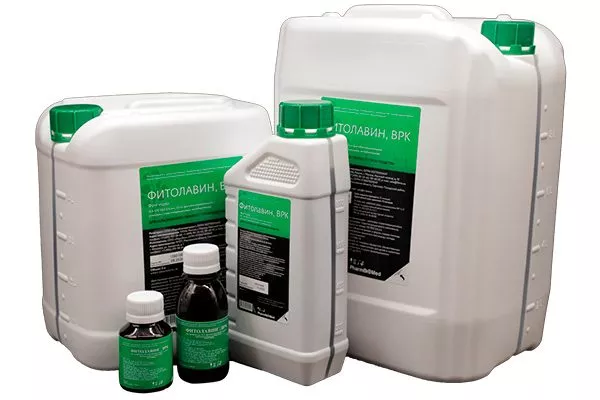
- Fitolavin, VRK. A fungicide for use in both greenhouses and open ground. It's best to begin treatment when the plants are in the seedling stage. In all cases, use 20 ml of the product per 10 liters of water. Spray.
How to use long term:- the first treatment is carried out when the third leaf is formed;
- the second - after transferring the bush to open ground;
- third, etc. – every 15 days.

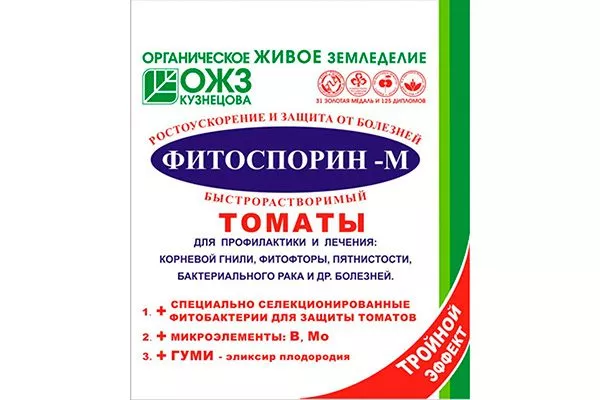
- Fitosporin-M TOMATOES. Another fungicide for gardens and greenhouses. It also contains phytobacteria. It can be used in various ways:
- spraying - only 5 g of the preparation per 10 liters of water;
- watering - 20 g per 6 liters of water (for one bush).
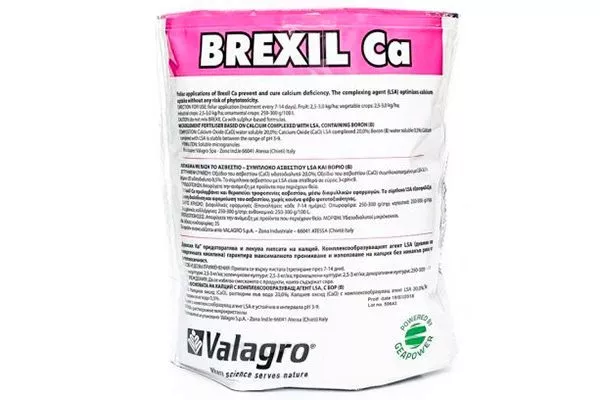
- Brexil Ca. The formula is based on calcium, so it's used for both therapeutic and preventative purposes. Its primary purpose is to provide calcium. For tomatoes, 2 grams of the substance per liter of water is enough for one plant.
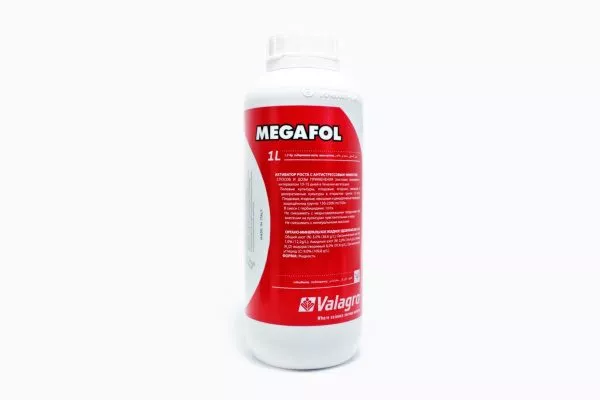
- Megafol. It has proven effective as a preventative measure, but can also be used for treatment, but only if there is a potassium and nitrogen deficiency. Use 200 ml of solution per 10 liters of water. Apply every 15 days.
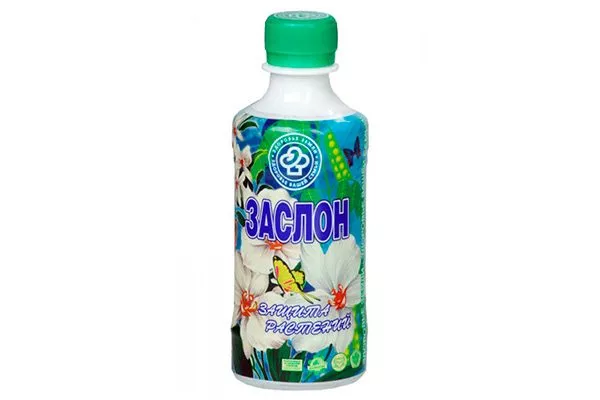
- Barrier. This product additionally strengthens the immune system and also contains potassium, phosphorus, and nitrogen. Dilute 2 capfuls in 1 liter of water and spray the affected areas.
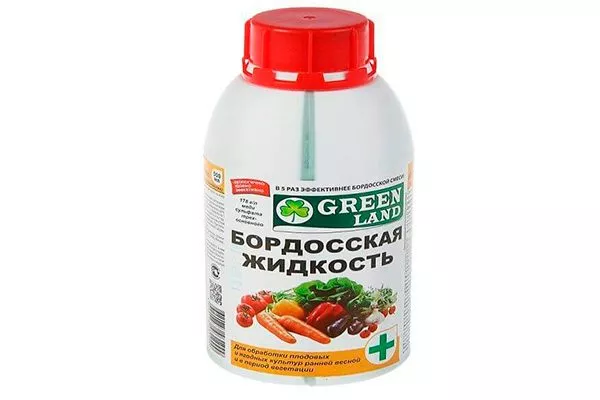
- Bordeaux mixture. This common product isn't always safe to use, but only in severe cases. First, buy the solution and spray it on your bushes. Pour 1-2 liters under the plants, which will reduce the acidity.
The maximum number of treatments is 3-4 times.
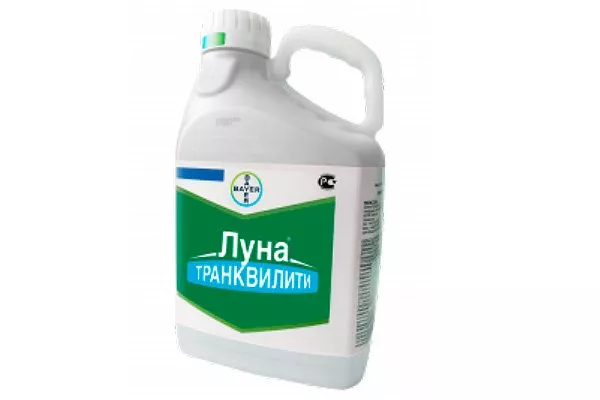
- Luna Tranquility. Considered a powerful product, it's applied to bushes four times, with intervals of 10 days. Use 20 ml per 10 liters of water.
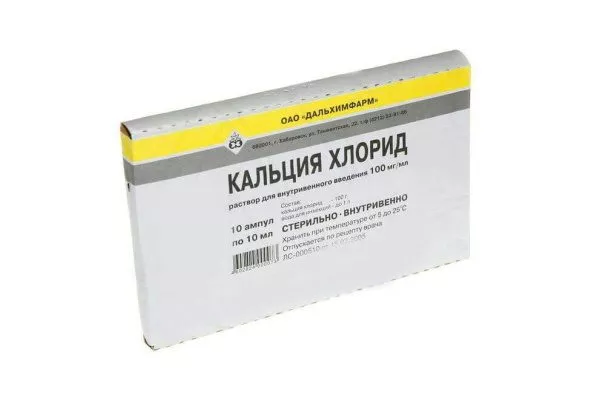
- Calcium chloride. Sold in ampoules, it costs pennies, and provides calcium. 20 ml is required for 12 liters of water. Spray twice. Repeat if necessary.
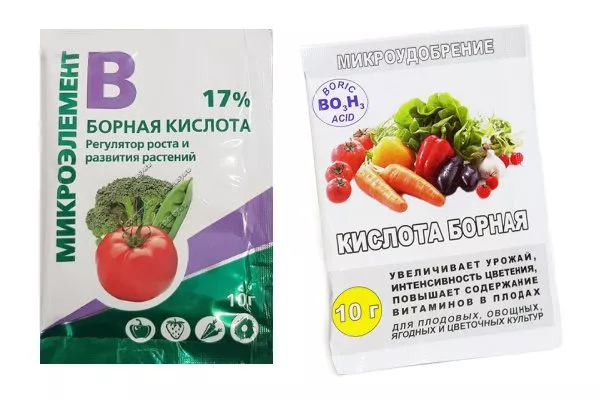
- Boric acid. You need to buy a crystalline product. It's used in conjunction with calcium supplements to replenish boron in plants. For one plant, use 0.5 g of the product and 0.5 liters of water. Water the tomatoes twice a month, every two weeks.
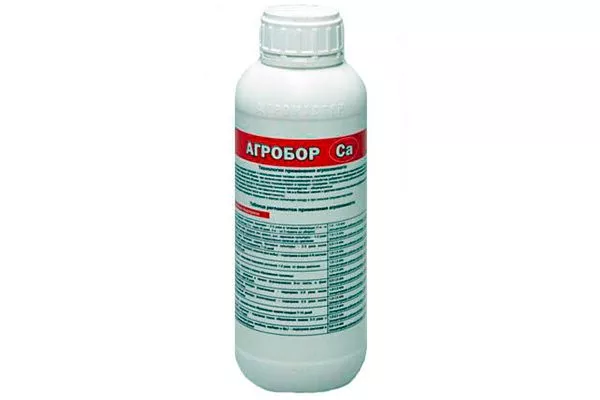
- Agrobor Ca. Produced in liquid form, it's designed to enrich tomatoes with calcium. The product is applied to the root zone—1 liter of working solution per 1 square meter (1 tablespoon of the product per 10 liters of water).
Traditional methods
Folk remedies for treating blossom-end rot on tomatoes are also renowned for their effectiveness. They are used widely. The best recipes are:
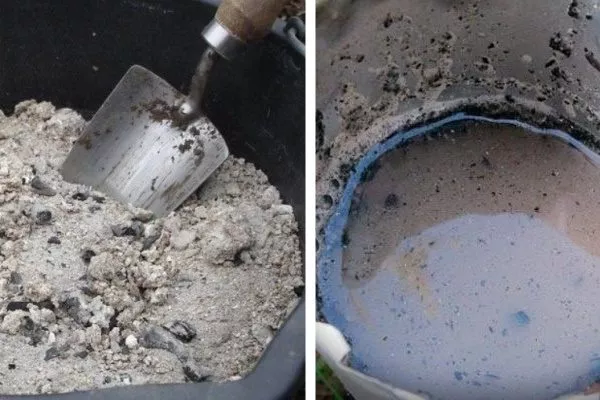
- Wood ash solution. This method is only permitted when the cause is not an excess of ash. An ash solution is used. To prepare it, take 1 liter of water and 300 g of charcoal. Place it on the fire and boil for 15 minutes.
Let it steep for 10 minutes, then strain and mix with 9 liters of water. This amount is enough for one plant.
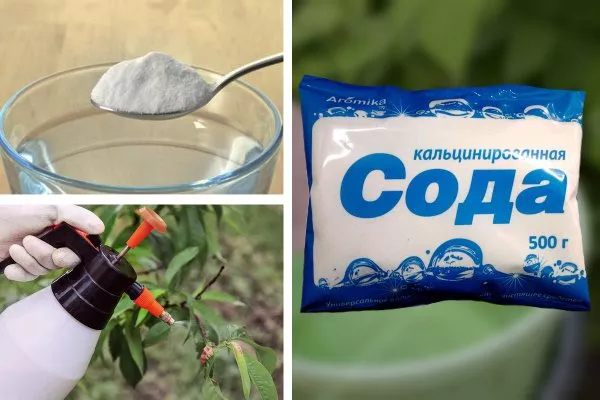
- Solution of soda ash. It's quite effective against highly acidic soil and calcium deficiency. Use just 5 grams of washing soda per 10 liters of water. Spray the bushes or apply this amount to the root zone.
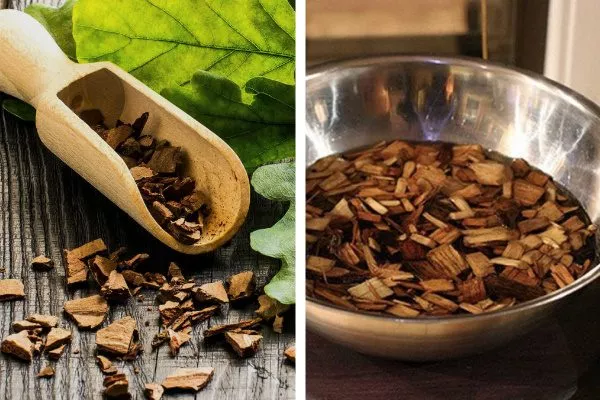
- Infusion of oak bark. An excellent remedy rich in calcium and other nutrients. Take 1 liter of water (cold), add 5 grams of crushed oak bark, bring to a boil, and simmer for 15 minutes.
Let cool completely, strain, and add enough water to make 9-10 liters of solution. Spray with this mixture.
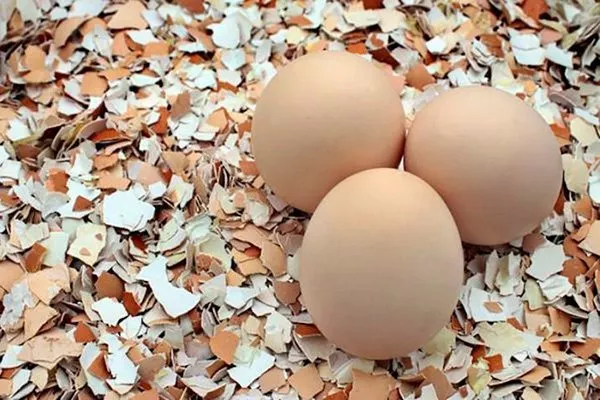
- Eggshell. This is a natural source of calcium, which must be present in the soil. To combat blossom-end rot, place the crushed shells in a 1-liter saucepan, add boiling water, and simmer for 10-15 minutes. Let it steep for 12 hours, strain, and add 3 liters of water.
Now it's time to spray the diseased bushes. Make sure there's no white or film left inside the eggshells, otherwise the decoction may develop an unpleasant odor, especially if harvesting the product over a long period of time.
- Chalk and vinegar. It can be used even in acidic soil, as the chemical reaction neutralizes the acid. To prepare the solution, take 1 liter of vinegar and 200 g of dolomite flour or chalk. Mix these ingredients until smooth.
Wait until the fizzing reaction stops, then add 10 liters of water. One root treatment requires 1 liter of a solution containing available calcium.
Preventive measures
To prevent blossom-end rot from occurring throughout the growing season, be sure to take preventative measures before sowing seeds and strictly adhere to certain agricultural practices:
- Be sure to disinfect your planting material, even though blossom-end rot isn't a bacterial or fungal disease. This is because it can also develop alongside other underlying conditions. To do this, use one of the following:
- make a solution of potassium permanganate (3%), soak the seeds, leave for 25-30 minutes, then rinse with boiled water;
- Mix 1 g of copper sulfate with 1 liter of water, keep the seeds for half an hour, then dry (no need to wash).
- Prepare the soil properly. To reduce acidity and improve calcium absorption, use dolomite flour, slaked lime, or chalk. The dosage depends on the tomato variety and the soil's pH level.
- Fertilize before planting with eggshells or wood ash. Use a maximum of 100 g of product per planting hole.
- If tomatoes are grown in a greenhouse, monitor the humidity level. When it's high, be sure to ventilate the room or turn on dehumidifiers.
- Strictly monitor the dosage of fertilizers applied - their excess or deficiency leads to tragic consequences in the form of blossom-end rot.
- Don't add more water to the plant than the variety requires. Try to water tomatoes less frequently, but with more water.
- During prolonged rains, create an artificial shelter from polyethylene film.
- During periods of drought, water the beds more often, and in extreme heat, provide shade.
- Avoid planting too densely. This prevents the plants from getting adequate ventilation. Consequently, air circulation is impaired, which can also contribute to blossom-end rot.
- Avoid watering with cold water - the plant will immediately get sick.
- To conserve moisture in hot climates, apply mulch to the root zone. Sawdust, straw, freshly cut grass, and grated tree bark are excellent for tomatoes.
- Maintain a uniform fruit load. Specifically, remove lower leaves to ensure more calcium reaches the fruit.
- ✓ Seed disinfection must be carried out at a temperature of at least 20°C to activate the solution.
- ✓ Mulching of the root zone should begin immediately after planting seedlings to retain moisture.
What should not be used?
There are products that are both approved and prohibited for use in treating blossom-end rot. Why is this? It turns out, it's all about dosage. Don't exceed it, otherwise the soil will be damaged. What are these substances?
- baking soda – it is oversaturated with sodium, so it is used to treat diseases in the most minimal doses;
- calcium chloride – nightshade crops do not tolerate chlorine;
- toxic chemicals will only harm the soil.
Disease-resistant varieties
| Name | Disease resistance | Ripening period | Fruit type |
|---|---|---|---|
| Oak tree | High | Early | Round |
| Bolshevik F1 | High | Average | Oval |
| Bernito F1 | Average | Early | Round |
| Pharaoh F1 | High | Late | Oval |
| Raisa | Average | Average | Round |
| White filling | Low | Early | Round |
| Pandarose | High | Average | Oval |
There are tomato varieties that rarely or never suffer from blossom-end rot. These are most often hybrids. For example:
- Oak tree;
- Bolshevik F1;
- Bernito F1;
- Pharaoh F1;
- Raisa;
- White filling;
- Pandarose.
If you can't buy or otherwise grow resistant tomato varieties, don't ignore preventative measures and agricultural practices. Pay special attention to the quality of your garden soil and follow crop rotation rules. Remember that blossom-end rot is not caused by infection.