
Versailles tomatoes attract gardeners with their elongated shape, light weight, and vibrant color—they look stunning on the table, in salads, and in preserves. This variety is resistant to various weather conditions. They are grown both in open ground and in greenhouses. Their compact size means they don't take up much space in the garden.
Description of the bush and fruits
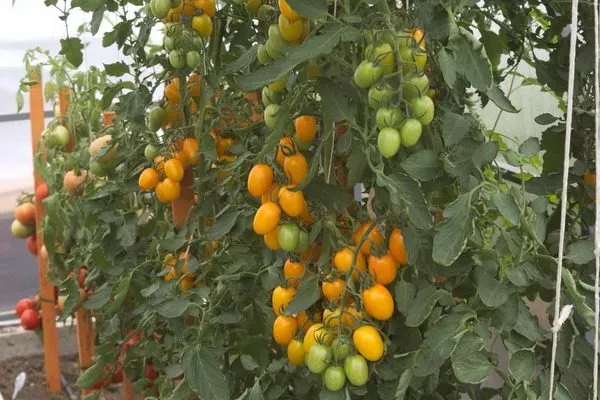
Versailles is a hybrid variety with a determinate growth habit, limited to 1.5 m in height, and requiring no pinching. The shoots are covered with long, green leaves.
- ✓ The fruits have a cylindrical shape with dense pulp, which makes them ideal for canning.
- ✓ Up to 15 vegetables can form on one brush, which requires timely tying.
The tomatoes are cylindrical in shape and weigh approximately 40 grams. They have dense, fleshy, pink-orange flesh and smooth, tough skin. They contain 2-3 seed chambers, and a single cluster can produce up to 15 tomatoes.
Main characteristics
The Versailles tomato is the result of the work of breeder V. I. Blokin-Mechtalin. The hybrid was officially approved for cultivation in 2021 and quickly gained popularity among gardeners in our country.
Features of the culture:
- Ripening and fruiting, productivity. This mid-early variety produces tomatoes ready for harvest 95-100 days after germination. This variety boasts generous yields: 11-12 kg per square meter in open ground, and 8.1-8.5 kg per square meter in a greenhouse.
- Scope of application. Tomatoes have a pleasant flavor and juicy, sweet flesh, making them an excellent choice for fresh eating. Their dense texture allows them to retain their flavor well when pickled or canned, remaining aromatic even after cooking.
- Resistance to adverse factors. The bushes are resilient to fluctuations in temperature, humidity, and precipitation, resulting in consistent results when grown in a variety of climates. The variety maintains high yields and fruit quality even in variable weather conditions.
Versailles grows successfully in the following areas and districts of Russia:
- Northern;
- Northwestern;
- Volga-Vyatka;
- Central Black Earth;
- North Caucasian;
- Ural;
- West Siberian;
- East Siberian;
- Far Eastern.
Growing tomatoes
To successfully cultivate Versailles, it's important to follow certain rules and recommendations. Even novice gardeners can easily handle this task.
Soil preparation and site selection
Choose a suitable site – it should be well-lit during the day and have good drainage to avoid stagnant water and root rot.
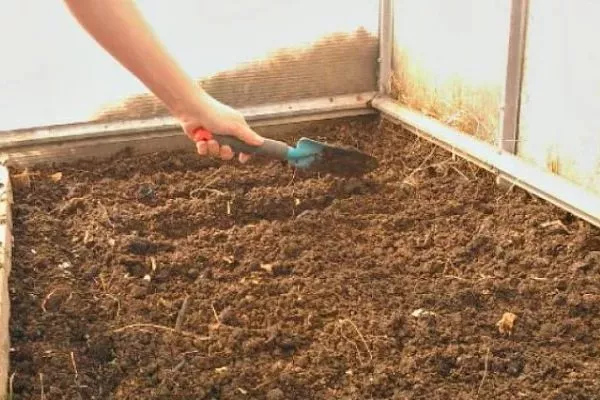
Processing of the garden bed includes the following stages:
- clearing of weeds and plant debris;
- loosening the soil with a shovel or rake;
- enrichment of soil with organic matter (compost, humus);
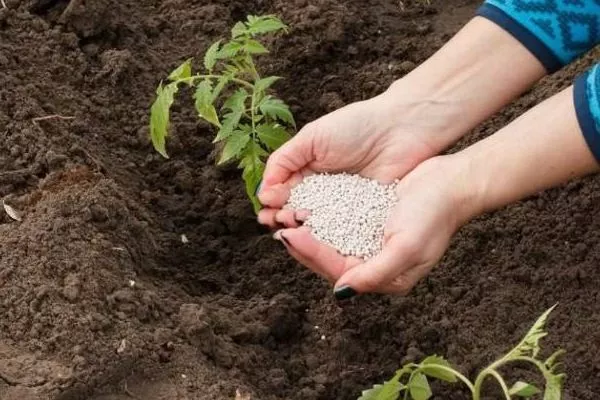
- application of mineral fertilizers with nitrogen, phosphorus and potassium according to recommendations.
- ✓ The soil pH level should be strictly within 6-7; for accurate measurement, use a pH meter.
- ✓ Organic matter (compost, humus) must be fully rotted to avoid contamination of the soil with pathogens.
If necessary, adjust the soil acidity (the optimal pH is 6-7). Once the bed is prepared, you can proceed with the next steps.
Methods for planting tomato Versailles
There are several methods for planting crops. They depend on your conditions and preferences. The main options are:
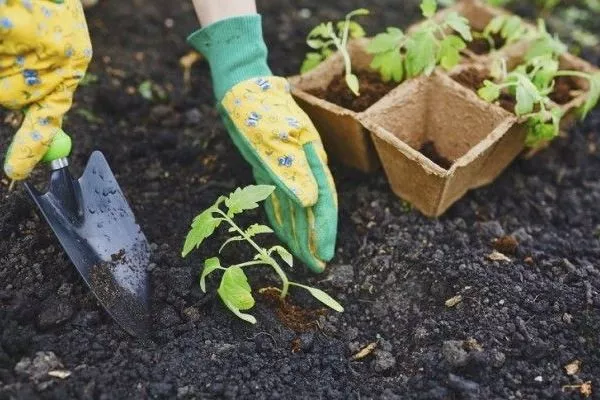
- Placement in the ground. Before planting, prepare the soil, remove weeds and rocks, and form the beds. Make 10x10 cm holes, place the seedlings in them, water, and gently compact the soil around the roots. Water the plants thoroughly.
- Growing in an early greenhouse. This method is suitable if you want to harvest earlier. The structure will protect the seedlings from adverse weather conditions and create comfortable growing conditions.
Prepare the soil and plant the seedlings as you would outdoors. Provide drip irrigation and regularly ventilate the area. - Planting in pots or containers. Containers with a minimum capacity of 10 liters are suitable for this purpose. Fill them with fertile soil, plant the seedlings, and provide regular watering and adequate lighting, as soil in containers dries out faster and limits the plants' access to water and nutrients.
- Planting in hydroponics. This is a soilless growing method in which tomato roots are suspended in a nutrient solution. Suitable for those interested in modern technology, hydroponics requires specialized equipment and materials, as well as knowledge of the proper growing conditions.
Choose the most suitable method and enjoy a delicious harvest of Versailles tomatoes.
Plant care
Crop care plays a key role in development and productivity. By following standard agricultural practices, you can achieve maximum positive results.
Features of watering
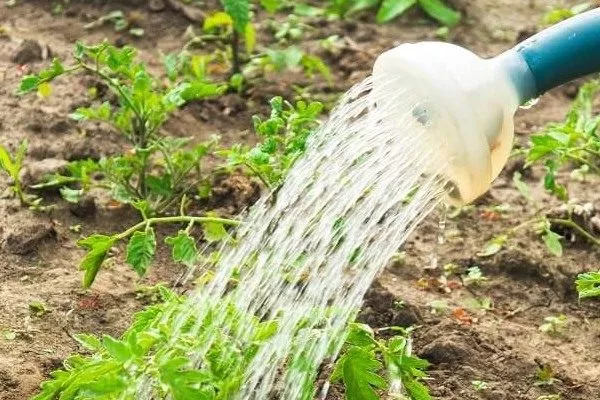
Adjust irrigation according to weather conditions and soil moisture levels. On hot days, water the area under the bushes once a day—it should penetrate to a depth of 20-30 cm.
Helpful tips:
- For more efficient watering, use drip irrigation or apply water directly to the roots, avoiding moisture getting on the leaves and fruits.
- Check the soil moisture regularly: stick a stick into the soil to a depth of about 10 cm. If it is dry, this means the plant needs watering.
- Reduce the frequency before flowering and ripening tomato plants to prevent them from cracking due to excess water. During this period, plants require more moderate watering.
- Before planting neighboring plants, consider their water needs and irrigate the crop in advance to create comfortable conditions.
Correct and regular watering of the Versailles tomato is the key to its health and a good harvest.
Top dressing
The main components of fertilizer for hybrids are nitrogen, phosphorus, and potassium. Let's take a closer look:
- nitrogen – promotes active growth of green mass and the formation of a healthy root system, which has a positive effect on crop yield;
- phosphorus – necessary for strengthening the stem and peduncle;
- potassium – increases crop resistance to stress and improves the quality and duration of fruiting.
Carry out proper nutrition in several stages:
- at the beginning of the growing season – Apply high-nitrogen fertilizers to stimulate green growth;
- during the formation of ovaries and peduncles – Use phosphorus-potassium fertilizers.
Adherence to the dosage is crucial. Follow the package instructions precisely and do not exceed the recommended concentration. Before applying fertilizer, thoroughly moisten the soil to ensure effective nutrient absorption by the roots.
Garter and shaping the bush
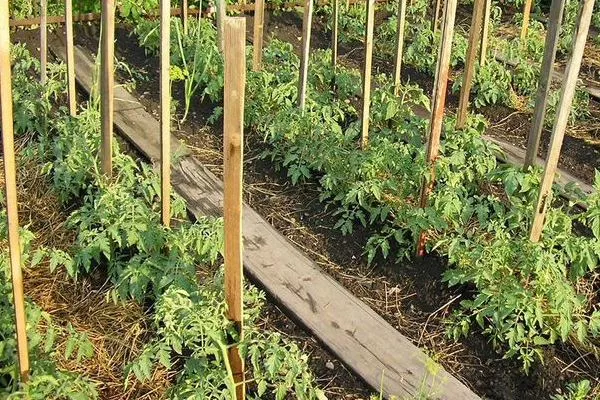
Secure the seedlings to supports immediately after planting them in the ground. Use metal or wooden poles and a rope stretched between them. Secure the shoots as they grow to prevent them from breaking under the weight of the fruit.
This procedure helps prevent tomatoes from touching the ground, reducing the risk of rot and disease. Proper shaping of the bush allows for even distribution of light and air throughout the plant. When shaping, trim off excess shoots and leaves.
Collection and storage
Correctly identify the ripeness of fruits and create suitable conditions for them to avoid loss of quality and flavor. Key steps:
- Definition of readiness. Before harvesting, make sure your tomatoes are fully ripe. You can tell they're ripe by their rich color and their softness when gently pressed.
If the tomatoes pull easily from the plant and are a bright color, they're ready to be picked. Don't pick them early, as they won't ripen fully. - Cleaning methods. Hand picking is the most common method. Tomatoes are carefully picked from the bunches. To do this, gently twist the tomato and separate it from the stem.
Use scissors or pruning shears when vegetables are in hard-to-reach places or at heights. This method helps prevent damage to plants during harvest. - Safety. Fruits can remain tasty for a long time if you follow a few simple recommendations:
- Store only ripe tomatoes without damage or signs of rot;
- the ideal temperature for Versailles is about +10°C;
- wrap each vegetable in paper or cardboard to protect it from external influences;
- Ensure good air circulation in the room to prevent mold growth.
By following these recommendations, you can keep tomatoes in excellent condition for a long time.
Pest and disease control
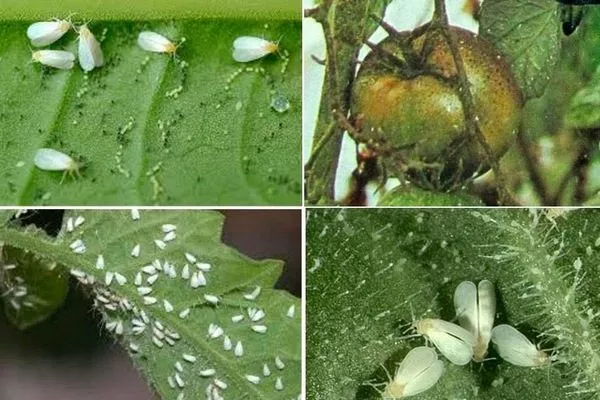
Bushes can be attacked by various insects, including aphids, whiteflies, and mole crickets. To control them, use both chemicals and folk remedies, such as garlic or pepper infusions.
This variety is susceptible to diseases such as late blight and blackleg. To prevent these, observe sanitation measures and regularly treat the plants with special products such as Ridomil Gold, Fitosporin-M, Fundazol, etc.
Pros and cons
Before you begin growing the crop, carefully study its characteristics to avoid potential problems. Versailles has many advantages:
Reviews
The Versailles tomato delights gardeners with its consistent yield and low maintenance requirements. It produces excellent results with proper watering and fertilizing. It's suitable for both fresh eating and canning. Choosing this variety means you can be confident in the quality and flavor of its tomatoes, as well as their excellent shelf life.