
The Verochka F1 tomato is a relatively new Russian hybrid that combines ease of cultivation and excellent agronomic characteristics with excellent fruit flavor. This variety is suitable for both experienced gardeners and novice vegetable growers.
The history of the Verochka tomato
The Verochka F1 tomato was developed by Russian breeder V. I. Blokin-Mechtalin in 2017. The variety was approved for commercial use in 2019. Verochka is intended for southern regions; in temperate climates, it is grown in greenhouses.
Description of the plant
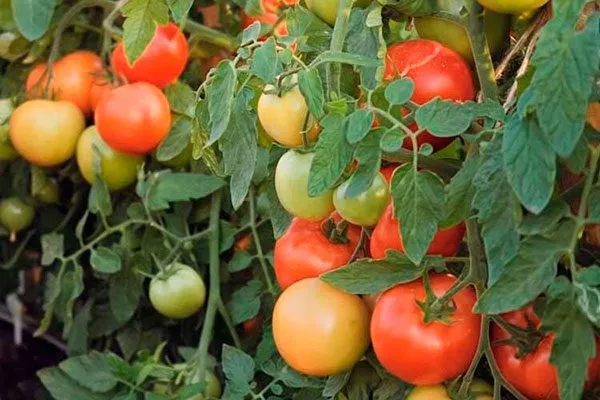
The bush has a determinate growth habit, is compact and low-growing, reaching a maximum height of 1 m. Typically, the bush is 60-80 cm tall. The shoots are fleshy. The leaves are medium-sized, dark green, and matte. Fruit clusters are located at the ends of the stems. The bushes have moderate foliage. The flowers are bright yellow, small, and funnel-shaped.
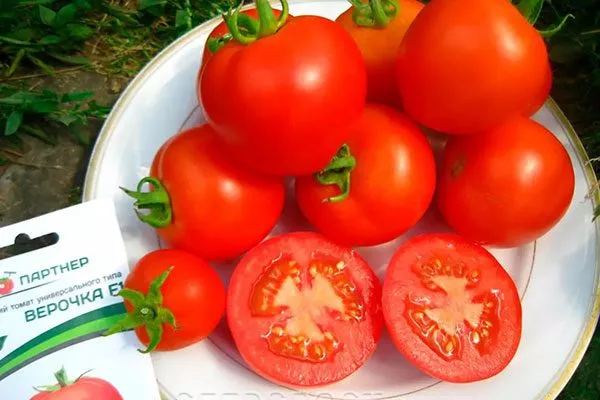
Description of fruits
The Verochka tomato produces medium-sized fruits. Each cluster produces 5 to 7 fruits.
Brief description of fruits:
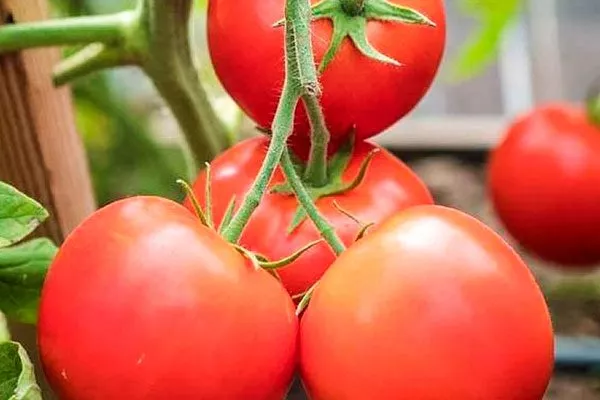
- Colour of unripe/ripe fruits: light green/red.
- Shape: flat-round, slightly ribbed.
- Skin: glossy, moderately dense.
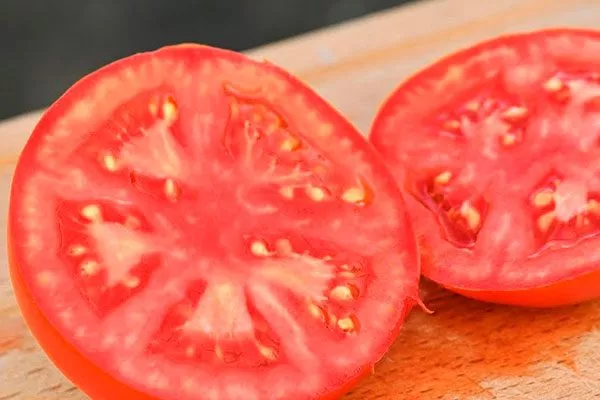
- Number of seed chambers: 5.
- Seeds: small.
- Weight: 140 g.
Taste and purpose
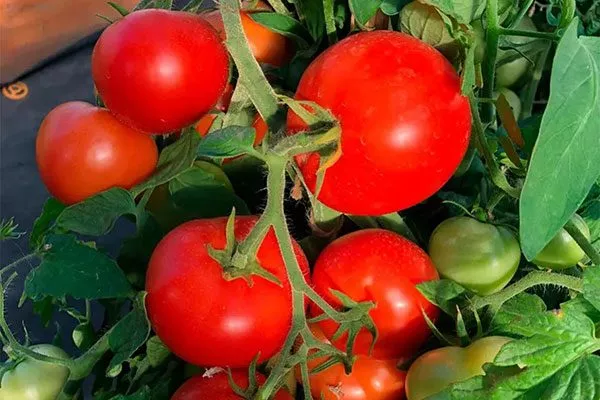
Ripe fruits of the Verochka variety have a pleasant, moderately sweet flavor. These dessert tomatoes combine sweetness with a slight, refreshing tartness. They have a tasting score of 4.8. The fruits are delicious fresh and are also suitable for juicing, pickling, and canning, including whole-fruit canning.
Characteristics
The Verochka tomato is a mid-early variety. It takes 85-90 days from germination to the ripening of the first fruits. 1 square meter yields 18.2 kg. A single bush yields approximately 5 kg of tomatoes. Harvesting takes place in July-August.
Pros and cons
The Verochka tomato, bred just five years ago, boasts many advantages that appeal to gardeners. But before choosing this variety for your garden, it's also worth familiarizing yourself with its qualities that many might consider disadvantages.
Landing features
To ensure a good harvest of the Verochka tomato, it must be planted correctly. It's important to create optimal growing conditions for the plant so it can thrive and bear fruit.
How to choose a plot
The Verochka tomato grows well in warm, sunny locations protected from drafts. Lowlands and marshy areas are unsuitable. The soil should be light, loose, well-drained, and rich in organic matter. The pH should be between 6.0 and 7.0.
- ✓ The site should be protected from northerly winds to minimize the risk of frost.
- ✓ The soil must have good water permeability to avoid water stagnation.
The area must have good air circulation, otherwise the risk of fungal diseases increases. Crop rotation is also important. It is not recommended to plant tomatoes in the same spot for several years in a row. The best predecessors are legumes and cucumbers; potatoes and peppers are poor ones.
Seed preparation
Planting material is purchased from stores, as the hybrid cannot be propagated by home-grown methods. All seeds are typically prepared for planting by seed treatment and stimulants. If you have any doubts about the quality of the seeds, check their germination rate.
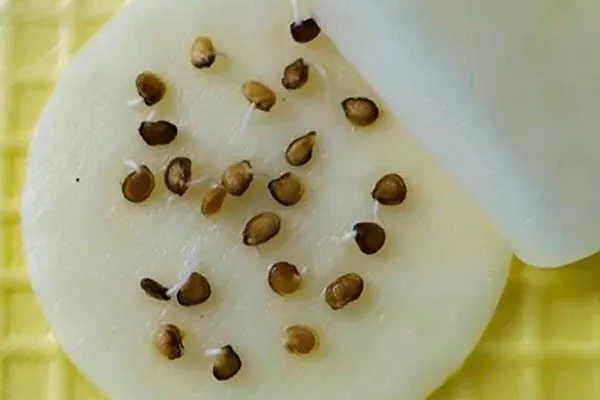
You can sort out quality material, for example, using a salt solution. Seeds are dropped into it and left to stand—any that float to the top are discarded as non-viable.
Soil preparation
Before digging the soil, it's a good idea to check its acidity. If the soil is acidic, add wood ash, dolomite flour, or slaked lime. If the soil pH is 5.5 or lower, add manure or peat, as well as urea or ammonium nitrate.
Dig the soil to the depth of a spade, removing all plant debris, rhizomes, and stones along the way. Compost and humus are the primary fertilizers, but peat or bird droppings can also be added. In the fall, you can sow green manure in the tomato plot; it enriches the soil with organic matter and micronutrients.
If for some reason you weren't able to prepare the soil in the fall, you'll have to do it in the spring. As soon as the snow melts, the soil should be dug up or tilled with a subsoiler—this tool loosens the soil and simultaneously trims weeds.
Growing seedlings
The Verochka tomato is grown primarily using seedlings. It can only be sown in the ground in the south, where the long summers allow for a harvest. However, this method is ineffective and is rarely used by gardeners even in the southern regions; it is much more convenient to grow tomatoes from seedlings.
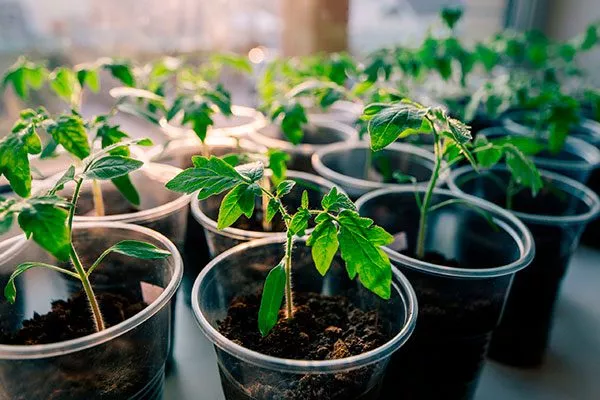
Features of growing tomato Verochka from seedlings:
- Sowing in containers or individual containers is done 50-55 days before planting in the ground - approximately in the second or third ten days of March.
- The planting container is filled with a ready-made (purchased) substrate or a soil mixture prepared from garden soil, humus, peat and sand, mixed in equal parts.
- The soil in the planting containers is first moistened with a spray bottle, then the seeds are sown. The sowing depth is 0.5 to 1 cm. The distance between adjacent seeds is 1 cm.
- Cover the seedlings with glass or transparent film. When seedlings emerge, remove the cover. Move the seedlings closer to the light and water them regularly with warm, settled water. It's important to avoid allowing the substrate to dry out or become overwatered. Excessive humidity puts tomato seedlings at risk of blackleg, an incurable fungal disease.
- Seedlings are first fed with nitrophoska, then superphosphate and potassium sulfate. A solution of cow manure, wood ash, and yeast can also be used for additional feeding.
- Hardening off the seedlings begins 10-14 days before planting them in the ground. The seedlings are taken outside every day, first for 15 minutes, then for 30 minutes, and so on, building up to several hours of hardening time.
Planting seedlings in the ground
Verochka tomatoes are planted in May-June. The soil should warm to 14–15°C. Greenhouses are planted earlier, in the first half of May, and open ground only after the threat of frost has passed.
Features of planting seedlings:
- The holes are dug large enough to accommodate the root system of the seedling or the peat pot, depending on what the seedlings were grown in.
- A little humus and wood ash are poured into the bottom of the holes - 150-200 g each, and 15-20 g of superphosphate are added.
- Between adjacent holes, maintain intervals of 50 cm. No more than 4-5 bushes should fit per 1 square meter.
- The seedlings are placed in holes, the roots are covered with soil, it is carefully compacted, watered and mulched.
For the first week after planting, tomatoes are covered with thick film; this will protect them from sunlight, sudden temperature changes, and cold nights.
Care
The Verochka tomato requires standard care; nothing special is required to grow this variety. Even the most inexperienced gardeners can handle growing this hybrid.
Watering
After planting, tomatoes are watered approximately twice a week, or three times in hot weather. The recommended watering rate per plant is 5-7 liters. Use solar-heated water. Drip irrigation is recommended for greenhouses, as it can save up to 30% of water.
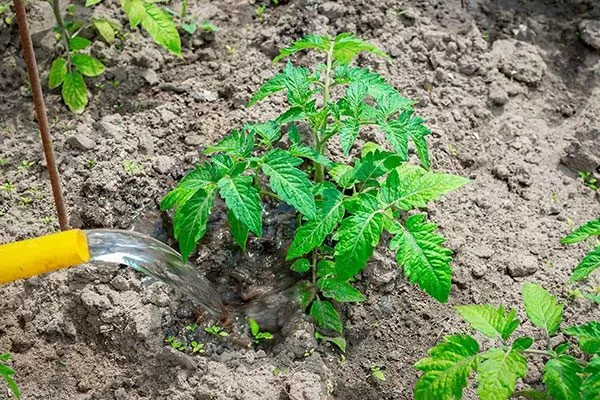
It's best to water tomatoes in the morning and evening. It's important to avoid water getting on the leaves, as this can cause sunburn. During the fruiting season, increase the amount and frequency of watering.
Top dressing
Before fruiting begins, it's recommended to feed tomatoes with organic matter, such as a solution of diluted mullein. In midsummer, you can use complex potassium-containing compounds, such as monopotassium phosphate, superphosphate, or potassium sulfate, diluting them in water according to the instructions.
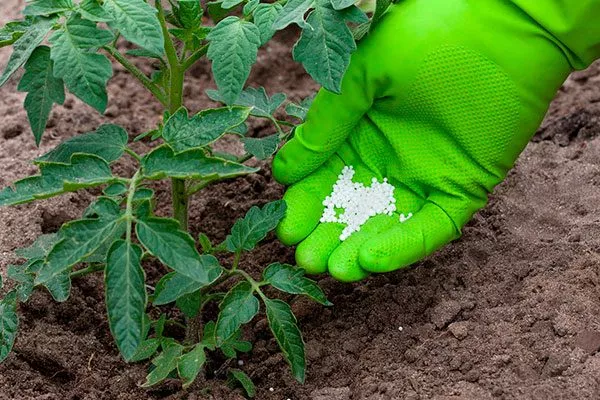
- The first feeding should be carried out 10 days after planting the seedlings, using a mullein solution.
- The second feeding should be carried out during the flowering period, using superphosphate.
- The third feeding should be carried out during the fruiting period, using potassium sulfate.
Folk remedies can also be used for fertilizing. A yeast infusion can be applied once a day; wood ash infusion and boric acid solution are also suitable. If the soil is poor, fertilize tomatoes every 10 days.
Loosening and weeding
It is advisable to loosen the soil after each watering; this provides oxygen access to the roots and allows the bushes to actively grow and develop.
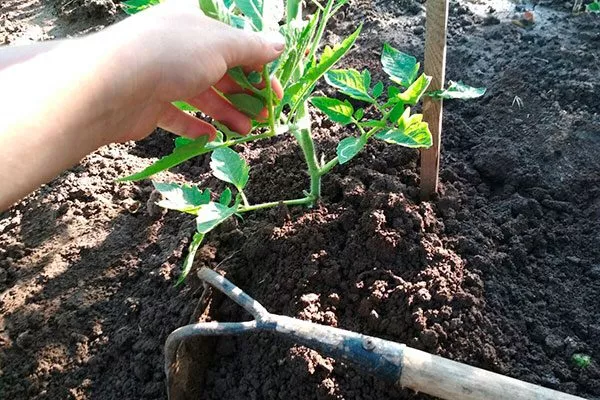
Along with loosening, weeding is carried out, which is especially important in the first stage of tomato cultivation - fast-growing weeds can choke out the plantings.
Mulching
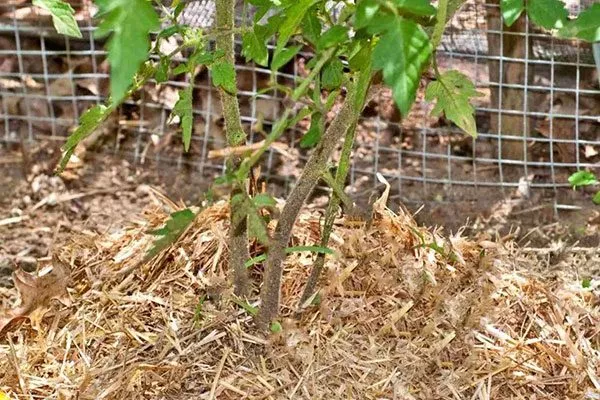
To slow water evaporation and weed growth, the soil in the beds is covered with mown grass or straw. This material does not compact and allows for good air circulation. Mulching reduces the frequency of watering, tilling, and weeding.
Shaping and garter
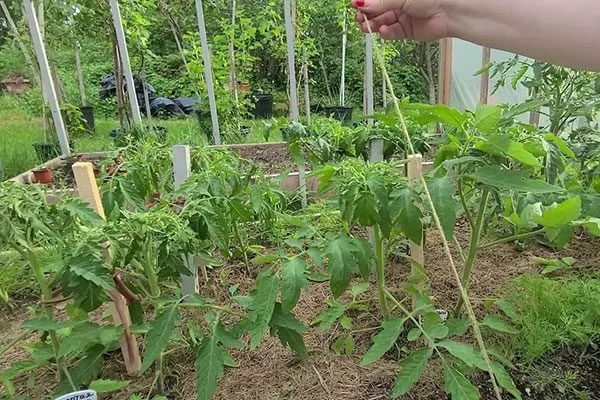
The hybrid is a determinate plant with a non-standard form and requires training. It also requires periodic pinching and shoring to supports, such as trellises. When training, leave 3-4 stems.
Diseases and pests
The Verochka hybrid is highly resistant to blossom-end rot. It is less resistant to diseases such as late blight, early blight, and tobacco mosaic virus, and can be susceptible to them under unfavorable conditions.
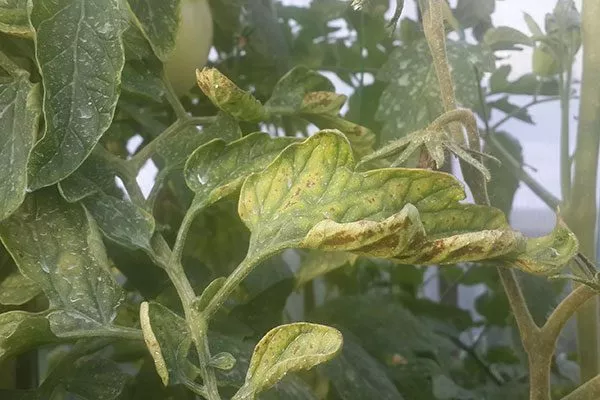
For treatment and prevention, use Fitosporin, Trichodermin, Alirin-B, or other fungicidal preparations. Folk remedies, such as spraying with whey, can also be used.
The most dangerous pest for the Verochka hybrid is whitefly, which can be controlled with Inta-Vir. In general, only biological pest control is recommended, as the variety is early ripening. Suitable products include Fitoverm and Bitoxibacillin. Tomatoes can also be treated with pepper or wormwood infusions.
How to harvest?
The Verochka hybrid produces fruit for a long time, lasting up to 1–1.5 months. Moreover, the fruits ripen evenly within a single cluster, so the tomatoes can be harvested in whole bunches.
Reviews
The Verochka tomato possesses all the qualities of a variety popular with gardeners. It successfully combines excellent characteristics, delicious flavor, and ease of cultivation.