
The Verna tomato is a versatile variety that combines good productivity, attractive appearance, and excellent flavor. Its firm, bright orange fruits are perfect for fresh salads, canning, and pickling. The compact plants require minimal space, and the tomatoes store well and transport well.
Description of the Verna variety
A Bulgarian indeterminate variety, developed for greenhouse cultivation and fresh consumption. Thanks to its excellent varietal characteristics, it is popular with both novice and experienced gardeners.
Characteristics of the variety
This mid-season variety produces its first fruits 100-110 days after germination. This variety boasts a long fruiting period, providing a harvest until early winter. Fully ripened tomatoes are harvested in late September. They are easy to pick from the vines and have a long shelf life.
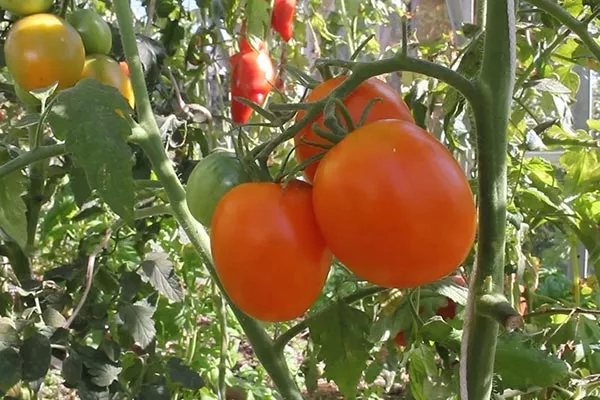
Features of appearance and taste
The bushes are medium-sized, reaching up to 1.2 m in height. Their compact shape makes them easy to grow even in small spaces.
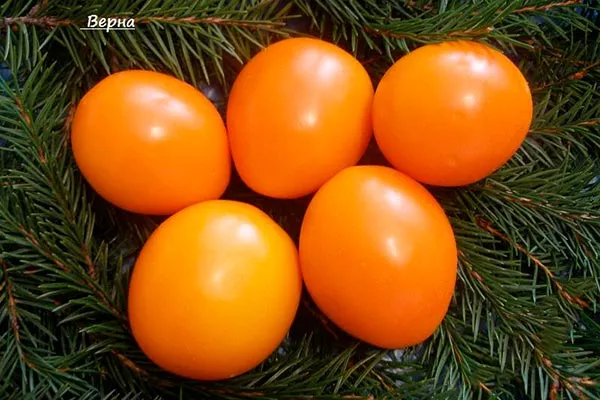
Distinguishing characteristics:
- The leaves are colored a rich dark green.
- The tomatoes are plum-shaped and have bright orange skin.
- The weight of each tomato reaches about 120 g.
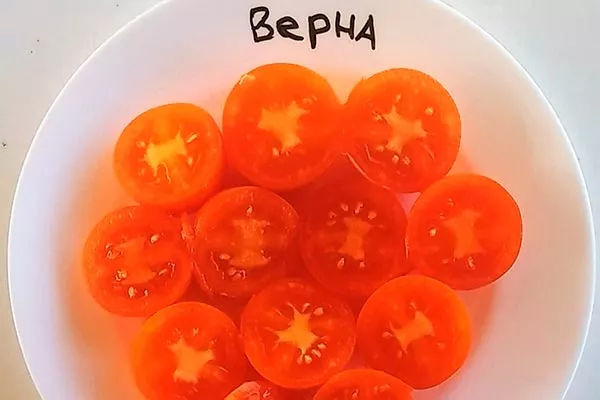
The taste of these vegetables deserves special attention. The bright orange flesh is juicy, sweet, and slightly tart. These tomatoes are ideal for eating fresh, adding to salads, and preparing various culinary dishes.
Planting Verna tomatoes
This crop is deservedly popular due to its high productivity and low maintenance requirements. To obtain a bountiful and high-quality harvest, it's important to approach every stage of cultivation correctly, from site preparation to planting.
Choosing a landing site
Choose areas sheltered from the wind and well-lit throughout the day. Light plays a key role in fruit development and flavor.
Follow these recommendations:
- If you plan to grow tomatoes in a greenhouse, choose a bed with good ventilation to avoid excess moisture, which can promote the development of fungal diseases.
- Follow crop rotation rules: do not plant seedlings after nightshade crops (potatoes, peppers, eggplants) to avoid the accumulation of pathogens in the soil.
Choose places where beans, cabbage, onions or carrots were previously grown.
Preparing soil and seeds for planting
The soil should be loose, fertile, and neutral in pH. Follow these important guidelines:
- In the fall, dig up the area for planting and add organic fertilizers – humus or compost.
- In spring, cultivate the soil, then add mineral substances: superphosphate, potassium salt or wood ash.
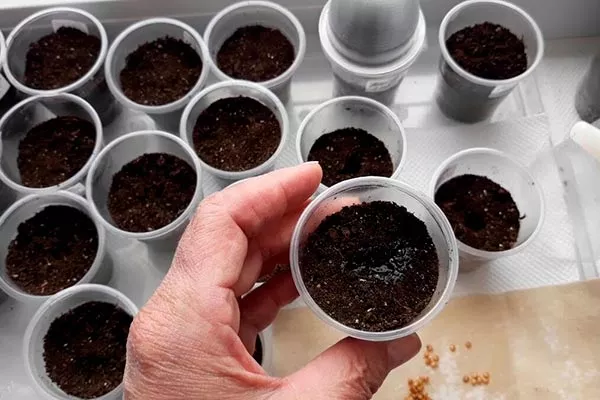
Prepare the seeds before planting: soak them in a weak solution of potassium permanganate for 20-30 minutes to disinfect, then rinse with clean water. To speed up germination, soak the seeds in a growth stimulant, such as Zircon or Epin.
Features of sowing and care
Sow seeds in containers or boxes with a prepared mixture of garden soil, peat, and sand in a ratio of 2:1:1. Important points:
- The seeding depth is 1-1.5 cm, with a distance between rows of about 5 cm.
- After sowing, moisten the soil with warm water, cover with film or glass and place in a warm place with a temperature of about +25°C.
- When the first shoots appear, remove the cover and move the boxes to a well-lit place, maintaining the temperature within +20°C.
- Water moderately to avoid overwatering.
- As the seedlings grow, provide them with 12-14 hours of daylight, using phytolamps if necessary.
- ✓ Optimum soil temperature for sowing seeds: +25°C until seedlings emerge, then decrease to +20°C.
- ✓ The need to use phytolamps to provide 12-14 hours of daylight in conditions of insufficient natural light.
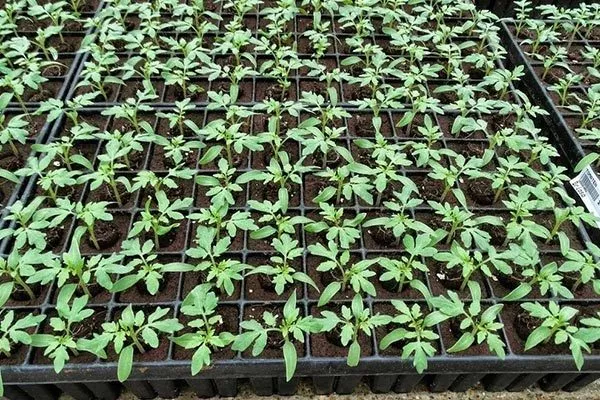
When the plants have 2-3 true leaves, transplant them into separate cups.
Transplanting seedlings
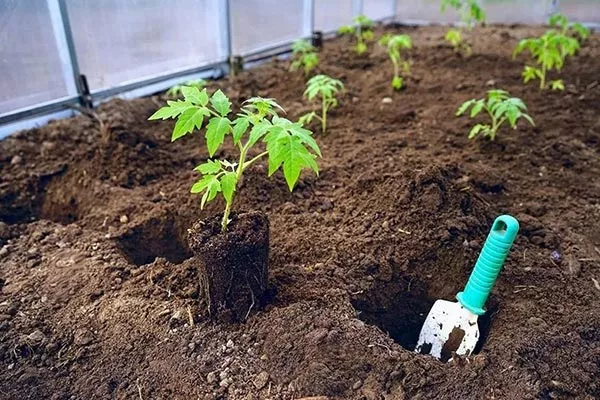
Transplant the seedlings to their permanent location 50-60 days after sowing, when they reach a height of 20-25 cm and have 5-7 strong leaves. Follow these guidelines:
- A week before transplanting, begin hardening off the seedlings: take them out into the fresh air, gradually increasing the time spent there.
- In the beds, dig holes 50-60 cm apart. Add a small amount of compost or wood ash to each hole, mixing it thoroughly with the soil.
- Plant the seedlings deep enough to reach the first true leaves to encourage the formation of additional roots.
Further cultivation
Crop care plays a key role in achieving a high-quality and abundant harvest. Regularly performing agricultural practices helps maintain plant health and stimulate fruiting.
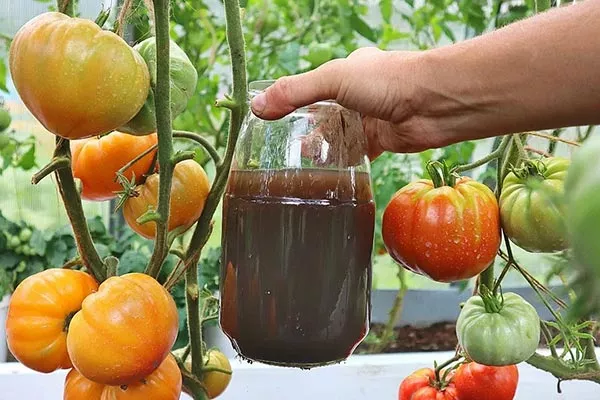
- ✓ Specific need for potassium fertilizers during flowering to improve fruit set.
- ✓ It is necessary to pinch the top 30–40 days before the end of the season to concentrate the plant’s energy on ripening the fruit.
Perform simple activities:
- Watering. Provide the bushes with regular and moderate moisture. During the rooting stage, water the seedlings every 2-3 days to keep the soil slightly moist. During the period of active growth and fruit formation, water every 5-7 days, depending on weather conditions.
Use only warm, settled water for watering. Pour it directly at the roots to avoid contact with the leaves and stems, which can cause fungal diseases. - Loosening and mulching. After each watering or rain, loosen the soil to improve oxygen access to the roots. This will prevent a hard crust from forming on the soil surface.
Mulching is an effective way to retain moisture and protect roots from overheating. Use straw, peat, rotted sawdust, or compost. - Fertilizers. Regular fertilizing is essential for healthy plant growth and development. 10-14 days after transplanting to their permanent location, add organic matter, such as an infusion of bird droppings or mullein.
During flowering, use potassium fertilizers and superphosphate to stimulate fruit set. During fruit formation, apply complex mineral fertilizers or wood ash infusion. - Formation of bushes. This procedure promotes productivity. Remove side shoots to prevent plants from wasting energy on excess greenery. Perform this procedure regularly, leaving 1-2 main stems.
Pinch the top at the late stages of growth (30–40 days before the end of the season) to stop the growth of the bush and concentrate its energy on ripening the fruit. - Garter. Since they grow up to 120 cm, they require support. Use trellises, stakes, or special netting. This will prevent the stems from breaking under the weight of the tomatoes and protect them from contact with wet soil.
Remove weeds regularly, as they draw nutrients from the soil and create a breeding ground for pests. As the plants grow, trim the lower leaves, especially if they begin to turn yellow. This will improve ventilation and reduce the risk of disease.
Pests and diseases
Verna tomatoes are resilient to adverse conditions, but if proper cultivation practices and care are not followed, they can be susceptible to disease and pest attacks. To maintain healthy plants and ensure a bountiful harvest, it's important to understand the main threats and how to combat them:
| Disease/Pest | Signs | Prevention and treatment |
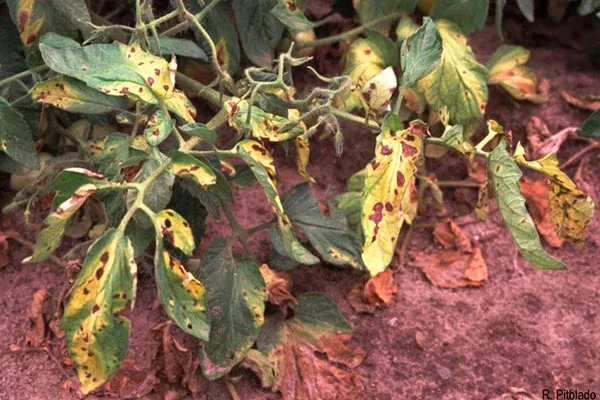
| Late blight | The appearance of dark spots on leaves, stems and fruits, gradual wilting. | Spray with Bordeaux mixture or Fitosporin or Trichodermin. Ensure good ventilation in the greenhouse and maintain a regular watering schedule. |
| Alternaria (dry spot) | Dark spots on the leaves that dry out over time. | Removing affected parts. Using fungicides Quadris or Skor. |
| Gray mold | The appearance of watery gray spots on stems and fruits. | Regularly loosen the soil to improve aeration. Treat plants with Topaz, Hom, or Ridomil Gold. |
| Mosaic | The appearance of light green and yellow spots on the leaves, resembling a mosaic pattern. | Destruction of infected plants. Seed treatment before planting and tool treatment. |
| Blackleg | Darkening and rotting of the base of the stem, wilting of seedlings. | Disinfect the soil before sowing. Water moderately and treat seedlings with a potassium permanganate solution. |
| Aphid | Curling and yellowing of leaves, presence of small insects on the back side. | Spraying with garlic or tobacco infusions or a soap solution. Using biological products, such as Actofit. |
| Whitefly | White flies on leaves and sticky coating. | Sticky tape traps. Insecticide treatment with Fufanon or Confidor. |
Disease and pest prevention:
- Practice crop rotation: do not plant tomatoes in the same place two years in a row.
- Remove weeds and fallen leaves regularly.
- Use healthy planting material and disinfect the soil.
- Water plants moderately, avoiding stagnant water.
- Carry out preventative spraying with biological preparations, for example, Fitosporin.
Proper care and timely protective measures will help maintain the health of Verna tomatoes and achieve a stable harvest.
Similar varieties
| Name | Ripening period | Disease resistance | Growth type |
|---|---|---|---|
| Pinocchio | Early | Average | Determinant |
| Bull's heart is orange | Average | High | Indeterminate |
| Yellow bun | Early | Low | Determinant |
| Golden Königsberg | Average | High | Indeterminate |
| Lemon-2 | Late | Average | Indeterminate |
There are varieties that resemble Verna in their external characteristics: yellow or orange skin, an elongated beak, or an elongated heart-shaped form. The following similar varieties are noted:
- Pinocchio;
- Bull's heart is orange;
- Yellow bun;
- Golden Königsberg;
- Lemon-2.
By planting several tomato varieties at once, you can maximize productivity and obtain abundant harvests.
Pros and cons
Thanks to its compact bushes, this variety is ideal for areas with limited space. The tomatoes are used in fresh and winter salads, pickling, and salting, both whole and in pieces. However, Verna is not suitable for making tomato juice or sauces.
Among the disadvantages, vegetable growers note average resistance to diseases, the maximum sweetness of tomatoes only at the end of the season, and the need to shape and tie up the bushes.
Reviews
The Verna tomato is deservedly popular due to its combination of low maintenance, flavor, and high yield. Its firm flesh, resistance to cracking, and the ability to harvest seeds make it ideal for a home garden. This variety is the best choice for producing delicious and beautiful fruits that will grace any table.