
Verlioka is a variety that will become a true friend for gardening enthusiasts. This hybrid requires little care, promises a good harvest, is disease-resistant, and produces delicious fruit. Verlioka F1 is a hybrid variety, so saving seeds for the next season is pointless—you'll have to buy new seeds every year from specialty stores.
Origin and unique properties
The Verlioka tomato was developed through the efforts of two breeding companies, Gavrish and Tomagros, which registered it in the State Register in 1990. The hybrid is distinguished by its determinate growth pattern and cluster-shaped fruit arrangement, making it suitable for both open- and closed-field cultivation.
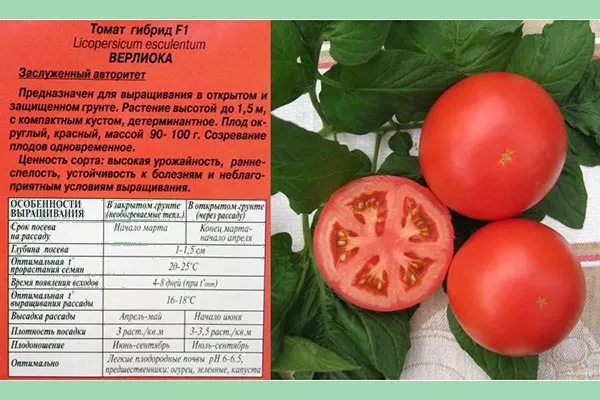
Special varietal characteristics:
- The fruits are versatile in use and are characterized by uniform ripening, giving them an attractive appearance that lasts for a long time.
- Tomatoes can be picked when they are technically ripe – they will ripen during transportation without losing their flavor.
- To optimize the harvest, it is recommended to trim the bush to one main shoot and remove excess side shoots.
There's another subvariety—Verlioka Plus. It's an improved version of the classic Verlioka variety. These tomatoes share similar varietal characteristics, but there are some differences:
- plus it has a smaller height - from 100 to 150 cm, while Verlioka reaches 180 cm and even a little higher;
- plus it ripens much faster;
- The fruits of the plus are larger and juicier.
Description of the bush and fruits
Determinate tomato plants are characterized by bushes around 150-160 cm tall, which do not increase in height after a certain period of development. Occasionally, specimens up to 200 cm tall are found.
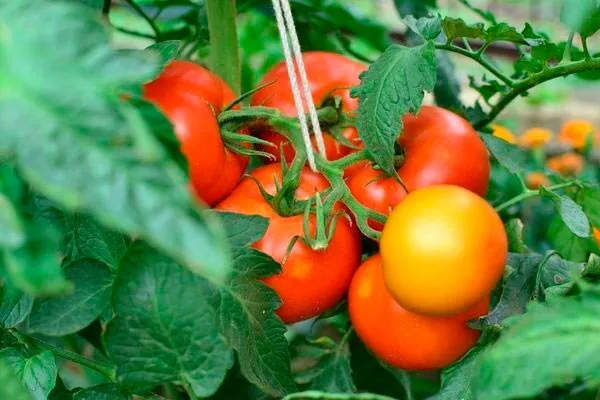
Key features of this culture include:
- The bush has the following description:
- stems of medium thickness with a little fluff;
- semi-spreading crown with moderate foliage;
- The flower stalks are small, yellow in color, and have a tomato aroma.
- The fruits are medium-sized, weighing 80 to 90 grams, with a round shape and a slightly ribbed texture. The skin is red, firm, and does not crack when ripe.
- Verlioka tomatoes are distinguished by the fact that flower buds and fruits form simultaneously and reach maturity almost simultaneously, which significantly facilitates the harvesting process.
- The fruit sizes of this variety are similar, making them ideal for canning.
- Each branch usually bears 5 to 10 tomatoes.
- The pulp is characterized by a high juice content, but not too watery, and has a soft and delicate flavor. Inside are small seed chambers with a small number of small, empty seeds.
Key characteristics of the variety
The vibrant red color is not only pleasing to the eye but also indicates the presence of beneficial substances, such as lycopene, known for its antioxidant properties. But this isn't the only important factor for gardeners—before planting, it's important to study the fruiting characteristics and ripening times.
Taste and uses of tomatoes
The variety's flavor profile is average, with no particularly distinctive characteristics. The tomatoes have a rich, slightly sweet flavor with a hint of acidity.
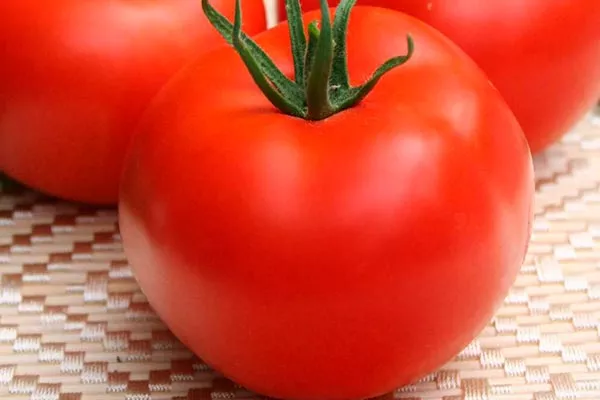
From a culinary perspective, the variety is versatile. The fruits can be:
- eat raw;
- use for stuffing;
- use to create salads, hot dishes, sauces and juices, soups, appetizers;
- Thanks to their thick skin and even shape, tomatoes are ideal for pickling or marinating.
The mineral content of these tomatoes makes them suitable for dietary recipes. Their flavor pairs beautifully with meat, spaghetti, other vegetables, and grains, making them suitable for steaming, frying, stewing, and freezing.
Ripening, fruiting and productivity
By using proper care and following agricultural recommendations, you can achieve high yields from the Verlioka F1 tomato. Each plant yields 5 to 7 kg of fruit. A 1-square-meter area can yield up to 20-25 kg of tomatoes.
The Verlioka hybrid is an early-ripening variety, fully ripening within 101-105 days. This tomato is characterized by its simultaneous fruiting, where the fruits form and reach maturity at the same time, without a second bloom.
Regionalism
Growing this tomato variety is recommended primarily in greenhouses. If planting it in an open garden, keep in mind that this is only possible in regions with a relatively warm climate. Verlioka will thrive and produce high yields particularly well in the following regions:
- Northern;
- Ural;
- Central;
- Northwestern;
- Volga-Vyatka;
- Central Black Earth Region;
- West Siberian;
- North Caucasian;
- Middle Volga;
- Lower Volga;
- East Siberian;
- Far Eastern.
Sowing tomato seeds for seedlings
A healthy, vigorous seedbed with strong roots and sturdy stems guarantees a bountiful harvest, which will ripen faster under proper growing conditions than with the standard seed-sowing method. This approach is especially suitable for our temperate climate.
Optimal timing and preparation of seeds
Since Verlioka tomatoes from greenhouses ripen early, the ideal time to begin growing seedlings is the last days of February. This will give the plants ample time to develop their root system and strengthen their roots.
- ✓ The optimal soil temperature for seed germination should be at least 23°C.
- ✓ To prevent fungal diseases, it is necessary to ensure good air circulation in the greenhouse.
Seed preparation:
- Before planting tomato seeds, you should soak them in any growth accelerator solution for several hours.
- Before sowing, it is recommended to treat with fungicides to protect against fungal diseases.
- To stimulate the variety's immunity, it is advisable to treat the seed material with a weak solution of potassium permanganate, then rinse it in plain water and dry it.
Soil for growing seedlings and containers
When planting tomatoes in pots, it's best to use a uniform mixture of peat, compost, and leaf mold. If leaf mold is unavailable, you can substitute it with a fertile layer of black soil.
Many experts consider the method of growing seeds in boxes to be outdated. Today, many gardening stores offer special peat pellets. Their advantages include not only ease of use but also:
- in the high nutritional value of the substrate;
- ease of sowing and subsequent transplantation of plants;
- Seedlings grown in this way do not require picking and can be transferred to a permanent location without damage.
How to sow seeds?
Verlioka doesn't stand out among other hybrid varieties in terms of cultivation. It's important to carefully prepare the seeds and soil in advance. Then, the choice of germination method depends on your preference—either standard or using peat pellets:
- If you're using the latter option, place the tablets in plastic containers and water them generously. Once they've swollen, begin sowing. Tomato seeds should be planted to a depth of 1.5 cm. Sow several seeds in each container.
Then the tablet is sprayed with a little water again and the glass is closed with another, smaller container. - If you're using potting soil in a container, moisten it first and gently compact it with your palm. Once all the prep work is complete, plant the seeds 3 cm apart. Add a light layer of soil (about 1.5-2 cm) and lightly compact it.
After this, water the plant using a spray bottle, cover with glass or wrap with plastic film.
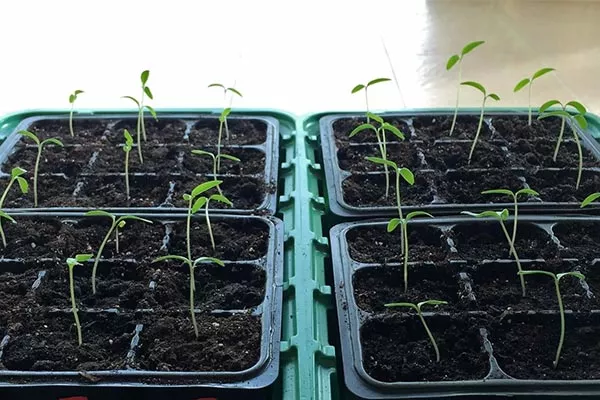
Care and conditions for germination
Regardless of the sowing method, in order for the seeds to germinate at the right time, they definitely need certain conditions: warmth and exclusion of light:
- At the initial stage, when the seeds are just beginning to germinate, it is necessary to place the container with soil in a shaded place with a temperature of at least 23 degrees.
- Once the first green shoots appear, you can move the seedlings to a cooler location. This is done to strengthen the young shoots and prevent them from maturing prematurely. Young plants should be kept at room temperature.
- Lighting also plays an important role in seed germination – it should be provided when the first green shoots begin to appear.
- Experienced gardeners recommend avoiding placing the seed tray on a windowsill, as the cold glass surface can interfere with germination. To avoid this, place the container on a small stand, preferably made of foam.
- Overwatering seedlings can lead to a lack of oxygen, which in turn causes the root system to die off and the soil to become acidic.
- The first fertilization is timed when the first cotyledon leaves appear. Use specialized fertilizers.
Picking
The process of dividing seedlings into individual containers occurs after the first two leaves appear, but many gardeners prefer to wait until four leaves have formed. These plants tolerate transplanting more easily.
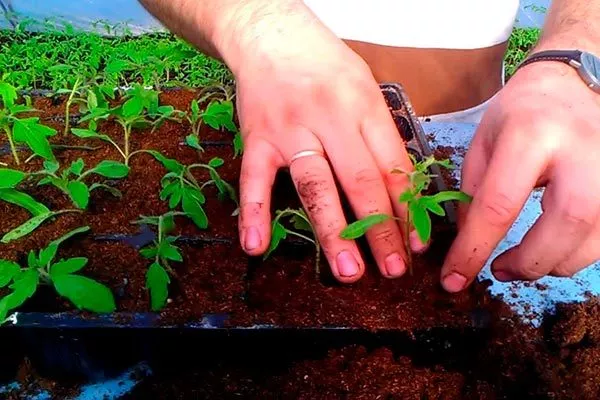
You shouldn’t delay this moment; at the age of 20 days, young shoots are ready to be moved to the greenhouse/garden.
Peculiarities:
- Transplantation begins with thoroughly moistening the bed in the container.
- When the soil is well saturated with water and the stems can be easily removed, they are carefully transferred to pre-prepared containers, while preserving the soil around the roots.
- After transplanting, the plants are watered and covered with freshly prepared soil mixture.
- They are then returned to a light windowsill for further growth.
Location
The ideal spot for healthy tomato seedling development is a south- or southeast-facing window, where warmth and abundant light prevail. During periods of intense sun, lightly cover the windows with curtains to protect the young leaves from overheating and drying out. Mature tomatoes require continuous light for 12-15 hours a day.
Other recommendations:
- If the window sill is facing north, it is necessary to equip it with additional lamps for daylight illumination.
- Insufficient light can lead to excessive stem elongation, thinning, and brittleness. To optimize light absorption, many experienced gardeners use reflectors on glass.
- It's important to maintain a stable temperature in the room where tomatoes are growing. Too low a temperature can stunt seedling development, while too high a temperature can cause them to dry out due to lack of moisture.
Therefore, the optimal temperature for growing tomato seedlings is 19-22 degrees.
Watering, fertilizing and hardening
When growing tomatoes, it's important to maintain moderate moisture. Overwatering can lead to root rot in seedlings, while insufficient watering can cause them to dry out. Determining the optimal moisture level involves monitoring the condition of the substrate in the container.
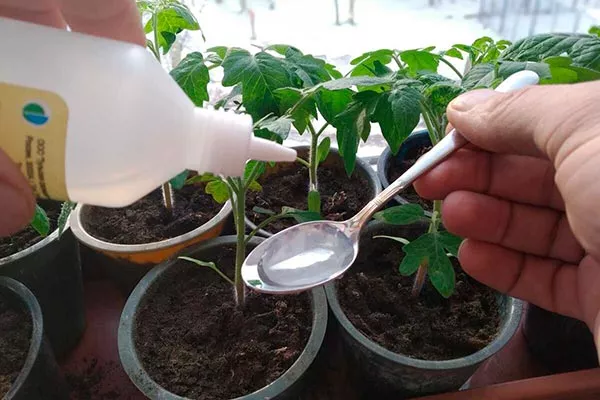
The diet includes the following:
- The initial feeding is carried out after the first pair of leaves appear. Nitrogen fertilizers and mineral complexes for flowers, such as Uniflor Bud and Kemira, are excellent choices.
- The next procedure is performed two weeks after the seedlings have been transplanted. During this period, it is recommended to use an aqueous solution of nitrophoska.
- After another two weeks, the third feeding follows; this time, the composition of the fertilizer will depend on the plants themselves:
- if the stems are growing poorly, Superphosphate will help them;
- If the leaves turn yellow, nitrogen will restore their health;
- If the sprouts look weak, eliminate iron supplements;
- If the leaf veins are covered with an unusual purple color, use phosphorus;
- If there is none of these signals, your sprouts will be satisfied with the Effecton solution.
Before transplanting, hardening off the seedlings is essential, even if you plan to grow them in a greenhouse. This will strengthen the stems and oxygenate the roots. These seedlings will easily survive the transplant and quickly adapt to the new conditions.
How and what to do:
- Place the containers on the balcony or outside. Initially, it's best to do this in the afternoon, when the temperature is already warm enough.
- At first it takes a couple of hours, and then the time can be gradually increased.
- Be careful with sudden temperature changes: +8°C is considered acceptable for hardening off tomato seedlings.
Planting Verlioka tomato seedlings
Transplanting into a greenhouse or under plastic is the next step. Therefore, it's important to understand how to choose the right time for this and what conditions are necessary for the successful growth of the crop.
Optimal timing and choice of location for planting
Plants should be transferred to new conditions when daytime temperatures exceed 22°C (72°F) and nighttime temperatures do not drop below 17°C (63°F), which typically occurs in the second ten days of May. Seedlings that are 20-30 days old are ideal for transplanting under plastic or glass greenhouses, provided the weather is consistently favorable.
Ideal place for growing tomatoes:
- It should have sufficient light and minimal shade from surrounding plants. Good air circulation is essential in the greenhouse.
- When choosing open ground for planting, avoid low-lying areas where cold air and moisture accumulate. Such locations are unfavorable for tomatoes, as they are susceptible to late blight and rot.
- Plants require plenty of light and warmth, as well as well-drained, weed-free and nutritious soil.
- Before planting, the soil is often enriched with a mixture of equal parts compost, turf, peat, charcoal, and river sand. In some cases, a solution of three parts superphosphate, equal parts urea, and potassium sulfate, dissolved in water, is used.
Good and bad predecessors
Ideal companion plants for tomatoes in the garden include cabbage, cucumbers, onions, legumes, and green vegetables. However, avoid growing tomatoes consecutively after potatoes, tomatillos, peppers, and eggplants. Crops that promote tomato growth include:
- pumpkin;
- cabbage;
- legumes;
- roots;
- onion.
If you grew nightshade crops (peppers, eggplants, potatoes) in your garden last year, you should wait at least three years before planting tomatoes in that spot.
Optimal scheme
Under the protection of a greenhouse, the ideal planting option for heat-loving Verlioka is a 2-3-row arrangement with row spacing of 50-60 cm. Keep in mind that the bushes should not obscure each other, so the distance between them should be at least 40 cm.
Some gardeners, seeking an earlier harvest, increase the planting density, leaving about 10 plants per square meter. In this case, no more than three flowers are left on each stem.
Other vegetable growers prefer a two-row planting system with wide aisles. This technique places the tomato plants in a staggered pattern, spaced 70-80 cm apart, allowing each tomato plant to receive equal amounts of light and heat. Furthermore, wide aisles allow for the safe installation of irrigation systems without damaging the crops.
Plant care
Key factors determining the growth and development of tomato crops include optimal humidity, thermal comfort, and nutrient availability. For the Verlioka tomato variety, in particular, pinching out side shoots at all stages of plant growth is critical.
Watering and weeding the soil
Ensuring adequate moisture and regular soil cultivation play a crucial role in maintaining healthy foliage, juicy fruit, and overall performance. To avoid plant health issues and determine optimal moisture requirements, it's important to consider weather conditions.
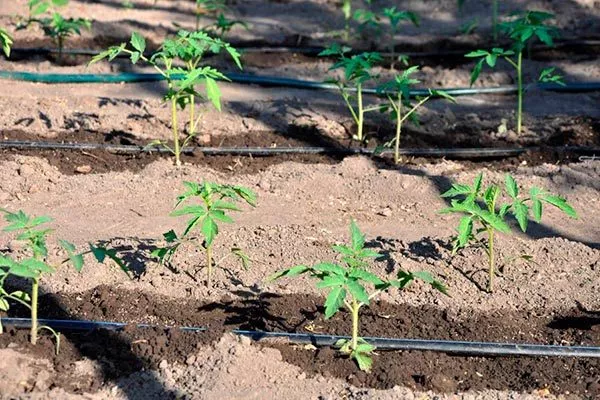
There are also other rules:
- For the first two weeks after planting, the seedlings require daily watering. To do this, dig a small hole around each bush.
- Each plant should be given 3-5 liters of warm water. Watering should be postponed during rainy or cloudy weather, as excess moisture and lack of air promote the development of fungal pathogens.
- It is necessary to avoid moistening the bushes during the daytime; it is preferable to choose the evening for this procedure.
- After each watering, it is extremely important to aerate the soil and remove weeds so that they do not shade the seedlings and prevent a crust from forming on the surface of the soil.
Fertilizing tomato bushes
To properly feed tomatoes throughout their growth, it's important to consider the individual plant characteristics and soil conditions. General requirements:
- During the initial period, when plants are actively developing, it's advisable to use nitrogen-based solutions. These can be made from mullein or chicken manure infusions, and nitrophoska can be added to enhance the effect.
- As tomatoes grow, it's important to remove nitrate buildup. For this purpose, phosphorus-potassium mixtures are recommended. One option is a mixture of wood ash, bird droppings, potassium sulfate, and superphosphate.
- During the flowering period, tomatoes need to be provided with a sufficient amount of boron and magnesium, so agronomists recommend watering with boric acid at the beginning of budding and repeating it after two weeks.
- Potassium chloride should not be used as a fertilizer, as chlorine is harmful to nightshade plants.
Formation of stems, pinching out side shoots and tying up
To retain soil moisture and provide plants with essential nutrients, experts recommend mulching between rows. Buckwheat hulls, sawdust, straw, or hay are all suitable options.
Other events:
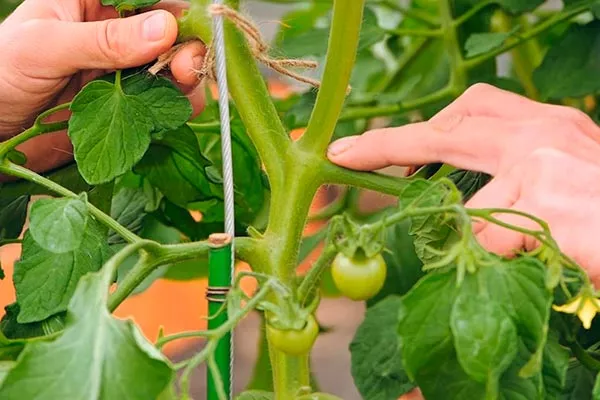
- One of Verlioka's characteristics is its vigorous growth and extensive branching structure. Mature bushes can reach two meters in height, so to prevent damage, it is recommended to use wooden or plastic stakes for support.
For tying, it's best to use a soft fabric that won't damage the stems. Some gardeners prefer to secure the stems to a horizontal beam, which also ensures uniform light distribution and proper growth. - A key requirement for early-ripening hybrids is regular reorientation of the bush's growth from the central stem to the laterals. Pinching is usually done above the fourth inflorescence, leaving a couple of leaves in this area to protect the fruit from burning and discoloration.
Some gardeners recommend removing the lower leaves before the first set of fruit.
Features of cultivation and possible difficulties
The main difficulty in caring for the bushes is the process of pinching out the side shoots and regularly removing the leaves. When the fruits begin to approach maturity, it's important to completely clear the plants of foliage down to the level where the vegetables are located.
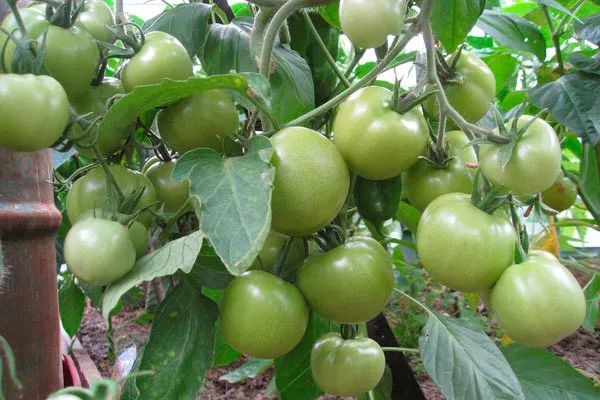
This should be done gradually to allow the plants to adapt to the changes. It's recommended to trim one or two leaves daily to make room for the fruit to ripen.
Fruit harvesting and storage
The harvest period continues until early autumn, that is, until September. To preserve their flavor and attractive appearance, vegetables should be harvested in dry weather.
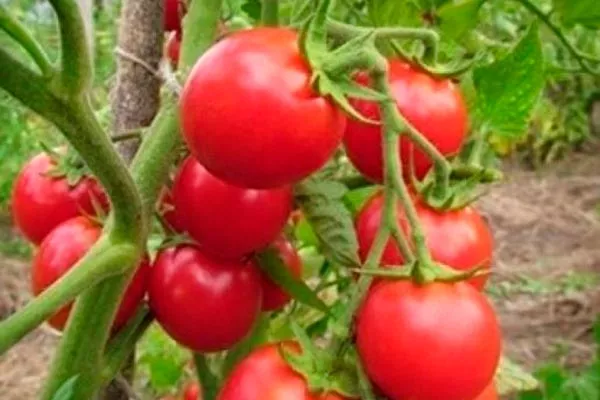
When choosing a storage location for tomatoes, choose cool, but not freezing, conditions to prevent hypothermia and subsequent rotting. The best solution is to use wooden crates, stacking the tomatoes in a single layer to prevent them from squashing.
Treatment and prevention of diseases and pests
The Verlioka F1 tomato boasts a high level of immunity typical of hybrid crops, making it resistant to the most common nightshade diseases, including late blight, fusarium, cladosporiosis, and mosaic. However, this doesn't relieve the grower of the need to care for the plants:
- water the tomatoes carefully to avoid washing away the soil near the base of the stems;
- don't forget to loosen and weed the soil, which is the key to success;
- remove weeds without leaving them in the greenhouse;
- trim off excess shoots and loose leaves from time to time;
- Ventilate the area where you grow tomatoes.
Pros and cons
The Verlioka tomato crop has a unique set of advantages and disadvantages typical of hybrid varieties.
With proper care and a careful approach to cultivation, these shortcomings can be overcome to obtain a rich harvest with minimal effort.
Reviews
The Verlioka variety is popular with gardening enthusiasts due to its ease of cultivation and disease resistance. Its culinary qualities are also commendable – it's suitable for use in a variety of dishes.