
Your Honor tomatoes are round and large, so a few are often enough to make a hearty salad. Their distinctive features include their fleshy flesh and thick skin, making them resistant to mechanical damage and promoting long-term storage. They are easy to care for.
Origin and regionality
The variety was developed by breeders at the Siberian Garden agricultural firm. It quickly gained popularity thanks to its excellent-tasting tomatoes, but was not registered in the State Register.
At the same time, the agricultural firm "Partner" developed and officially registered a cherry tomato hybrid with the same name. Now, if "Sibirsky Sad" decides to submit an application to the State Commission for Variety Testing, the company will have to come up with a new name for the crop, as duplicating names within a single variety is prohibited.
The "Your Honor" tomato is recommended for greenhouse cultivation, but in favorable climates, it can be successfully grown in garden beds. This variety thrives in the following regions:
- Siberia and the Urals – adapted to cool conditions and short summers.
- Central region of Russia – Suitable for growing in greenhouses, especially in case of unstable spring.
- Southern regions of the country (Krasnodar Krai, Rostov Oblast, Stavropol Krai) – cultivation in open ground is permitted due to the warm climate.
- Central Russia – when using greenhouses or temporary shelter.
Characteristic features
Gardeners who have already grown the "Your Honor" tomato will immediately include it on their list of must-plants for the new season. It's important to carefully study its characteristics and positive qualities.
Description of the bush
This is a determinate variety. Plants reach 1.2-1.4 m in height. At the seedling stage, they appear strong and stocky. They are compact and of medium vigor, but require staking.
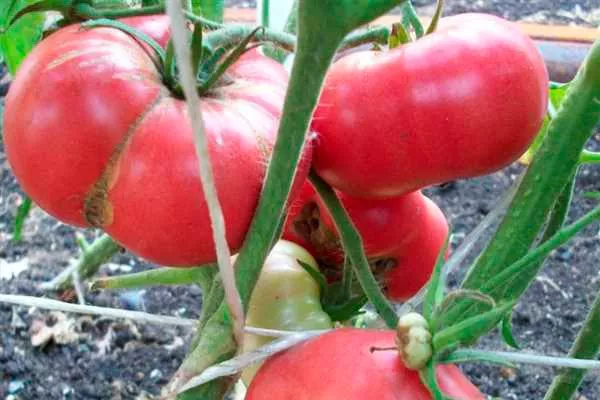
The shoots are covered with light green leaves of the normal type. They are long, with small, widely spaced segments. The plant has a moderate tendency to form side shoots. The racemes are simple, and the peduncles are jointed.
Main qualities of fruits
Tomatoes have a round, slightly flattened shape. They also attract attention with other characteristics:
- The skin is dense and strong, resistant to cracking even when fully ripe.
- The weight of one vegetable varies from 300 to 450 g, but with good care it can increase significantly.
- The largest tomatoes are formed on the first branch, and the ones on the upper brushes are smaller.
Taste characteristics
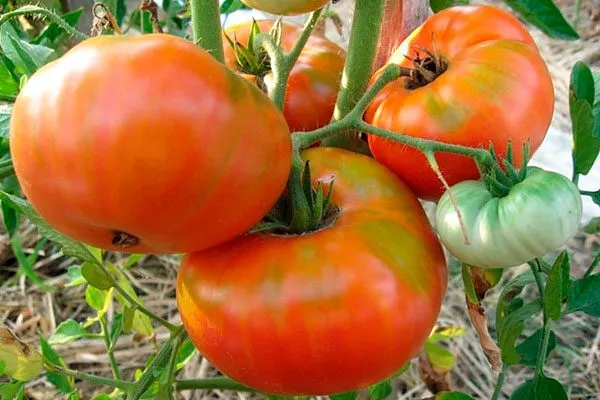
When cut, the vegetable reveals tender, dense flesh with a sugary texture and a deep red color. The fruits are of excellent quality and rich in vitamins and microelements. Therefore, tomatoes are recommended not only for culinary use but also for cosmetic procedures.
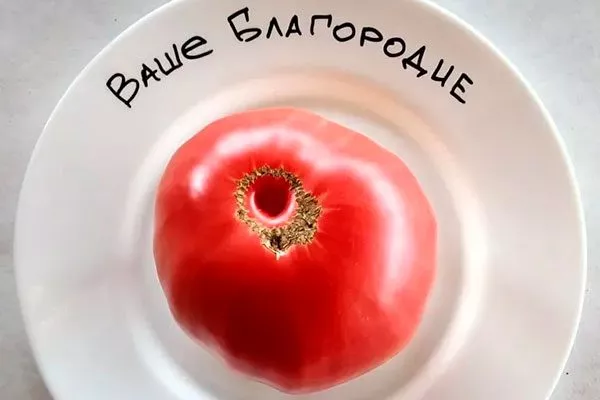
The tomatoes have a rich, vibrant flavor, with a characteristic sweetness that lingers even when fully ripe. Their intense aroma underscores their high quality.
Scope of use
When ripe, the "Your Nobility" variety acquires a pink hue. Outdoor harvests last until the first frost, while greenhouses offer a slightly longer fruiting period. These tomatoes are versatile in their use:
- Suitable for fresh consumption.
- Ideal as an ingredient for hot dishes and stewing meat.
- Ideal for processing into juice, ketchup and other products.
Due to the large size of the fruits of this variety, they are not suitable for whole canning and salting.
Ripening and fruiting, yield
This early-ripening variety takes 95-100 days to ripen. Characteristic features of the crop:
- The main ripening period is June-July, but the timing may shift slightly depending on the region and weather conditions.
- This variety is highly productive, provided the proper cultivation practices are met. A single bush can produce up to 6 kg of fruit, equivalent to about a bucket or slightly more. The yield per square meter reaches 16-17 kg.
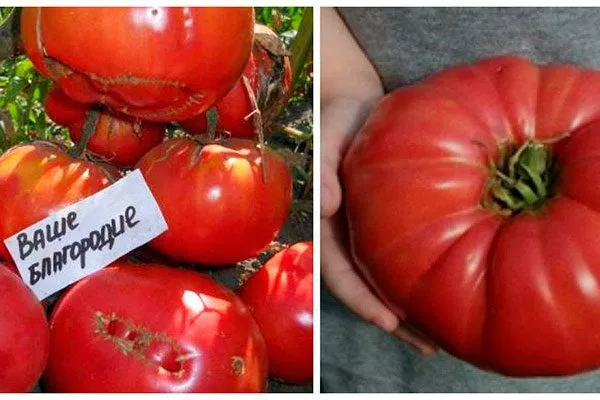
The cultivar ripens well both in open ground and in a greenhouse, showing good results in both growing options.
Landing features
Growing the "Your Honor" tomato variety is easy, but to ensure a high yield, it's important to follow basic farming practices. Planting is done by placing the seedlings in the ground.
Planting dates
To ensure timely germination of seeds, plant them two months before you plan to plant them in your garden. Prepare the soil for the seedlings in advance, in the fall, or use a ready-made commercial soil mix. A homemade soil mix of turf, humus, and peat works well.
- ✓ Optimum soil temperature for planting seedlings: not lower than +16°C at night and +22°C during the day.
- ✓ Seed planting depth: 8 mm, followed by moistening with a spray bottle.
Helpful tips:
- Before planting, treat the planting material with a solution of potassium permanganate or a growth stimulator.
- Sow the seeds in containers, planting them 1.5 cm deep. After planting, moisten the seeds with room temperature water and cover with plastic wrap, removing it only after the shoots emerge.
- Keep the seedling containers in a warm place. When the second true leaves appear, transplant the plants into individual pots. This promotes the development of a strong and healthy root system.
- To ensure proper seedling growth, provide high-quality lighting. Extend daylight hours to 16 hours to help tomatoes mature faster.
- Water the seedlings moderately, avoiding overwatering, as this can cause disease or death of the seedlings.
Sowing seeds
Pre-soak the seeds in water at 53°C (131°F) for 30 minutes, then rinse with cold water to stop the heat treatment. Treat the seeds with a fungicide and growth stimulant.
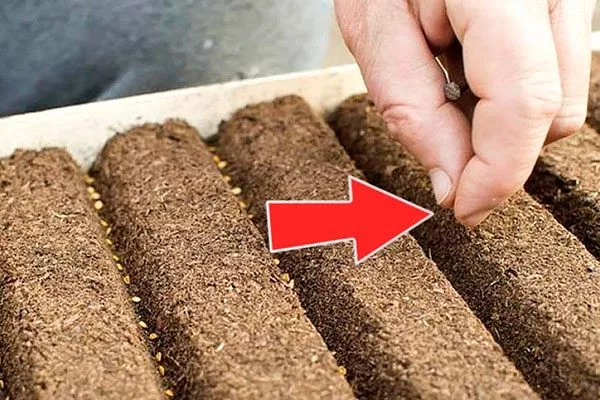
Plant the seeds at a depth of about 8 mm, moisten the soil with warm water using a spray bottle, and cover with glass or plastic to create a greenhouse effect. Germinate at a temperature of 23-25°C with daily ventilation.
Growing seedlings
When the seedlings develop a second leaf, transplant them into separate containers to strengthen their root system. Ensure suitable conditions:
- To ensure that seedlings develop quickly and form strong plants, provide lighting, increasing daylight hours to 16 hours.
- Follow watering guidelines, as over-watering the soil can lead to the development of diseases and even the death of the bushes.
- Hardening off is an important step in growing seedlings, as it helps them adapt to temperature fluctuations and other adverse conditions. Place the containers on a glassed-in balcony (at a temperature of at least 15°C) or open the windows indoors for 15-20 minutes a day.
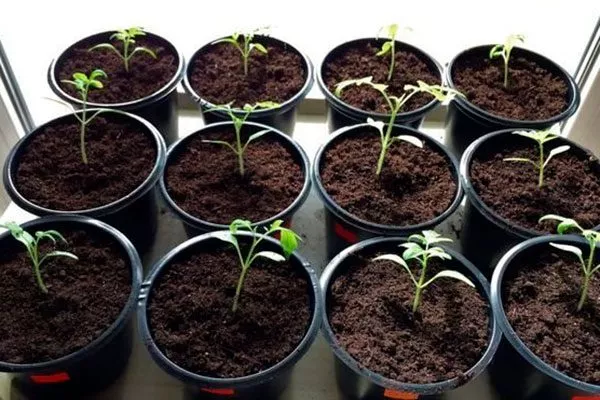
A few days before planting, leave the seedlings in the area where they will grow for a full day.
Planting in open ground
Transplant the seedlings to their permanent location when 5-6 true leaves appear and the danger of frost has passed. Space no more than 5 plants per square meter (40x50 cm).
Follow the rules:
- For normal growth of tomatoes, the optimal temperature is +16-18°C at night and +22-24°C during the day.
- During the first few days, cover the plants with film at night, as they are sensitive to temperature changes.
For the Your Nobility variety, grown in open ground, choose a sunny location protected from the wind.
Subtleties of agricultural technology
The "Your Honor" tomato is a large-fruited variety that requires regular watering. Insufficient moisture can cause the fruits to crack, despite their thick skin. This plant requires adequate irrigation. Avoid allowing the soil to dry out.
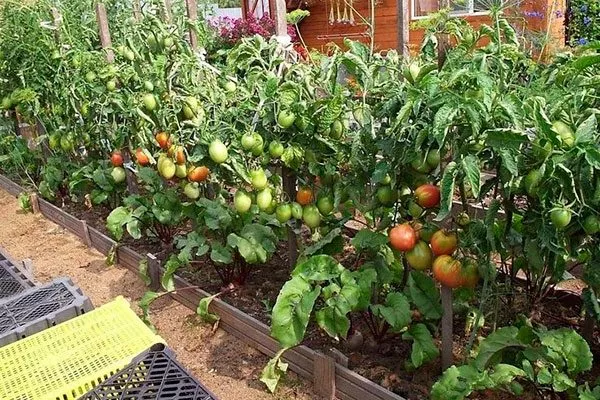
Apply fertilizer at least three times per season, unless the fertilizer instructions specify a different schedule:
- 10-14 days after planting.
- When the second flower cluster forms on the bushes.
- When the ovaries appear.
In greenhouses, train plants with two stems. If you want tomatoes weighing around 1 kg, leave only the central stem and thin out the ovaries. Prune out the side shoots only to the first cluster. This will help reduce damage from blossom-end rot, but will also result in smaller fruits.
Staking the plants is essential. Once the vegetables begin to fill out, carefully trim the leaves—no more than 2-3 per week. Further care consists of loosening the soil, weeding, and regular harvesting.
Resistance to diseases and pests, control and protection
Your lord has a strong immune system, but if not properly cared for or exposed to unfavorable conditions, it can be susceptible to certain problems. Here are the main ones and how to combat them:
- Late blight (peronospora). One of the most common and dangerous diseases, it can affect all areas of the plant. It manifests as brown spots on the leaves and rotted tomatoes.
Use fungicides such as Topaz, Fitosporin, or Ridomil Gold. For prevention, treat plants before flowering and every 10-14 days. - Verticillium wilt. This is a fungal infection that causes leaf wilting and root damage. Affected plants may die. Apply copper-based or copper-sulfur-based fungicides, such as Bordeaux mixture. Avoid planting tomatoes in the same location for more than three years in a row.
- Blossom-end rot. This disease is associated with calcium deficiency and often develops with uneven watering. Irrigate the soil properly, avoiding drought and overwatering. Calcium supplementation, such as lime or calcium fertilizer, will help prevent rot.
- Powdery mildew. White powdery spots on leaves that can lead to wilting. Use Topsin fungicide. Apply preventative treatment before the first symptoms appear.
- Aphid. These are small insects that suck the sap from leaves, slowing plant growth and causing them to wilt. Insecticides such as Aktara or Calypso are effective against these pests. Folk remedies such as garlic or tobacco infusions can also help.
- Colorado beetle. A pest that attacks tomato leaves and stems. Remove the pests by hand, or use chemicals such as Confidor or Maxim. Set traps for prevention.
- Mole cricket. This is a major pest that damages roots, leading to their death. Poisons, such as Groza, can help control mole crickets. Additionally, install special traps for the pests or use diatomaceous earth-based products.
- Spider mite. These are small pests that web the leaves and suck out their sap. Treat the plants with acaricides such as Aktara or Neoron. Spraying the leaves with a soap solution is also effective.
| Disease | Methods of control | Period of activity |
|---|---|---|
| Phytophthora | Fungicides (Topaz, Fitosporin) | June-August |
| Verticillium wilt | Bordeaux mixture | All season |
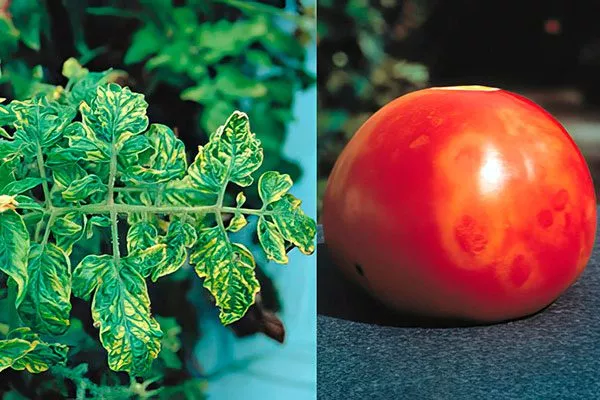
To prevent diseases and pest infestations, practice crop rotation, keep the greenhouse clean, promptly remove damaged bushes, and create optimal conditions for tomato growth.
Pros and cons
Your Excellency has excellent taste, but has some shortcomings in terms of commercial characteristics. It's important to study these to prevent potential problems.
Advantages of culture:
- Large fruit size – You can grow giant tomatoes weighing up to 1 kg.
- High yield – excellent results if agricultural practices are followed.
- Compact bushes – convenient for placement in a limited area.
- Strong skin - helps prevent cracking.
- Fleshy pulp with a delicate texture and excellent taste.
- Good resistance to cracking for the beef variety.
- Versatility – Tomatoes are great for fresh salads, sauces, pastes and juices.
- Possibility of pinching out stepsons – until the first flower cluster in open ground.
- Obtaining your own seed material – The seeds are collected independently for future sowing.
Gardeners note the crop's shortcomings as average disease resistance, poor shelf life, and poor transportability. Furthermore, the crop is prone to blossom-end rot, and the tomatoes have tough skin.
Reviews
Your Honor is an excellent choice for those who appreciate large, fleshy tomatoes with excellent flavor. With proper cultivation techniques and plant structure, you can harvest good yields of high-quality tomatoes. Despite some shortcomings, this variety has many positive qualities.