
The Ural tomato is a hybrid bred for greenhouse cultivation with excellent tolerance to extreme climatic conditions. It is characterized by high yields, large fruits, and excellent flavor. It is resistant to common diseases and adverse weather conditions.
Growing regions and origin
Ural is a first-generation hybrid created by a team of scientists, including S. F. Gavrish, E. V. Amcheslavskaya, V. V. Morev, and O. A. Volok. The originator was the Gavrish agricultural firm, in collaboration with the Research Institute of Vegetable Crop Breeding.
The variety was originally bred for the Ural region, but is also successfully grown in other regions:
- Northern;
- Northwestern;
- Central;
- Volga-Vyatka;
- Central Black Earth.
It is cultivated in the North Caucasus and the Middle Volga region. In 2007, the variety was added to the State Register of the Russian Federation and recommended for cultivation in plastic and glass greenhouses.
Description of the bush and fruits
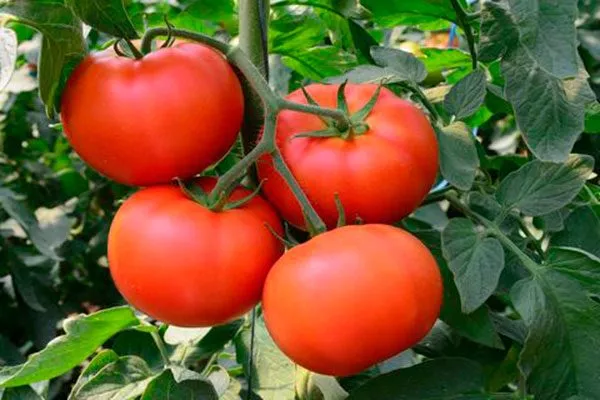
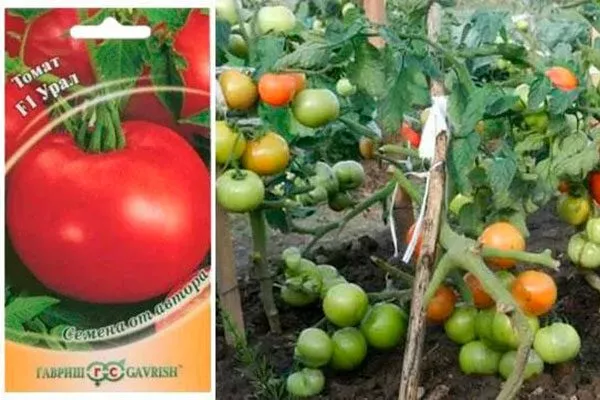
This tall, indeterminate plant with large, dark green leaves reaches 2 meters or more. It boasts the following qualities:
- The inflorescences are simple, without branches. A cluster contains 3-4 fruits, which are securely attached to the stem. During the growing season, 7-10 clusters develop on the bush – each producing fruits of equal size that ripen simultaneously.
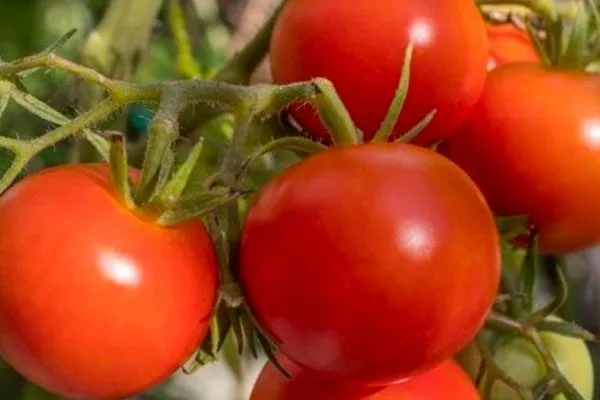
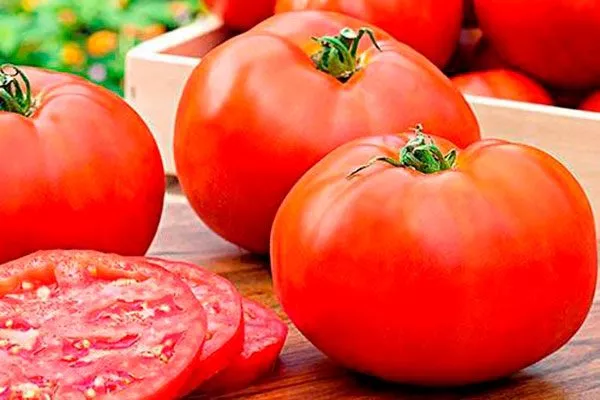
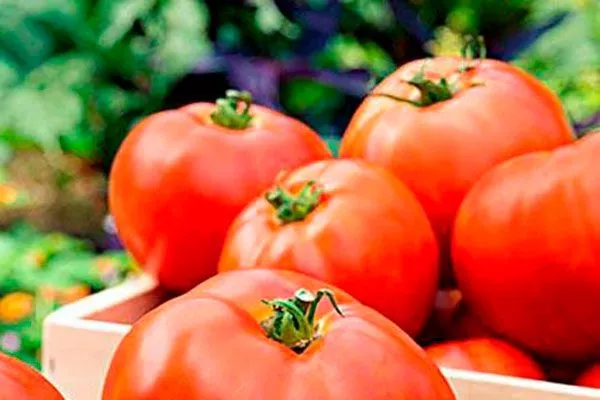
- The tomatoes have a standard flat-round shape with a glossy surface and slight ribbing at the base. They are green when first ripe, but when fully ripe, they acquire a rich red hue, evenly distributed inside and out, with no green spot near the stem.
- The pulp contains 6 or more nests. The average weight of tomatoes is about 200 g.
Characteristics of tomato varieties
Ural is a popular variety among both novice and experienced gardeners. It is favored for its many positive qualities:
- Ripening period, yield. Tomatoes reach maturity 119 days after the first shoots emerge, and harvesting continues until almost November in most regions. This variety is highly productive: up to 4.5 kg of fruit can be harvested from a single plant, and up to 8.5 kg of vegetables per square meter.
- Purpose and application. Tomatoes have a pleasant sweet flavor, making them especially delicious fresh. They're perfect for adding to various dishes and winter preserves, including sauces, juice, salads, and lecho.
- Climate adaptability. The hybrid is resistant to extreme weather conditions and has record cold resistance.
Agricultural technology rules
The crop is grown using seedlings. An important feature is that, being a hybrid, it does not produce high-quality seeds for subsequent harvesting. Even if plants grow from the harvested seeds, they will not retain all the positive characteristics of the parent variety.
Transplanting
Ural tomato planting stock should be purchased annually from reputable manufacturers in specialized stores. These companies typically provide all the necessary seed preparation, as indicated on the packaging. Simply soak the seeds in Kornevin before planting to germinate them.
Follow these recommendations:
- Disinfect the sowing containers with a weak solution of potassium permanganate.
- Buy tomato soil – it is a nutritious substrate for vegetable seedlings.
- Fill the containers with soil, moisten them, and then sow the sprouted seeds. Cover with plastic wrap and place in a warm place until the seedlings emerge.
- When the seeds germinate, remove the cover and move the plants to a bright room.
- During the growing process, regularly water the seedlings, feed them several times with nitrogen-containing fertilizers, such as urea, and when two permanent leaves appear, transplant them into separate pots.
7-10 days before moving to the beds, start hardening off the plants by taking them out into the fresh air.
Transplantation and care
Prepare the soil in advance: fertilize with organic matter. Add 20 g of superphosphate and a handful of wood ash to the planting holes. Plant the bushes in strips, leaving 40 cm between them in rows and 60 cm between them.
Perform care procedures:
- Water the plants once a week, using 5 liters of warm, settled water.
- 14 days after transplanting the seedlings, add nitrogen-containing fertilizer to the soil.
- During flowering, ovary formation and the beginning of fruiting, feed the crop with a mixture of superphosphate and potassium salt.
After rain and irrigation, loosen the soil in the root zone and remove weeds at the same time.
Features of cultivation and storage
Ural is characterized by high resistance to low temperatures, can withstand short-term drought, and thrives even during rainy seasons, making it unique among other varieties. When grown in a greenhouse, provide the plants with careful care.
Ventilate the room daily to avoid high humidity, which can lead to tomato rot. Store the harvested crop in a cool place, such as a refrigerator or cellar.
Pest and disease control, prevention
The crop has high resistance to common diseases, including tobacco mosaic virus, which is untreatable and can severely damage the fruit, as well as fusarium and cladosporiosis. The tomatoes do not crack and withstand long-term storage and transportation, maintaining their attractive appearance.
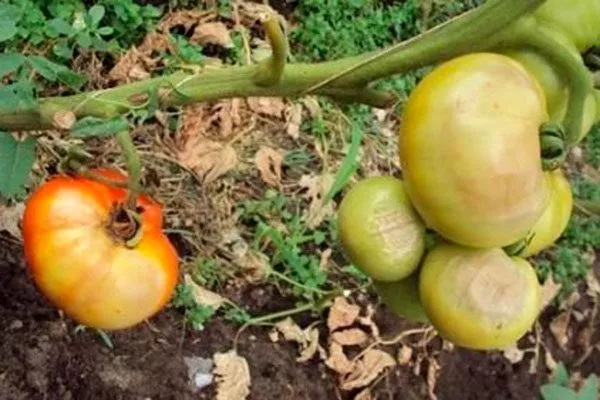
However, regular disease prevention is essential, as it's much more effective than treatment. To control pests, use insecticides such as Aktara or Fitoverm, as well as folk remedies such as garlic or tobacco dust infusion.
Pros and cons
To avoid potential difficulties when growing a crop, it's important to understand its characteristics, advantages, and disadvantages. The main advantages of the Ural variety are:
Among the negative qualities, gardeners note the need for staking and regular removal of side shoots. Furthermore, yield depends on growing conditions and agricultural practices.
Reviews
Ural is an excellent choice for those looking for an easy-to-grow, high-yielding tomato variety. These large, attractive tomatoes are used in a variety of dishes and winter preserves. This variety provides a stable harvest, regardless of weather conditions, and boasts good disease resistance.