
Ultra-early is a popular tomato variety, ideal for regions with short summers and unpredictable weather. Its main characteristic is early ripening. Its compact bushes, disease resistance, and low maintenance make it a popular choice. With proper care, it produces generous harvests.
Characteristics of the Ultra-early variety
This variety was developed in 2000 by Siberian breeders. This ultra-early variety produces abundant harvests, is suitable for both indoor and outdoor cultivation, is resistant to adverse weather conditions, and is renowned for its ease of care.
Description of bushes and fruits
The plants are low-growing, reaching 40-50 cm in height. They tend to branch out and have an attractive appearance. The shoots are covered with large leaves, giving them a voluminous appearance. The bushes are well protected from sunlight.
Distinguishing qualities:
- The leaves are of a traditional shape, with a slight degree of dissection and pubescence.
- Yellow flowers are gathered in intermediate inflorescences, the ovaries attached to sturdy stalks. Each plant produces an average of 3-4 clusters.
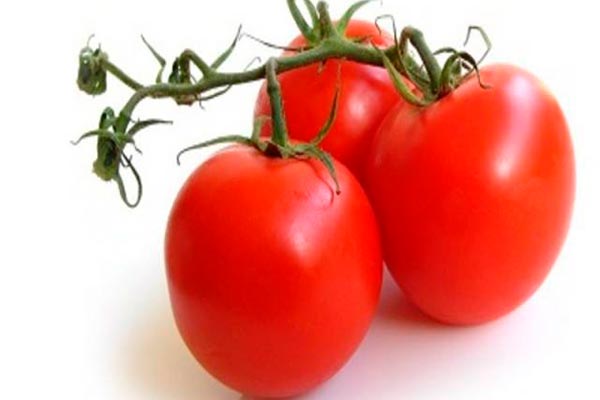
- On average, the weight of tomatoes varies from 95 to 100 g.
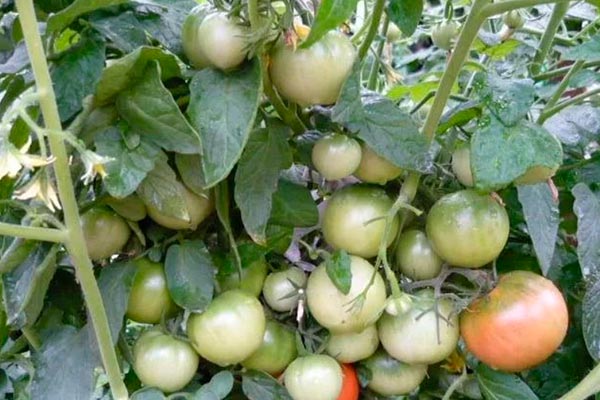
When unripe, the round tomatoes are green with a milky tint. At the technical and physiological stages of ripeness, the vegetables turn bright red.
Taste properties, subtleties of use
These vegetables are characterized by a pleasant and balanced flavor—a perfect balance of sweetness and acidity. They have firm flesh and strong skin, which prevents deformation and cracking, making them suitable for long-distance transportation.
Small tomatoes are used for whole-fruit canning, various dishes, and winter preserves. They are also eaten fresh and used in various vegetable salads.
Dishes with added tomatoes:
- soups;
- juices;
- cuttings;
- sauces;
- caviar.
The structure of Ultra-early ripening ensures long-term storage of tomatoes.
Ripening time and productivity
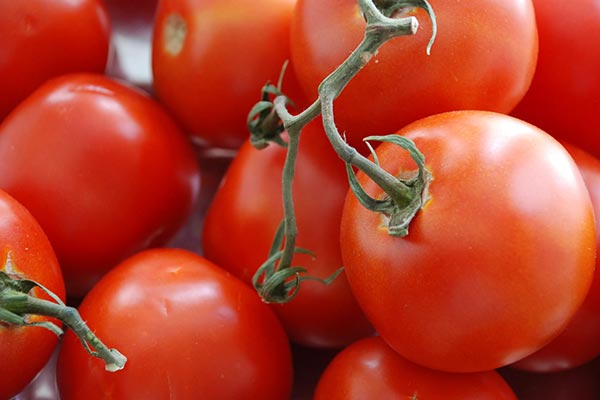
This variety is considered an early-ripening variety. From germination to harvest, it takes 70-75 days. This crop is characterized by uniform ripening of the fruits, allowing almost all vegetables to be harvested in a short period of time.
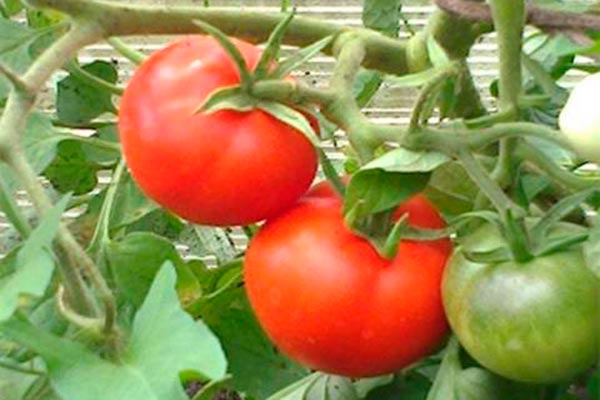
This highly productive variety delivers excellent results despite its small size. A single bush yields 2 kg or more. With proper cultivation practices, it's possible to obtain up to 15 kg per square meter.
Required climatic conditions and regions
The crop is successfully cultivated in various regions of Russia. The bushes even bear fruit in neighboring countries, adapting to any climate—they are resistant to cold and drought.
Many gardeners report excellent results regardless of where they grow their seedlings—in open ground or in greenhouses covered with glass, film, or polycarbonate.
Distinctive features of ultra-early ripening tomato varieties
Today, the market offers a huge variety of ultra-early tomatoes that are virtually indistinguishable in appearance from mid- and late-ripening varieties. However, most ultra-early tomatoes have a determinate growth habit.
Many varieties produce relatively small, round tomatoes. The harvest typically has a short shelf life, but they retain their appearance even when transported over long distances.
Advantages of ultra-early ripening varieties:
- the ability to grow and bear fruit in unprotected soil;
- resistance to weather changes;
- do not require serious shaping of bushes, and often - tying;
- suitable for growing without seedlings.
A distinctive feature of these varieties is their resistance to late blight, since the disease develops when the vegetables have already been harvested from the garden.
Subtleties of planting and subsequent care
Growing tomatoes is a simple task, but it does require certain guidelines. Even novice gardeners can handle the task.
Planting seeds directly into the ground
Choose a sunny site with loose, fertile soil, protected from the wind. Follow these recommendations:
- Pre-soak the grains or treat them with growth stimulants.
- Before sowing, loosen the soil, moisten it and form furrows 1.5-2 cm deep.
- Space seeds 40-50 cm apart to give plants room to grow.
- After filling the bed with soil, water and mulch to retain moisture.
- ✓ The optimal soil temperature for planting seeds directly into the ground should not be below +15°C, which is not mentioned in the article.
- ✓ The distance between plants when planting should be at least 40-50 cm to ensure sufficient space for growth, which is critical for preventing diseases.
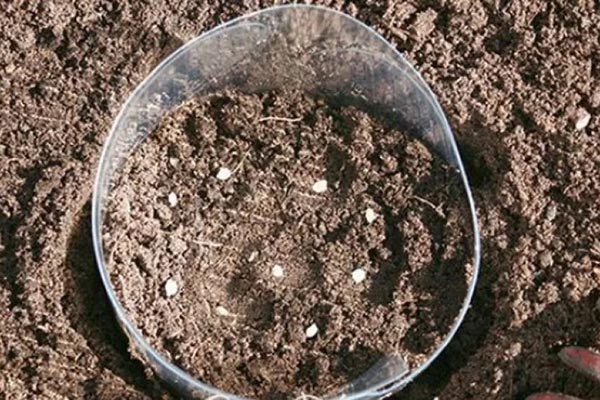
Seedling method
Many gardeners prefer to grow tomatoes from seedlings, as this allows for an earlier and more abundant harvest. Begin cultivating the seedlings 6-8 weeks before planting, giving the plants time to establish a strong root system.
This method is especially popular in regions with short summers, where it's important for tomatoes to ripen before the cold weather sets in. Growing seedlings allows you to control growing conditions, such as light, temperature, and humidity, reducing the risk of disease.
Preparation and sowing
Sort the seeds, discarding any damaged or small ones, then disinfect them by soaking them in a weak solution of potassium permanganate or hydrogen peroxide for 20-30 minutes. To speed up germination and increase resistance to stress, soak them in a growth stimulant such as Epin or Zircon. Ash infusion or aloe juice will also work.
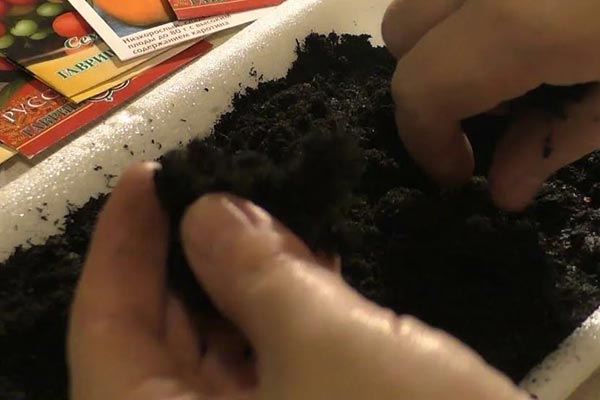
Prepare the soil for sowing in advance. It should be loose, fertile, and disinfected.
Follow these steps:
- Sow the seeds into a moistened substrate to a depth of 1-1.5 cm, leaving a distance of 2-3 cm between them.
- Sprinkle the seeds with a thin layer of soil and compact lightly.
- Cover the containers with seeds with film or glass to create a greenhouse effect and place them in a warm place with a temperature of +23-25°C.
Once the seedlings emerge, remove the cover and move the containers to a bright place, reducing the temperature to +18-20°C to prevent the seedlings from stretching.
Caring for seedlings
Caring for seedlings involves several important steps to ensure healthy plant growth. Follow these recommendations:
- Once germination occurs, seedlings need plenty of light—at least 12-14 hours a day. If sunlight is insufficient, use phytolamps, placing them 20-30 cm away from the plants.
- Water the seedlings moderately as the top layer of soil dries out, using warm, settled water to avoid over-watering and the development of diseases.
- When the plants have 2-3 true leaves, transplant them into separate containers, burying them down to the cotyledon leaves to stimulate root formation.
- 7-10 days before picking and every 10-14 days, feed the seedlings with complex fertilizers containing microelements.
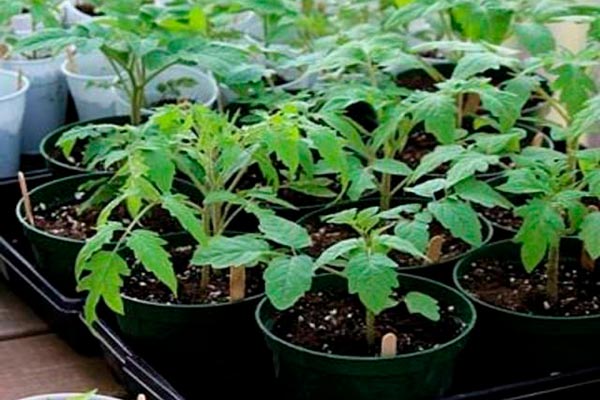
To harden off the seedlings, begin placing them outdoors 10-14 days before planting, gradually increasing the time spent outdoors. This will help them adapt to changes in temperature and sunlight.
Transfer
This is an important stage, determining future growth and yield. Follow these guidelines:
- Before transplanting, prepare the site: dig the soil, fertilize it with humus or compost, and level it. Transplant the seedlings into the ground when they reach 20-25 cm in height, have 5-7 true leaves, and the stems have become stronger.
- The best time to hold the event is a cloudy day or evening to avoid sunburn.
- Dig holes 20-30 cm deep, spaced 40-50 cm apart. Add a little humus or wood ash to each hole and moisten with warm water. Carefully remove the seedlings from the container, being careful not to damage the roots, and plant them at an angle, burying the stems up to the first true leaves.
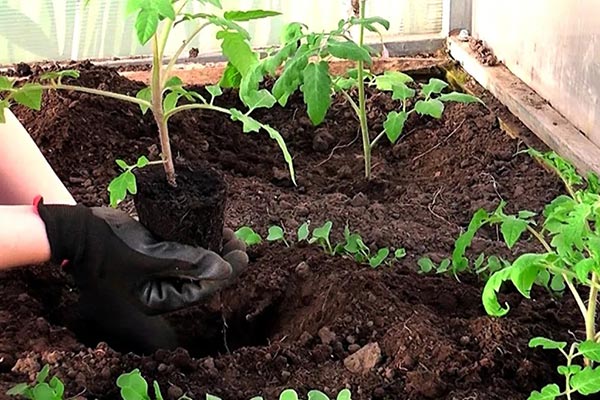
After transplanting, water again and mulch the soil around the seedlings to retain moisture and prevent crusting. Shade the seedlings for the first 5-7 days to give them time to adapt.
Watering
Proper tomato watering is the key to their health and abundant harvest. Follow these guidelines:
- After replanting, water the plant for the first time after 5-7 days to allow the roots to establish. Water regularly thereafter, depending on soil and weather conditions.
- The optimal regime is 1-2 times a week, using warm, settled water. Water directly at the roots, avoiding the leaves and stems to reduce the risk of fungal diseases. The soil should be moist to a depth of 15-20 cm.
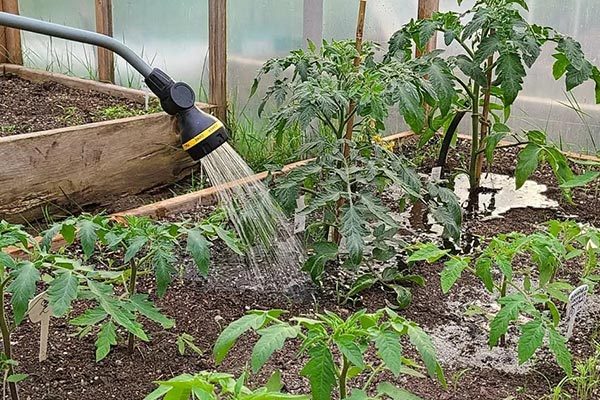
Water generously during flowering and fruit formation. During this time, a lack of moisture can cause flowers and fruit to drop. However, overwatering can lead to fruit cracking and disease.
Tying up
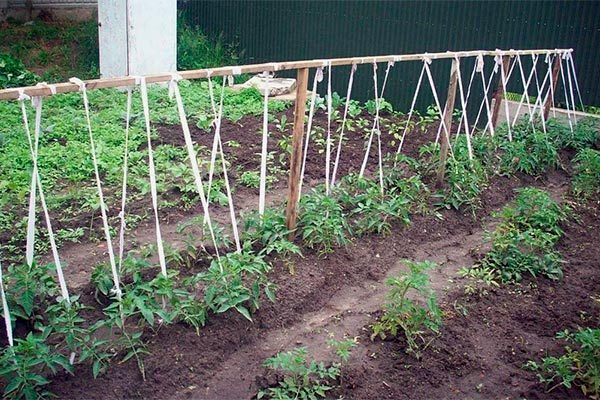
Staking the shoots helps support the plants and ensures their proper development. Without it, the stems can break under the weight of the tomatoes, and plants left on the ground are more susceptible to diseases and pests.
Top dressing
To ensure healthy growth and fruit formation, fertilize regularly. Follow these guidelines:
- Apply the first fertilizer 10-14 days after planting the seedlings in the soil. Add a solution of mullein or bird droppings, which promotes rapid rooting and vigorous growth.
- During flowering and fruit set, use phosphorus-potassium fertilizers—superphosphate and potassium sulfate. They stimulate the formation of large tomatoes and improve their flavor.
- Complex fertilizers with microelements are suitable. Apply them every 2-3 weeks. Foliar feeding with boric acid solutions is especially effective – it increases yields and improves pollination.
- 10-14 days after planting the seedlings, add a solution of mullein or bird droppings to stimulate growth.
- During the flowering period, use phosphorus-potassium fertilizers to improve fruit set.
- Apply complex fertilizers with microelements every 2-3 weeks to maintain plant health.
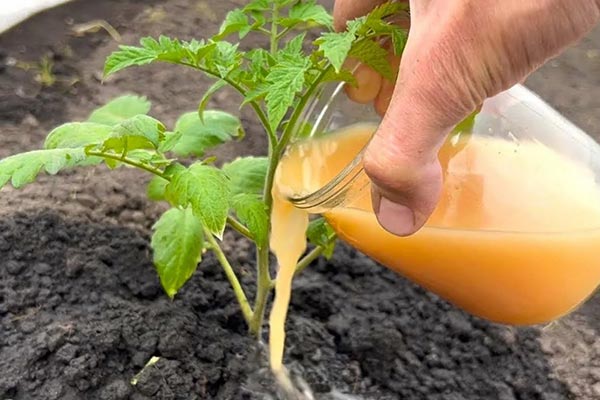
Organic matter, such as herbal infusions or wood ash, is effective. They help improve soil fertility and keep plants in good shape.
Harvesting
Tomatoes ripen uniformly by the end of June. For eating or canning, pick them when they're fully ripe, when they're completely red. Don't over-ripen them on the vine, otherwise they'll develop an unpleasant mealy texture and their flavor will noticeably deteriorate. Harvest every 2-3 days.
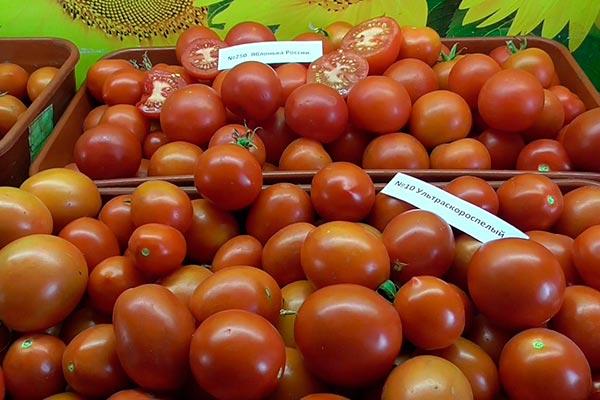
For storage, use slightly unripe tomatoes that are a brownish-pink color. These tomatoes will ripen at temperatures above 30°C. Place the tomatoes in paper-lined boxes and store in a cool, dark place.
Why is there no ovary?
A lack of ovary production in tomatoes can be due to various factors affecting pollination and fruit formation. To solve the problem, identify its source and take appropriate measures.
Possible reasons:
- unfavorable environmental conditions;
- poor ventilation (in the greenhouse);
- nutritional deficiencies;
- excess nitrogen;
- poor pollination;
- dense plantings.
To ensure tomato fruit sets, create optimal conditions for pollination and development. Here are some recommendations:
- Temperature conditions. The optimal temperature is between 20-26°C. At higher or lower temperatures, flowers may fall off, preventing fruit set. If the temperature rises above 30°C, pollination may not occur.
- Humidity. The indicators should be at the level of 60-70%. High humidity degrades the quality of pollen, while low humidity hinders the pollination process.
- Pollination. For proper ovary formation, pollen must fall onto the stigmas of the pistils. To achieve this, gently shake the plants or use soft brushes to transfer pollen from flower to flower. Attract insects or use fans in the greenhouse.
- Top dressing. A lack of phosphorus or potassium can delay fruit set. Apply fertilizer during flowering and tomato formation.
Crowded plantings can restrict air and light, which can hinder fruit set. Leave sufficient space between plants and regularly trim excess shoots to improve air circulation and sunlight.
Diseases and pests
The Ultra-early variety is characterized by good resistance to most diseases, with the exception of late blight, which can develop with sharp fluctuations in temperature and humidity.
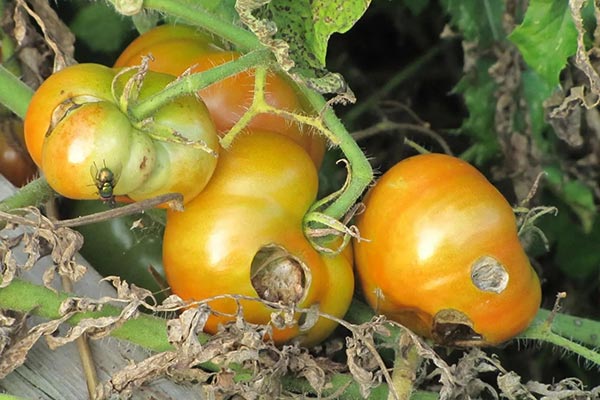
Follow a few important rules:
- When growing in greenhouses, monitor humidity levels.
- Provide proper conditions and follow agricultural practices.
- To prevent late blight, spray the bushes with Bordeaux mixture.
Certain pests, such as whiteflies and mole crickets, can attack the crop. Confidor, Mospilan, and Actellic are effective against them.
Pros and cons
Before planting seedlings in your garden, be sure to carefully study the characteristics of the variety. The Ultra-early variety has many advantages:
Gardeners note that this variety has no significant drawbacks.
Similar hybrids and varieties
| Name | Ripening period (days) | Bush height (cm) | Disease resistance |
|---|---|---|---|
| Lyana | 85-100 | 35-40 | Resistant to blossom end rot and bacterial spot |
| Catherine | 80-85 | 50-70 | Rarely gets sick |
| Sanka | 75-85 | up to 60 | May be susceptible to late blight |
This ultra-early tomato is very similar in characteristics to many super-early varieties. The following varieties are distinguished:
- Liana. An early-ripening variety, ripening in 85-100 days. Determinate bushes grow to 35-40 cm in height. The tomatoes are round, red in color, and weigh between 60 and 80 g. Yields are 7 kg.
The crop is resistant to blossom-end rot, bacterial spot, and late blight. It can be affected by the mosaic virus. - Catherine. A greenhouse hybrid with an early ripening period of 80-85 days. The bushes reach a height of 50-70 cm. The tomatoes are round, slightly flattened, and have a red tint. They weigh 120-130 g. The yield is small, about 3 kg per bush.
The variety rarely gets sick and is almost not subject to pest attacks. - Sanka. An early-ripening variety. The fruits ripen 75-85 days after germination. The bushes do not exceed 60 cm in height. The tomatoes are round and red, weighing between 80 and 100 g. They have a sweet and sour flavor and are suitable for fresh consumption and processing. The crop is susceptible to late blight.
Ultra-early ripening, does not require special care, and is suitable for cultivation in greenhouses and open ground.
Reviews
This ultra-early variety is a godsend for gardeners who appreciate early, tasty, and versatile tomatoes. This variety boasts uniform ripening, resistance to adverse conditions, and ease of cultivation. Suitable for both open ground and greenhouse cultivation, it produces good yields, but requires careful agricultural practices.