
The Udacha tomato is an easy-to-grow and productive variety prized by gardeners for its consistent fruiting and excellent flavor. It's an indeterminate, mid-season variety, producing vigorous plants with numerous clusters. These tomatoes have a beautiful shape, firm flesh, and rich flavor. They're an ideal choice for both beginner and experienced gardeners.
Description of the bush and fruits
The hybrid was developed by specialists from the Federal Scientific Center for Vegetable Growing and Agrofirm Poisk LLC. It was approved for use in 2008. It is characterized by unlimited growth, medium-sized green leaves, and simple inflorescences.
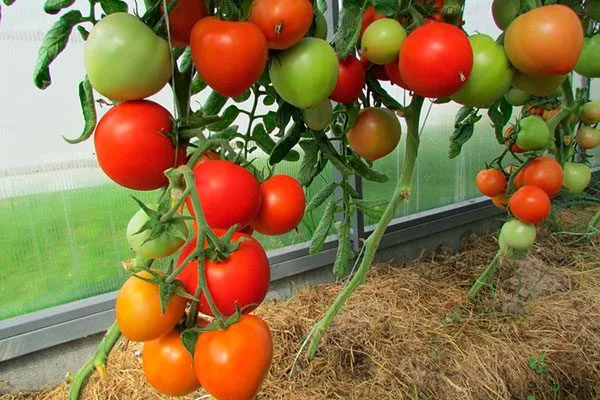
Distinguishing features:
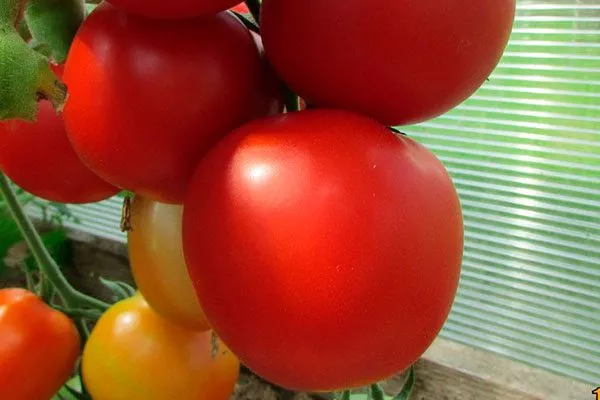
- The tomatoes have a flat-round shape and slight ribbing;
- weight varies from 80 to 90 g;
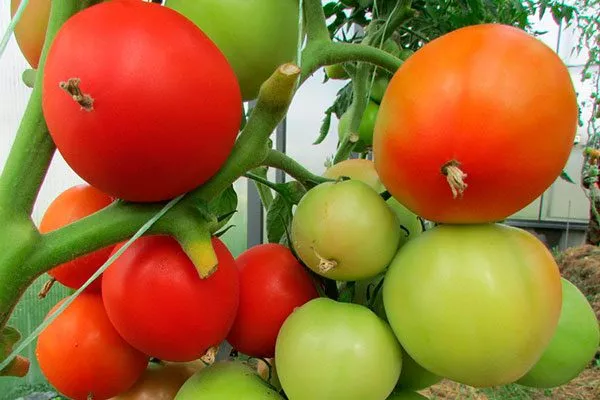
- when unripe, the vegetables are light green in color with a characteristic spot near the stalk, and when ripe, they acquire a pink tint;
- Each fruit contains 4 to 6 seed chambers.
Tomatoes delight with their pleasant taste qualities, and their marketability is 88-90%.
Main characteristics
The variety ripens in 109-113 days. Fruiting begins in midsummer and continues until frost. Yields range from 22.1 to 31.4 kg per square meter, which is explained by several characteristics of the plant: the bushes form numerous flowering clusters.
Luck has good immunity to the main diseases of the crop. The hybrid is resistant to:
- blossom-end rot;
- Cladosporiosis (brown spot);
- Fusarium wilt.
The variety exhibits relative resistance to late blight, especially when proper agronomic practices are followed. Under unfavorable conditions or improper care, the bushes may be susceptible to pest attacks, including whiteflies, spider mites, and aphids.
Recommendations for planting and growing tomatoes Luck
Growing tomatoes requires little care, making this variety a top choice even for novice gardeners. The robust bushes are easy to shape. Thanks to excellent fruit set and consistent fruiting, the tomato crop can be harvested right up until the first frost.
Selecting a location, preparing the soil and planting seedlings
Choose well-lit areas with fertile soil. A sandy-clay soil with a neutral or slightly acidic reaction is ideal.
Please complete the requirements:
- Before planting, thoroughly cultivate the soil: clear it of weeds and loosen it to a depth of 20-25 cm.
- Prepare seedlings in advance, focusing on the time they will be planted outdoors. Use high-quality seeds or purchase ready-made seedlings from reputable producers.
- The optimal planting pattern is holes 10-15 cm deep with an interval of 40-50 cm between plants.
Before planting, enrich the soil with organic fertilizers such as humus or compost. This will provide the plants with nutrients that promote vigorous growth and development.
Plant care
To improve productivity, it's important to follow standard agricultural practices. Follow these recommendations:
- Covering the beds with a layer of mulch will help retain moisture in the soil, reduce the frequency of watering, and protect the root system from overheating in hot weather.
- Remove weeds promptly and carry out preventative treatments against diseases and pests. If necessary, use chemical or biological products, strictly following the manufacturer's recommendations.
By following these simple rules, you can get a bountiful harvest of juicy tomatoes that will delight you with their rich flavor.
Watering and caring for Udacha tomatoes
A key aspect of caring for this hybrid is regular but moderate watering. This is necessary to maintain stable soil moisture levels. The best time to water is in the morning, as the plants have time to dry out by evening, reducing the risk of fungal diseases.
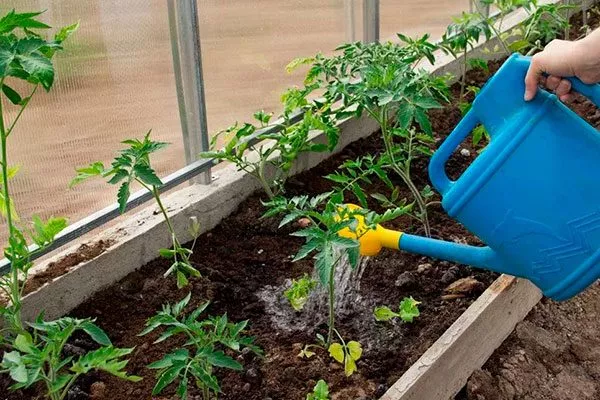
Keep in mind that excess moisture can cause root rot and disease, while too little can slow growth and reduce yield. The optimal frequency depends on the climate, soil type, and stage of plant development:
- during the period of active growth and flowering – 2-3 times a week;
- during the ripening of tomatoes – 1-2 times.
Pay attention to the condition of the soil and the plants themselves. Regularly remove weeds and loosen the soil. Fertilize the plants with organic and mineral fertilizers—they improve the soil structure and promote vigorous growth.
How to protect Udacha tomatoes from pests and diseases?
Despite the culture's strong immunity, it's important to take certain measures and, if necessary, use special medications. Preventative measures:
- do not grow tomatoes in the same place two years in a row; the best predecessors are: legumes, onions, cabbage, carrots;
- in the fall, add ash or Fitosporin for disinfection, and in the spring, dig up the beds;
- Water at the roots, avoiding water getting on the leaves to prevent fungal diseases;
- If you grow the crop in a greenhouse, ensure air circulation;
- Garters and pinching out side shoots help ventilate the bushes and reduce the risk of infections.
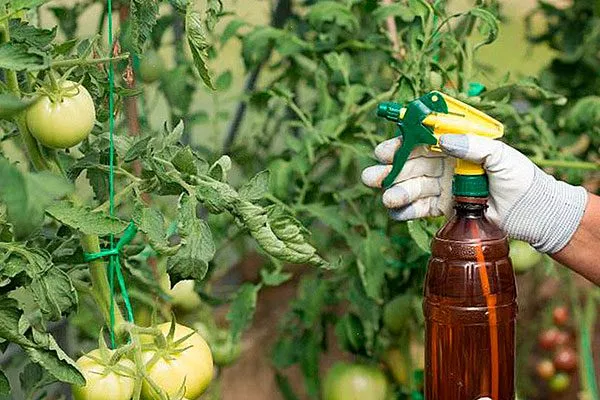
Common diseases and pests, control measures:
- late blight – treat with Fitosporin or 1% Bordeaux mixture.
- gray and white rot – remove the affected parts, spray with fungicides Topaz, Hom;
- powdery mildew – use whey solution or fungicides Topaz and Skor;
- aphids and whiteflies – folk remedies (garlic infusion, soapy water) or insecticides Fitoverm and Aktara are effective;
- Colorado potato beetle – collect parasites manually or use Corado or Prestige products;
- spider mite – treat with onion peel infusion or Fitoverm.
Harvesting and storing tomatoes Udacha
Begin harvesting when the tomatoes are fully ripe. Signs of ripeness include a rich color and a slight softness when pressed. Harvest the tomatoes by hand, carefully separating them from the stems, or with garden shears.
After harvesting, carefully inspect the tomatoes for damage or underdeveloped specimens. Use any spoiled tomatoes immediately or process them to preserve the quality and shelf life of the rest of the harvest.
Reviews
The Udacha tomato combines good productivity, resistance to adverse conditions, and excellent flavor. It's easy to grow, and the fruits are suitable for fresh eating, canning, and sauces. Thanks to its strong immunity and low maintenance, this hybrid adapts well to various regions.