
Auntie is an early-ripening tomato variety with compact bushes. Ideal for small plots, it will delight you with not only a high yield but also excellent flavor. It's an excellent choice for gardeners who value ease of care and consistent results. Generous harvests can be achieved by following proper agricultural practices.
Description of the plant and fruits
This determinate variety was bred in Riga. The bushes reach a height of approximately 50 cm and have regular leaves. Distinguishing features:
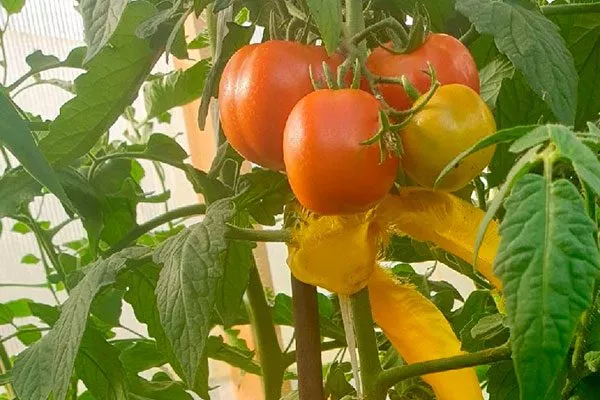
- The weight of the fruits varies from 40 to 120 g. They have a flat-round shape.
- The skin is shiny and smooth, giving it an attractive appearance.
- The pulp is juicy, fleshy and dense, bright red in color.
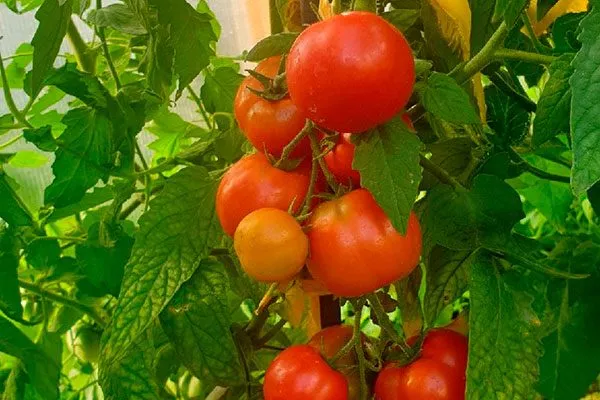
The taste is sweet with a slight sourness, which makes it ideal for a variety of dishes.
Characteristics of the variety
Auntie is distinguished by its ultra-early ripening period (80-85 days). This makes it an excellent choice for regions with short summers or for growing on balconies and windowsills.
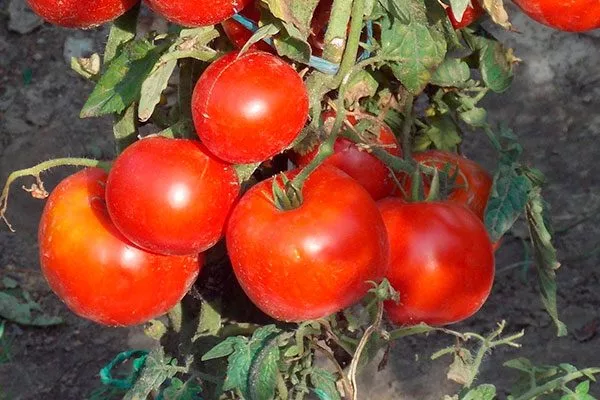
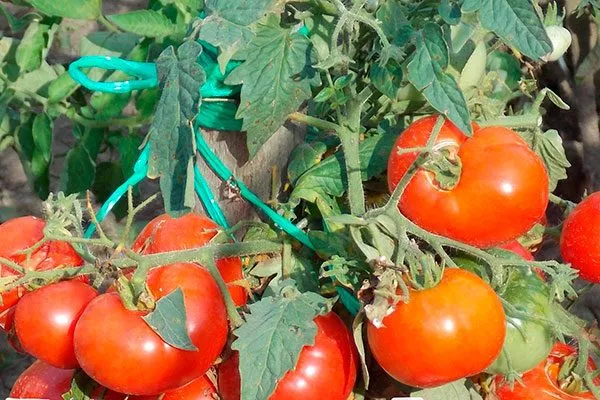
This variety is resistant to extreme weather conditions. It produces abundant harvests even in the most adverse conditions, making it an excellent choice for outdoor cultivation.
Landing features
To grow high-quality tomato seedlings from seeds, you need to follow several important steps. First, prepare the seeds in several stages:
- Hardening. Warm the grains to increase their germination rate. To do this, place them in hot water (up to 50°C) for 20-30 minutes, then quickly cool them in cold water.
- Disinfection. To prevent disease, treat the seeds with a weak solution of potassium permanganate (1 g per 1 liter of water). Soak them in the solution for 20-30 minutes, then rinse under running water.
- Soak. To speed up germination, soak the seeds in a growth stimulator, such as Epin or Zircon, for 12-24 hours, following the instructions on the package.
- ✓ Make sure that the growth stimulator is compatible with tomatoes, especially early-ripening varieties.
- ✓ Check the expiration date of the growth stimulator before use.
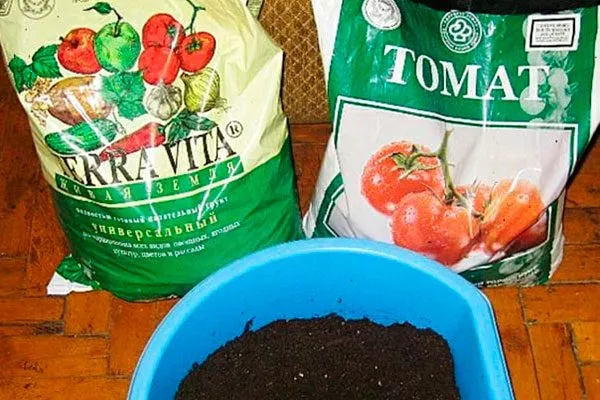
Prepare the soil. Use a light, nutritious soil. It should be well-drained and breathable. You can buy a special potting mix or make your own by mixing equal parts garden soil, humus, and sand.
Start sowing seeds:
- Use plastic or wooden boxes, containers, and seedling trays with drainage holes.
- Plant the seeds to a depth of 1-2 cm and space them 2-3 cm apart.
- After sowing, gently moisten the soil with warm water, being careful not to wash away the seeds. Cover the container with plastic wrap or glass to create a greenhouse effect.
Provide the seedlings with proper care:
- Germination requires a temperature of around 22-25°C. Once the first shoots appear, reduce the temperature to 18-20°C.
- Provide seedlings with 12-14 hours of light per day, as they require bright light. If the light is insufficient, use grow lights.
- Water the seedlings moderately, avoiding overwatering. Pour water at the roots to avoid wetting the leaves, which can lead to disease.
- When the seedlings develop 2-3 true leaves, transplant them into individual cups or pots. This will help prevent overcrowding and give them more space to grow.
- After picking, grow the seedlings at a temperature of +18-2 °C, gradually hardening them off, lowering the temperature during the day and raising it at night to prepare them for planting in open ground or a greenhouse.
Follow these steps:
- Choose sunny areas with well-drained soil. Make sure the bed is not exposed to cold winds or flooding during rain.
- A few days before replanting, add organic fertilizer (humus, compost) or mineral fertilizers, such as superphosphate and potassium salts. Dig the soil to a depth of 20-30 cm.
- Transplant the seedlings when they have 6-8 true leaves and the height of the bushes reaches 15-20 cm. Leave 40 cm between plants.
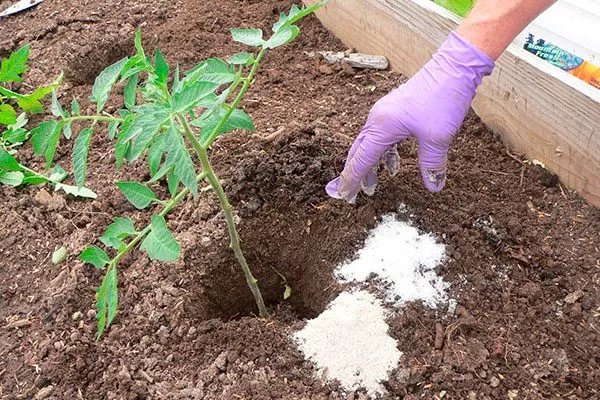
- Carefully remove the seedlings from the container, being careful to preserve the root ball. Transfer them to the prepared holes and carefully fill them with soil, compacting the soil around them.
Moisten the seedlings with warm water to improve root-soil contact. Avoid getting water on the leaves.
Caring for the Auntie tomato
Caring for your crop involves several important aspects that will ensure healthy seedling growth and a high yield. Follow standard agricultural practices:
- Watering. Water the bushes regularly, especially during flowering and fruiting. Ideally, 2-3 times a week, depending on weather conditions. Use only settled water heated to 20-22°C.
Water at the roots, avoiding water on the leaves to avoid diseases such as late blight.

- Top dressing. Two weeks after transplanting outdoors, apply organic fertilizers such as mullein or chicken manure infusion. After 3-4 weeks, apply complex mineral fertilizers containing nitrogen, phosphorus, and potassium. Superphosphate and potassium salts are good options for this purpose.
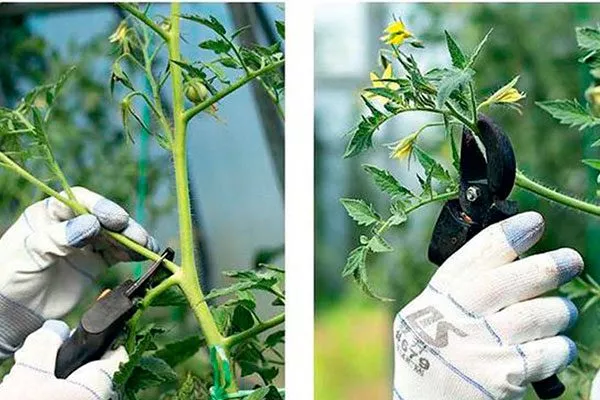
Alternate mineral and organic fertilizers to ensure that plants receive all the necessary substances. - Formation and pinching out stepsons. To increase yield and prevent bushes from becoming too dense, regularly remove side shoots. Pinch off side shoots growing from the leaf axils. This helps direct all the plant's energy toward the development of the main stem and fruiting. Train the plant to form 1-2 stems.
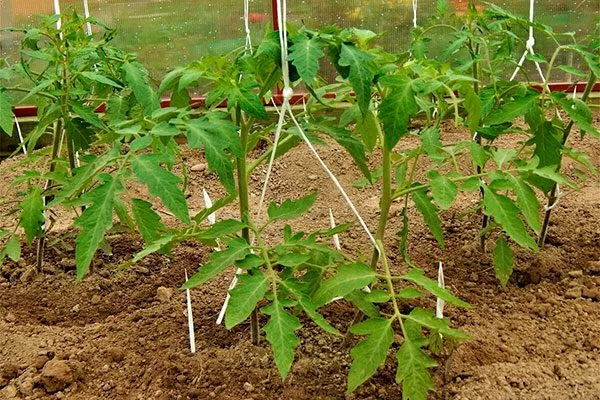
- Garter. Install supports or trellises to prevent the tomato plants from breaking under the weight of the tomatoes. Secure the stems carefully. Use soft materials, such as special gardening tape.
- Mulching. This procedure is aimed at retaining soil moisture, preventing weed growth, and regulating root temperature. Mulch the soil with straw, peat, humus, or herbal infusion.
- Treatment against diseases and pests. Take preventative measures to protect against common diseases such as late blight and powdery mildew. Biological agents or solutions, such as Bordeaux mixture or copper-based preparations, are effective.
To protect against pests (Colorado potato beetle, whitefly and aphids), use folk remedies (infusion of garlic, tobacco) or insecticides. - Trimming. During the early stages of plant growth, remove leaves that shade the tomatoes, increasing their light exposure. This promotes faster ripening. Remove any leaves that are turning yellow or are damaged by disease.

Reviews
The "Tetushka" tomato has gained popularity thanks to its high productivity and excellent flavor. This variety is ideal for small plots and greenhouses. This variety requires little maintenance, making planting and growing easy even for novice gardeners. With proper farming practices, it can yield generous harvests.