
The Turbojet tomato is a variety with a catchy name that boasts a number of advantages. It can be grown both outdoors and indoors on a balcony. This tomato plant grows low, requires little care, and delights its owners with its early fruiting and high-quality harvest.
Description of the bush and fruits
The Turbojet tomato bush belongs to the superdeterminate class, reaching a height of only 35-40 cm. Other characteristic features:
- The plant has a sturdy stem and forms branches with a minimal number of leaves. The leaves have a deep green hue.
- Growing this crop does not require special bush shaping or removal of side shoots, which makes the care process simple and effortless.
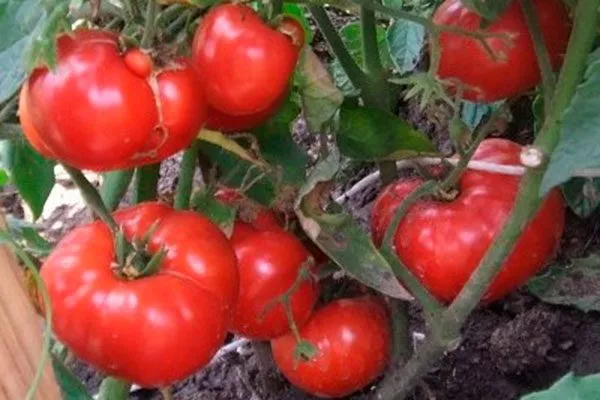
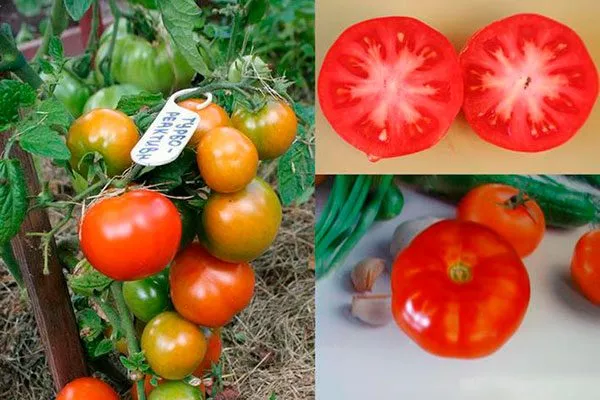
- Turbojet is an early-blooming tomato that belongs to the medium-fruited variety category. The average fruit weight is approximately 75-85 g.
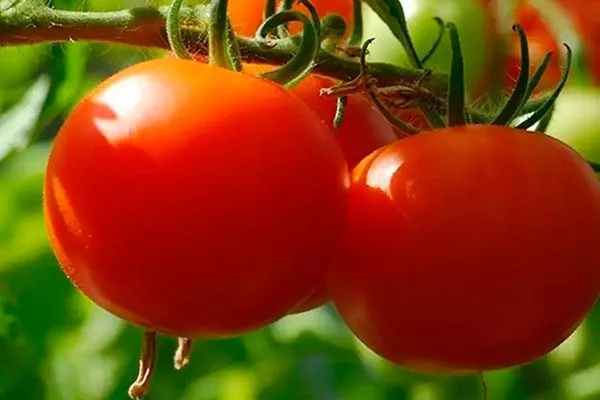
- The fruits are typically flat-round and deep red when ripe. Slight ribbing at the base may sometimes be noticeable.
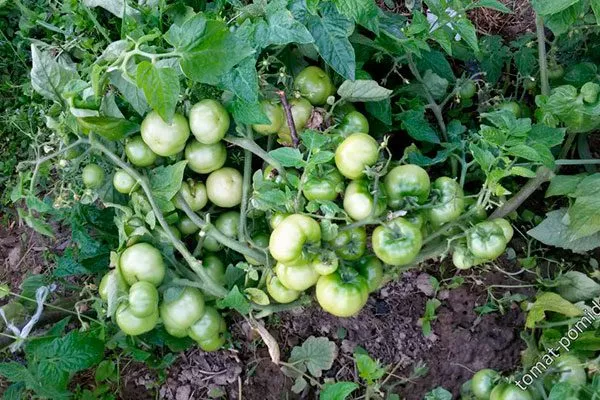
- In the initial state, the fruits are light green with darkening in the area of the stalk.
- The tomato skin is firm but not rough, smooth and shiny, making it resistant to cracking even when heat-treated.
Main characteristics and history
The Turboreaktivny tomato variety is an innovative development by Novosibirsk breeders from the Sibirsky Sad agricultural firm. Although this variety is not yet included in the State Register of Breeding Achievements of the Russian Federation, it has already gained significant popularity among vegetable growers.
Ripening times and regions
Recommended for growing in regions with harsh climates. This variety has proven most productive when grown outdoors, but can also be successfully grown indoors on a windowsill.
The Turbojet tomato for open ground is a reliable and hardy variety, specifically bred to withstand adverse weather conditions. It consistently produces a good harvest even in cool summer months. Other features:
- A distinctive feature is its ultra-early ripening period—just 70-75 days from the first mass emergence to fruit formation. Breeders named it Turbojet for good reason, as it is one of the fastest-ripening tomatoes among tomatoes.
- Plants of this variety thrive especially well in the central part of the country, especially outdoors. Even in areas with short summers and few sunny days, this tomato produces a bountiful harvest. However, many northern gardeners, fearing failure, prefer to grow their tomatoes in weather-protected greenhouses and hotbeds.
- Superdeterminate varieties thrive in pots and deep buckets. This is because the soil warms up faster in these conditions, allowing water and nutrients to reach the roots directly. These tomatoes often produce higher yields and ripen faster than those grown in open beds or greenhouses.
Fruiting and yield
The harvest season is extended. Tomatoes ripen evenly on the vines, so they are picked almost simultaneously. Delicious fruits can be enjoyed as early as mid-summer, with the peak harvest period occurring between July and September.
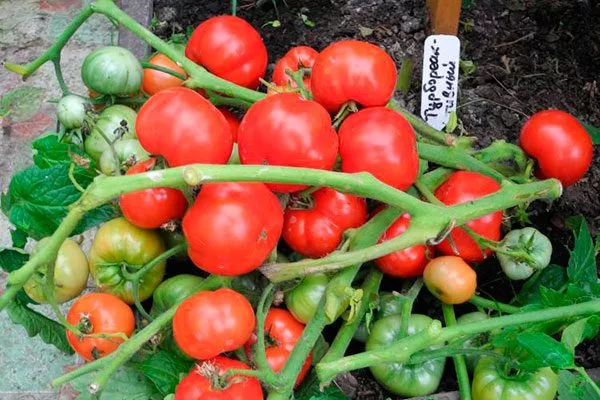
The productivity of this crop is impressive:
- If you follow the manufacturer's recommendations, you can harvest up to 2 kg of tomatoes from 1 square meter of land;
- In reality, yields can exceed these figures – about 2-2.5 kg from each bush.
Application and taste
The tomato has a traditional flavor and aroma. The flesh is thick, rich, and juicy, with numerous seeds, but they are small and almost invisible when eaten. The tomato's flavor is characterized by a slight tartness, harmoniously balanced with sweetness and a spicy aroma.
This variety of tomato is versatile and suitable for both fresh consumption and for preparing a variety of dishes:
- fresh salads in combination not only with other vegetables, but also with meat, fish, and cheese products;
- vegetable side dishes;
- snacks;
- various methods of preservation (lecho, dressings, sauces, pastes, juices, purees, whole-fruit preparations).
Because it belongs to a variety, and not a hybrid, gardeners can independently collect planting material for the upcoming season.
Planting Turbojet tomatoes
This tomato variety doesn't require any special growing conditions. When developing it, breeders focused on the growing conditions of central Russia. However, if your plot is located in the northern or western regions, it's best to grow the Turbojet tomato in a garden.
Preparation of planting material
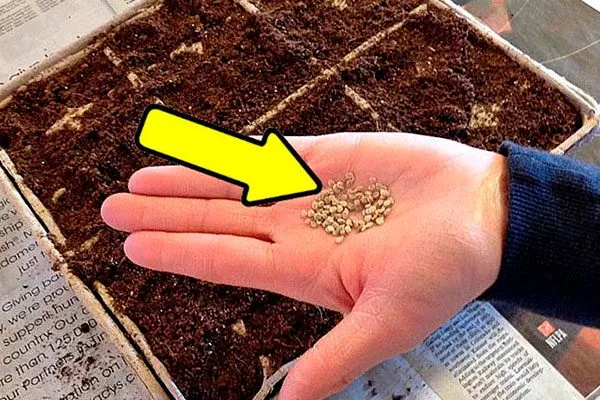
Although this variety is adapted for outdoor cultivation even in Siberian conditions, it's still important to carefully pre-treat and harden the seeds. This will increase the likelihood of a healthy harvest even during the coldest and shortest summers. Seed preparation involves several stages:
- Culling. First, weed out any seeds that are damaged or different in size from the rest. Then test them by submerging them in a salted water solution. To do this, add 1 teaspoon of salt to a 200 ml glass of water and drop all the seeds in.
Non-viable specimens will float to the surface, while healthy ones will remain at the bottom. After inspection, the planting material should be rinsed in clean water and dried. - Soaking-disinfection. To protect seedlings from diseases, the seeds are first soaked in a crimson-colored manganese solution for half an hour. They are then washed and placed in a solution that stimulates their growth—biostimulants accelerate germination and increase resistance to disease. The seeds are then soaked in this solution for 24 hours.
- Germination. To initiate germination, place the seeds in napkins or cotton pads soaked in warm water and place them in an airtight plastic container. The temperature should be greenhouse-like, and germination will begin within 3-4 days.
- Hardening. As a final step, the seeds are hardened. For a week, the seeds, which have already begun to sprout, are placed in the refrigerator at night and returned to the room during the day. This method ensures that the planting material produces tomatoes that will fruit well outdoors, unaffected by low temperatures.
Containers and soil
Start sowing seeds by creating the ideal substrate. This can be a homemade or ready-made soil mix, or a harmonious combination of both.
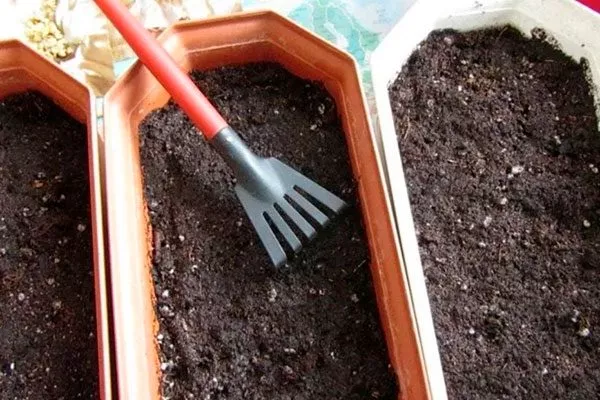
Optimal composition:
- to ensure the nutritional value of the soil, complex mineral preparations, ash and compost are added;
- To activate the microbiological composition of the soil, beneficial microorganisms such as Bokashi or other em-bacteria are added a month before planting;
- To aerate the soil, loosening agents are used - river sand or vermiculite, as well as agroperlite, which helps maintain the moisture and airiness of the soil, preventing the formation of a crust on its surface;
- To disinfect the soil, a few days before work, the soil mixture is treated with fungicides.
All components must be thoroughly mixed. To ensure proper interaction, the soil must be prepared several weeks before planting. To thoroughly prepare the soil mixture for planting, sift it through a coarse sieve to ensure uniformity and remove lumps.
A seedling container is more than just a container for placing seeds. It's a kind of home for future plants, where every detail matters. Choosing the right container can play a key role in the success of the entire process. There are different types:
- plastic cups;
- peat tablets;
- wooden boxes;
- old newspaper rolls and toilet paper.
Each has its advantages and disadvantages, but the choice depends on the conditions we want to create. Other containers can also be used for sowing seeds for seedlings:
- One of the most popular options is special plastic cassettes with cells - they are convenient because each seed gets enough space to grow, and also provide good drainage and ventilation;
- Don't forget about traditional peat pots, which can be simply dug into the ground along with the plant without damaging the root system.
Coconut substrate and peat pellets can be used for growing seedlings. Disinfect containers before reusing them.
Sowing seeds
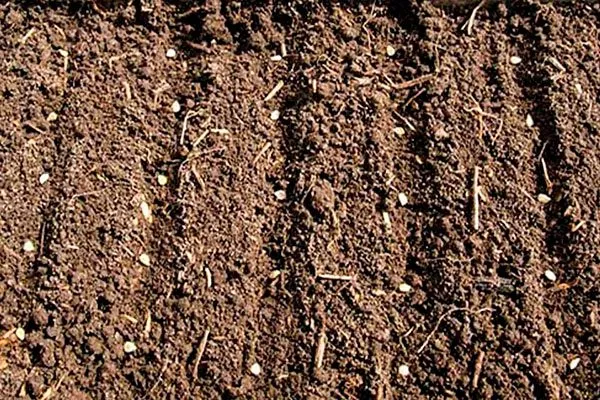
In the prepared substrate, make holes for the seeds, approximately 10 mm deep and spaced 4 cm apart. The seeds are carefully distributed over the surface with tweezers, taking care not to damage the embryos.
Nuances:
- After this, the seeds are carefully covered with a thin layer of dry soil and watered with a spray bottle. Using a watering can is not recommended at this stage, to avoid burying the seeds too deeply or washing them away.
- After planting, the crops are protected with plastic or polyethylene film and placed in a warm area.
- For successful germination, a stable temperature in the range of +23… +25°C is required.
- During the period before the first shoots appear, it is important to ensure adequate ventilation to avoid moisture and condensation accumulation, and to regularly spray the surface if the top layer of soil begins to dry out.
Growing seedlings
Once the seedlings produce their first green shoots, remove the protective covering and move them to a bright location or under artificial light. Be sure to follow these recommendations:
- For the first three to four days, seedlings are kept in continuous light. During this period, it is also recommended to lower the temperature to 18°C. If seedling development is delayed due to insufficient light and high humidity, they may begin to stretch and develop abnormally.
Lower temperatures and continuous lighting stimulate the development of the root system. - In the following days, Turbojet tomato seedlings will require 14 hours of light, starting from 7 a.m. and ending at 9 p.m. At night, the plants need time to rest.
- Water the plant regularly and moderately, ensuring the soil is completely saturated. Avoid getting water on the stems and leaves. It's important to wait until the top layer of soil is dry before watering again. It's better to let it dry out slightly than to overwater.
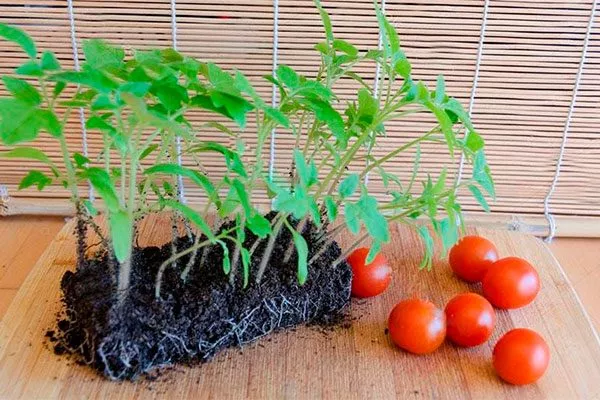
Turbojet tomatoes are pruned when several true leaves appear on the plant. When transplanting, care should be taken to avoid damaging the roots.
Planting in the ground
Transplanting seedlings into open ground should occur once soil temperatures begin to rise steadily, which usually occurs in May or June. Tomatoes are transplanted into greenhouses when the nighttime temperature remains at 10°C or higher.
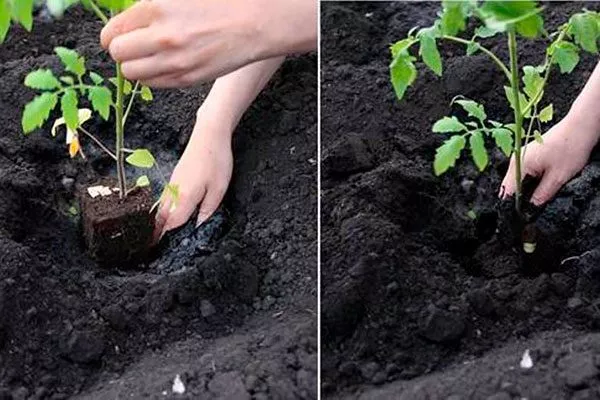
When planting tomatoes in a garden, space 3-5 plants per square meter, maintaining a distance of 40-45 cm between them and 50-60 cm between rows. When growing them alongside other tomatoes, it's important to consider their compact size and arrange them in a way that ensures uniform light distribution across all plants.
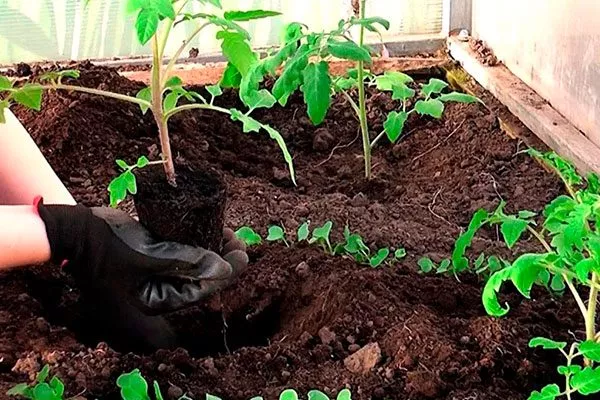
Rules:
- Before planting, the root ball with the seedlings should be watered to reduce the risk of damaging the roots when removing them from the container;
- the holes should also be soaked with water;
- the tomato bush is carefully placed in the hole, the roots are covered with soil, and a dry layer of soil is added on top;
- the hole is filled to the level of the garden bed, but the cotyledon leaves are not buried;
- In open ground, transplanted tomatoes are temporarily protected from direct sunlight.
Caring for Turbojet tomatoes
This plant is easy to care for, requiring no special bush shaping, pruning, or leaf trimming. The only practical step, even given the sturdy stem, is to provide support to prevent the weight of the numerous fruits from causing the branches to split.
Watering and fertilizing
The Turbojet tomato requires careful humidity control. Experienced gardeners recommend:
- water it regularly with warm water, preferably in the morning or evening, when the sun's rays are not able to cause burns on the leaves;
- After watering, it is necessary to loosen the soil around the bush and remove weeds.
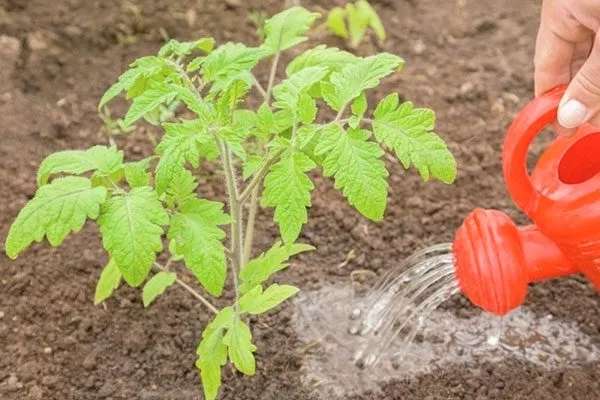
Tomatoes should be fed during the period when they are setting fruit. For this purpose, use complex fertilizers enriched with potassium, magnesium, fluorine, and phosphorus.
Pinching and tying, shaping
The Turbojet tomato, like other superdeterminate varieties, doesn't require pinching, as fruiting occurs directly on the side shoots. Thanks to its compact form and short but strong stems, the bush can support a significant number of tomatoes without additional support.
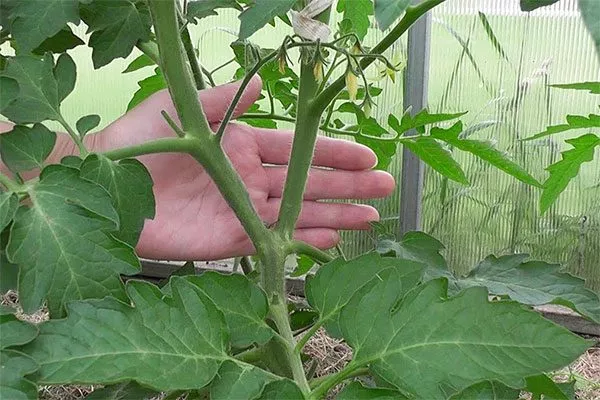
The plant is characterized by a slow growth rate and, like many other dwarf tomato varieties, can limit its growth after the formation of the fourth or fifth flower cluster. To achieve maximum yield, some gardeners recommend training the plant into one or two stems, although the cultivar's creators do not consider this procedure necessary.
Pest and disease control
The Turbojet tomato can be susceptible to disease, but its early maturity allows for harvesting before the diseases have a chance to affect the plant. Under unfavorable conditions, the fruit may suffer from blossom-end rot and stolbur. Fruit affected by these diseases (with visible brown spots) should be removed, as they typically account for no more than 10% of the total harvest.
Diseases can spread due to improper watering or the use of low-quality planting material. If your plants suffer from stolbur every year, avoid using your own seeds.
Other nuances:
- The creators of the Turboreaktivny variety claim that, with timely protective treatment, the plant is highly resistant to fungal and viral diseases of nightshades, including late blight, which often attacks tomatoes. This is due to its early maturity, which prevents the plant from becoming infected.
However, before planting Turbojet in open ground, it is necessary to treat the soil with fungicides and disinfect the planting material. - To protect Turbojet from pests, inspect the plants periodically. At the first sign of an infestation of aphids, Colorado potato beetles, or other insects and their larvae, treat the bushes immediately with insecticides.
Pros and cons
The Turbojet tomato variety was developed for an early harvest. It is easy to grow and suitable even for novice gardeners. Its small size allows for growing tomatoes even in confined spaces, such as containers and flower pots.
The variety's disadvantages include the bush's sparse foliage, the short shelf life of the fresh fruit, and its unsuitability for long-distance transportation. Many consider the fruit's high seed content to be another drawback.
Reviews
The Turbojet variety is one of the earliest and most undemanding tomatoes. It can ripen in a variety of conditions and produce a large number of fruits. Even a small bush can yield several kilograms of ripe tomatoes. They have a pleasant flavor and can be used both in vitamin-rich salads and for whole-fruit canning.