
Tsypochka is a versatile tomato variety that combines not only beauty and flavor but also yields generous harvests. With proper care and attention, it will provide tomatoes for a long time, especially given its long fruiting period. While this variety requires proper care, it significantly boosts immunity.
History and description of the bush and fruits
This new variety was developed by Russian breeders in 2022. The originator is the agricultural firm Semena Altaya. Trial seeds from the first release were in high demand among gardeners as early as 2021.
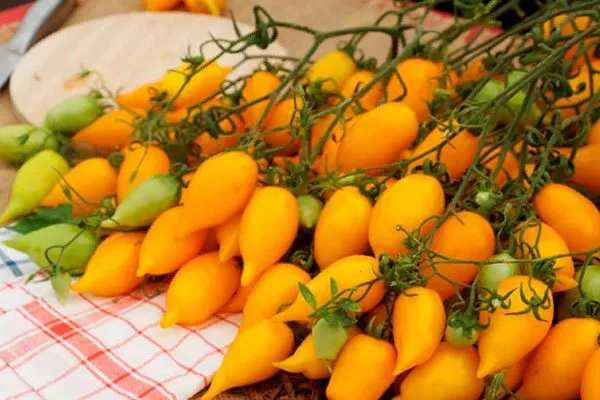
Tsypochka is an indeterminate variety whose plants can grow up to 1.5-2 m in height. Distinguishing features:
- Leaves - rich emerald green color with a matte surface, medium-sized, oblong, with light pubescence on the outer side.
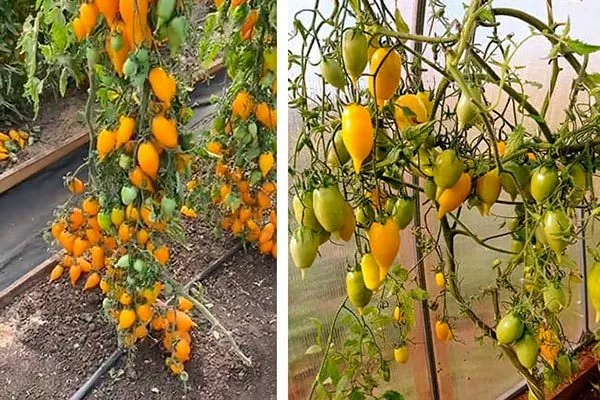
- Brushes – Vigorous, long, and unusually shaped, often overlapping each other. The first cluster appears after the 9th or 10th leaf, and each cluster produces up to 40 fruits.
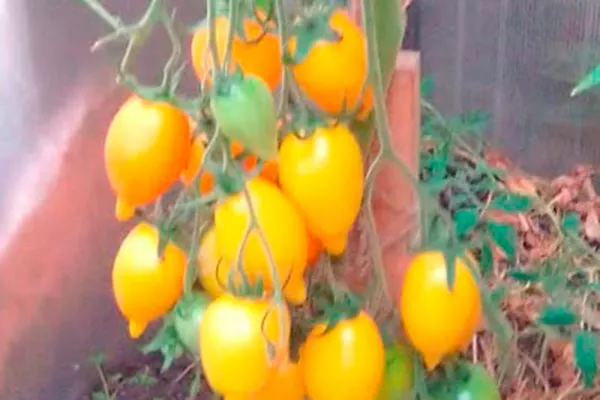
- Fruits – Medium-sized, oblong-shaped, with a light ribbed pattern and a small spout at the end, they resemble lemons. They are bright yellow, sometimes with honey or reddish hues, and weigh about 70-100 g.
- Peel - smooth and durable, which prevents the fruit from cracking.
- Pulp – dense, juicy, with a small number of seeds and no voids.
- Root system – It is well developed, and the stems are strong and thick, which allows the bushes to bear a large number of fruits.
Tomatoes have a sweetish flavor with a barely noticeable tartness. Ripe tomatoes have a subtle aroma not always found in other varieties.
Characteristics of the Chick tomato
Before planting a crop in your garden, it's important to familiarize yourself with its basic qualities. This variety has many characteristics that attract the attention of both novice and experienced gardeners.
Ripening and yield of the Chick tomato
The crop is characterized by a long fruiting period, lasting from June to October. Tomatoes ripen 95-100 days after the first shoots emerge. Numerous fruit clusters form on the plant. The tomatoes ripen unevenly, but ripe ones do not fall off.
A single bush can yield up to 40 tomatoes, or about 5-8 kg. In greenhouses, the harvest can be more abundant, reaching up to 10 kg. Harvest tomatoes as they ripen, and store the autumn batch. If the stalks are still attached, they will last for up to two months.
Resistance to diseases and pests
With proper care, the plant is problem-free. However, like all plants in the nightshade family, its immunity weakens if grown in unsuitable conditions.
The chickpea can be susceptible to various diseases, including blossom-end rot, mosaic, late blight, anthracnose, and phoma. To combat these diseases, modern fungicides are recommended, which can be combined with folk remedies for increased effectiveness.
Weather tolerance and growing regions
This variety exhibits good resistance to various weather conditions. It tolerates temperature fluctuations and light frosts well, making it suitable for cultivation in a variety of climates.
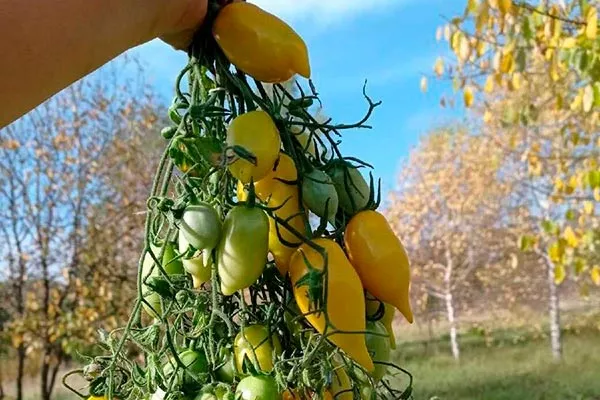
Tsypochka tomatoes are suitable for growing in most regions of Russia. In the north and central regions, it is recommended to grow this variety in greenhouses, while those living in the southern regions can safely plant tomatoes in open beds.
Scope of application
Exotic-shaped tomatoes are often used for whole-fruit pickling or canning. Their compact shape and strong skin ensure they remain intact in jars and do not crack.
Tomatoes are delicious fresh, especially in salads. They can be used to make delicious salads, vegetable sautés, winter preserves, and even baby food.
- ✓ Optimum soil temperature for sowing seeds: +25-27°C.
- ✓ Seed sowing depth: 1-1.5 cm.
- ✓ Distance between plants when planting in the ground: 40×40 cm.
Landing rules
Proper tomato cultivation is the key to a good harvest and healthy plants. To achieve maximum results, it's important to follow certain planting and preparation guidelines.
It is important to consider planting timing, properly process the planting material, and provide favorable conditions for seedling growth.
Sowing time and preparation
For the Tsypochka variety, the optimal time to sow seeds is late February or early March, depending on the region and conditions. This time allows the seedlings to grow to the desired size before transplanting into the open ground or greenhouse.
Prepare the seeds in advance: treat them for diseases and soak them in growth stimulants to improve germination. Harden the seeds by placing them first in hot water, then in cold water for a few minutes. This will strengthen the plants and increase their resilience to external conditions.
Sowing
Place the seeds in prepared containers or peat pellets at a depth of 1-1.5 cm. To ensure good germination, the soil should be moist and warm (around 25-27°C). After sowing, cover the container with plastic wrap or glass to create a greenhouse effect.
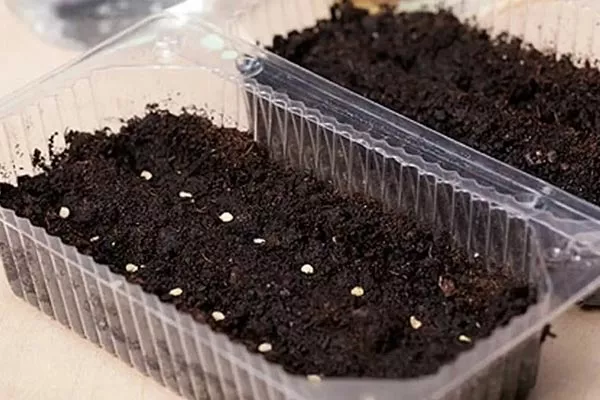
When the first shoots appear, remove the film and reduce the temperature to 20-22°C to prevent the seedlings from stretching. At this stage, it's important to provide the plants with sufficient light—it's best to use phytolamps if natural light is insufficient.
Growing seedlings
Once the seedlings have grown and developed several true leaves, transplant them into individual containers. Ensure the soil is loose and well-aerated, and water regularly but not excessively.
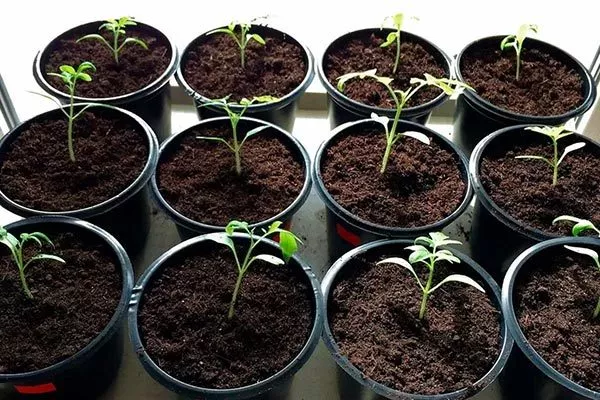
For normal growth, seedlings need not only light and water but also nutrition. Use a complex fertilizer rich in nitrogen, phosphorus, and potassium. Repeat this process every 10-14 days.
Once the seedlings have grown and become stronger, begin hardening them off, gradually acclimating them to cooler temperatures and direct sunlight. Allow the seedlings to acclimate to outdoor conditions 7-10 days before planting them in the ground or greenhouse.
Planting in the ground
The cultivation guidelines for the Tsypochka tomato variety are quite simple. Plant the seedlings in a 40x40 cm pattern, leaving 50 cm between the holes. Begin planting in mid-April, when the seedlings have already developed 6-8 full leaves.
The landing algorithm is as follows:
- Prepare the holes 3 days before planting to allow the soil to warm up. Add 20 g of potassium sulfate and 1 tablespoon of 20 g of superphosphate to each hole, then sprinkle the mixture onto the soil.
- Carefully place the seedlings in the hole, spreading out the roots. Plant them deep enough to reach the first true leaves.
- Cover the roots with soil and lightly compact the root zone.
- Moisten the plants with 1 liter of settled water, adding a little potassium permanganate to disinfect the soil.
Yellow tomatoes prefer sunny, well-lit areas protected from drafts. This will help ensure sweet fruit and minimize the risk of disease and pest attacks.
Care instructions
Caring for your Tsypochka tomato plants is crucial for healthy plants and a good harvest. This variety requires attention at all stages of growth, from planting to harvest.
Garter, pinching and soil care
Plants can reach considerable height. To prevent stems from breaking under the weight of the fruit and to ensure good air circulation, tie up the shoots. This encourages vertical growth, which is important for producing even and healthy fruit.
Helpful tips:
- Use wooden or plastic stakes, trellises, or nets. Secure the stems carefully to avoid damaging them.
- Pinching out side shoots is the removal of lateral shoots that develop in the leaf axils. This procedure is essential for this tomato variety, as it helps focus on the development of the main stem and fruiting.
Removing side shoots prevents overcrowding, improves air circulation and reduces the risk of disease. - To ensure plants receive all the necessary nutrients and oxygen, regularly loosen the soil around the bushes. This promotes better air penetration to the roots, improves water drainage, and prevents crust formation on the soil surface.
- The plot should be free of weeds, which compete with tomatoes for water and nutrients. Weeding helps prevent the spread of diseases and pests.
Mulching is an essential part of soil care. It helps retain soil moisture, prevents weeds, and maintains an optimal temperature around the roots. Use straw, grass clippings, or wood chips for mulching.
Top dressing
The plant will bear fruit vigorously with regular fertilization. Apply the first fertilizer two weeks after transplanting the seedlings into open ground, using an infusion of bird droppings or mullein. Apply a complex mineral fertilizer after 10 days.
Schedule the third feeding when the first fruits begin to ripen, and the fourth two weeks later. Superphosphate and Agricola-3 are effective.
Watering
Chickpea is a variety that is particularly sensitive to moisture, so water the plantings twice a week. Don't allow the top layer of soil to dry out. Use settled, room-temperature water for watering.
Forming a tomato bush called Chick
Train the tomatoes into two stems. Remove side shoots that develop during growth early on, as they take up a lot of nutrients. Leave 2-3 main shoots on each plant. When the tomatoes begin to fill out, there should be no side shoots on the bushes.
In the greenhouse, train the plants into a single stem. Tie the main shoot to a support, leaving the first flower cluster on it. Remove all other stems and side shoots. Pinch the tops at about head height to encourage lateral branching and improve fruiting.
Pest and disease control
Mid-season tomatoes are susceptible to a number of pests that threaten their harvest. Here are some of the most dangerous:
- Mole cricket. The insect prefers to nest in well-fertilized and moist areas. To control mole crickets, use powerful insecticides and folk remedies, such as vinegar or hot red pepper infusions.
- Wireworms. The larvae have a thick shell and feed on plant roots. To prevent this, alkalize acidic soils in the fall.
- Cutworms. Caterpillars are among the most dangerous pests for vegetable crops. To prevent their occurrence, carry out deep mechanical tillage of the soil and regular weeding. If an infestation occurs, collect the pests by hand and destroy them.
- Colorado beetle. This insect poses a serious threat to many crops, including tomatoes. To control it, loosen the rows, hill up the bushes, and treat the soil with wood ash. Use traps and chemicals.
The Tsypochka variety is susceptible to various diseases, including blossom-end rot, mosaic, late blight, anthracnose, and phoma. To combat these ailments, use fungicides and folk remedies.
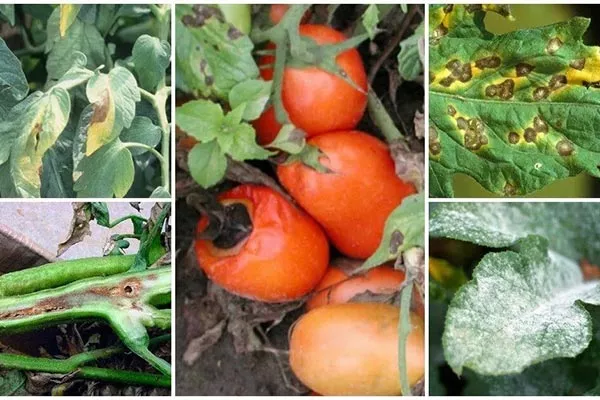
Remove damaged plant parts and burn them away from the area. Before the new season, dig up the soil and treat it with copper sulfate or a hot potassium permanganate solution to disinfect.
Pros and cons
Before planting seedlings in the garden, be sure to research not only the advantages but also the disadvantages of the crop. Tsypochka has several advantages:
Among the negative qualities, some gardeners note the need for pinching, tying and shaping, the tallness of the bushes - requiring a lot of space on the site, the need for watering and the not very large size and weight of the fruits.
Reviews
The Tsypochka tomato appeared relatively recently, but has quickly become popular among gardeners in our country. This is due to its excellent varietal characteristics: low maintenance, high yield, and excellent taste. This variety is ideal for growing both in greenhouses and open beds.