
Gypsy is a tall variety. It is disease-resistant and renowned for its high productivity. Its tomatoes are fleshy, rich in flavor, sweet with a hint of tartness. This variety is characterized by a long fruiting period. The tomatoes are easy to transport, do not crack, and have a long shelf life.
Description of the bush and fruits
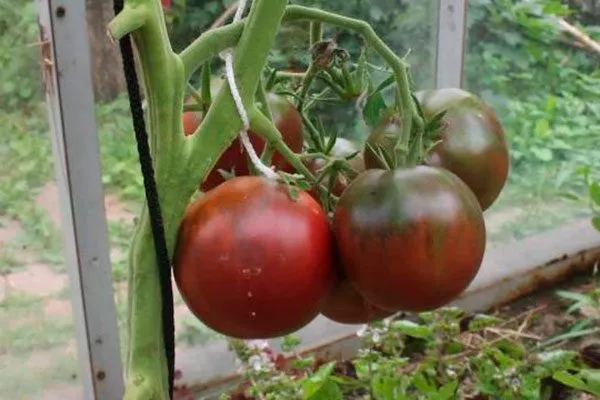
The Gypsy tomato is a semi-determinate variety. Plants reach 1-1.2 m in height. They are vigorous, with medium foliage, strong stems, and loosely spreading branches.
Distinguishing features:
- leaves - large, dark emerald color;
- root system – developed;
- intermediate inflorescences – form articulated stalks;
- flower brush – the first one appears at the level of the 8-9th leaf, the subsequent ones – at intervals of three leaves;
- tomatoes - rounded, smooth, with light lateral ribs and a glossy surface;
- weight - varies from 100 to 120 g.
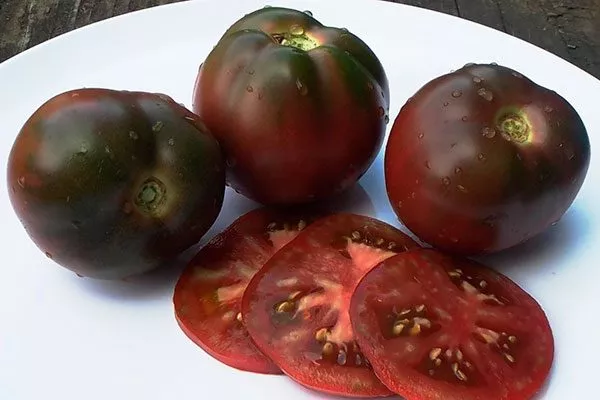
At the stage of technical maturity, the vegetables are colored pale green with a dark spot near the stalk, and fully ripened tomatoes acquire an unusual color - purple skin with chocolate tints, and sometimes - a pink-chocolate color.
On average, 5-6 fruit clusters form on the main stem, each producing 4-6 tomatoes. To ensure a good harvest, it's important to properly structure the bush, remove side shoots, and tie the plants to supports.
Main characteristics
In addition to traditional varieties, gardeners and homesteaders enjoy choosing exotic varieties like the Gypsy tomato. This tomato is distinguished by its distinctive color and excellent flavor.
Origin and growing regions
This variety was developed by Russian breeders in 1998. The authors are A. V. Dynnik, S. A. Korotkov, and V. M. Nalizhity. In 2000, the crop was added to the State Register. The variety is successfully grown both in open ground and in greenhouses.
Gypsy has shown consistent results in various regions of Russia, with the exception of the Far North. However, it's worth keeping in mind that in northern regions, growing in raised beds may be less successful than in enclosed structures. In southern regions, the crop grows well without additional cover.
Ripening and fruiting, productivity
Tsygan is a mid-season tomato. Its growing season lasts approximately 115 days. The tomatoes ripen gradually, making the harvesting process extended. Full-season ripening lasts 30-40 days, beginning in mid-July and ending in early autumn.
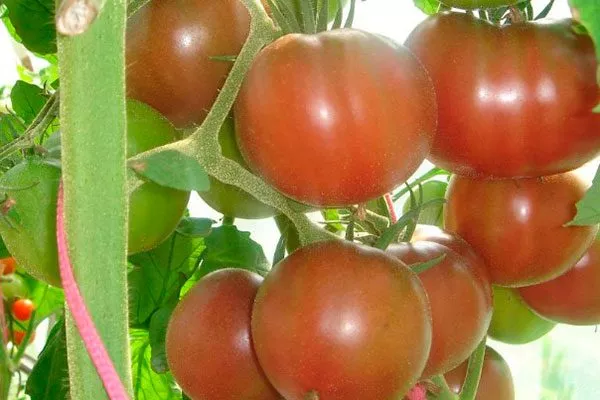
This variety is characterized by good yields: 6.3-6.7 kg of fruit can be harvested from one square meter of planting. They can be transported short distances without loss and can be stored for some time if kept cool and shaded.
Scope of application
Beneath the elastic and durable skin lies a meaty, juicy, and tender pulp. The tomatoes contain a small number of seed chambers. The flavor is harmonious: sweet, with a pleasant sugariness at the bite and a slight piquant acidity. The aroma is classic and refreshing.
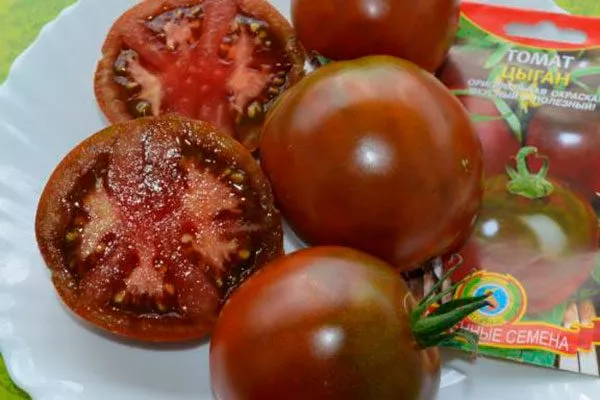
This variety is versatile. Tomatoes are eaten fresh, added to salads, pickled, and processed into sauces and ketchups. However, they are not suitable for whole-fruit canning, as the thin skin is easily damaged during cooking.
Obtaining seedlings
To successfully grow tomatoes and achieve bountiful harvests, you need strong, high-quality seedlings. Seeds are planted indoors, creating an optimal environment for the seedlings—the right temperature, soil moisture, and adequate light.
- ✓ Check the expiration date of the seeds; the optimal storage period is no more than 3 years.
- ✓ Pay attention to the manufacturer, give preference to proven agricultural firms.
- ✓ To increase germination, seeds should be treated with growth stimulants.
Preparatory stage and sowing
Sow the seeds in mid-March to early April. Use a mixture of equal parts fertile soil and humus. Peat pellets or ready-made seedling soil from gardening stores are suitable.
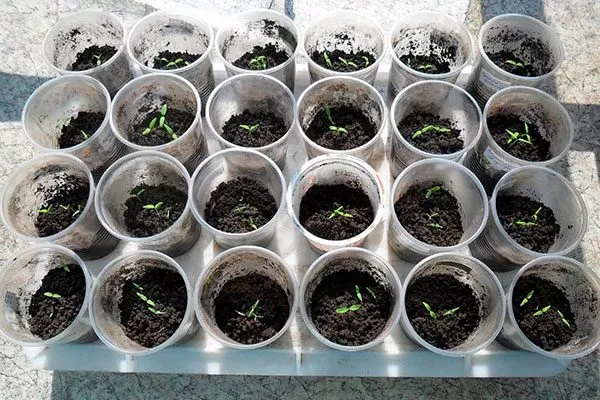
Follow these recommendations:
- Before sowing, disinfect the soil. To do this, bake it in the oven or microwave for 20 minutes or water it with a weak solution of potassium permanganate.
- To improve germination, soak the seeds in warm water for 24 hours. If they have a colored coating, no further treatment is required – they are already coated with a nutrient mixture that promotes plant growth.
- Fill 12-15 cm tall planting containers with prepared soil. When growing in individual containers, no pricking out is required. If you're sowing seeds in a common container, you'll need to transplant the seedlings later.
Plant the seeds 0.5 cm deep, moisten the soil, cover with plastic wrap, and place in a dark place. At a temperature of 20-25°C, seedlings will appear in 7-10 days.
Caring for seedlings
Once sprouts appear, move the container with the seedlings to the windowsill. Create optimal conditions for vigorous growth:
- daytime temperature – +18-24°С;
- nighttime temperatures – +14-16°C;
- bright diffused light – at least 12 hours a day;
- regular ventilation;
- watering every three days.
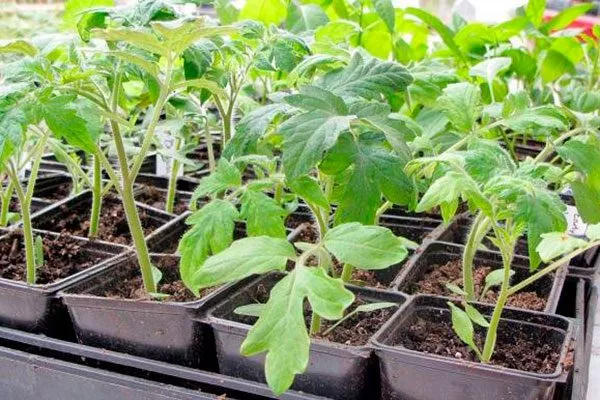
If natural light is insufficient, install phytolamps and turn them on as needed. Moisten the seedlings by spraying them with warm, settled water. Once the plants have two true leaves, transplant them into individual containers with a capacity of at least 500 ml.
Planting in the ground
For best results, grow the crop in a greenhouse. In the fall, prepare the beds: replace about 12 cm of soil, as this can harbor insects and fungal infections.
- Two weeks before planting, add compost or humus to the soil at a rate of 5 kg per 1 sq.m.
- Carry out deep digging of the area to improve aeration.
- Three days before planting, water the soil with a solution of phytosporin to prevent diseases.
Helpful tips:
- Tomatoes prefer light, fertile soil that is well-drained and aerated. Dig the area and apply fertilizer: 5 kg of compost, 15 g of double superphosphate, and 30 g of potassium salt per square meter.
- The best predecessors for tomatoes are legumes, cabbage, carrots, onions, and green manure. Avoid planting this variety after other tomatoes, peppers, eggplants, and potatoes.
- Transfer the seedlings to the greenhouse two months after germination, when the plants have reached a height of 30 cm and have at least 6 leaves.
The distance between bushes should be 50 cm. If planting multiple rows, maintain a spacing of 70 cm. Transplant the seedlings into prepared holes along with the root ball, cover the roots with soil, and water thoroughly.
Caring for tomatoes
Regular care of the crop guarantees bountiful harvests. It requires standard agricultural practices, which also help strengthen the immune system.
Watering plants
Watering for Gypsy depends on weather conditions and the growth stage of the bushes. Use warm, settled water for irrigation. Apply it in the morning or evening, directly to the roots.
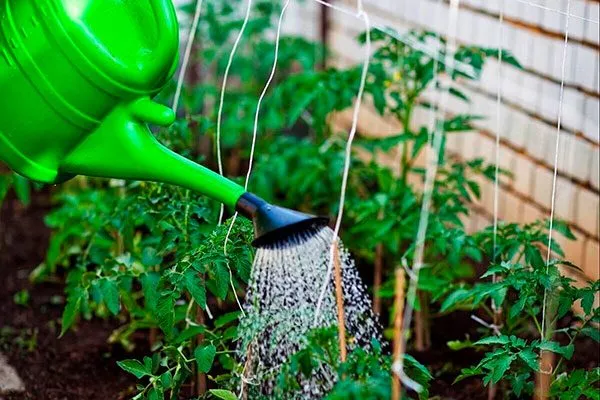
Irrigation scheme:
- before the inflorescences appear – 5 liters once a week;
- during the flowering period – 3 liters every 4 days;
- during fruiting – 4 liters every week.
Overwatering can lead to the development of fungal diseases. Be sure to ventilate the greenhouse or hotbed afterward. Monitoring the process is especially important during the fruiting period to prevent cracking of tomatoes.
Fertilizing
The crop responds well to regular fertilization. The approximate fertilization schedule is as follows:
- 10-14 days after transplantation seedlings Prepare a solution of 10 liters of water and 500 ml of liquid mullein. Apply this mixture under each bush, using 0.7–1 liter.
- 10-14 days after the first feeding Follow this procedure. Dissolve 20 g of potassium sulfate and 20 g of superphosphate in 10 liters of water. To treat green foliage, make a less concentrated mixture, adding 10 g of each substance to 10 liters of water.
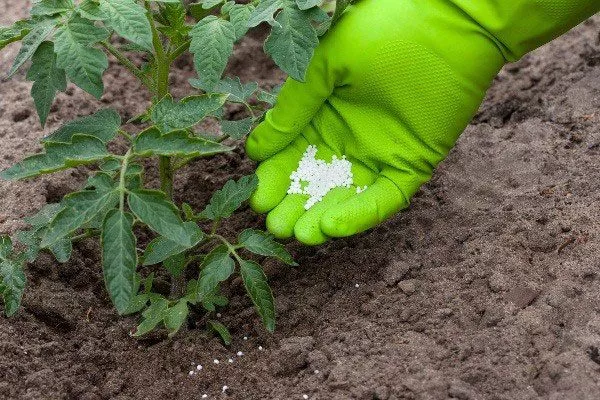
As an organic fertilizer, use dry wood ash or prepare an infusion from it (200 g per 1 liter of water, let stand for 24 hours). Alternating organic and mineral fertilizers produces good results.
Bush formation
Maximum yield of the Gypsy tomato variety is achieved by arranging the plants into 2-3 stems. Remove excess shoots by hand every 5-7 days, and pluck the lower leaves to improve air circulation and reduce the risk of disease.
Although staking the plant is not mandatory, it is recommended to secure the trunks and branches. This is important because the weight of the fruit can cause damage. A determinate bush naturally stops growing once the ovaries form at the top of the stem.
Protection from diseases and pests
Gypsy has good resistance to diseases and insects. However, the crop requires preventative measures:
- moderate watering;
- pruning excess branches;
- ventilation of the greenhouse;
- application of fertilizers.
These procedures will significantly reduce the risk of damage. It's especially important to water the plants properly—it's better to underwater than overwater, as excess moisture can be harmful.
If signs of disease appear on the bushes, use specialized treatments, such as Zaslon or Fundazol. Grom, Bazudin, and Fitoverm are effective in treating common diseases.
Pros and cons
Tomatoes with unusual colors attract attention even among numerous other varieties. This is due not only to their uniqueness and commercial qualities, but also to a number of advantages:
Some vegetable growers consider the need for pinching, mandatory shaping and tying up of bushes to be disadvantages of the crop.
Reviews
Tsygan is a popular and sought-after variety that will satisfy both beginner and experienced gardeners. It produces a consistent harvest, is highly disease-resistant, and its low maintenance makes it ideal for growing in a variety of climates. With proper care, the plants will produce tomatoes from early summer until fall.