
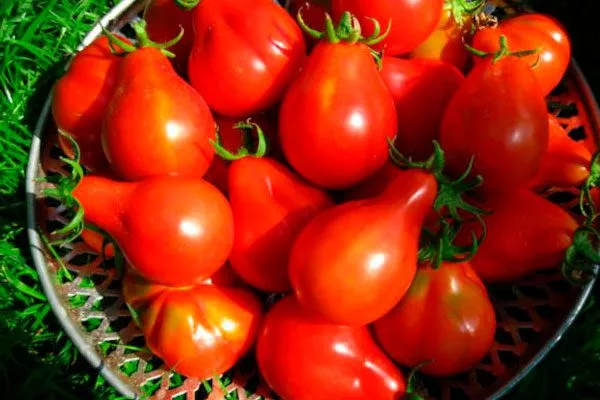
Red truffles appeal to gardeners with their versatility and excellent flavor. These tomatoes are pear-shaped, brightly colored, and richly sweet. They are suitable for canning, but are not suitable for juice or paste. This variety is characterized by high yields, resistance to temperature fluctuations, and resistance to most diseases.
Description of the bush and fruits
Belongs to the indeterminate type. In a greenhouse, plants reach 170 cm or more, and in open ground – up to 90 cm. Distinguishing features:
- The shoots are covered with dark green, medium-thick leaves with a distinctive tomato aroma. The leaf blades are lightly pubescent and dissected along the edges.
- The branches are straight and weak, requiring staking. The trunks actively produce side shoots, and the flowers are gathered in simple inflorescences.
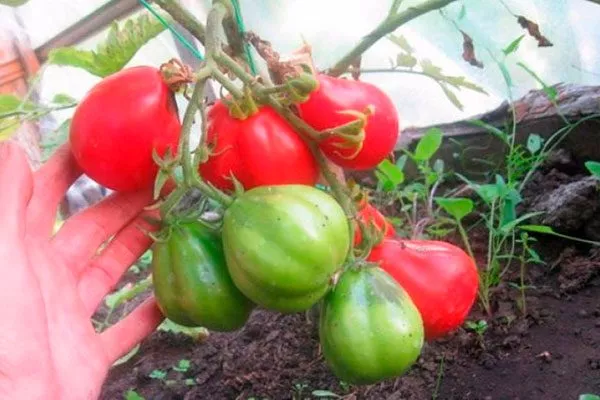
- Due to their unrestricted growth, numerous clusters form on the stems, so the plants require not only structuring but also thinning. Each cluster produces up to seven fruits.
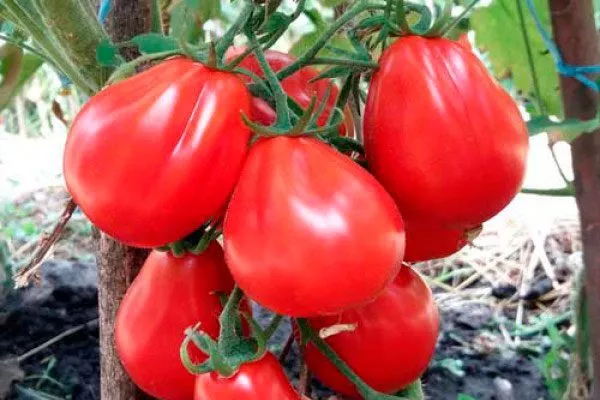
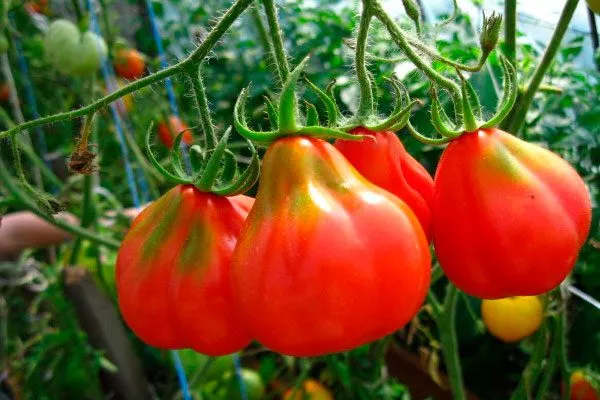
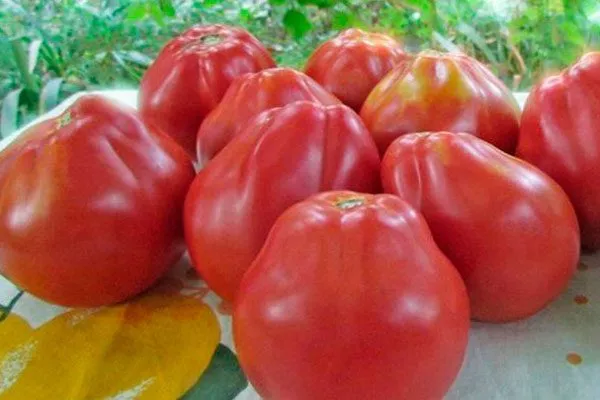
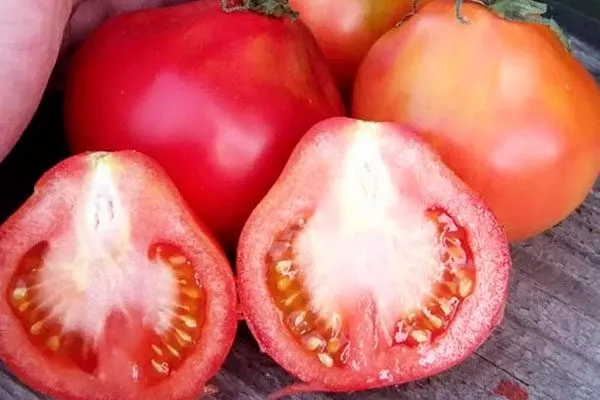
- Truffle-shaped, slightly ribbed tomatoes acquire a rich carmine-red hue when ripe. When milky green, they have a high ripening potential, quickly reaching maturity at home.
- The weight of vegetables varies from 150 to 200 g. The cross-section shows 5-6 seed chambers with a moderate number of seeds.
Characteristics of the Red Truffle variety and its origin
The originators of this crop are Russian breeders from SibNIISR. Since its introduction, the variety has quickly gained popularity among farmers thanks to its numerous characteristics.
Ripening period and yield
The red truffle is an early-ripening variety. The fruits are ready for harvesting 110 days after the first shoots appear. The medium-sized plants expend minimal energy on foliage growth, which speeds up the ripening process.
Productivity depends on growing conditions and proper care. In greenhouses, up to 16 kg of fruit can be harvested per square meter, while in open beds, around 12 kg. Planting too densely can negatively impact the quality and quantity of the harvest.
Purpose
The tomatoes have fleshy, juicy, virtually seedless flesh with a bright red color. The flavor is balanced and classic, and the skin is delicate and thin. The fruits are versatile: they can be eaten fresh, preserved, pickled, added to salads, and used as a garnish for various dishes.
However, tomatoes are not suitable for making pastes and juices, as the yield is too low. The dry matter content of the vegetable is 6-8%.
Disease resistance, variety tolerance to external conditions and regions
The crop has good immunity to infections and pests. However, in unfavorable weather conditions, the bushes can suffer from dry spot or brown rot. The red truffle is a hardy variety, resistant to temperature fluctuations. However, during significant cold snaps, the crop requires plastic cover.
Despite their extensive root system, tomatoes do not tolerate prolonged drought well—a lack of moisture slows plant growth and reduces fruit set. In southern regions, the variety produces well in open ground, while in colder zones, it thrives in greenhouses.
The variety is successfully grown in the following areas, districts and regions:
- Northern;
- Northwestern;
- Central;
- Volga-Vyatka;
- Central Black Earth;
- North Caucasian.
Gardeners cultivate red truffles in the Middle Volga region, Crimea and Kuban.
How to grow seedlings?
Growing tomatoes isn't particularly difficult, but it does require attention and following certain guidelines. For a good harvest, it's important to select high-quality seedlings and transplant them correctly into the garden beds.
Seed preparation
To improve germination and disease resistance, pre-treat your planting material. Follow these steps:
- Selection. Sort the seeds, removing any damaged or empty ones. To check their quality, soak them in a salty solution (5 g per 100 ml of water). The full-bodied seeds will sink to the bottom, while the lighter ones will float—discard them.
- Disinfection. To protect against fungi and infections, soak the seeds for 15-20 minutes in a weak solution of potassium permanganate (1 g per 100 ml of water) or a 2% hydrogen peroxide mixture heated to 40°C, then rinse thoroughly.
- Soak. Soak the seeds in warm water or a growth stimulant (Epin, Zircon) for 10-12 hours. This will speed up germination.
- Hardening. To increase the grain's resistance to temperature fluctuations, place the grains in the refrigerator for 24 hours at +2…+5°C, then leave them at room temperature for 6-8 hours, and then refrigerate them again for 12 hours. Repeat this process 2-3 times.
- ✓ Optimum soil temperature for seed germination: +22…+25°C.
- ✓ Required seeding depth: 1-1.5 cm.
Wrap the prepared seeds in a damp cloth or gauze and leave at a temperature of +22…+25°C until the first sprouts appear, then immediately sow them in the soil.
Container and soil
To grow tomato seedlings, you'll need suitable containers. Here are some basic recommendations:
- To sow seeds, use wooden or plastic containers with drainage holes. You can make them yourself or buy ready-made ones.
- When transplanting, replant each plant into a separate container. Suitable containers include special seedling pots, food containers, plastic or paper cups, and even cut-off juice cartons.
Buy ready-made tomato soil mix or prepare your own, but avoid using soil from beds previously used for growing onions, tomatoes, potatoes, or peppers. Soil from cucumbers or cabbage is ideal.
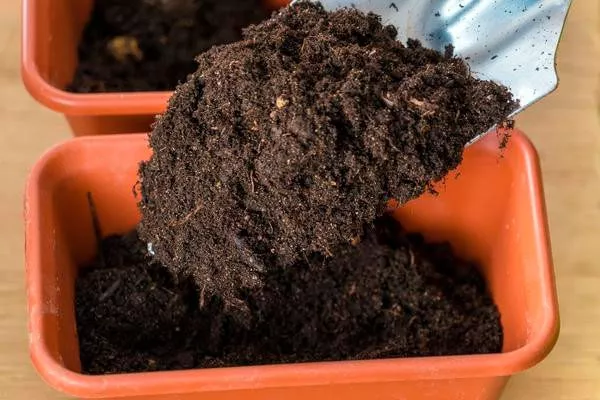
Before use, disinfect the prepared substrate: freeze it twice or bake it in the oven. This will help eliminate potential pests and infections. Ready-to-use store-bought soil does not require any additional treatment.
Sowing
Begin this process 50-60 days before you plan to transplant the seedlings to their permanent location. Follow these steps:
- Fill the prepared containers with soil, compact it thoroughly and make furrows 1-1.5 cm deep, maintaining a distance of 3-4 cm between rows.
- Water the beds.
- Spread the seeds evenly over a damp surface, then sprinkle with a thin layer of soil.
- Cover the box with film and place it in a warm place.
Growing and care
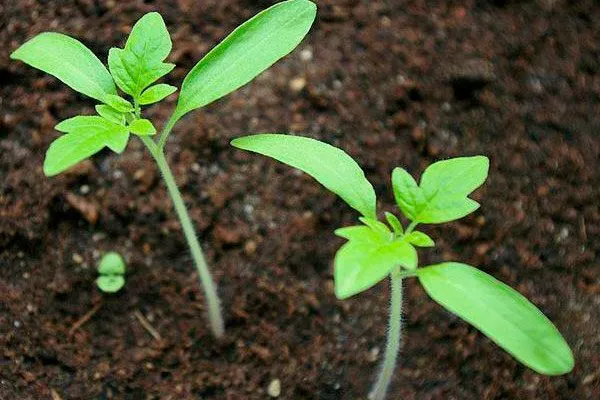
When the seedlings develop 1-2 true leaves, transplant them into individual containers. To do this, gently lift the seedling with a teaspoon, trying to grasp the root as deeply as possible, and transfer it to a separate cup filled with soil. After transplanting, lightly compact the soil and moisten it.
Helpful tips:
- The optimal temperature for seedling growth is +20-25°C during the day and not lower than +18°C at night.
- Water as the top layer of soil dries out, preferably in the morning so that the roots have time to absorb moisture and do not get too cold at night.
Once every 2-4 weeks, feed the seedlings with phosphorus-potassium fertilizers to actively develop the root system.
Transfer
Plant the seedlings outdoors when they have 5-7 true leaves. Avoid watering the plants for a few days beforehand to facilitate removal from the container and avoid damaging the roots.
Follow certain rules:
- The day before planting, water the soil with a strong solution of potassium permanganate to disinfect it.
- Add humus, wood ash or vermicompost to the holes or furrows, then pour in 1-2 liters of water.
- Carefully place the plants in the soil, cover and compact the soil well.
Plant care
Crop care must be timely and regular, as yields depend on it. Standard agricultural practices are essential.
Watering and soil care
Tomatoes are heat-loving plants that don't tolerate drafts or extreme cold. Maintain dry air in the greenhouse. Mist the plants with a watering can without a sprayer, about once a week. Increase the frequency of watering during hot and dry weather.
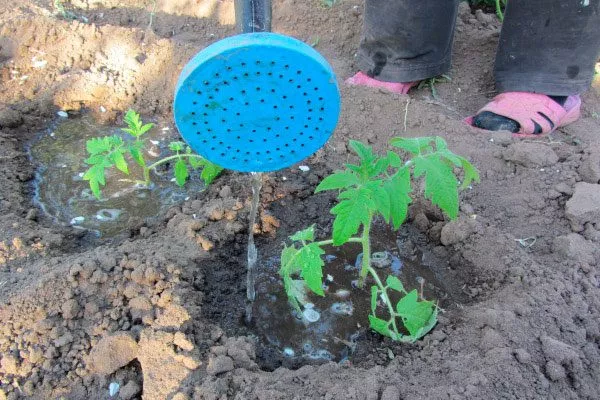
After the water has soaked in, loosen the top layer of soil. This will prevent the formation of hard crusts on the surface, which could damage the delicate stems of the bushes.
Weeding helps eliminate weeds, which compete with tomatoes for nutrients. Mulching helps retain soil moisture, reduce weed growth, and maintain a stable root temperature.
Pinching out side shoots and shaping the bush
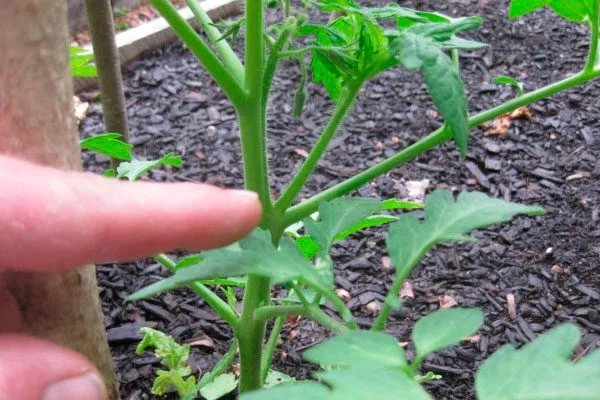
Since this variety is indeterminate, removing side shoots is essential. Train the plant into two stems, leaving the lower shoot intact, and break off the remaining shoots, leaving 2-3 cm. This will limit the growth of new shoots in the axil.
To prevent breakage and damage to branches, be sure to tie long stems to a support. The best method is to use a trellis, stakes, or netting. Secure the shoots and trunk with soft materials. Begin this process when the bushes reach 30-40 cm in height.
Plant fertilizing
Tomatoes need essential nutrients for abundant fruiting: nitrogen, potassium, phosphorus, and calcium. Depending on the plant's growth stage, specific ratios of these nutrients in fertilizers are required. Dissolve the following fertilizer doses in 10 liters of water:
| Period | Ammonium nitrate | Superphosphate | Potassium chloride |
| 1-2 weeks after planting | 15-20 g | 45-50 g | 5-10 g |
| Before the formation of 3 fruit clusters | 25-30 g | 70-80 g | 20-25 g |
| Until the end of the growing season | 30-40 g | 30-40 g | 25-30 g |
Features of cultivation and mistakes, difficulties
Red truffles are easy to care for and require little effort if proper gardening practices are followed. However, there are several common mistakes gardeners often encounter:
- excessive planting density;
- untimely loosening and weeding;
- high air humidity in the greenhouse (more than 60%);
- lack of fertilizers and supplements.
The main problem is overwatering. Overwatering can lead to disease and pests, as most problems are related to excess soil moisture. Watering should be regular, approximately every 5-6 days, and fertilizing should be done according to a set schedule.
The nuances of growing in open ground and in a greenhouse
The bushes grow well in gardens in southern and central Russia, as the variety easily tolerates temperature fluctuations. However, to increase yield and reduce the risk of fruit loss due to adverse weather conditions, it is recommended to cultivate it in greenhouses in the central part of Russia.
When growing outdoors, harden off seedlings 1-2 weeks before planting. Take the seedlings outdoors daily, gradually increasing their exposure to sun and cold. Start with 15 minutes. The optimal temperature for hardening off is 12-15°C.
Treatment against diseases and pests
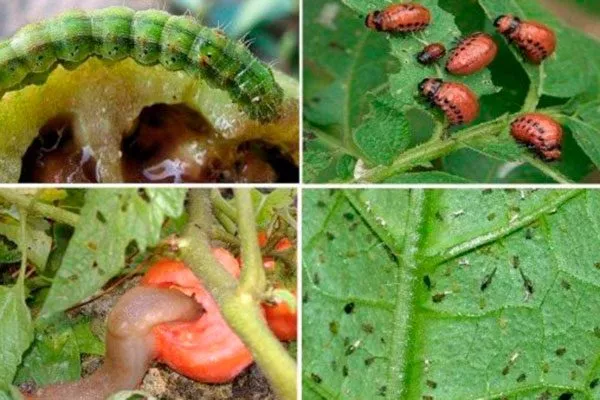
Red truffles are characterized by strong immunity, but under unfavorable weather conditions, plants can suffer from certain diseases. Brown rot affects the fruit: dark spots appear on the surface, and the flesh becomes completely infected.
To combat this, use the following medications:
- Oxychom;
- Fitosporin;
- Bordeaux mixture.
Dry spot appears as darkened lesions with a yellow border on leaves and tomatoes. Consent or Antracol are effective treatments.
In southern regions, plants may be attacked by spider mites, and in greenhouses and hotbeds, by thrips and whiteflies. Spray the plants with Confidor or Zubr. To protect tomatoes from diseases and pests, carry out preventative treatments using biological fungicides and insecticides.
Harvesting and storage
Pick tomatoes from the vines as soon as they acquire their characteristic color. Tomatoes ripen indoors, which helps prolong the freshness of the harvest. This helps the plant focus its energy on forming new buds.
Unripe fruits, thanks to their tough skin, can be stored for up to 3 months, ripening gradually. To slow down the ripening process, place them in cardboard boxes in two layers in a cool, well-ventilated place.
Pros and cons
Before growing seedlings and planting them in your garden, it's important to carefully study all the characteristics of the crop to avoid potential difficulties in the future. The Red Truffle tomato has many advantages:
Among the disadvantages, gardeners note the demanding watering regime, the need for regular fertilizing, and the need to tie the stems to supports.
Other popular varieties of Truffle tomato
In addition to the Red Truffle, breeders have developed other varieties with similar characteristics. For convenience and clarity, the differences are summarized in the table:
| Tomato variety | Specifications and Features |
| Japanese Red Truffle | The bushes reach 160 cm or more, yet remain compact. The leaves are medium-sized, rich green, and have clearly defined veins.
Ripe fruits acquire an unusual pearly pink hue. The tomatoes are large, averaging 100-150 g in weight. Each contains 5-6 seed chambers. The flesh is dense, juicy, and sweet. The flavor is balanced, with light sweet-tart notes. Yields up to 3 kg per plant. |
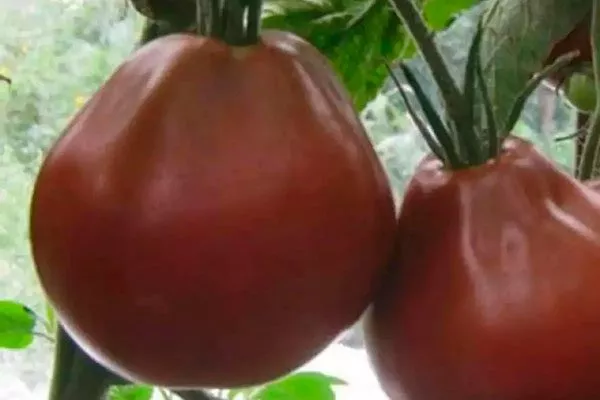
| Black truffle | The skin of ripe tomatoes is dark red, sometimes acquiring an almost black-brown hue, and some specimens become almost black.
The fruits are medium-firm, but covered with a thin, elastic skin that is resistant to cracking. Unripe fruits are light green with a dark spot near the stem, which disappears as they ripen. The flesh is dense and sweet, with few seeds, greenish when cut, and has a rich aroma. Productivity is average: a single bush yields 2-3 kg, and when grown in a greenhouse and well-maintained, up to 4.5 kg. |
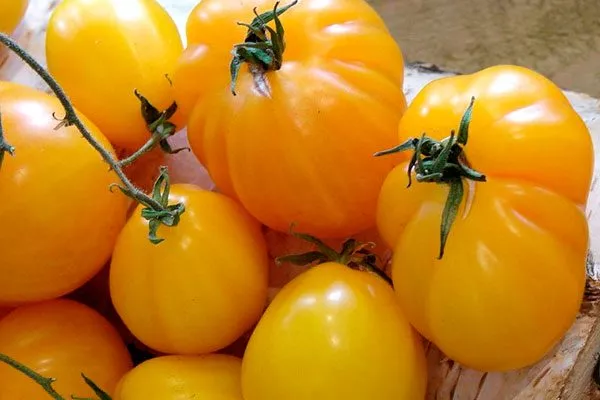
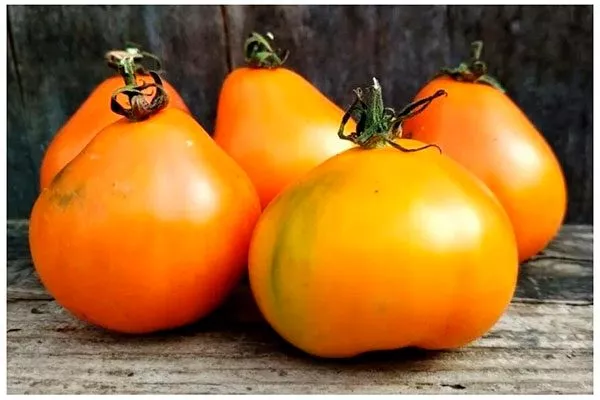
| Yellow truffle | The bushes are tall, reaching 90-170 cm, and can reach up to 200 cm in greenhouses. Foliage is moderate, with serrated edges. Ovaries form in clusters, each containing 5-7 fruits, and a single plant can produce up to 5 clusters.
Ripe tomatoes have a bright yellow-orange hue, are medium in size and weigh 90-150 g. The flesh is dense, juicy, with a rich, sweet taste. This mid-season variety ripens in 110-120 days. Yields are stable, with a single bush yielding 3-4 kg. |
| Pink truffle | The plant reaches 160 cm in height. The branches are fragile and may not support the weight of large tomatoes.
The weight of the vegetables is 100-150 g. The skin is pearly pink with iridescent highlights, creating a mother-of-pearl effect. This mid-season variety produces its first tomatoes 110-120 days after germination. Productivity is high: with proper care, a single bush can yield up to 7 kg. |
| Orange truffle | The plant height varies from 90 to 170 cm. The leaves are oblong and green.
Medium-sized tomatoes, weighing 100-150 g, are a rich orange color. The flesh is juicy, firm, and not watery, and the skin is smooth and firm. The taste is excellent: sweet with a slight tartness. This variety is mid-season, with fruits ripening 90 days after germination. Yields are stable. |
Reviews
Red truffles are easy to care for and adapt to a variety of climates, making them an excellent choice for both novice and experienced gardeners. The tomatoes retain their freshness for a long time and are used for culinary purposes. This variety boasts good productivity, excellent taste, and consistent fruiting.