
Summer Garden is an early-ripening tomato hybrid suitable for greenhouse or open-ground planting. These tomatoes are rich in nutrients, and their flavor delights many gourmets. Before planting this variety, carefully review its characteristics.
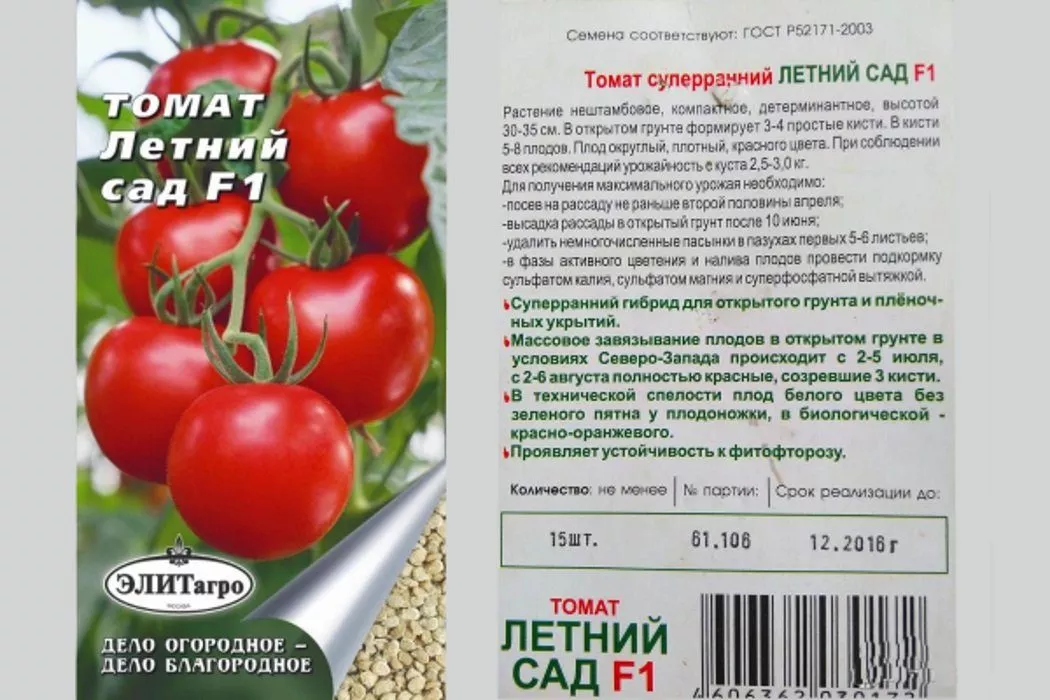
Tomato seeds Summer Garden
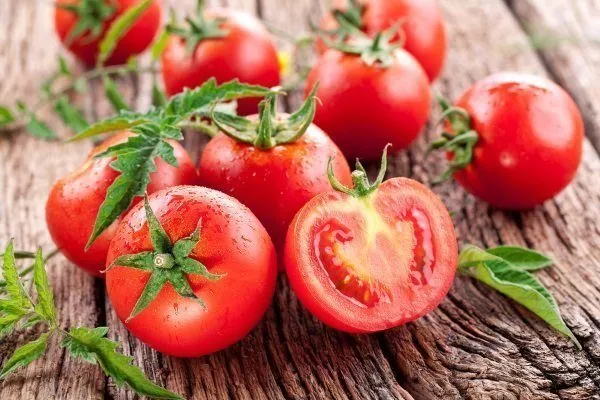
Summer Garden tomatoes are round, smooth, fleshy and have a lot of seeds.
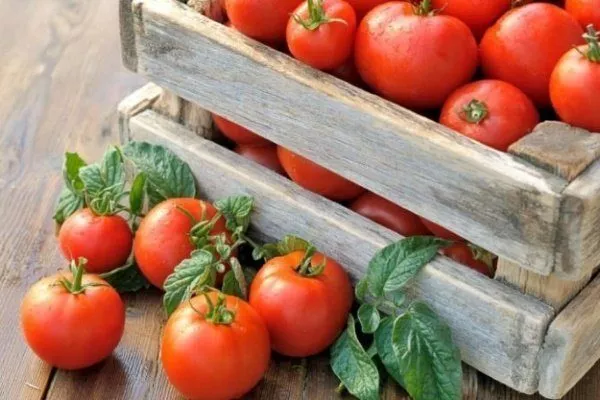
You can harvest up to 17 kg of tomatoes from one square meter.
Description of the variety
Summer Garden tomatoes are a relatively new variety, added to the state register in 2001. Since then, they have become popular among both novice and professional vegetable growers.
Tomatoes are frost-resistant, easy to care for, and produce a bountiful harvest. Thanks to their strong immune system, the plant is protected from the damaging effects of fungi and a number of diseases.
Characteristic
This versatile variety is an early hybrid. For planting, use seeds or seedlings, in open ground or greenhouse conditions. The fruits ripen throughout growing season, maintain a presentable appearance during storage and transportation.
Other features of the Summer Garden variety:
- yield – up to 17 kg of fruit per 1 square meter of area;
- ripening of ovaries is racemose;
- bush height – up to 60 cm;
- number of brushes – 3-4 on each bush;
- maturity – 90-100 days after planting seeds.
Fruit
The tomatoes are round, symmetrical, and richly red with smooth skin. A ripe fruit weighs 120-150 g and grows in clusters of 5-8. The flesh is firm and firm, yet meaty. The fruits are multi-chambered, containing numerous seeds.
At technical ripeness, tomatoes are pale, without a green spot near the stem. At biological ripeness, tomatoes acquire a rich red or orange color, a firm texture, and fleshy flesh. The Summer Garden variety is eaten fresh or processed.
Productivity
In addition to frost resistance, a high yield is an important selection criterion for vegetable growers. During the fruiting season, a single bush can yield up to 3-4 kg of ripe tomatoes. One square meter of area can yield up to 17 kg of tomatoes. The fruits ripen in clusters, making harvesting easy.
The advantages and disadvantages of the Summer Garden
Some of the advantages of this tomato variety are listed above, but before purchasing Summer Garden seeds or seedlings, it is advisable to familiarize yourself with the full list:
- early maturity of the fruit;
- high yield;
- frost resistance;
- good taste of fruits;
- long shelf life;
- preservation of fruits during transportation;
- strong immunity;
- no need for pinching or tying up bushes;
- versatility of fruit use.
These hybrids have their drawbacks, but they remain in the minority:
- cracks in the stalk;
- excess of seeds;
- the pulp is of a dense consistency.
Features of cultivation
To get a good harvest, plant the seeds 60 days before transplanting the young plant outdoors. The first ovaries appear 30 days after sowing, and ripe fruits can be harvested after another 30 days. Be especially careful when purchasing planting material.
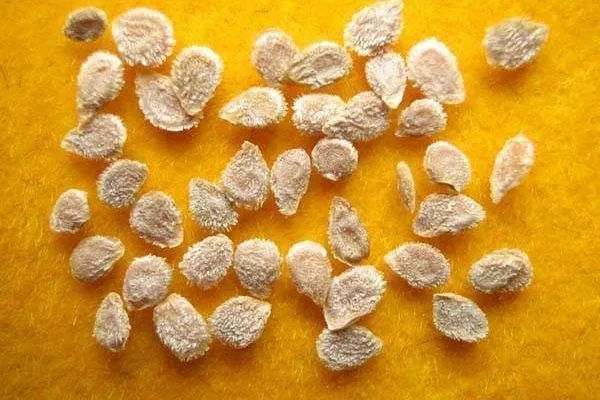
Selecting seedlings
Buy seeds from trusted producers and check each seed for integrity. If you plan to plant tomatoes from seedlings, consider the following criteria for selecting young seedlings:
- presence of 6-8 leaves;
- sprout age – 45-60 days;
- stem thickness – 5 mm;
- healthy, whole leaves of moderate green color.
Yield depends not only on the seedlings but also on proper care. For example, seedlings don't like the scorching sun, and in cold soil, the root system will freeze.
Soil and fertilizers
For planting, choose fertile soil with a neutral pH. Pre-cultivate the soil to improve oxygenation and sun exposure. Additionally, provide mineral and organic nutrients.
A good composition for seedlings is considered to be a mixture of humus (1 part), peat (2 parts), garden soil (1 part) and sand (0.5 parts).
Before planting, sterilize the soil using one of the suggested methods:
- Calcination in the ovenSpread an 8-10 cm layer of soil on a baking sheet and bake in the oven for 30 minutes at 200 degrees.
- Watering with hot waterPour boiling water over the soil. Once it cools and dries slightly, use it for planting seedlings.
- Freezing. In winter, take the soil out onto the balcony for 3 days to 3 months. In warmer climates, freeze the soil in the refrigerator.
- Treatment with a weak solution of potassium permanganateThe solution should be pale pink. Water the soil and then wait for it to dry.
For intensive soil nutrition, use ready-made fertilizers, superphosphates, potassium fertilizer, or urea. Acidic soil can be treated with slaked lime or wood ash to lower the pH.
Landing rules
It takes up to two months for the fruit to grow from seed to ripe fruit. To ensure a good harvest (relative to the effort), follow these guidelines. When planting, avoid damaging the root system, water young plants, hill them, remove weeds, and use mineral and organic fertilizers.
Preparing seeds for sowing
Buy seeds from a good manufacturer, inspect the seeds, and remove any that are missing or deformed. seed germination use one of two methods:
- In a container with warm waterKeep the seeds in warm water for no more than 18 hours, otherwise they will spoil due to lack of oxygen.
- In damp gauzeWet the cloth and wrap a few seeds in it. Keep the gauze moist, otherwise the seeds won't germinate.
- ✓ Check the expiration date of the seeds; the optimal storage period should not exceed 3 years.
- ✓ Pay attention to the manufacturer, giving preference to proven agricultural firms with a good reputation.
Sowing seeds
Plant seeds in late April, use disinfected soil and large containers. Prepare furrows 4 cm apart and stock up on warm water. To maintain a proper microclimate, use clear glass or cling film.
Once the seeds have swollen and sprouted, transplant them. Handle them carefully to avoid damaging the seed coat and damaging the plant. Plant the seeds 1-1.5 cm deep, lightly cover with soil, and water. Place the container in a bright location to encourage seedlings to set faster.
Caring for seedlings
To get a good harvest from strong seedlings, follow these care rules:
- Soil moistening. Before seedlings emerge, the plant doesn't require excess moisture. Excessive moisture creates favorable conditions for fungal growth. Once the seedlings emerge, regular watering is essential. Fruiting rates depend on this.
- LightingKeep the seedlings in the light. If there is insufficient light, install additional lamps, as artificial light sources. Shine the light on the plant from 8 to 10 a.m. and from 4 to 6 p.m.
- HardeningVentilate the room where young tomatoes are growing for 15 minutes twice a day. This will increase the frost resistance of mature plants and harden off the young shoots.
- TemperatureMaintain a temperature of 20-25 degrees and avoid exposure to drafts.
- PickingIf the seedlings are in different containers, there is no need to replant them. If they are planted in a common container, the first picking occurs on the 10th day after the ovary appears, the second - after 1 month.
- Top dressingOrganic fertilizers are needed 2-3 weeks after the first shoots appear, then weekly until transplanting into open ground.
It is recommended to use biohumus in packaged containers as a fertilizer.
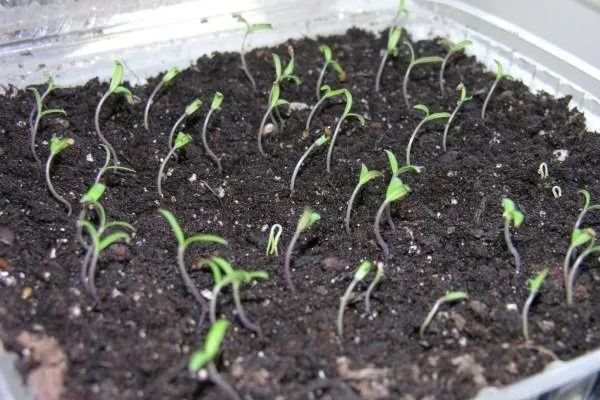
More useful information about growing tomato seedlings is written Here.
Transplanting seedlings into open ground
Before planting, make sure the soil is well-warmed. For warmer regions, the best time is early May; for colder regions, late May to June. When planting Summer Garden tomatoes under plastic, the optimal time is the second week of April.
When the plant is 50-55 days old, transplant it into open ground. Follow these steps:
- Prepare the soil in advance: disinfect, remove weeds, loosen and make shallow holes.
- Add a portion of humus to each hole to help young seedlings take root faster.
- Water the sprouts thoroughly to avoid damaging the root system when trying to remove the plant from the pot.
- Place the seedlings in the hole so that the stem goes no more than 1-2 cm deep, and cover with a layer of soil.
- Water the plant generously.
Choose a cloudy afternoon for planting. Avoid planting Summer Garden tomatoes in extreme heat.
Caring for tomatoes
Daily tomato care depends on the chosen location. Tomatoes are planted outdoors in June, reaching just 60 cm in height. These plants do not require pinching or pruning.
How to grow tomatoes in open ground is also described in in our other article.
In greenhouse conditions, the Summer Garden is grown from the second half of May. The bush reaches a height of 100-120 cm. And there are many such subtleties. If the rules are not followed, the quality and quantity of the tomato harvest will decrease.
Watering
All tomatoes thrive on moisture, and the Summer Garden variety is no exception. While newly planted seeds don't require watering, young plants need thorough watering every 3-4 days (less frequently in rainy weather).
Follow watering guidelines. For example, water the soil in the morning before 10:00 a.m. or in the evening after 6:00 p.m. If you water the bushes in the heat, the liquid evaporates quickly, and the root system doesn't receive moisture. The bushes will first turn yellow and then dry out completely, which will negatively impact the yield.
Before watering, check the soil beneath the bushes to ensure it hasn't cracked. Apply 1.5-2 liters of settled, room-temperature water to each plant. Water the plant directly at the roots, avoiding strong pressure or creating open holes.
Weeding and mulching
Summer Garden tomatoes don't tolerate perennial weeds, so weed the beds regularly. To promote rapid growth and ripening, hill the plants every two weeks and control weeds.
To conserve moisture, after watering, apply a 5-8 cm layer of sawdust or freshly cut grass mulch to the soil around the tomato plants. This provides additional nutrition and protection for the tomatoes. Read more about mulching the soil. here.
Loosening the soil
To prolong soil moisture, loosen it after each watering. This will improve oxygen flow to the roots and warm the soil better. It's best to perform this procedure at least once a week, in conjunction with weeding and removing weeds.
During the first two weeks after planting Summer Garden tomatoes, loosen the soil to a depth of 15 cm. Later, loosen it to a depth of no more than 8 cm. Otherwise, the root system may be damaged, and the young plant will die.
Bush formation and pinching
To ensure that the Summer Garden tomato doesn't waste the nutrients and moisture it receives on maintaining the bush's green crown, regularly remove side shoots. Remove young shoots on the bottom six leaves, preventing them from growing laterally.
Side shoots that grow longer than 5 cm reduce the variety's yield. Statistics show that one 15 cm shoot reduces the bush's yield by 2-3 kg. Prune side shoots at the root and monitor the growth of new ones.
It's best to prune out the Summer Garden bush in dry weather, preferably in the morning. High humidity causes side shoots to grow even faster, and the risk of crop failure increases.
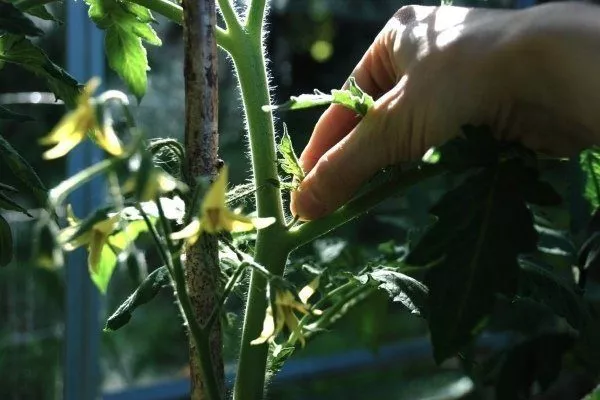
When removing side shoots, leave small stumps in their place to prevent them from growing back. Shake the bushes regularly at first to encourage fruit set.
Garter
Since tomatoes of this variety grow up to 50 cm in height, there is no need to support the bush. The exception is when tomatoes are ripened in greenhouse conditions, and the plant reaches 1 m in height. This is a matter for vegetable growers to monitor individually.
To support the plant, support the stem, and prevent it from breaking under the weight of the fruit, use wooden stakes. The optimal height is 20 to 25 cm above the plant's height for soil depth.
To avoid damaging the tomato plant's root system, place the stakes 10 cm away from the plant itself. Tie the shoots with regular rope, but do not over-tighten them or restrict oxygen supply.
Top dressing
After planting outdoors, tomatoes need fertilizing. The choice of fertilizer depends on the fertility and composition of the soil in your area. Organic fertilizers include bird or cow manure, green grass, and plant compost.
Of the mineral fertilizers, potassium and magnesium phosphates, superphosphates, and urea are the most suitable. Micronutrient tablets are available in specialized stores; they are also widely used as a top dressing.
What is better: urea or ammonium nitrate – explained Here.
A time-tested fertilizer recipe for 10 liters of water: mix two fertilizer tablets, 500 ml of cow manure, and 1 tablespoon of potassium sulfate. Dilute with water until smooth. Apply 1 liter of fertilizer per plant to the root system.
Harvesting and storage
The first harvest can be in August (depending on the region's climate). Basic rules:
- Pick the first fruits every 5 days; in the second half of August, harvest every 2-3 days.
- Harvest tomatoes in the evenings, preferably in dry weather. Be careful not to damage the shoots when picking.
- Eat ripe tomatoes first or process them immediately, as they have a shorter shelf life.
- Pick unripe fruit. They'll ripen faster in boxes, but new clusters will soon appear on the bushes.
- ✓ When technically ripe, fruits have a matte surface, without shine.
- ✓ When you press lightly on the fruit, you will feel a slight elasticity at the stalk, but not hardness.
Summer Garden tomatoes are distinguished by their long shelf life and ease of transportation. Just follow these simple rules, and they'll last 1 to 3 weeks and retain their presentable appearance:
- Do not wash the fruits before storing.
- Choose a dry box, preferably wooden.
- Place tomatoes in layers, but no more than 3.
- Sprinkle each layer of vegetables with dry peat or sawdust.
- Store the box of tomatoes in a dry, dark place at a temperature of 20-23 degrees.
There's a trick: ripe fruits emit a special gas that helps them ripen quickly. Experienced vegetable growers use this trick to their advantage. To speed up ripening, they add an overripe tomato to the box with unripe tomatoes. For longer storage, however, they remove the deep red tomato.
Diseases and pests
Since the Summer Garden tomato is an early-ripening variety, it avoids late blight. However, if the seedlings are summer-ripening, the risk of fungal infection increases. Possible diseases:
- Phytophthora. White moss appears on young stems, the fruits ripen more slowly and dry out completely.
- Bacteriosis. The nutrition of leaves and stems is disrupted, as a result of which they quickly turn yellow and dry out.
- Blossom-end rot. The tops of the fruits are affected. Such tomatoes should not be eaten.
- Fomoz. The base of the fruit rots, the skin dries out and wrinkles, and the tomatoes are no longer edible.
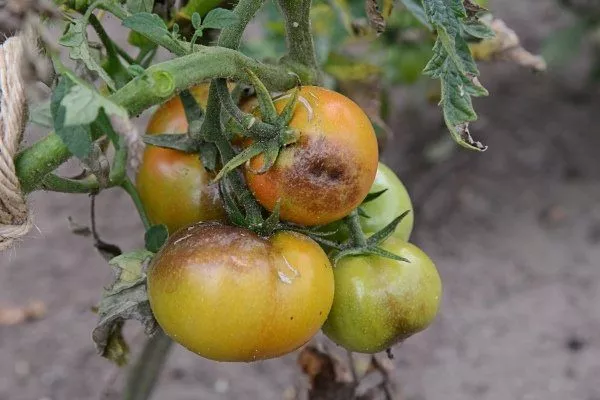
Tomato late blight
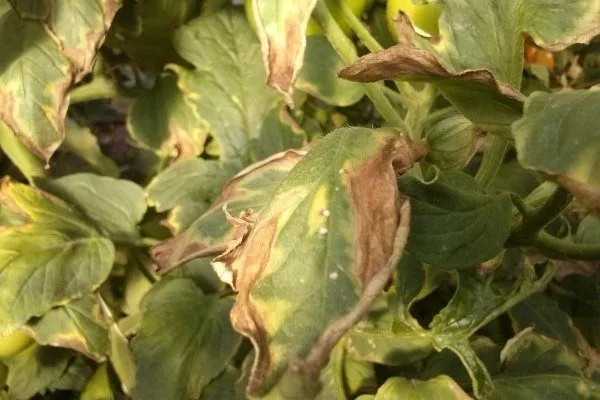
Bacterial blight of tomatoes
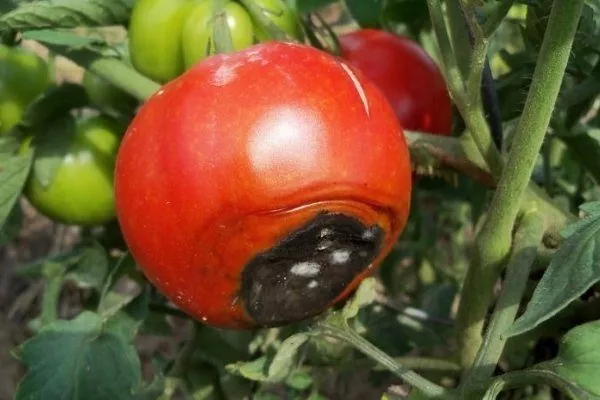
Blossom end rot in tomatoes
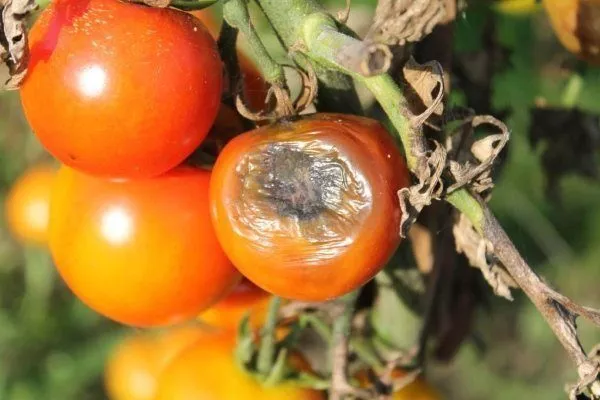
Phoma - tomatoes affected by this disease should not be eaten under any circumstances.
For treatment, use fungicide solutions, thoroughly spraying the plants in your garden. Particularly popular are Quadrix, Fundazol, Oxychom, and Bordeaux mixture. Repeat the procedure several times (three times over three weeks). Use the same principle for preventative spraying.
Potential pests:
- Colorado beetle;
- plant aphid;
- spider mite;
- scoop.
Synthetic preparations such as Aktara and Actellic are effective in combating such pests; the main thing is to follow the instructions.
Disease prevention
Diseases and pests can affect more than one plant at a time. To avoid mass tomato losses and a poor harvest, take preventative measures promptly:
- To repel dangerous pests, plant rosemary and basil between tomato beds.
- Be sure to disinfect garden tools, as they may contain harmful insects that can cause disease.
- Before planting tomatoes, remove the remains of old plants and be sure to disinfect the soil.
- Spray your tomatoes against pests. Use a celandine decoction or a homemade soap solution.
- Harvest your tomatoes in a timely manner in the summer to prevent them from becoming overripe on the bushes.
- Avoid dense plantings. Plants planted too close together increase the risk of fungal infection, potentially infecting the entire variety.
- Observe crop rotationDo not plant tomatoes where crops previously grew that were infected with pests and diseases that are dangerous for tomatoes.
Potential problems and tips
Growing Summer Garden tomatoes generally doesn't present any problems. However, there are exceptions that require prompt action:
- If leaves curl, they're lacking nitrogen, but receiving too much moisture. To restore the foliage's appearance, consider adding nitrogen fertilizer and reducing the frequency and intensity of watering.
- Weak coloration is a sign of potassium deficiency and temperature imbalances. Harvest at the milky stage of ripeness, but first apply potassium-rich fertilizers and fertilizers to the soil.
What exactly is it used for? potassium and sodium humates when growing healthy plants, is described on the pages of our website.
- If watering, temperature, and lighting conditions are not met, the fruits will be small, deformed, and asymmetrical. These factors are important to consider when expecting a second harvest.
- If spots appear on the foliage or the fruit rots from the inside, harmful insects are to blame. Treatment of the entire garden should follow immediately.
Recommendations for planting tomatoes in a temperate climate:
- Sow seeds in late April-early May.
- Transplant the seedlings to a permanent location no earlier than mid-June.
- Make sure the soil is warm, otherwise the root will die at low temperatures.
- When the first shoots appear, use fertilizer for seedlings (better from superphosphates).
- When the first fruits appear, fertilize the soil again so that they ripen faster.
- Provide shade for the plant in strong sunlight to prevent sunburn on the leaves and fruit. Use newspaper, tarps, etc.
Reviews of Summer Garden tomatoes
Summer Garden tomatoes are a popular early-ripening variety. They can be grown in greenhouses or garden plots, and with proper care and watering, they produce perfectly matched tomatoes that are tasty and firm.